Building a deck is an exciting project, but those visible screws and nails can spoil the clean, polished look you want. You want your deck to look smooth and seamless, not cluttered with fasteners.
What if you could hide those fasteners easily and make your deck look like it was crafted by a pro? You’ll discover simple, effective ways to keep your deck’s surface flawless and beautiful. Keep reading, and you’ll learn how to achieve that sleek finish that everyone will admire.
Credit: armadillodeck.com
Choosing The Right Fasteners
Choosing the right fasteners is key to a strong and neat deck. The right fasteners hold the deck boards firmly. They also help hide screws or nails, making the deck look clean. Picking the wrong type can cause damage or rust. This section explains different fasteners and what to consider before buying.
Types Of Fasteners For Decks
There are many fasteners for decks. Common ones include screws, nails, and hidden fasteners. Screws are strong and easy to remove. Nails are quick to use but may loosen over time. Hidden fasteners keep the deck surface smooth. They fit between the boards and are almost invisible.
Material Considerations
Fasteners come in different materials. Steel is common but can rust if not treated. Stainless steel lasts longer and resists rust. Some fasteners have a coating to protect them. Choose material based on the wood type and weather. Softwoods may need different fasteners than hardwoods.
Corrosion Resistance
Corrosion can weaken fasteners and ruin the deck. Salt air or rain speeds up rust. Use corrosion-resistant fasteners for outdoor decks. Galvanized or stainless steel fasteners resist rust well. Corrosion-resistant fasteners keep the deck safe and strong for years.
Fastener Placement Techniques
Fastener placement is key to a clean deck look. Proper techniques hide screws or nails and keep the wood safe. Correct placement also helps the deck last longer and look neat.
Edge Vs. Face Fastening
Edge fastening means driving screws near the board edges. This method hides fasteners between boards. It creates a smooth, seamless surface that feels good underfoot.
Face fastening drives screws on the board’s top surface. It is easier but leaves visible heads. Using matching color screws can make them less noticeable.
Choose edge fastening for a cleaner look. Use face fastening for simple, quick builds.
Spacing And Alignment Tips
Keep fasteners evenly spaced for strength and style. Place screws about 12 inches apart along each board.
Align fasteners in straight lines. This order helps hide them in shadows and grooves.
Consistent spacing reduces wood splitting. It also keeps the deck stable and safe.
Using Hidden Fastener Systems
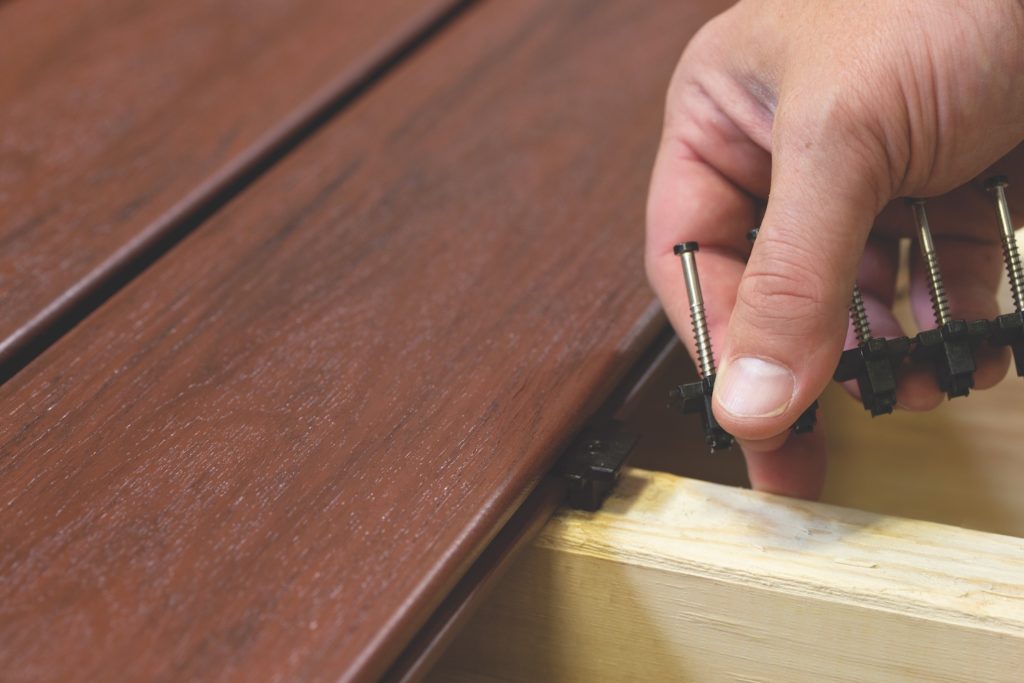
Using hidden fastener systems is a popular method to create a smooth, clean deck surface. These systems keep screws or nails out of sight, improving the deck’s look. They also help prevent splinters and make the deck safer to walk on. Hidden fasteners work by clipping or locking deck boards from underneath or between the boards.
Types Of Hidden Fasteners
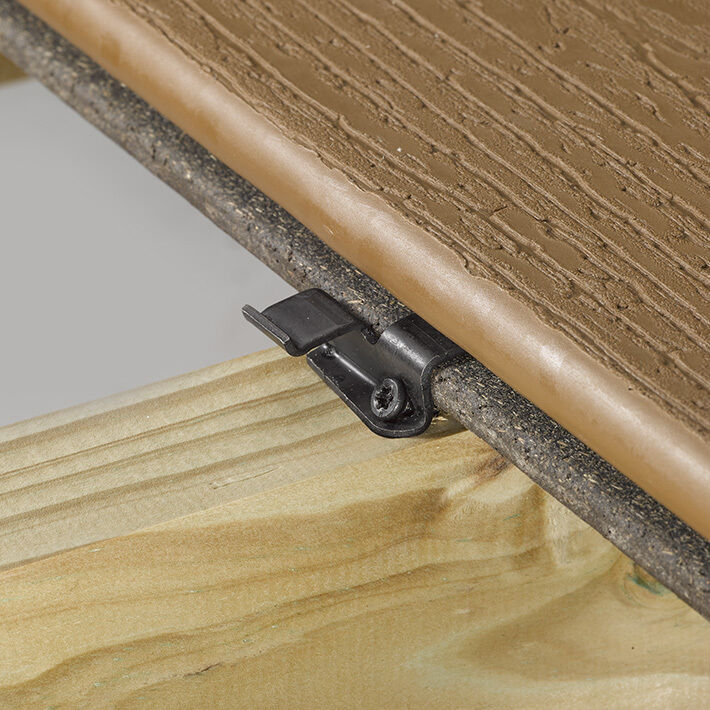
There are several types of hidden fasteners available. Some clip into grooves on the deck boards’ sides. Others use special brackets to attach boards from below. Some hidden fasteners require pre-drilled holes, while others snap into place. Choose fasteners that match your deck material, such as wood, composite, or PVC.
Installation Process
Start by preparing the deck frame and boards. Place the first board and secure it with regular screws. Insert the hidden fastener into the groove of the next board. Attach the fastener to the joist with screws or nails. Continue this process for each board, ensuring tight spacing. Check alignment often to keep boards straight and even.
Pros And Cons
Hidden fasteners create a sleek, modern deck look. They reduce the chance of nails or screws popping out. These systems make cleaning easier and safer. Installation takes more time than using regular screws. Some fasteners cost more and may need special tools. Repairing a damaged board can be harder with hidden fasteners.
Credit: www.fastenmaster.com
Drilling And Countersinking
Drilling and countersinking are key steps to hide fasteners on your deck. These techniques help screws sit flush or below the wood surface. This makes the deck look smooth and neat. You avoid raised screw heads that can catch dirt or damage shoes. Proper drilling also prevents the wood from splitting.
Tools Needed
- Drill with variable speed
- Drill bits (pilot and countersink bits)
- Countersink tool or bit
- Measuring tape
- Wood filler or plug filler
- Screwdriver or impact driver
- Sandpaper or sanding block
Step-by-step Drilling Guide
Start by measuring and marking screw spots on the wood. Use a pilot drill bit smaller than the screw diameter. Drill straight pilot holes to guide screws and avoid splits.
Next, switch to the countersink bit. Drill a shallow hole at the top of the pilot hole. This hole will hold the screw head below the wood surface. Check the depth carefully to avoid going too deep.
Drive the screw slowly into the pilot and countersink hole. The screw head should sit just below the wood surface.
Filling And Concealing Screw Heads
After screws are set, use wood filler or plug filler to cover holes. Apply filler evenly and press it firmly into the hole. Let it dry as per product instructions.
Once dry, sand the filled areas smooth with the wood surface. This creates a seamless look. The deck surface will now feel even and look clean without visible fasteners.
Alternative Fastening Methods
Hiding fasteners on a deck can make your outdoor space look cleaner and more polished. Traditional screws and nails often remain visible, which may spoil the deck’s appearance. Alternative fastening methods offer ways to secure deck boards without showing fasteners. These methods help create a smooth, attractive surface while keeping the deck strong and safe.
Clips And Brackets
Clips and brackets are popular for hidden deck fastening. They attach under the deck boards and fasten to the joists. This method leaves no screws or nails on the deck surface. Clips come in different styles and materials to fit various decking types. They provide a clean look and help with board expansion and contraction.
Adhesives And Nails
Using adhesives combined with nails can hide fasteners effectively. First, apply a strong outdoor adhesive under the deck boards. Then, use nails or brads from the side or bottom to hold boards while adhesive dries. This method keeps the top surface free from visible fasteners. Adhesives add extra strength and prevent boards from moving or lifting.
Combining Methods For Strength
Combining clips, brackets, adhesives, and nails offers the best results. Each method adds strength and stability to the deck. Clips hold boards securely while adhesives bond them tightly. Nails or screws provide extra support during installation. Together, these techniques hide fasteners and create a sturdy deck surface. This approach works well for many decking projects.

Credit: www.fastenmaster.com
Finishing Touches
Finishing touches make your deck look neat and professional. Hiding fasteners is just the start. The final steps help your deck blend together. These small details improve your deck’s beauty and lifespan. Follow simple steps to perfect the surface and keep it looking great.
Wood Putty And Stain Matching
Use wood putty to fill holes from fasteners. Choose a putty close to your deck’s wood color. Press the putty into the holes with a putty knife. Let it dry fully before touching it.
Stain matching helps blend the putty with the wood. Test the stain on a small spot first. Apply the stain gently over the putty and nearby wood. This step hides fasteners and repairs small damage.
Sanding For A Smooth Surface
Sanding smooths out any rough areas after filling holes. Use fine-grit sandpaper for best results. Sand lightly around the putty spots and the whole deck surface. This creates an even surface that looks clean.
Always sand with the wood grain direction. Avoid sanding too hard. A smooth deck feels better underfoot and looks more polished.
Regular Maintenance Tips
Keep your deck looking fresh with regular care. Clean the surface to remove dirt and debris. Reapply stain or sealant every year or two. Check filled spots for cracks or wear.
Fix small problems early to avoid bigger repairs. Regular maintenance protects your deck and hides fasteners longer. A well-kept deck stays beautiful and safe for years.
Frequently Asked Questions
What Are The Best Fasteners For Hidden Deck Construction?
The best fasteners for hidden decks are stainless steel or coated screws. They resist corrosion and provide strong, long-lasting holds. Specialized hidden fasteners or clips work well to secure boards without visible screws, enhancing the deck’s appearance and durability.
How Can I Hide Fasteners On Wooden Deck Boards?
To hide fasteners on wood decks, use hidden fastener systems or install boards with tongue-and-groove edges. You can also drill angled pilot holes to countersink screws and cover them with wood plugs or matching deck stain for a seamless look.
Are Hidden Fasteners Better Than Traditional Screws?
Yes, hidden fasteners offer a cleaner, safer deck surface with no exposed screw heads. They prevent tripping hazards and reduce wood splitting. However, they may cost more and require specific installation tools compared to traditional screws.
Can I Use Nails Instead Of Screws To Hide Fasteners?
Nails are not ideal for hiding fasteners because they often leave visible heads and offer less holding power. Screws provide a stronger, more secure hold and work better with hidden fastener systems for a smooth deck surface.
Conclusion
Hiding fasteners makes your deck look clean and neat. Choose the right tools for your deck type. Screws or hidden clips work well for wood and composite. Take your time to place fasteners carefully. A smooth surface feels better underfoot and lasts longer.
Small details like this add value to your outdoor space. Keep your deck safe and beautiful by hiding fasteners properly. Enjoy your deck without worrying about rough edges or visible screws. Simple steps lead to a great-looking deck you can be proud of.