Are you ready to hang shelves, pictures, or decorations but unsure how to put fasteners in your wall the right way? Getting it wrong can lead to damage or things falling down, and that’s frustrating.
But don’t worry—this guide will show you simple, clear steps to secure your fasteners safely and firmly. Whether you’re a beginner or just want to avoid common mistakes, by the end, you’ll feel confident handling your walls like a pro.
Keep reading to learn how to make your walls work for you, every time.
Types Of Wall Fasteners
Choosing the right fastener is key to secure items on walls. Different walls need different fasteners. Some are for drywall, some for concrete or brick. Understanding each type helps you pick the best one. This guide covers common fasteners and their uses.
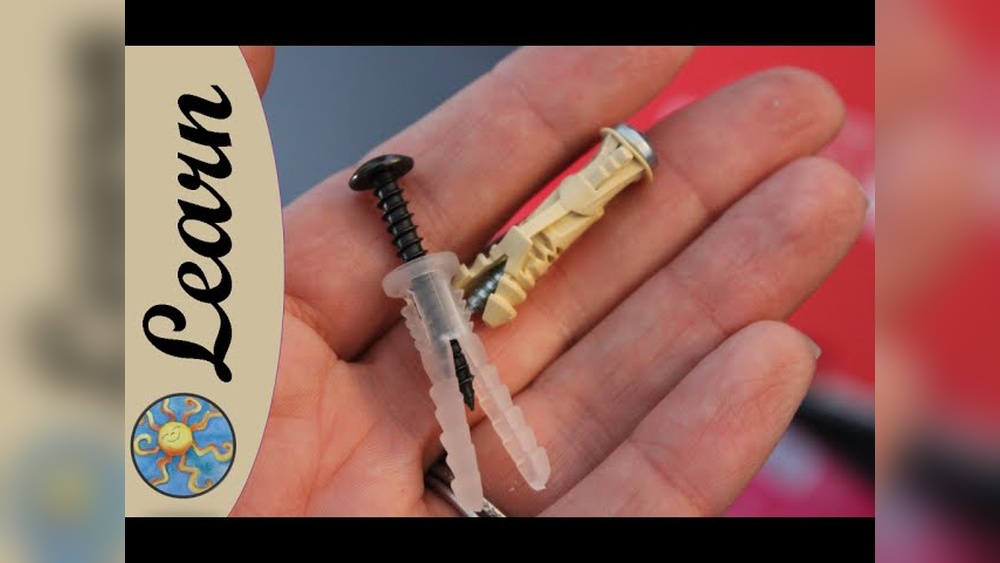
Plastic Anchors
Plastic anchors are simple and cheap. They work well in drywall or plaster. Drill a hole, push in the anchor, then screw in. The anchor expands inside the wall, holding the screw tight. Good for light to medium loads like pictures or small shelves.
Toggle Bolts
Toggle bolts have metal wings that open inside the wall. They spread the load over a large area. Ideal for heavy items like large shelves or mirrors. You drill a hole, insert the folded wings, then tighten the screw. The wings lock behind the wall, giving strong support.
Molly Bolts
Molly bolts are metal anchors that expand behind the wall. They create a strong hold in drywall or hollow walls. Insert the bolt, then tighten the screw to expand the anchor. Use them for medium to heavy items. They stay in place even if the screw loosens.
Self-drilling Anchors
Self-drilling anchors do not need a pre-drilled hole. Just screw them directly into drywall. They have sharp threads that cut into the wall. Easy to install and remove. Suitable for light to medium loads like curtain rods or small shelves.
Wall Plugs
Wall plugs fit into holes drilled in brick or concrete. Made from plastic or nylon. They hold screws tightly in hard materials. Drill the right size hole, insert the plug, then screw in. Perfect for mounting heavy items on solid walls.
Tools Needed
Installing fasteners in a wall requires the right tools. Using proper tools makes the job easier and safer. It also ensures the fasteners hold firmly. Below are the main tools you need for this task.
Drill And Drill Bits
A drill is essential for making holes in the wall. Choose drill bits that match the size of the fasteners. A power drill speeds up the work. It also creates clean, precise holes.
Screwdriver
A screwdriver helps drive screws into the wall. Use a manual or electric screwdriver. Match the screwdriver head to the screw type. This prevents damage to the screw or wall.
Stud Finder
A stud finder locates wooden studs behind the wall. Fastening into studs gives extra strength. It avoids drilling into empty spaces or pipes. This tool improves safety and stability.
Measuring Tape
Measure the exact spot to place the fastener. Accurate measurements keep your work neat and aligned. A measuring tape is simple and very useful. It helps avoid mistakes and saves time.
Level
A level ensures fasteners are straight and even. This tool prevents crooked installations. A properly leveled fastener supports items securely. It improves the final look of your project.
Choosing The Right Fastener
Choosing the right fastener is key to a safe and sturdy wall mount. The correct fastener holds your item firmly without damaging the wall. Picking the wrong one can cause your item to fall or leave holes.
Consider the wall type, the weight of the item, and what you want to hang. These factors help select the best fastener for your project.
Considering Wall Material
Walls come in many types like drywall, plaster, brick, or concrete. Each needs a special fastener for a strong grip. Drywall may require anchors or toggle bolts. Brick and concrete need masonry screws or anchors.
Check the wall surface before buying fasteners. Using the wrong type can damage the wall or fail to hold the item.
Weight Capacity
Fasteners have a weight limit. Know the weight of your item before choosing. Light items like pictures need small nails or pins. Heavy items like shelves or mirrors require strong anchors or screws.
Always pick a fastener rated for more than your item’s weight. This ensures safety and durability over time.
Type Of Item To Hang
The item type affects fastener choice. Soft items like fabric art need gentle hooks. Rigid items like cabinets need heavy-duty bolts. Fragile items need secure but careful mounting.
Consider how the item will hang. Some need hooks, others require screws or anchors. Match the fastener to the hanging style for best results.
Preparing The Wall
Preparing the wall is the first step to secure fasteners properly. This step ensures a strong hold and prevents damage. You need to locate the right spots and make clear marks. Then, drill pilot holes to guide your fasteners. Proper preparation saves time and effort later.
Locating Studs
Studs are the wooden or metal supports behind the wall. Fasteners hold best when attached to studs. Use a stud finder to locate them easily. Move the finder slowly across the wall surface. Mark the edges where the stud starts and ends. This helps find the center for the strongest hold.
Marking Drill Points
Mark the exact points where you will drill holes. Use a pencil for clear, easy-to-see marks. Measure carefully to keep marks level and straight. Check distances between marks for uniform fastener placement. These marks guide the drill and keep fasteners aligned.
Drilling Pilot Holes
Drill small pilot holes at your marked points. Pilot holes guide screws and prevent wall damage. Choose a drill bit slightly smaller than the fastener. Drill slowly and keep the bit straight. Clean dust from holes before inserting fasteners. This step ensures smooth and secure fastening.
Installing Fasteners
Installing fasteners in the wall requires the right tools and methods. Each type of fastener works best for certain wall materials and weights. Choosing the correct fastener ensures your item stays secure and prevents damage.
Below are simple steps to install four common types of fasteners safely and effectively.
Inserting Plastic Anchors
Plastic anchors are best for light loads on drywall. Start by drilling a small hole in the wall. The hole size must match the anchor diameter. Push the plastic anchor into the hole until flush with the wall. Use a screwdriver to insert the screw into the anchor. The anchor expands, holding the screw tightly in place.
Using Toggle Bolts
Toggle bolts support heavier objects on hollow walls. Drill a hole large enough for the folded toggle. Thread the bolt through the object to hang, then screw on the toggle wings. Push the toggle through the hole until it opens behind the wall. Tighten the bolt slowly. The wings press firmly against the inside wall surface for strong support.
Setting Molly Bolts
Molly bolts work well in drywall and plaster. Drill a hole slightly smaller than the bolt’s diameter. Insert the molly bolt into the hole. Tighten the bolt to expand the sleeve behind the wall. This creates a secure anchor. Remove the bolt, place your item, then reinstall and tighten the bolt fully.
Installing Self-drilling Anchors
Self-drilling anchors save time on drywall projects. Choose the correct anchor size for your screw. Position the anchor on the wall and turn it with a screwdriver. The anchor cuts its own hole and threads into the drywall. Once flush, insert the screw. The anchor grips tightly for a strong hold.

Credit: www.youtube.com
Securing The Item
Securing the item properly to the wall is a key step. It ensures safety and keeps your item stable. Taking time here saves you from future problems. Follow clear steps to make sure the fasteners hold well.
Aligning With Fasteners
Start by matching the item’s holes with the fasteners on the wall. Check the position carefully. The holes must line up perfectly. Misalignment can cause damage or weak hold. Hold the item steady and adjust until it fits right.
Screwing In The Hardware
Use a screwdriver or drill to fasten the screws tightly. Turn slowly and evenly. Avoid overtightening to prevent damage. The screws should feel firm but not forced. This step locks the item securely in place.
Checking Stability
After securing, gently shake or push the item. It should not move or wobble. If it feels loose, tighten screws more. A stable item stays safe and lasts longer. Always double-check before finishing your work.
Safety Tips
Putting fasteners in a wall can be risky without safety measures. Following safety tips helps avoid accidents and damage. Simple steps protect you and your home.
Avoiding Electrical Wires
Always check for electrical wires before drilling or nailing. Use a wire detector to find hidden wires inside walls. Avoid hitting wires to prevent shocks or fire hazards. Mark safe spots clearly to stay safe during work.
Using Protective Gear
Wear safety glasses to protect your eyes from dust and debris. Use gloves to shield your hands from sharp tools and fasteners. Consider ear protection if using loud power tools. Dress properly to reduce injury risks.
Checking Wall Integrity
Examine the wall for cracks or weak spots before adding fasteners. Avoid placing fasteners near damaged areas to maintain strength. Use a stud finder to locate solid parts of the wall. Secure fasteners only in strong, stable sections.

Credit: www.wikihow.com
:max_bytes(150000):strip_icc()/how-to-use-and-discard-anchor-screws-1822671-Final-ec8091ccf65241b1b1f888549f25003a.jpg)
Credit: www.thespruce.com
Frequently Asked Questions
What Tools Do I Need To Put Fasteners In A Wall?
You need a drill, screwdriver, wall anchors, and fasteners. Choose tools based on wall type. Use a level for accuracy. Safety gear like goggles is important.
How Do I Choose The Right Fastener For My Wall?
Select fasteners based on wall material and load weight. Drywall requires anchors, masonry needs special screws. Consider size and type for secure installation.
Can I Install Fasteners Without Drilling Holes?
Yes, for lightweight items use adhesive hooks or strips. For heavier loads, drilling is necessary to ensure strength and safety. Choose method based on item weight.
How Deep Should I Drill Holes For Wall Fasteners?
Drill holes slightly deeper than anchor length. This ensures proper grip and holds fasteners firmly. Avoid drilling too deep to prevent wall damage.
Conclusion
Putting fasteners in a wall is simple with the right steps. Start by choosing the correct fastener for your wall type. Drill a hole carefully, then insert the fastener firmly. Tighten screws slowly to avoid damage. Take your time and work with patience.
This helps ensure your fasteners hold strong. Practice makes the process easier and faster. Keep safety in mind and use proper tools. Now, you can hang items securely and confidently on your walls.