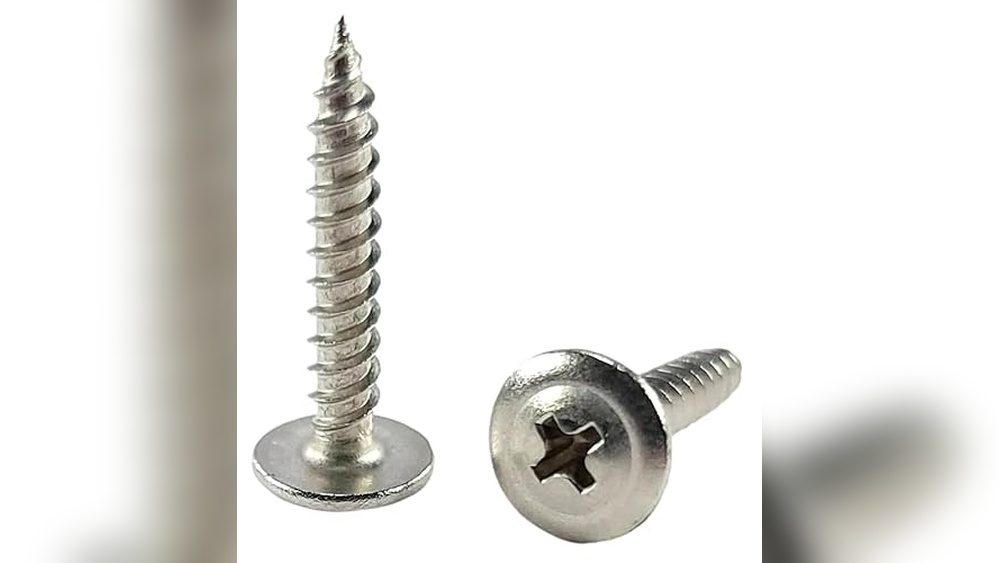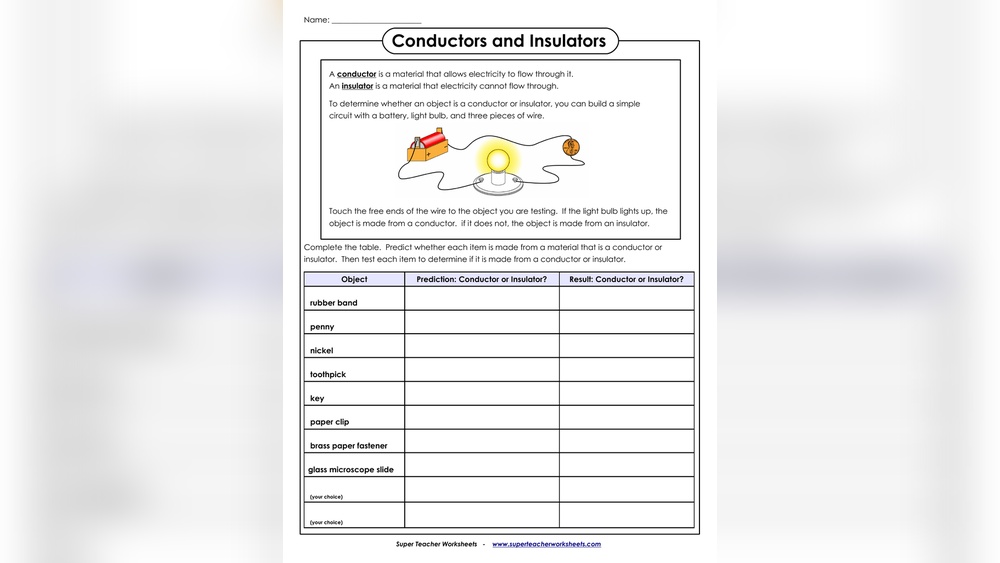
Have you ever wondered if a simple brass paper fastener can conduct electricity? You might think it’s just a small office tool, but understanding whether it acts as a conductor could be important for your DIY projects, school experiments, or even everyday safety.
You’ll discover the surprising truth about brass paper fasteners and how their conductivity might affect your work. Keep reading to find out what makes these tiny items more than just stationery.
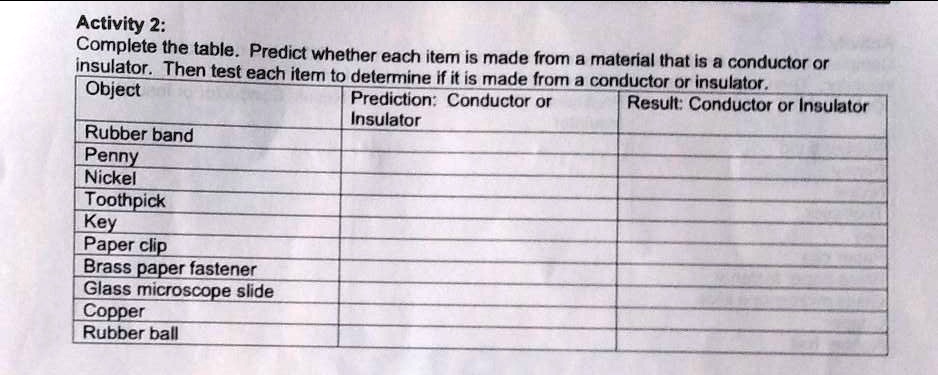
Credit: www.numerade.com
What Is A Brass Paper Fastener
A brass paper fastener is a small tool used to hold papers together. It has two thin metal prongs that bend to secure documents. These fasteners are common in offices and schools for organizing papers. They are easy to use and remove without damaging the pages.
Material Composition
Brass paper fasteners are made mainly of brass metal. Brass is an alloy of copper and zinc. This mix makes the fastener strong and resistant to rust. The metal also gives a shiny gold-like look. Brass conducts electricity well because of its copper content.
Common Uses
People use brass paper fasteners to join papers in files or folders. They help keep important documents neat and secure. Fasteners also work well for crafts and small repairs. Their design allows repeated opening and closing without breaking.

Credit: www.officesupply.com
Electrical Conductivity Basics
Electrical conductivity measures how well a material allows electric current to pass. It depends on the movement of electrons inside the material. Materials with free electrons conduct electricity better. Understanding this helps us know if objects like a brass paper fastener can carry electrical current.
Conductivity varies widely between materials. Some allow electricity to flow easily, while others block it. Metals usually have high conductivity. Non-metals tend to have low or no conductivity.
How Conductivity Works
Electricity moves as electrons flow through a material. In good conductors, electrons move freely. This flow creates an electric current. The easier it is for electrons to move, the better the conductivity.
Resistance slows down electron flow. High resistance means poor conductivity. Low resistance means high conductivity.
Metals And Conductivity
Metals have many free electrons. These electrons move easily inside the metal. This makes metals good conductors. Copper and silver are top conductors.
Brass is an alloy of copper and zinc. It conducts electricity, but less than pure copper. Its conductivity depends on its copper content.
Brass As A Conductor
Brass is a metal alloy made mainly of copper and zinc. It is often used in everyday objects, including paper fasteners. One important question is whether brass conducts electricity well. Understanding brass’s ability to conduct electricity helps explain its use in various tools and devices.
Brass conducts electricity but not as well as pure copper. It offers a balance between strength and conductivity. This makes brass a practical choice for items that need some electrical flow but also require durability.
Conductive Properties Of Brass
Brass conducts electricity because copper is a good conductor. Copper makes up most of brass, allowing electric current to flow. Zinc, the other main component, lowers conductivity compared to pure copper. Still, brass carries electricity well enough for many uses.
Brass also resists corrosion, which helps maintain conductivity over time. This makes it useful in electrical connectors and fasteners. The metal’s moderate conductivity is enough for small electrical tasks without losing strength.
Comparison With Other Metals
Pure copper is one of the best conductors. It allows electric current to flow with very low resistance. Silver conducts electricity even better but is expensive. Brass has lower conductivity than copper and silver but costs less.
Steel and iron conduct electricity poorly compared to brass. They have higher resistance and lose more energy as heat. Aluminum is lighter and conducts well but not as well as copper. Brass stands between these metals, offering moderate conductivity with good strength.
Is A Brass Paper Fastener Conductive?
Brass paper fasteners are common in offices and schools. Many wonder if these small items can conduct electricity. Understanding their conductivity helps in various DIY and electrical projects. Let’s explore how conductive a brass paper fastener really is.
Factors Affecting Conductivity
Brass is a metal alloy made from copper and zinc. Copper is a good conductor of electricity. Zinc is less conductive but still allows some flow. The mix of these metals affects overall conductivity. The thickness and size of the fastener also matter. A thicker fastener conducts better than a thin one. Surface conditions like dirt or rust reduce conductivity. Clean, shiny brass fasteners conduct electricity more easily.
Practical Conductivity In Paper Fasteners
In practice, brass paper fasteners conduct electricity but not as well as pure copper. They can carry small currents in low-voltage circuits. They are not suitable for high-power electrical use. Using them in simple electronic experiments works fine. For better conductivity, ensure the fastener is clean and firmly connected. This makes it useful for temporary circuits or grounding in small projects.
Potential Risks And Safety Tips
Brass paper fasteners are common in offices and schools. They hold papers together but also conduct electricity. This can cause risks if not handled carefully. Understanding these risks helps prevent accidents and injuries. Follow safety tips to use brass fasteners safely around electrical sources.
Electrical Hazards
Brass is a metal that carries electricity well. Touching a live wire with a brass fastener can cause shocks. These shocks may harm your skin or muscles. In some cases, they cause burns or start fires. Keep brass fasteners away from electrical outlets or wires. Never use them near exposed electrical parts.
Safe Usage Practices
Use brass fasteners only for paper and craft projects. Avoid placing them near electric devices or cords. Store them in a dry place to prevent rust and damage. Check fasteners before use; discard any bent or broken ones. Always keep them away from children to avoid accidental shocks. Use plastic or rubber clips if working near electricity.
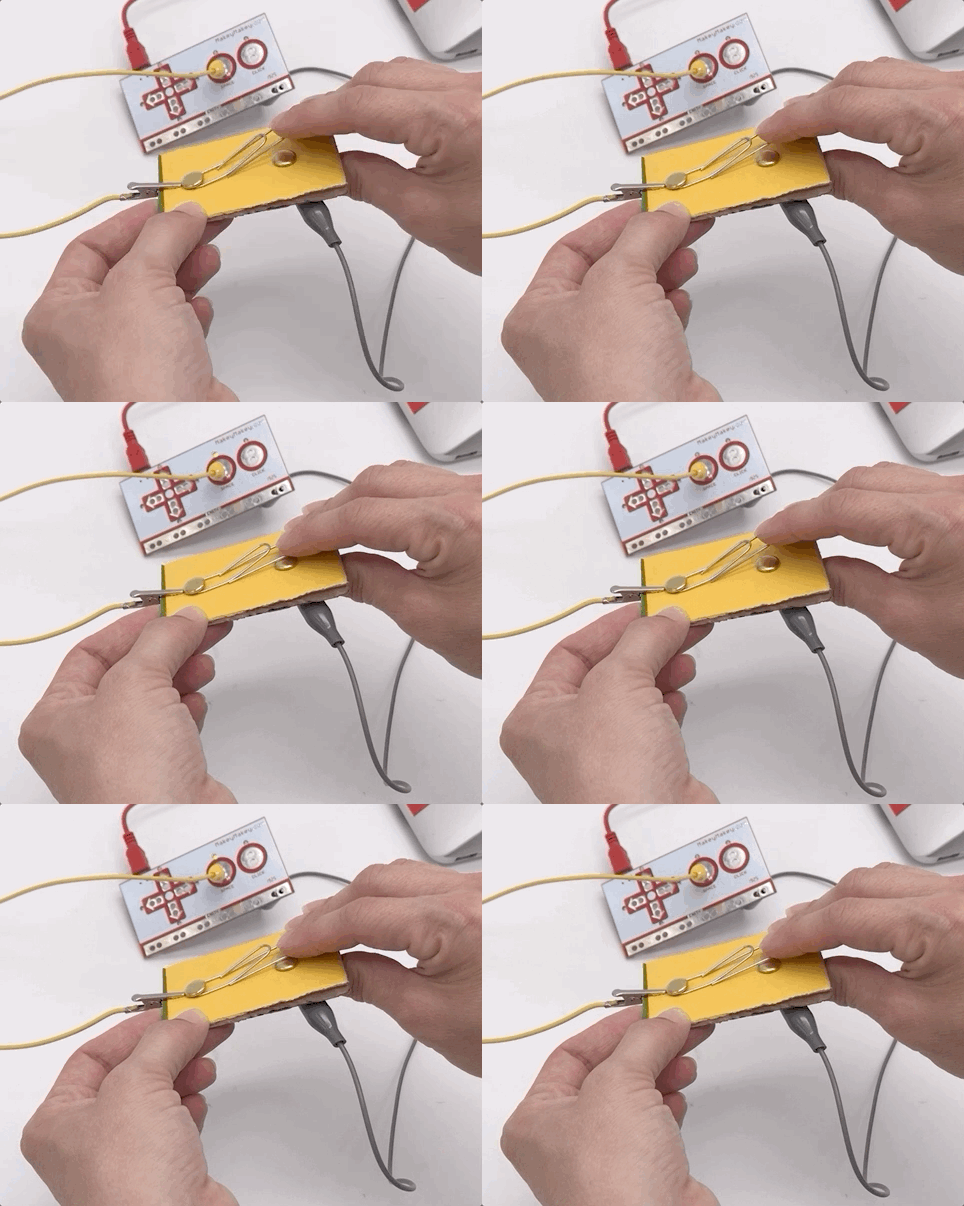
Credit: makeymakey.com
Alternative Materials For Conductivity Needs
Brass paper fasteners often raise questions about conductivity. While brass can conduct electricity, some projects need different materials. Choosing the right fastener depends on the conductivity requirements. Various materials offer unique benefits for electrical and non-electrical uses.
Conductive Paper Fastener Options
Fasteners made from copper provide excellent conductivity. Copper is widely used in electronics for its low resistance. Aluminum fasteners also conduct electricity but less than copper. These metals ensure stable electrical connections in paper or thin materials. Silver-plated fasteners offer superior conductivity but cost more. Conductive fasteners suit circuits, sensors, and prototypes.
Non-conductive Alternatives
Plastic paper fasteners do not conduct electricity. They prevent short circuits and protect sensitive components. Nylon and polypropylene fasteners are common choices. These materials resist moisture and chemicals well. Non-conductive fasteners work best for insulation or where electricity is unwanted. They keep documents organized without electrical risks.
Frequently Asked Questions
Is A Brass Paper Fastener An Electrical Conductor?
Yes, a brass paper fastener is an electrical conductor. Brass is an alloy of copper and zinc, both good conductors of electricity. This allows electric current to pass through the fastener easily.
Why Is Brass Used In Paper Fasteners?
Brass is used for its conductivity, durability, and corrosion resistance. It also offers a shiny, attractive finish. These properties make brass ideal for paper fasteners and other small hardware.
Can A Brass Paper Fastener Conduct Heat?
Yes, brass fasteners conduct heat well. Brass’s thermal conductivity helps dissipate heat quickly. This makes brass fasteners practical in applications where heat transfer is needed.
Are Brass Paper Fasteners Safe For Electrical Projects?
Brass paper fasteners can be used in low-voltage electrical projects. However, they are not designed for high current or critical electrical connections. Use them only for temporary or low-power purposes.
Conclusion
Brass paper fasteners conduct electricity because brass is a metal. Metals allow electric current to flow easily. This makes brass fasteners useful in simple electrical projects. They are small but can connect wires well. Remember, they conduct but are not the best conductors.
Using them in circuits can work but check the current needs first. So, a brass paper fastener can act as a conductor in many cases. Simple and effective for basic tasks.