Are you thinking about changing the look of your kitchen or bathroom by moving the hardware on your laminate cabinet doors? It might seem like a simple task, but you probably have questions.
Can you do it without damaging the door? Will the new holes be noticeable? How will it affect the door’s durability? If you want to avoid costly mistakes and get the best results, keep reading. This article will guide you step-by-step and help you decide if moving your cabinet hardware is the right choice for you.

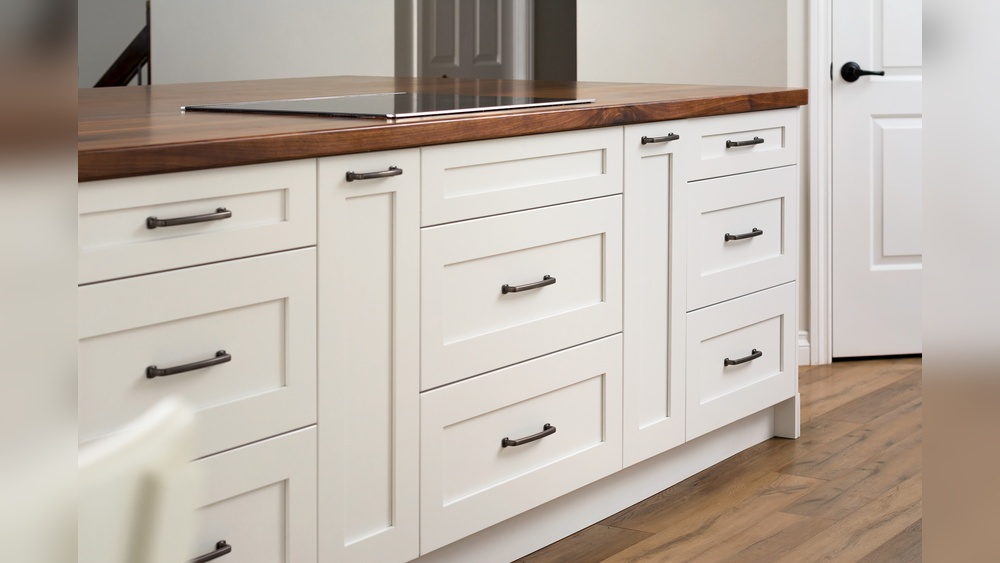
Credit: www.lxhausys.com
Why Move Cabinet Hardware
Moving cabinet hardware on laminate doors can change the look and feel of your kitchen. It lets you refresh your space without full remodeling. Changing hardware placement also helps fix practical issues. Understanding why people move cabinet hardware can guide your next home project.
Enhancing Aesthetics
Changing hardware position can improve how your cabinets look. It creates a balanced and neat appearance. You can align handles to fit your kitchen’s style. Small shifts can make cabinets look new and stylish. This simple change draws attention to details.
Improving Functionality
Moving hardware can make cabinets easier to use. Handles placed at the right height reduce strain on hands. It helps people open cabinets smoothly and quickly. Adjusting hardware can also prevent damage to cabinet surfaces. Function meets comfort with thoughtful placement.
Updating Style
Hardware trends change over time. Moving or replacing handles updates your kitchen’s look. It allows you to try new styles without changing cabinets. Position changes can match new decor or design themes. This keeps your kitchen fresh and modern.
Challenges With Laminate Doors
Moving hardware on laminate cabinet doors can be tricky. These doors have a thin plastic layer bonded to a wood base. This design gives a smooth look but brings some challenges. Understanding these issues helps you avoid damage and get better results.
Every change risks affecting the door’s surface or strength. Careful handling is key to keep the door intact and looking good.
Surface Durability
Laminate surfaces are hard but not very flexible. Drilling or screwing in new spots can crack or chip the layer. Even small mistakes leave marks or rough edges. The surface does not repair easily once damaged.
Adhesion Issues
Hardware often attaches with screws or glue. The laminate’s smooth plastic surface makes glue less sticky. Screws may not hold well if the layer peels away. Loose hardware can cause more damage over time.
Potential Damage
Removing and moving hardware can pull off the laminate. This exposes the wood underneath to moisture and dirt. The wood can swell or warp if not protected. Damage lowers the cabinet’s appearance and function.
Tools You’ll Need
Moving hardware on a laminate cabinet door is a task that needs the right tools. Using proper tools makes the job easier and helps avoid damage to your cabinet. Having everything ready before starting saves time and effort.
Below are the main tools you will need to move cabinet hardware safely and neatly.
Screwdrivers And Drills
Screwdrivers are essential for removing and installing screws. Use a screwdriver that fits the screw head to avoid slipping. A power drill can speed up the process, especially for drilling new holes. Use drill bits that match your screws’ size. Work slowly to prevent cracking the laminate surface.
Measuring Tools
Accurate measuring tools help place hardware correctly. A tape measure or ruler measures the distance from edges or other hardware. A pencil marks the exact spots for drilling. Use a level to keep hardware straight. Small mistakes in measurement can cause misaligned doors or handles.
Filling Materials
Filling materials repair old screw holes after moving hardware. Wood filler or epoxy putty works well on laminate surfaces. Choose a filler that dries hard and matches the cabinet color. Apply filler with a small putty knife and smooth the surface. Sand lightly after drying for a clean finish.
Steps To Remove Hardware Safely
Removing hardware from a laminate cabinet door needs care. Following the right steps helps avoid damage. It keeps the surface smooth and ready for new hardware or repainting. This guide shows easy, safe steps to remove handles and knobs.
Locating Screws
First, find the screws holding the hardware. Usually, they are on the inside of the door. Open the cabinet and look for small screws. Use a flashlight if needed. Mark their position to avoid confusion.
Careful Removal Techniques
Use the correct screwdriver size to avoid slipping. Turn screws slowly and steadily. If screws are tight, apply gentle pressure. Avoid forcing or twisting too hard. Keep the hardware steady to prevent scratches.
Protecting The Surface
Place a soft cloth under the door to stop scratches. Cover the edges with painter’s tape for extra safety. Clean the surface after removing the hardware. Use a mild cleaner to remove dirt and residue. This protects the laminate and keeps it smooth.
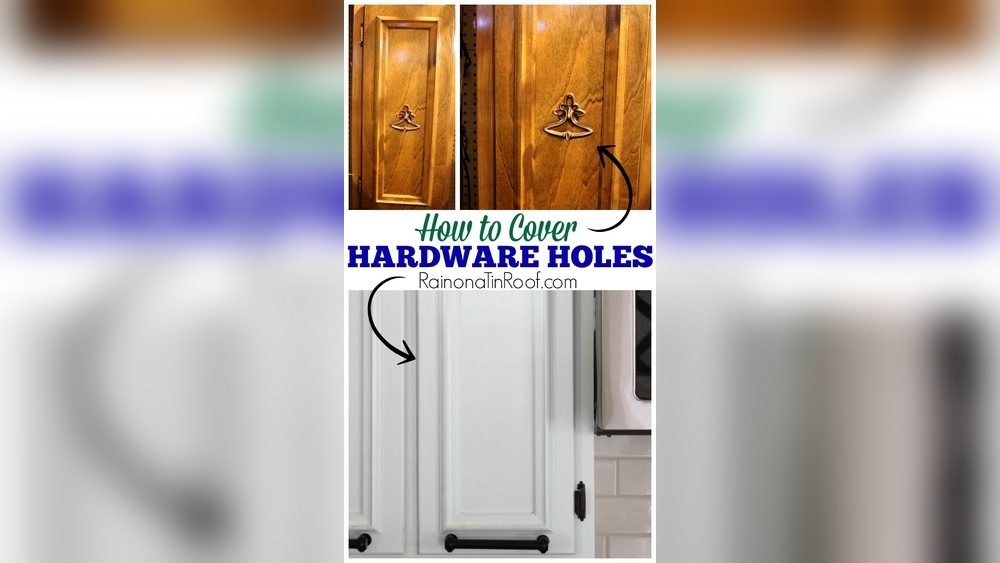
Filling Old Holes
Filling old holes on laminate cabinet doors is key before moving hardware. Old holes can make doors look worn and uneven. Properly filling these holes creates a smooth surface. This helps new hardware fit well and the door look neat.
Choosing The Right Filler
Pick a filler made for laminate surfaces. Wood filler may not stick well to laminate. Use a putty or epoxy designed for plastic or laminate. It should dry hard and be easy to sand. Matching the filler color to the cabinet helps hide repairs.
Application Tips
Clean the holes and remove loose debris. Use a small putty knife to press filler into holes. Fill holes fully and smooth the surface. Avoid overfilling to reduce sanding later. Let the filler dry completely before the next step.
Sanding And Finishing
Sand the filled area with fine-grit sandpaper. Sand lightly to avoid damaging laminate. The surface should be flush with the door. Wipe off dust with a damp cloth. Finish with paint or laminate touch-up if needed. This restores a clean, smooth look.
:max_bytes(150000):strip_icc()/SPR-where-to-put-knobs-and-handles-on-kitchen-cabinets-6373984-hero-f2b94cb045354a5783a3d927f83b5d21.jpg)
Credit: www.thespruce.com
Repositioning Hardware
Repositioning hardware on a laminate cabinet door can refresh your kitchen’s look. It lets you customize door handles or knobs without replacing the whole door. This process needs care to avoid damage to the laminate surface. Follow simple steps to measure, mark, and install hardware securely.
Measuring New Placement
Start by deciding where the hardware will go. Use a tape measure to find the exact spot. Measure from the edge of the door to keep it even. Check the height and distance so handles match on all doors. Mark the spot lightly with a pencil.
Marking Drill Points
Mark drill points carefully to avoid mistakes. Use a small nail or center punch to make a dent. This helps the drill bit stay in place. Double-check measurements before drilling. Avoid pressing too hard to prevent scratches on the laminate.
Installing Hardware Securely
Drill holes slowly and gently to protect the laminate. Insert screws and tighten them without overdoing it. Over-tightening can crack the laminate or strip screws. Test the hardware to make sure it is firm. Adjust if the handle feels loose or wobbly.
Expert Tips For Best Results
Moving hardware on a laminate cabinet door can be tricky. It needs care and the right steps to avoid damage. Follow expert tips to get the best results and keep your cabinets looking good.
Avoiding Common Mistakes
Drill carefully to prevent cracks in the laminate. Use the correct drill bit size for screws. Do not force screws into new holes. Clean old screw holes with wood filler before moving hardware. Avoid using too much force when removing hardware. Test the hardware fit before final installation. These steps help you avoid damage and save time.
Maintaining Door Integrity
Keep the door strong by not over-tightening screws. Tight screws can crack laminate or warp the door. Use gentle pressure when handling the door. Avoid placing heavy objects on it during work. Use quality screws that fit well. Replace damaged laminate with matching material. These actions keep the door sturdy and looking good.
When To Call A Professional
Call a professional if the laminate is cracked or peeling. They have tools to fix damage properly. Professionals handle tricky hardware moves without harming the door. Large or complex cabinets also need expert help. Hiring help can save money on repairs later. Don’t risk damage if unsure how to proceed.

Credit: www.aosom.com
Frequently Asked Questions
Can Hardware Be Moved On Laminate Cabinet Doors?
Yes, hardware can be moved on laminate cabinet doors. Use proper tools and fill old holes with wood filler before drilling new ones. This prevents damage and maintains door integrity.
What Tools Are Needed To Move Cabinet Hardware?
You need a drill, screwdriver, wood filler, sandpaper, and measuring tape. These tools help remove old hardware and accurately reposition new hardware on laminate doors.
Will Moving Hardware Damage Laminate Cabinet Doors?
If done carefully, moving hardware won’t damage laminate doors. Avoid excessive force and always fill old holes properly to prevent laminate peeling or door weakening.
How To Fill Old Holes On Laminate Cabinet Doors?
Use wood filler or epoxy putty to fill old holes. Sand the area smooth after it dries before drilling new holes to ensure a clean finish.
Conclusion
Moving hardware on a laminate cabinet door is possible but requires care. Use the right tools to avoid damage. Filling old holes helps keep the door strong. Mark new spots carefully before drilling. Take your time to get the best result.
This simple step can refresh your cabinets easily. A neat job will last longer and look better. Small changes can make a big difference in your space.