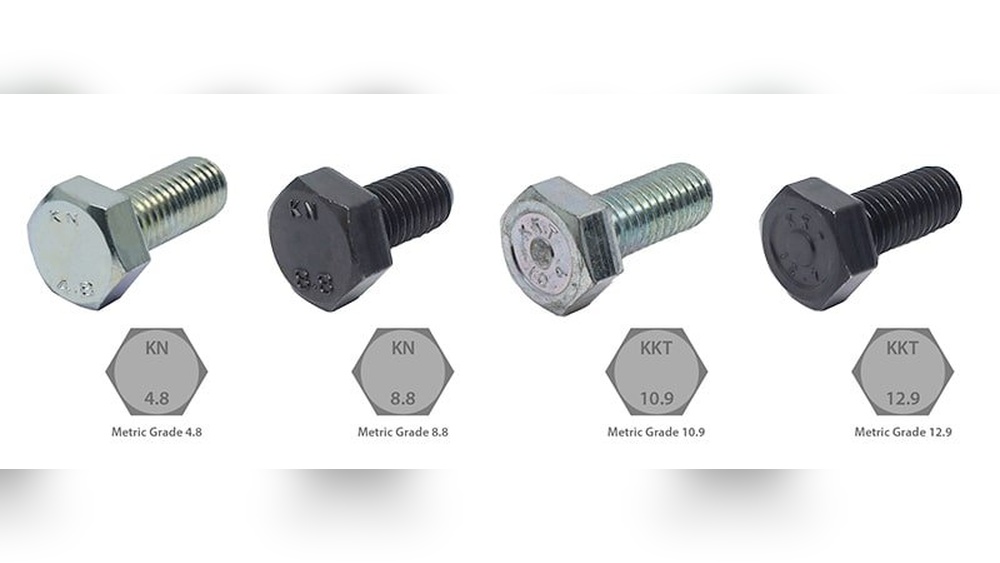
Have you ever wondered what fasteners really mean and why they are so important in everyday life? Whether you’re fixing something at home or working on a big project, fasteners play a key role in holding things together.
Understanding what fasteners are can save you time, money, and frustration. You’ll discover exactly what fasteners mean, the different types you might come across, and how they make your tasks easier. Keep reading to unlock the simple secrets behind these tiny but powerful tools.
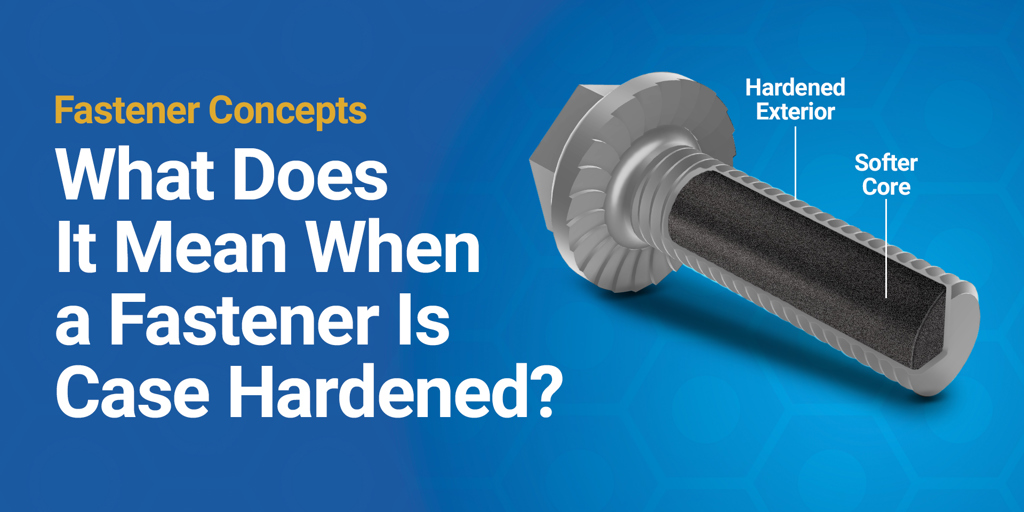
Credit: www.earnestmachine.com
Fasteners Basics
Fasteners play a crucial role in construction, manufacturing, and everyday repairs. They help hold objects together securely. Understanding the basics of fasteners can make tasks easier and more efficient.
Fasteners come in many shapes and sizes. They include screws, nuts, bolts, and nails. Each type serves a specific purpose. Knowing their functions helps choose the right one for a job.
What Are Fasteners
Fasteners are devices used to join two or more objects. They create a strong bond without damaging materials. They can be temporary or permanent.
Common fasteners include screws, bolts, nuts, washers, and rivets. They keep parts in place and ensure stability. Fasteners are essential in many industries, from furniture making to automotive repair.
Common Materials Used
Fasteners come in different materials to suit various uses. Steel is the most common material. It offers strength and durability.
Stainless steel resists rust and corrosion. It is perfect for outdoor or wet environments. Brass fasteners provide good conductivity and resistance to corrosion.
Plastic fasteners are lightweight and non-conductive. They work well in electronics and light-duty tasks. Choosing the right material extends the life of fasteners and the items they hold together.

Credit: ell.stackexchange.com
Types Of Fasteners
Fasteners hold parts together in many types of projects. They come in many shapes and sizes. Each type fits a special use. Knowing the types helps choose the right one for the job.
Here are the main types of fasteners you will find in most toolkits and construction sites.
Bolts And Screws
Bolts and screws are very common. Both have threads that grip materials tightly. Bolts usually need a nut to hold parts together. Screws can go directly into wood or metal. They come in many sizes and shapes for different tasks.
Nuts And Washers
Nuts are fasteners with a hole and internal threads. They fit onto bolts to lock parts in place. Washers are thin discs placed under nuts or bolt heads. They spread the load and protect surfaces from damage. Both help make secure connections.
Rivets And Pins
Rivets join materials by deforming one end after insertion. They create a strong, permanent hold. Pins keep parts aligned or act as simple fasteners. They can be removed and reused. Both types work well for metal and plastic parts.
Clips And Clamps
Clips hold parts together without tools. They snap or slide into place. Clamps apply pressure to hold parts temporarily or during assembly. Both are useful for quick fixes or when fast removal is needed.
Fastener Applications
Fasteners play a crucial role in many industries. They hold parts together and ensure stability. Different types of fasteners serve various purposes. Understanding their applications helps to see their importance in daily life.
Construction And Building
Fasteners are essential in construction. Nails, screws, and bolts secure wood, metal, and concrete. They keep buildings strong and safe. Without proper fasteners, structures could weaken or collapse. Fasteners also speed up the building process.
Automotive Industry
Cars need many fasteners for assembly. Bolts and screws hold engine parts and body panels together. Fasteners must resist vibration and heat. They ensure safety and performance in vehicles. Correct fasteners extend the life of a car.
Electronics And Appliances
Small fasteners connect parts inside electronics. They keep circuit boards and components in place. Fasteners allow easy repair and upgrades. Appliances like refrigerators and washing machines use them too. Precision and strength are vital in these fasteners.
Furniture Assembly
Fasteners join wooden or metal furniture pieces. Screws and bolts provide sturdy connections. They help furniture last longer and hold weight. Easy-to-use fasteners allow quick assembly at home. Proper fasteners improve furniture safety and durability.
Choosing The Right Fastener
Choosing the right fastener is key to making a strong, lasting connection. Fasteners hold parts together, so picking the best one affects safety and durability. Different jobs need different fasteners. This section helps you understand what to consider before selecting one.
Material Compatibility
Fasteners must match the materials they join. Metals need metal fasteners to avoid rust or damage. Wood needs screws or nails made for wood. Using the wrong fastener can cause cracking or weakening. Always check if the fastener suits the material type.
Load And Strength Requirements
Consider how much weight the fastener must hold. Heavy loads need strong fasteners like bolts or heavy-duty screws. Light loads can use smaller or lighter fasteners. Overloading a fastener can cause failure and safety issues. Choose one with the right strength for the job.
Environmental Considerations
Think about where the fastener will be used. Outdoors means exposure to rain, sun, and cold. Use rust-resistant fasteners like stainless steel or coated ones. Indoor fasteners can be less resistant but still durable. Some environments need special fasteners to resist chemicals or heat.
Installation Techniques
Installation techniques for fasteners are essential for strong and lasting connections. Using the right methods ensures safety and efficiency in any project. Proper installation prevents damage and keeps structures secure.
Proper Tools And Equipment
Select tools that fit the fastener type and size. Common tools include screwdrivers, wrenches, and drills. Using the correct equipment avoids stripping or damaging fasteners. Keep tools clean and in good condition for better results.
Torque And Tightening Methods
Apply the right amount of torque to avoid loose or over-tightened fasteners. Use torque wrenches for accuracy. Follow manufacturer guidelines for torque settings. Tighten fasteners in a sequence if required, to distribute pressure evenly.
Safety Tips
Wear protective gear like gloves and goggles during installation. Ensure the work area is well-lit and free of hazards. Avoid rushing to prevent mistakes and injuries. Double-check fasteners after installation for secure fitting.
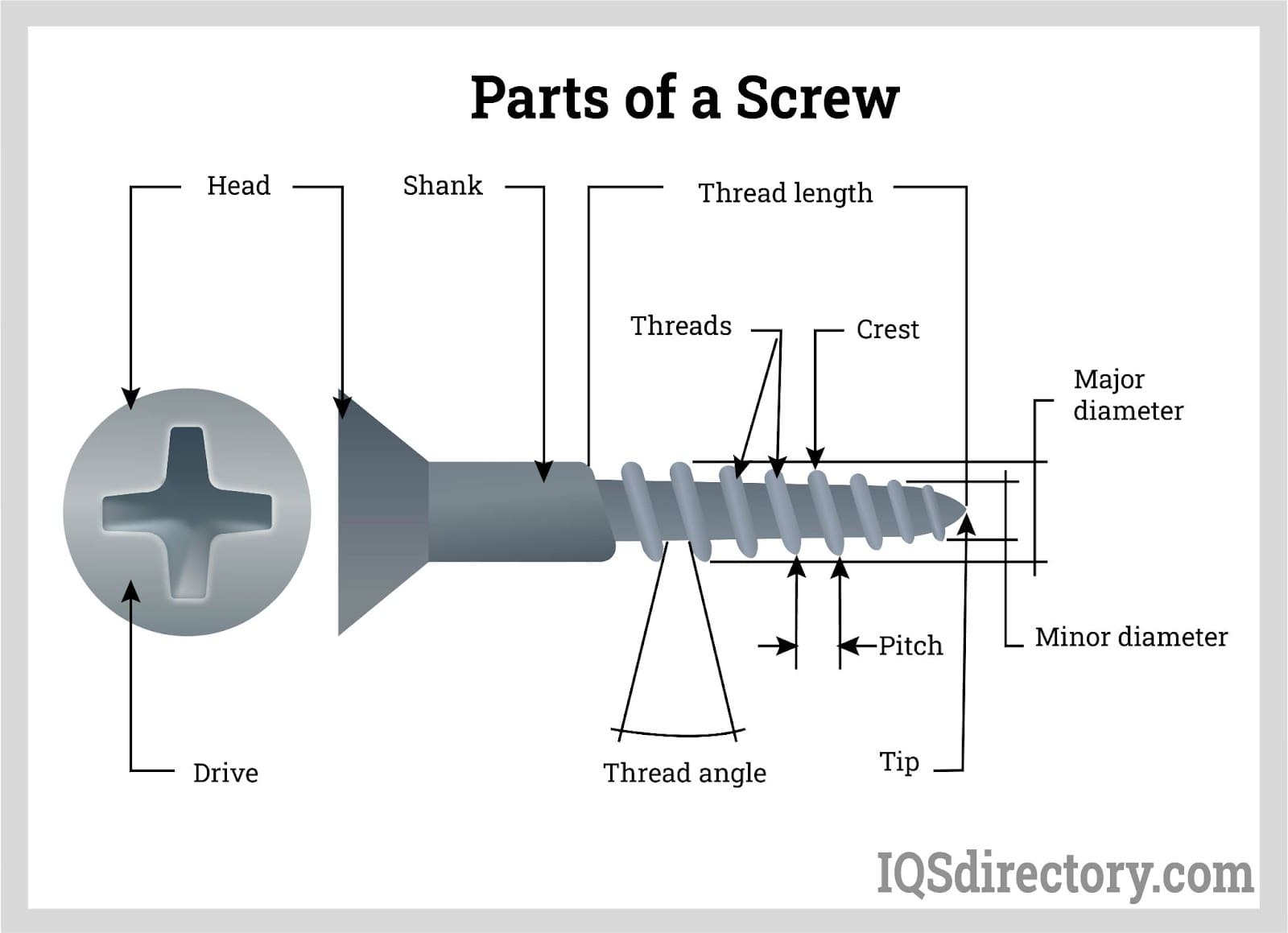
Credit: www.iqsdirectory.com
Maintenance And Inspection
Maintenance and inspection of fasteners are key to keeping machines safe and working well. Fasteners hold parts together. If they fail, machines can break or cause accidents. Regular checks help find problems early and avoid bigger issues.
Fasteners face stress and wear from use. Dirt and rust can build up. This weakens the parts. Careful inspection looks for signs of damage. Fixing or replacing fasteners on time keeps everything secure.
Signs Of Wear And Damage
Check fasteners for cracks, rust, or bending. Look for loose or missing parts. Worn threads or stripped heads show damage. Any change in shape or color can mean trouble. Early signs need quick action to stop failure.
Replacement Guidelines
Replace fasteners that show wear or damage. Use the correct size and type. Follow manufacturer advice for material and strength. Never reuse fasteners meant for one-time use. Proper replacement keeps the machine safe and strong.
Preventive Measures
Keep fasteners clean and dry. Use lubricants to stop rust and corrosion. Tighten fasteners to the right torque. Regularly inspect according to the machine’s schedule. Prevention avoids costly repairs and extends machine life.
Frequently Asked Questions
What Are Fasteners Used For In Construction?
Fasteners join two or more objects securely. They ensure structural stability and safety in construction projects. Common fasteners include screws, bolts, and nails.
How Do Fasteners Differ From Adhesives?
Fasteners physically hold materials together. Adhesives bond surfaces chemically. Fasteners allow disassembly, while adhesives typically create permanent bonds.
What Materials Are Fasteners Commonly Made Of?
Fasteners are often made from steel, stainless steel, brass, or aluminum. Material choice depends on strength needs and corrosion resistance requirements.
Why Is Fastener Size Important?
Fastener size affects strength and fit. Using the correct size prevents damage and ensures secure connections in any application.
Conclusion
Fasteners hold things tightly together. They come in many types and sizes. Choosing the right fastener matters for strong and safe connections. Knowing fasteners helps in building, fixing, and creating. They play a small but important role in daily life.
Understanding their use can save time and effort. Keep fasteners in mind for your next project. Simple yet essential parts that keep things joined.


