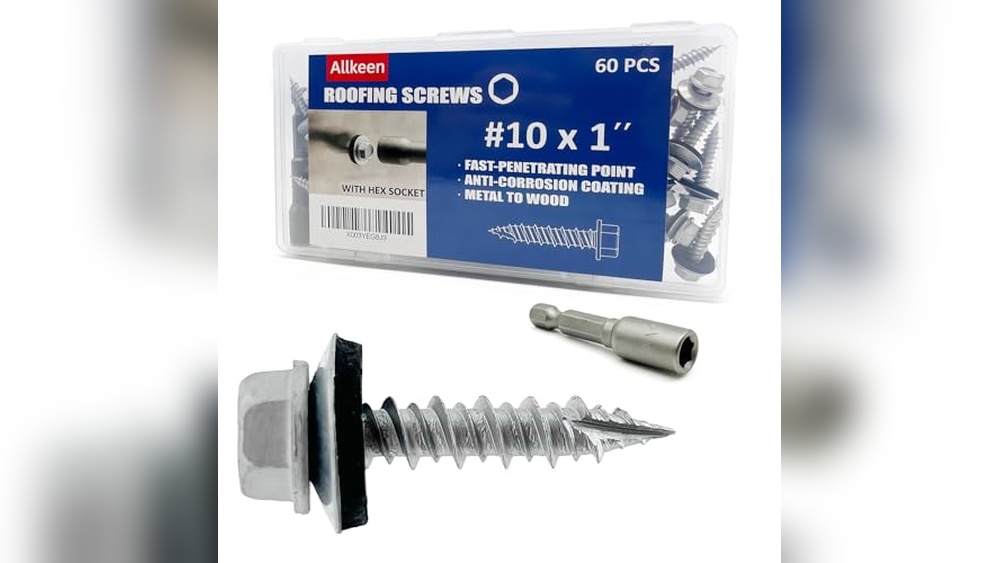
Have you ever wondered what a fastener really means and why it’s so important in everyday life? Whether you’re fixing something around the house or working on a big project, understanding fasteners can save you time and frustration.
You’ll discover exactly what a fastener is, how it works, and why it’s a small part that makes a huge difference. Keep reading, and you’ll never look at screws, bolts, or nails the same way again.
Fastener Basics
Fasteners are small but crucial parts in many projects and products. They hold things together and keep structures strong. Understanding the basics of fasteners helps you choose the right one for your task.
Fasteners come in many types and sizes. Each type serves a different purpose. Knowing their materials and uses can save time and improve results.
Definition And Purpose
A fastener is a device that joins two or more objects. It creates a strong connection that can be temporary or permanent. Common fasteners include screws, bolts, nuts, and nails.
The main purpose is to keep parts together securely. Fasteners allow easy assembly and disassembly. They help build everything from furniture to machines.
Common Materials
Fasteners are made from various materials. Steel is the most common due to its strength and durability. Stainless steel resists rust and works well outdoors.
Other materials include brass, aluminum, and plastic. Brass is good for decorative uses. Aluminum is lightweight and corrosion-resistant. Plastic fasteners suit light-duty tasks.

Credit: ell.stackexchange.com
Types Of Fasteners
Fasteners are essential in joining materials securely. They come in many types, each serving a special purpose. Understanding these types helps choose the right fastener for any job. Below are the main types of fasteners used in different projects.
Bolts And Screws
Bolts and screws are common fasteners that hold objects tightly. Bolts usually need a nut to secure them. Screws are self-threading and cut into the material. Both types come in many sizes and shapes. They provide strong, reliable fastening for wood, metal, and plastic.
Nuts And Washers
Nuts and washers work with bolts and screws. Nuts fasten onto bolts to lock parts together. Washers go under nuts or bolt heads to spread pressure. They help prevent damage and looseness. These small parts improve the strength of the joint.
Rivets And Pins
Rivets and pins join materials permanently or temporarily. Rivets are pushed through holes and deformed to hold parts. They are common in metalwork and construction. Pins fit into holes to hold parts but can be removed. Both provide solid, stable connections.
Clips And Clamps
Clips and clamps fasten without screws or bolts. Clips snap into place to hold thin parts. Clamps squeeze objects tightly for a secure fit. These fasteners allow quick assembly and easy removal. They work well in automotive and electrical applications.
Choosing The Right Fastener
Choosing the right fastener is key to a strong, lasting connection. The correct fastener ensures safety, durability, and performance. It depends on many factors like the materials joined and the environment where it will be used. This guide helps you pick the best fastener for your project.
Material Compatibility
Fasteners must match the materials they connect. Metal fasteners suit metal parts. Wood screws fit wooden surfaces better. Using incompatible materials can cause damage or weaken the joint. Check if the fastener will react with the materials. Avoid rust or corrosion by choosing compatible metals.
Load Requirements
Consider the force the fastener must hold. Heavy loads need strong, thick fasteners. Light loads can use smaller, simpler fasteners. Think about tension, shear, and vibration forces. Pick a fastener that can handle these stresses without breaking or loosening.
Environmental Factors
The environment affects fastener choice too. Outdoor use needs rust-resistant fasteners. Use stainless steel or coated fasteners in wet or salty areas. High temperatures or chemicals also require special fasteners. Choose materials designed to resist these conditions for longer life.
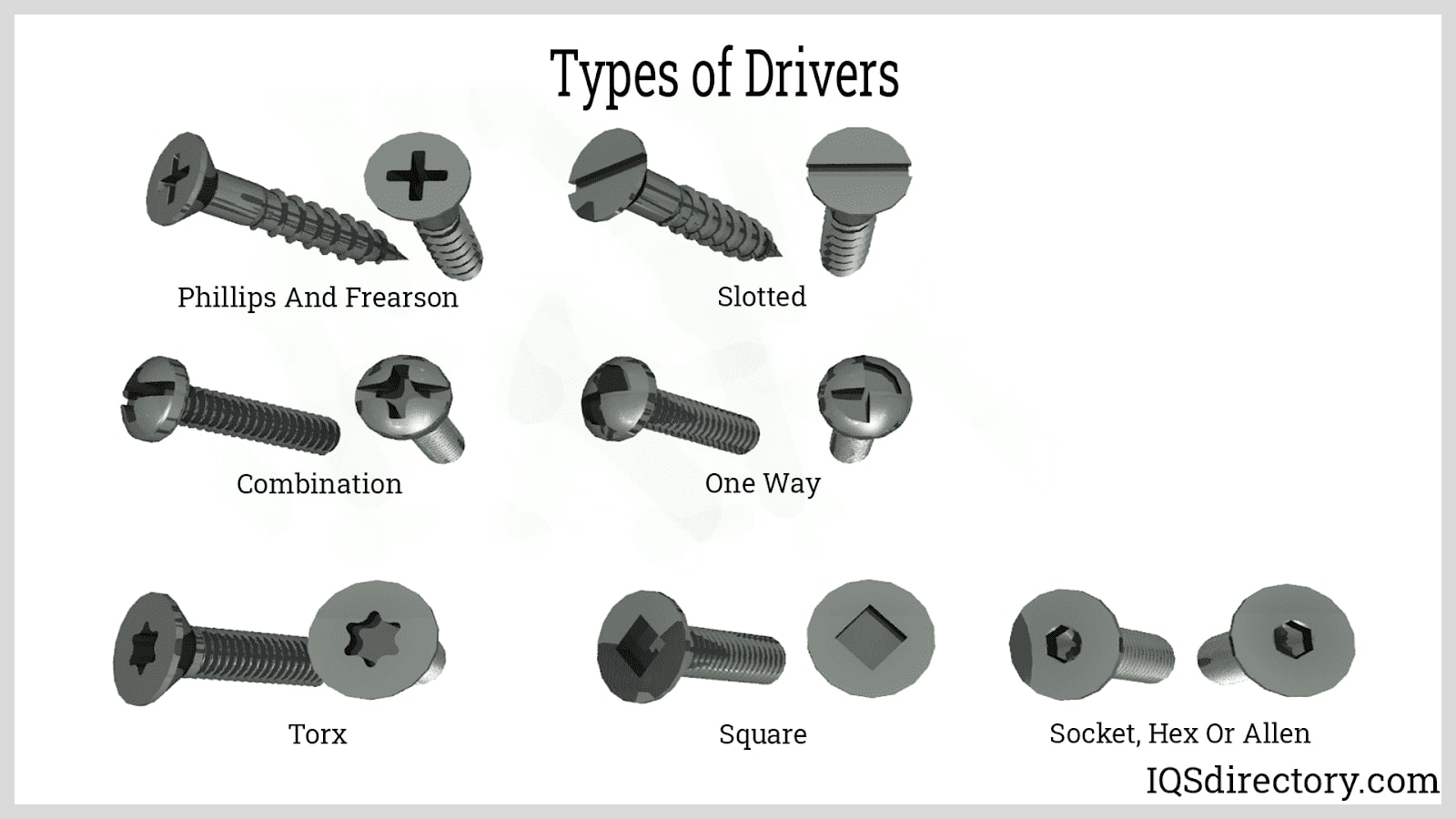
Credit: www.iqsdirectory.com
Fastener Applications
Fasteners play a key role in many industries. They hold parts together and make structures strong. Fasteners come in many shapes and sizes. Each type fits a different use. Understanding where fasteners are used helps to see their value.
They join materials like metal, wood, and plastic. Fasteners help build, fix, and connect objects. The following examples show common fastener applications.
Construction And Building
Fasteners are essential in construction. Nails, screws, and bolts secure walls, roofs, and floors. They hold beams and panels tightly. Fasteners keep buildings safe and stable. They make assembling and repairing easier and faster.
Automotive Industry
Cars need many fasteners to stay together. Bolts and screws hold engines and body parts. Fasteners keep seats and panels in place. They help with easy vehicle repairs. Strong fasteners ensure safety on the road.
Electronics And Appliances
Small fasteners join parts inside devices. Screws fix circuit boards and covers. Fasteners help assemble phones, TVs, and machines. They allow quick opening for repairs. Reliable fasteners protect delicate electronic parts.
Furniture Assembly
Furniture uses fasteners for strength and style. Screws and bolts hold tables, chairs, and beds. Fasteners make building and moving furniture simple. They keep joints tight and prevent wobbling. Easy-to-use fasteners save time and effort.
Installation Tips
Installing fasteners correctly is key to strong and lasting connections. Simple steps can make the process easier and safer. This section covers essential tips to help you install fasteners with confidence and precision.
Tools And Techniques
Select the right tools for the fastener type and material. Use screwdrivers, wrenches, or power drills depending on the fastener. Hand tools provide control; power tools save time.
Always check tool condition before starting. Sharp bits and clean sockets work best. Align fasteners straight to avoid damage. Tighten fasteners firmly but do not over-tighten.
Safety Precautions
Wear safety glasses to protect your eyes from debris. Gloves can protect hands from sharp edges and pinches. Secure your workpiece to prevent slipping.
Keep your workspace clean and free of hazards. Follow manufacturer instructions for tool and fastener use. Stop immediately if something feels wrong or unsafe.

Credit: allpointsfasteners.com
Maintaining Fasteners
Maintaining fasteners is key to keeping structures and machines safe and strong. Fasteners like screws, bolts, and nuts hold parts together. Over time, they can wear out or get damaged. Proper care helps them last longer and work better.
Inspection And Replacement
Check fasteners regularly for signs of damage. Look for cracks, rust, or looseness. Tighten any loose fasteners to avoid failure. Replace fasteners that show wear or corrosion. Using damaged fasteners can cause accidents or breakdowns. Keep a routine inspection schedule for safety.
Preventing Corrosion
Corrosion weakens fasteners and reduces their strength. Use protective coatings like paint or zinc plating. Store fasteners in dry places to avoid moisture. Clean fasteners to remove dirt and salt. Applying lubricants can also protect against rust. These steps extend the life of fasteners and keep them reliable.
Frequently Asked Questions
What Is The Primary Function Of A Fastener?
A fastener joins two or more objects securely. It ensures structural stability and ease of assembly or disassembly. Common fasteners include screws, bolts, and nails. They are essential in construction, manufacturing, and everyday repairs.
What Types Of Materials Are Fasteners Made From?
Fasteners are typically made from metal, plastic, or composite materials. Steel and stainless steel are most common for strength and durability. Plastic fasteners resist corrosion and are used in lightweight applications. Material choice depends on usage requirements and environmental factors.
How Do Fasteners Differ From Adhesives?
Fasteners provide mechanical joining, while adhesives bond chemically. Fasteners allow easy disassembly; adhesives usually create permanent joints. Fasteners are preferred for strength and maintenance access. Adhesives are useful for smooth surfaces and flexible bonds.
Why Are Fasteners Important In Construction?
Fasteners ensure structural integrity by securely joining components. They allow precise alignment and load distribution. Fasteners facilitate quick assembly and future repairs. Without proper fasteners, buildings and structures risk failure and safety hazards.
Conclusion
Fasteners hold things together in many ways. They come in different types and sizes. Screws, bolts, and nails are common examples. Each fastener has a special job to do. Choosing the right fastener keeps structures strong and safe. Understanding fasteners helps in building and fixing things.
Remember, simple parts can make big differences. Keep these points in mind for your next project. Fasteners may seem small, but they matter a lot.