Have you ever wondered what holds your furniture, gadgets, or even buildings together? The answer lies in something small but mighty—fasteners.
These tiny components play a huge role in keeping things secure and stable. Understanding what fasteners are and how they work can save you time, money, and frustration in your projects. Keep reading to discover the secrets behind these essential pieces and how they make your everyday life safer and more efficient.

Credit: allpointsfasteners.com
Fasteners Basics
Fasteners are small but essential parts used to hold objects together. They keep things tight and secure. Understanding the basics of fasteners helps in choosing the right one for any task. This section explains what fasteners are, the materials they come from, and their common shapes and sizes.
Definition And Purpose
Fasteners are devices that join two or more objects together. They create a strong bond that can be temporary or permanent. Their main purpose is to hold parts in place and prevent movement. Examples include screws, bolts, and nails. They are used in construction, machinery, and everyday items.
Materials Used
Fasteners come in many materials depending on their use. Steel is the most common because it is strong and durable. Stainless steel resists rust and is good for outdoor use. Aluminum is light and used where weight matters. Plastic fasteners exist too, often in electronics or light applications.
Common Shapes And Sizes
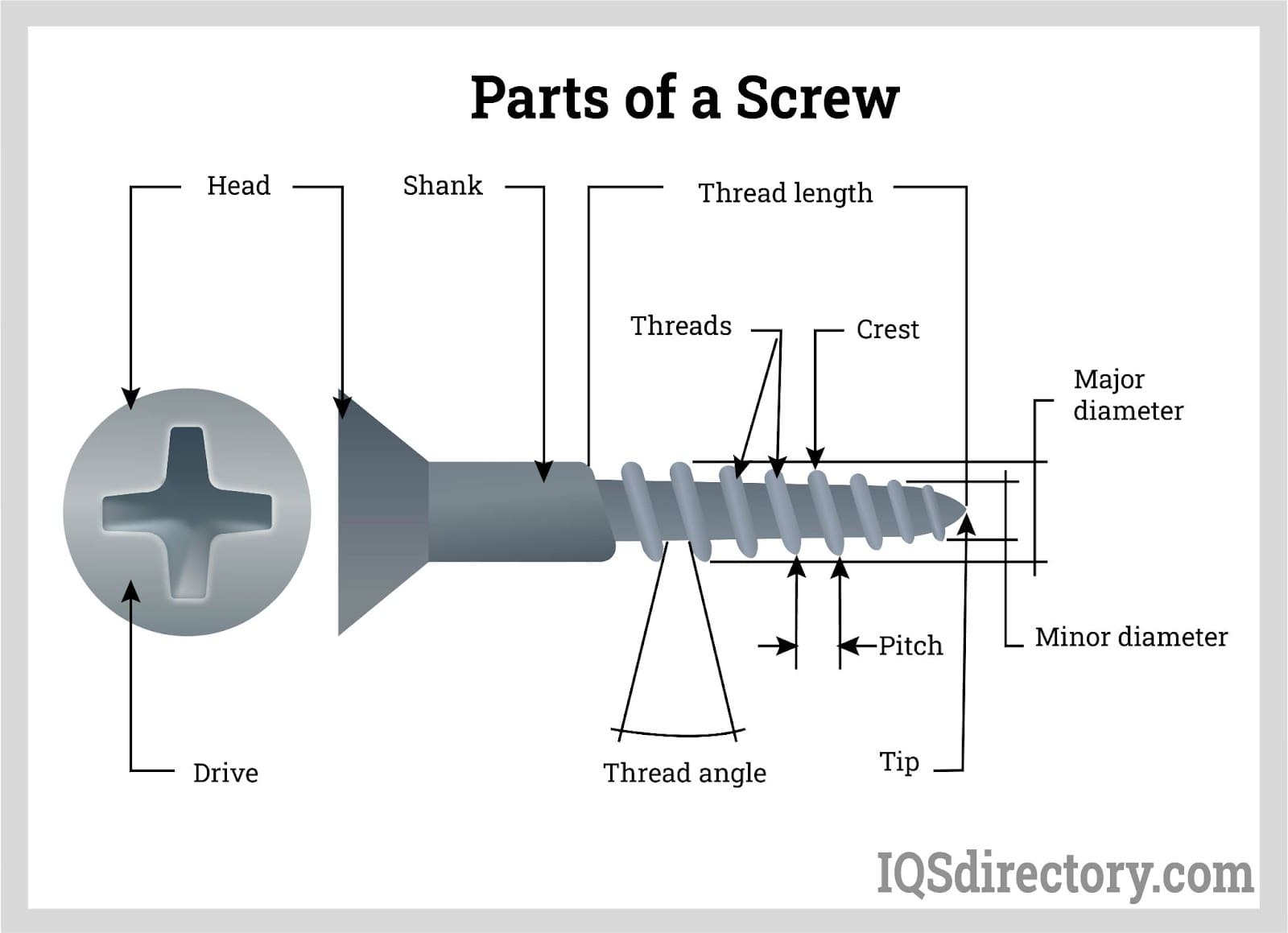
Fasteners have many shapes to fit different needs. Screws usually have a spiral thread and a pointed end. Bolts are similar but have flat ends and need nuts. Nails are smooth and sharp. Sizes vary from tiny screws used in glasses to large bolts for bridges. Choosing the right shape and size is important for strength and fit.
Credit: www.iqsdirectory.com
Mechanical Fasteners
Mechanical fasteners hold parts together without glue or welding. They create strong joints that can be taken apart if needed. These fasteners come in many shapes and sizes, each designed for a specific task.
Using mechanical fasteners allows easy repair and maintenance. They are common in machines, buildings, and everyday objects. Understanding the main types helps in choosing the right fastener for any project.
Bolts And Screws
Bolts and screws are threaded fasteners that fit into holes. Bolts usually need a nut to hold parts tightly. Screws thread directly into the material or a pre-made hole. Both provide strong, reliable connections in wood, metal, and plastic.
Nuts And Washers
Nuts are small, hexagonal pieces that screw onto bolts. They lock the bolt in place and stop it from loosening. Washers sit under nuts or bolt heads. They spread the load and protect surfaces from damage.
Rivets And Pins
Rivets join materials by being hammered or pressed. They create permanent, strong bonds that do not loosen. Pins hold parts aligned or act as simple fasteners. Both are used when bolts or screws are not suitable.
Non-mechanical Fasteners
Non-mechanical fasteners join materials without using screws, bolts, or nails. They rely on chemical or thermal processes to hold parts together. These fasteners often create a smooth surface and prevent damage to delicate items. They work well for many materials, including plastics, metals, and wood.
Adhesives
Adhesives are substances that bond surfaces by sticking them together. They come in many forms, such as liquid glue, paste, or film. Adhesives create strong bonds that can resist water and heat. They are used in crafts, construction, and manufacturing. Choosing the right adhesive depends on the materials and the strength needed.
Tapes And Glues
Tapes and glues are common types of adhesives. Tapes have a sticky side that holds objects without drying time. Glues usually need time to dry or cure. Both are easy to use and remove in some cases. They provide quick fixes and can hold lightweight to medium-weight items. Many kinds of tapes and glues fit different tasks.
Welding And Soldering
Welding and soldering join metals by melting and fusing them together. Welding melts the base metals to form a strong bond. Soldering uses a filler metal with a lower melting point. These methods create permanent, durable joints. They are essential in automotive, electronics, and metalwork industries. Safety gear is important during these processes.
Specialty Fasteners
Specialty fasteners serve unique purposes in many industries. They are not the usual bolts or screws. These fasteners solve specific problems with tailored designs. They often provide extra strength, security, or ease of use. Understanding these can help choose the right fastener for tough jobs.
Locking Fasteners
Locking fasteners prevent loosening from vibration or movement. They hold parts tightly even under stress. Common types include lock nuts, lock washers, and thread-locking adhesives. These fasteners keep machines and vehicles safe and reliable. They reduce the need for frequent checks and repairs.
Snap Fits
Snap fits join parts without tools or additional fasteners. They use flexible tabs that snap into place. This makes assembly quick and easy. Snap fits are common in plastic products and electronics. They allow parts to be taken apart and reused without damage.
Threaded Inserts
Threaded inserts provide strong, reusable threads in soft materials. They are placed inside plastic or wood parts. These inserts allow screws to be removed and reinserted many times. They increase durability and prevent wear. Threaded inserts are essential in electronics and furniture assembly.
Choosing The Right Fastener
Choosing the right fastener is important for any project. The correct fastener keeps parts secure and safe. Picking the wrong one can cause damage or failure. Several factors help decide which fastener fits best.
Load And Strength Considerations
Fasteners must handle the load of the parts they join. Consider the weight and pressure on the fastener. Stronger fasteners suit heavy or moving parts. Lighter fasteners work for small or less stressed joints. Match the fastener’s strength to the job’s needs.
Environmental Factors
Fasteners face different environments. Some work well indoors, others outdoors. Moisture, temperature, and chemicals affect fastener choice. Rust-resistant fasteners last longer in wet places. Heat-resistant fasteners handle high temperatures. Choose fasteners that resist the environment’s effects.
Material Compatibility
Fasteners must match the materials they join. Metal fasteners fit metal parts best. Wood screws hold well in wooden pieces. Avoid fasteners that cause corrosion with certain materials. Check if metals will react or weaken. Use fasteners made for the materials used.
Fastener Applications
Fasteners play a key role in many industries. They join parts together securely. Each industry uses fasteners in different ways. Understanding these uses shows how important fasteners really are.
Construction And Building
Fasteners hold building materials in place. Nails, screws, and bolts secure wood, metal, and concrete. They keep walls, roofs, and floors stable. Without strong fasteners, buildings would be unsafe. Fasteners also help in installing doors and windows.
Automotive Industry
Cars need many fasteners to stay together. Bolts and screws join the engine parts. Fasteners keep the body panels fixed tightly. They help in assembling seats and dashboards. Reliable fasteners ensure vehicle safety and durability.
Electronics And Appliances
Small fasteners are essential in electronics. They hold circuit boards and components inside devices. Screws keep the casing closed and secure. Fasteners allow easy repairs and upgrades. Without them, devices could fall apart quickly.
Installation And Maintenance Tips
Installing and maintaining fasteners correctly ensures strong and lasting connections. Proper care prevents damage and keeps structures safe. Follow simple steps to improve the life of your fasteners.
Proper Tools And Techniques
Choose the right tools for each fastener type. Use screwdrivers, wrenches, or drills that fit well. Tighten fasteners just enough to hold parts firmly. Avoid over-tightening to prevent stripping or breaking.
Apply even pressure during installation. Keep fasteners straight to avoid misalignment. Clean surfaces before attaching fasteners for better grip.
Inspection And Replacement
Check fasteners regularly for signs of wear or damage. Look for rust, cracks, or loose parts. Replace any fastener that looks weak or broken. Use similar size and type replacements for safety.
Regular inspections catch problems early. This prevents bigger repairs and keeps everything secure.
Preventing Corrosion
Keep fasteners dry and clean to reduce rust risk. Use protective coatings like paint or anti-rust sprays. Choose stainless steel or coated fasteners for wet areas.
Store unused fasteners in dry places. Corrosion weakens fasteners and can cause failure over time.

Credit: en.wikipedia.org
Frequently Asked Questions
What Are Fasteners Used For In Construction?
Fasteners join two or more objects securely in construction. They provide stability and support in buildings and structures. Common fasteners include nails, screws, and bolts. They ensure materials stay connected under various forces.
What Types Of Fasteners Are Most Common?
Common fasteners include screws, bolts, nuts, nails, and rivets. Each type suits different materials and applications. Screws are ideal for wood, bolts for heavy-duty connections. Choosing the right fastener ensures durability and strength.
How Do Fasteners Differ From Adhesives?
Fasteners physically join materials using mechanical force. Adhesives bond materials chemically without hardware. Fasteners allow disassembly, while adhesives create permanent bonds. Selection depends on project needs and material types.
Can Fasteners Be Reused Or Are They Single-use?
Many fasteners like bolts and screws can be reused if undamaged. Nails and rivets are often single-use due to deformation during removal. Proper removal techniques help preserve fastener integrity for reuse in some cases.
Conclusion
Fasteners hold things together in many ways. They come in different types like screws, bolts, and nails. Each type fits a specific need and material. Choosing the right fastener keeps objects safe and strong. Understanding fasteners helps with repairs and building projects.
They play a small but important role in daily life. Knowing their use makes work easier and results better. Fasteners connect parts simply and effectively. They are everywhere, helping things last longer.