Have you ever struggled with your shoes slipping off or felt unsure about the best way to secure them? Lace fastening might be the simple solution you’re missing.
It’s more than just tying a knot—it’s about comfort, support, and even style. You’ll discover what lace fastening really means and how mastering it can make a big difference in your daily life. Keep reading to unlock the secrets that will change the way you wear your shoes forever.

Credit: twolittlefeet.sg
Types Of Lace Fastening
Lace fastening styles vary widely to suit different needs and looks. Each method changes how laces hold shoes or garments together. Some styles focus on ease, others on appearance or tightness.
Understanding these types helps in choosing the best one for comfort and style. Below are popular lace fastening methods commonly used today.
Classic Crisscross
The classic crisscross is the most common lace fastening style. Laces cross over each other in a zigzag pattern. This method provides a strong and secure fit. It works well for most shoes and boots. Easy to tie and adjust, it suits everyday use.
Straight Bar Lacing
Straight bar lacing creates a clean, neat look with horizontal bars. The laces run straight across without crossing. It is often used for dress shoes and formal wear. This style reduces pressure points on the foot. It gives a simple and elegant appearance.
Loop, Twist, And Lock
This method uses loops and twists to lock the lace in place. It adds extra grip and prevents loosening. Ideal for sports and hiking shoes needing firm support. The laces wrap around each other creating a secure hold. It keeps shoes tight during active movements.
Hidden Knot Techniques
Hidden knot techniques hide the lace knots inside the shoe or garment. This creates a smooth and clean outer look. Popular in fashion and minimalist designs. It avoids knot bulges that can cause discomfort. This style is neat and discreet, perfect for sleek appearances.

Credit: www.widerfitshoes.co.uk
Materials For Lace Fastening
Choosing the right material for lace fastening affects comfort and durability. Different materials offer unique benefits. Some are strong and long-lasting. Others provide flexibility or style. Understanding these materials helps pick the best lace for your needs.
Leather Laces
Leather laces are sturdy and classic. They add a natural look to shoes. These laces last long and resist wear. Over time, they soften and fit well. Leather laces suit boots and casual shoes. They offer a traditional style with strong support.
Cotton And Synthetic Options
Cotton laces are soft and easy to tie. They come in many colors and patterns. Cotton absorbs moisture but can wear out faster. Synthetic laces use materials like nylon or polyester. They resist water and dry quickly. Synthetic laces are strong and keep shape well. Both types are common in sneakers and casual wear.
Elastic And Stretch Laces
Elastic laces stretch for a snug fit. They make shoes easy to slip on and off. These laces reduce pressure on feet. Elastic options work well for sports and kids’ shoes. They combine comfort with convenience. Stretch laces keep tension without constant tying.
Choosing The Right Lace Length
Choosing the right lace length is important for comfort and style. Too short laces can be frustrating and too long laces look messy. The correct length keeps your shoes secure and neat. It depends on the type of shoe and how many eyelets it has. Understanding lace length helps you pick the best fit for your footwear.
Measuring For Different Footwear
Shoes have different numbers of eyelets. Count the eyelets on one side to find the right lace length. For low-top shoes, shorter laces work well. High-top shoes need longer laces. Measure the laces on your current shoes or use a tape measure along the lacing path. This gives a good estimate for new laces.
Adjusting Lace Length For Style
Lace length can change the look of your shoes. Shorter laces create a clean, tight appearance. Longer laces allow for creative lacing styles and loops. You can wrap laces around the ankle for extra flair. Remember, style should not sacrifice comfort. Adjust laces to fit snugly but not too tight.
Credit: blog.v12footwear.com
Step-by-step Lace Fastening Methods
Step-by-step lace fastening methods help you tie your shoes properly. Proper lacing keeps your shoes comfortable and secure. It also prevents your laces from coming undone during activities.
This guide shows clear steps. Each step ensures your laces stay tight and neat.
Preparing The Shoe
Start by placing the shoe on a flat surface. Hold both lace ends evenly. Check if the laces are straight and untwisted. Make sure the laces pass through all eyelets properly. This helps avoid uneven tension later.
Tying Secure Knots
Begin with a simple knot by crossing the laces. Pull the ends tight to secure the base knot. Make loops with each lace end. Cross the loops and pull one through the hole. Tighten the bow by pulling both loops evenly. Double knot if extra security is needed.
Preventing Slippage
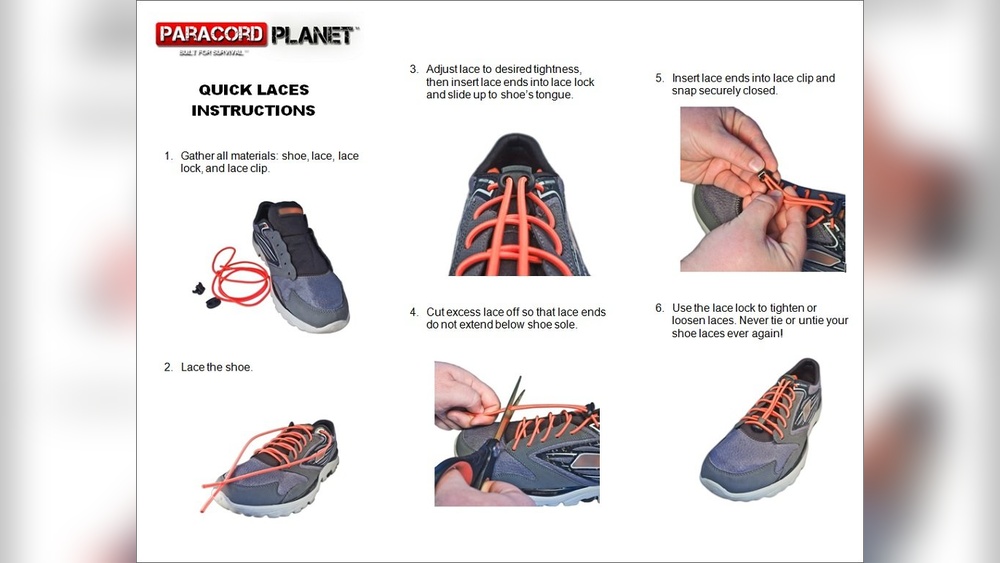
To stop laces from slipping, tighten them firmly. Avoid leaving loose ends that can catch on objects. Tuck the lace ends under the tied loops. Use lace locks or elastic laces for added grip. Regularly check your laces during activities to keep them tight.
Lace Fastening For Different Activities
Lace fastening plays a vital role in how shoes fit and feel. Different activities need different types of lace fastening. Choosing the right style helps with comfort and support. It also keeps shoes secure during movement. Below are common lace fastening styles for various activities.
Everyday Wear
For everyday shoes, simple lacing works best. It allows easy on and off. The standard criss-cross pattern is popular. It offers a balanced fit for casual walks and daily tasks. People often choose laces that match shoe colors. This keeps the look neat and tidy. Comfort and convenience are the main goals here.
Sports And Outdoor
Sports shoes need strong and tight lacing. Lock lacing or runner’s tie methods provide extra hold. These prevent the foot from slipping inside the shoe. Hiking boots use speed laces or hooks to tighten quickly. These lacing styles offer stability on rough paths. They help avoid injuries and improve performance. Breathable laces can also help keep feet cool.
Formal And Fashion
Formal shoes often use straight bar lacing. This style looks clean and elegant. It fits well with dress codes and suits. Thin, waxed laces add a polished touch. Fashion shoes might use decorative lacing patterns. These include ladder or loop lacing. They make shoes stand out while staying secure. The goal is style with enough comfort for long wear.
Troubleshooting Common Lace Problems
Lace fastening can sometimes cause small problems that affect comfort and fit. These issues are common but easy to fix. Understanding these problems helps keep your laces working well.
Below are some common lace problems and simple ways to solve them. Fixing these keeps your footwear snug and comfortable all day.
Loose Laces
Loose laces make shoes feel unstable and unsafe. To fix loose laces, tighten the knots firmly. Double knotting helps keep laces secure for longer. Check the lace length too. Too long laces tend to loosen faster and drag on the ground.
Uneven Tightness
Uneven tightness causes discomfort and pressure points. It happens when one side is tighter than the other. Adjust each side step by step for even tension. Pull laces evenly from bottom to top. This balances pressure and improves comfort.
Fraying And Wear
Fraying laces weaken and can break easily. Watch for worn spots and loose threads. Replace laces when fraying appears to avoid sudden breaks. Choose durable laces made from strong materials for longer life. Regular checks prevent unexpected lace problems.
Creative And Stylish Lace Ideas
Creative and stylish lace ideas bring new life to lace fastening. They make shoes, corsets, and clothes stand out. Simple changes in lacing style can change the whole look. These ideas help express personality and add flair.
Color Coordination
Choosing lace colors that match your outfit creates harmony. Bright laces can highlight neutral clothes. Matching lace to your accessories ties the look together. Use contrasting colors for a bold statement. Color coordination keeps your style sharp and fresh.
Patterned Lacing
Patterned lacing uses different ways to thread laces. Crisscross, ladder, or zigzag patterns add interest to shoes. They make plain shoes look unique and fun. Experiment with patterns to find what fits your style. Patterned lacing shows creativity and attention to detail.
Accessorizing Laces
Add beads, charms, or clips to your laces. These small touches personalize your look. Accessories make laces more eye-catching and stylish. You can swap accessories for different moods or events. Accessorizing laces turns simple fastening into art.
Frequently Asked Questions
What Is Lace Fastening Used For?
Lace fastening secures garments, shoes, and accessories with laces. It offers adjustable fit and style flexibility. This method improves comfort and support, commonly seen in shoes, corsets, and some dresses.
How Does Lace Fastening Work?
Lace fastening works by threading laces through eyelets or hooks. Tightening or loosening the laces adjusts the fit. It creates a customizable closure that holds items firmly in place.
What Are Common Types Of Lace Fastening?
Common types include crisscross, straight bar, and ladder lacing. Each style offers different aesthetics and support levels. These variations suit various garments and personal preferences.
Why Choose Lace Fastening Over Other Closures?
Lace fastening allows precise adjustment and better fit than zippers or buttons. It also adds decorative appeal to clothing and footwear. This method is versatile and widely used in fashion.
Conclusion
Lace fastening holds shoes and clothes firmly in place. It allows easy adjustment for comfort and fit. You can find it in boots, sneakers, and dresses. This simple method suits many styles and needs. Understanding lace fastening helps you choose the right option.
It is a practical and common way to secure items. Next time you tie laces, you know why it works well. Simple, useful, and effective—lace fastening stands the test of time.