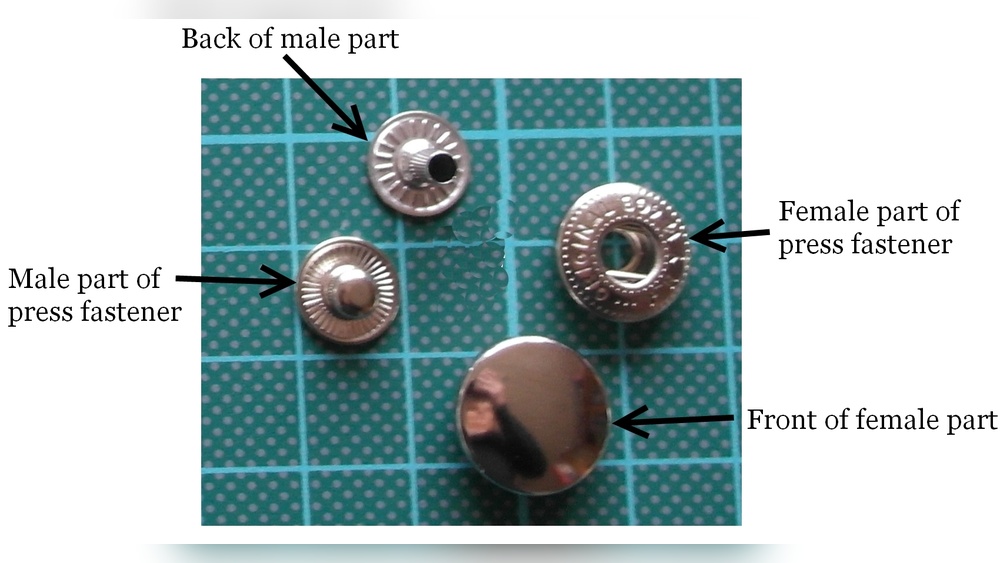
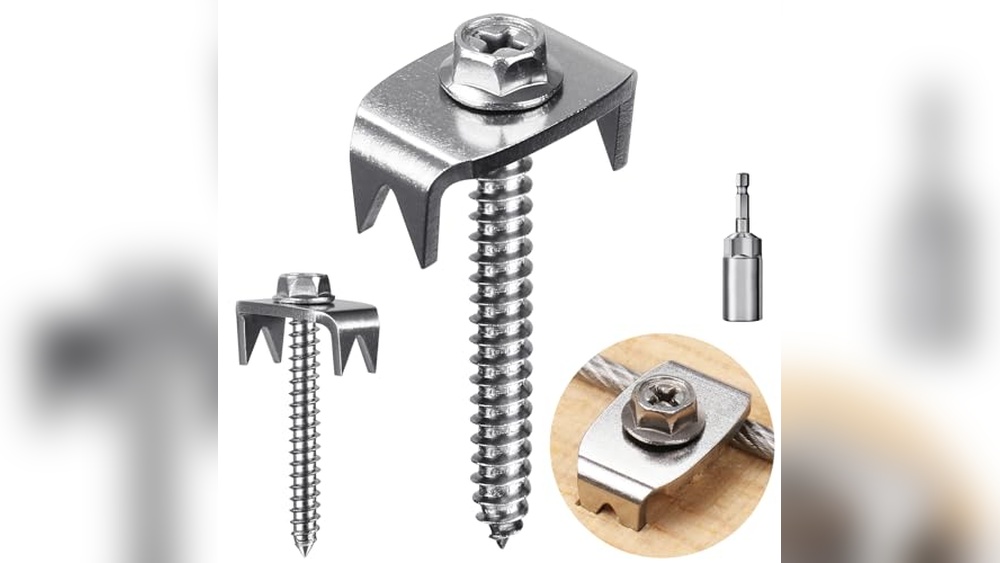
Have you ever wondered what keeps the parts of your favorite gadgets, furniture, or machines tightly held together? The answer often lies in something small but powerful: threaded fasteners.
These tiny components play a huge role in making sure everything from your car to your smartphone works smoothly and stays secure. If you want to understand how these simple pieces make a big difference in your daily life, keep reading.
You’ll discover what threaded fasteners are, why they matter, and how they can impact your projects or repairs in surprising ways.

Credit: www.mudgefasteners.com
Types Of Threaded Fasteners
Threaded fasteners are essential in many projects. They help join parts firmly and safely. Different types suit different needs. Each type has a special shape and use. Understanding these types helps you pick the right one for your job.
Bolts And Screws
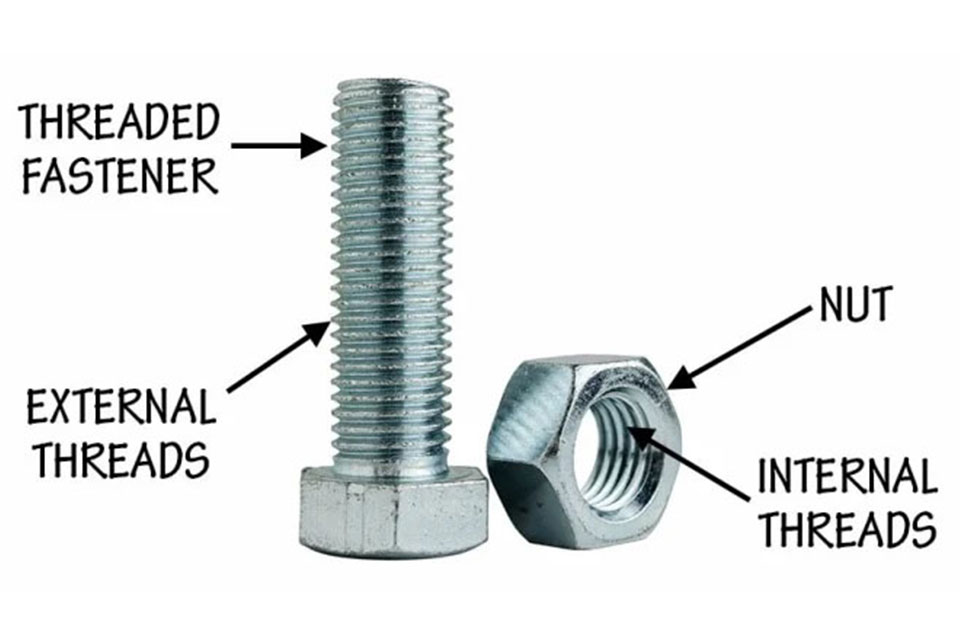
Bolts and screws are common fasteners with threads. Bolts usually need a nut to hold parts together. Screws often go directly into materials. Both come in many sizes and shapes. Their threads help grip materials tightly.
Nuts And Washers
Nuts fit onto bolts to secure parts. They have internal threads that match bolt threads. Washers are thin discs placed under nuts or bolt heads. They spread the load and protect surfaces. Washers prevent damage and loosening.
Studs And Threaded Rods
Studs are rods with threads on both ends. They connect parts without needing a bolt head. Threaded rods are long rods fully threaded. They can be cut to needed lengths. Both provide strong and adjustable connections.

Credit: forum.digikey.com
Materials Used
Threaded fasteners come in many materials. The choice depends on strength, cost, and use conditions. Material affects durability and resistance to wear and weather. Understanding these materials helps pick the right fastener for any job.
Steel Variants
Steel is the most common material for threaded fasteners. Carbon steel offers good strength and low cost. Stainless steel resists rust and corrosion well. Alloy steel fasteners provide extra strength and toughness. Each steel type suits different environments and loads.
Non-ferrous Metals
Non-ferrous metals like aluminum and brass also make fasteners. Aluminum is lightweight and resists corrosion but is less strong. Brass fasteners resist corrosion and conduct electricity. These metals work well in electronics and marine uses.
Plastic And Composite Fasteners
Plastic fasteners are light and resist chemicals. Nylon is a popular plastic for threaded fasteners. Composite fasteners mix materials to gain strength and durability. These fasteners suit low-stress and corrosive environments.
Thread Styles
Thread styles define the shape and form of the ridges on threaded fasteners. These ridges help screws and bolts hold tightly in place. Different thread styles suit different uses and materials. Choosing the right thread style ensures strong and secure connections.
Unified Thread Standard
The Unified Thread Standard (UTS) is common in the United States and Canada. It uses inch measurements. UTS threads have a 60-degree angle. They are easy to make and fit many applications. This thread style works well for general use in machinery and construction.
Metric Thread
Metric threads use millimeters to measure the thread pitch. They are popular worldwide outside the US. Metric threads also have a 60-degree angle. They are simple and precise. Metric threads fit well in machines and devices made in many countries.
Acme And Square Threads
Acme and square threads are strong and durable. Acme threads have a trapezoidal shape. They handle heavy loads and reduce wear. Square threads have a flat profile. They offer high efficiency and less friction. Both work well in power tools and lead screws.
Applications In Industries
Threaded fasteners play a vital role in many industries. They hold parts together securely and allow easy assembly and disassembly. Industries depend on these fasteners for strength and reliability. Their applications vary widely depending on the needs of each sector.
These fasteners are available in many shapes and sizes. This variety makes them useful in different environments and conditions. From heavy machinery to small electronic devices, threaded fasteners keep things connected and safe.
Automotive Uses
Threaded fasteners are essential in making cars and trucks. They secure engines, wheels, and body parts. Fasteners must withstand vibrations and heat. This ensures vehicle safety and performance. Mechanics rely on them for easy repairs and maintenance.
Construction And Infrastructure
Buildings and bridges use many threaded fasteners. They hold steel beams and concrete forms firmly. Fasteners provide stability and strength under pressure. Construction workers depend on them for quick assembly. Strong fasteners help structures last longer and resist damage.
Electronics And Appliances
Small threaded fasteners connect parts inside gadgets and machines. They keep circuit boards and panels in place. Fasteners prevent parts from moving and breaking. Appliances like refrigerators and washing machines use them too. These fasteners help devices work safely and last longer.
Choosing The Right Fastener
Choosing the right threaded fastener is important for a strong and safe connection. The right fastener holds parts together without slipping or breaking. Different jobs need different fasteners. Knowing what to consider helps pick the best one for your project.
Load And Stress Considerations
Fasteners must handle the weight and force on the parts. Choose a fastener that fits the load size. Heavy loads need strong fasteners made of tough materials. Light loads can use smaller or lighter fasteners. Think about how much stress the fastener faces. Some fasteners resist bending and twisting better than others.
Environmental Factors
Fasteners face different environments. Some work well indoors, others outdoors. Moisture, heat, and chemicals can cause rust or damage. Use stainless steel or coated fasteners in wet places. High temperatures need fasteners that keep their strength. Pick fasteners that last in the environment where they will be used.
Compatibility With Materials
Match the fastener to the material it holds. Soft materials like wood need different fasteners than metals. Using the wrong fastener can cause cracks or weak joints. Some fasteners react with certain metals and cause rust. Check if the fastener and material work well together. This choice improves strength and durability.
Installation Techniques
Installing threaded fasteners properly is key to strong and lasting connections. The right techniques ensure parts stay secure and avoid damage. Careful attention to detail during installation prevents issues later.
Good installation reduces maintenance needs and improves safety. Understanding torque, thread locking, and avoiding over-tightening helps achieve the best results.
Torque Specifications
Torque is the force used to tighten fasteners. Using the correct torque is crucial. Too little torque can cause parts to loosen. Too much torque can strip threads or break fasteners.
Always follow the manufacturer’s torque recommendations. Use a calibrated torque wrench for accuracy. This tool helps apply the exact force needed.
Use Of Thread Locking Compounds
Thread locking compounds keep fasteners from loosening due to vibration. These compounds act like glue but allow future removal. Apply a small amount to the threads before tightening.
Choose the right type based on the application. Medium strength is common for general use. High strength suits permanent or heavy-duty joints.
Preventing Over-tightening
Over-tightening fasteners can cause serious damage. It can strip threads or deform parts. Stop tightening once the recommended torque is reached.
Use tools designed to limit torque automatically. Double-check tightness with a torque wrench. This practice protects both fasteners and components.
Maintenance And Inspection
Threaded fasteners need regular maintenance and inspection. This keeps machines safe and working well. Checking fasteners helps find problems early. It avoids serious damage or accidents.
Signs Of Wear And Damage
Look for cracks, rust, or stripped threads. Loose fasteners can cause vibrations and noise. Bent or broken parts show fastener failure. Any change in shape or color is a warning. Early detection saves time and money.
Re-torquing Practices
Re-torquing means tightening bolts again after use. Some fasteners loosen from heat or movement. Use a torque wrench to tighten correctly. Follow manufacturer’s torque specifications strictly. Avoid over-tightening to prevent thread damage.
Replacement Guidelines
Replace fasteners if they show wear or damage. Old fasteners lose strength and reliability. Always use the correct size and type for replacements. Use new fasteners for critical or high-stress parts. Keep records of replaced fasteners for future checks.
Credit: thors.com
Frequently Asked Questions
What Are Threaded Fasteners Used For?
Threaded fasteners join parts securely in machines and structures. They provide strong, removable connections for assembly and maintenance.
How Do Threaded Fasteners Work?
They use matching helical threads on bolts and nuts. The threads convert rotational force into linear clamping pressure, holding parts together tightly.
What Materials Are Threaded Fasteners Made From?
Common materials include steel, stainless steel, brass, and nylon. Material choice depends on strength, corrosion resistance, and application environment.
What Are Common Types Of Threaded Fasteners?
Bolts, screws, studs, and nuts are common types. Each type serves specific fastening needs with varying thread designs and head shapes.
Conclusion
Threaded fasteners hold parts tightly together. They come in many shapes and sizes. Choosing the right fastener matters for strong connections. They help machines and structures stay safe and stable. Knowing their types and uses makes work easier. Simple tools can install them quickly and well.
These small pieces play a big role in building. Understanding threaded fasteners helps you fix things better. Keep learning about them for smarter repairs and projects.