Are you looking to refresh your kitchen without completely changing its style? Understanding what a transitional kitchen cabinet is and how transitional cabinet hardware design can transform your space might be exactly what you need.
These designs blend the best of classic and modern looks, giving your kitchen a timeless yet fresh feel. You’ll discover how to choose the right cabinets and hardware that fit your style and make your kitchen truly inviting. Keep reading to find out how simple changes can make a big impact on your home.

Credit: www.huntskitchendesigns.com
Transitional Kitchen Cabinets
Transitional kitchen cabinets blend classic and modern styles. They create a balanced look that feels fresh yet timeless. These cabinets fit many kitchen designs. They offer flexibility in decorating and suit different tastes.
Characteristics Of Transitional Cabinets
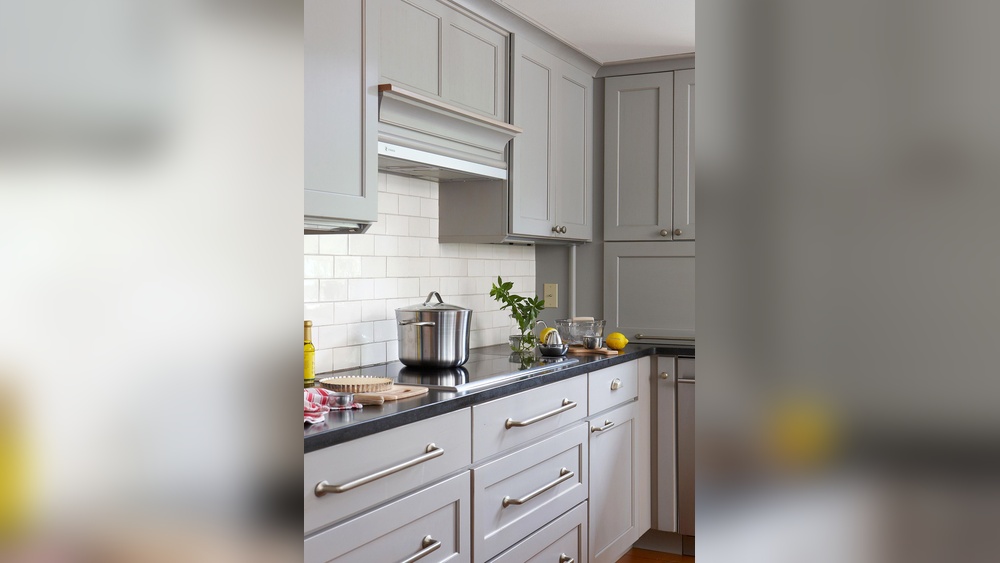
Transitional cabinets have clean, simple lines. They avoid too much detail or heavy ornamentation. The style mixes traditional shapes with modern simplicity. Doors often feature recessed panels or flat fronts. Hardware is sleek but not too bold. This style focuses on function and form. It creates a calm and inviting kitchen space.
Materials And Finishes
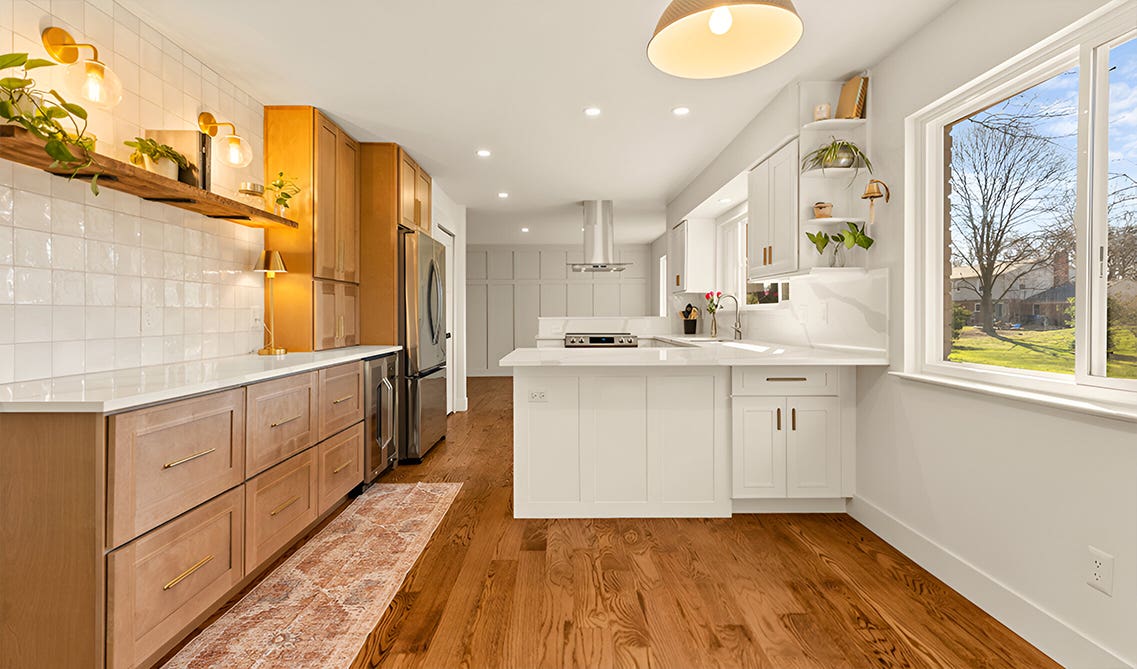
Wood is the most popular material for transitional cabinets. Maple, cherry, and oak are common choices. Cabinets often have smooth or slightly textured finishes. Painted finishes in neutral tones are popular. Natural wood stains also add warmth. Satin and matte finishes work best. They keep the look soft and elegant.
Popular Cabinet Styles
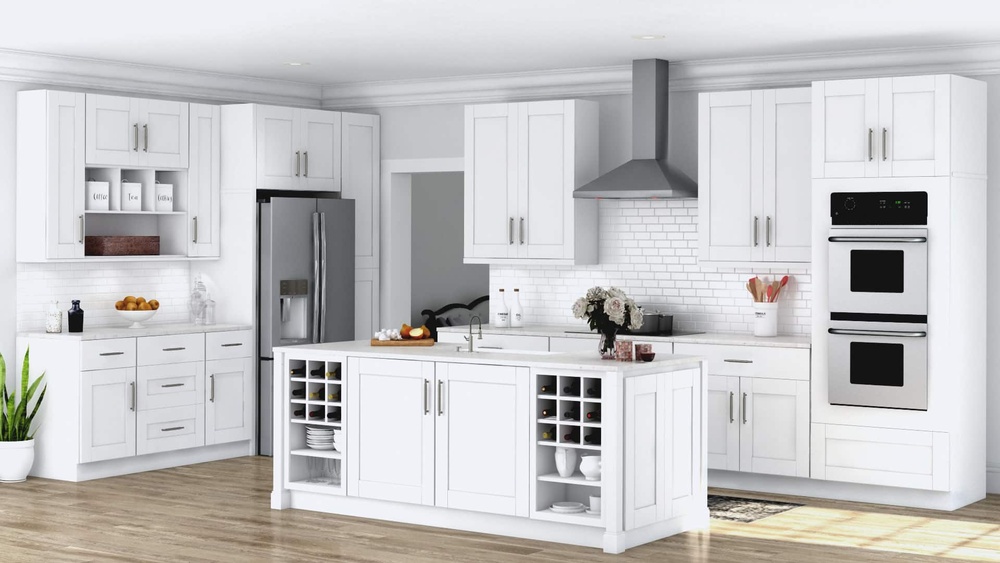
Shaker cabinets are a top choice in transitional kitchens. They have a simple frame and recessed panel. Slab doors with flat surfaces also fit this style. Glass-front cabinets add lightness and openness. Some designs mix open shelves with closed cabinets. This variety creates a balanced and functional kitchen.
Color Palettes For Transitional Kitchens
Neutral colors dominate transitional kitchen palettes. Whites, grays, and beiges create a clean base. Soft blues and greens add subtle color. Darker shades like navy or charcoal bring depth. Wood tones warm up the space. This color mix supports both classic and modern looks.
Credit: www.lilyanncabinets.com
Transitional Cabinet Hardware
Transitional cabinet hardware bridges the gap between traditional and modern kitchen styles. It offers a balanced look that fits many kitchen designs. This hardware style focuses on clean lines with subtle details. It enhances the cabinetry without overwhelming the space. Choosing the right hardware can change the entire feel of your kitchen.
Types Of Hardware
There are several types of hardware used in transitional kitchens. Knobs and pulls are the most common options. Knobs are small and round, easy to install. Pulls come in different shapes, like bars or arches. Both types can have simple or detailed designs. Hinges and backplates also add to the hardware style. Each type plays a role in the overall look.
Choosing The Right Hardware Finish
Hardware finishes affect the kitchen’s style and mood. Brushed nickel offers a soft, muted shine. Oil-rubbed bronze adds a warm, dark tone. Polished chrome gives a bright, clean look. Satin brass brings a touch of elegance. Choose a finish that matches your cabinet colors. The finish should also fit your kitchen’s lighting and theme.
Combining Modern And Traditional Elements
Transitional hardware blends modern and classic details smoothly. Simple shapes with subtle curves work well. Avoid hardware that is too ornate or too plain. Mixing matte and shiny finishes adds interest. Pair smooth knobs with slightly detailed pulls. This mix keeps the design fresh and inviting. Balance is key to achieve the perfect transitional look.
Hardware Trends In Transitional Design
Current trends show a move toward minimalist hardware. Thin, streamlined pulls are very popular. Matte black finish creates a bold contrast. Mixed metals, like brass and nickel, add uniqueness. Vintage-inspired shapes with modern finishes are also trending. These trends keep transitional kitchens stylish and versatile.
Styling Tips For Transitional Kitchens
Styling a transitional kitchen involves mixing classic and modern elements. This style creates a warm, inviting space with clean lines and timeless charm. Choosing the right design details helps balance both looks.
Balancing Function And Aesthetics
Focus on cabinets that offer practical storage and style. Use smooth cabinet fronts with subtle details. Choose hardware that is simple but elegant, like brushed nickel or matte black handles. This keeps the space looking fresh and easy to use.
Lighting Options
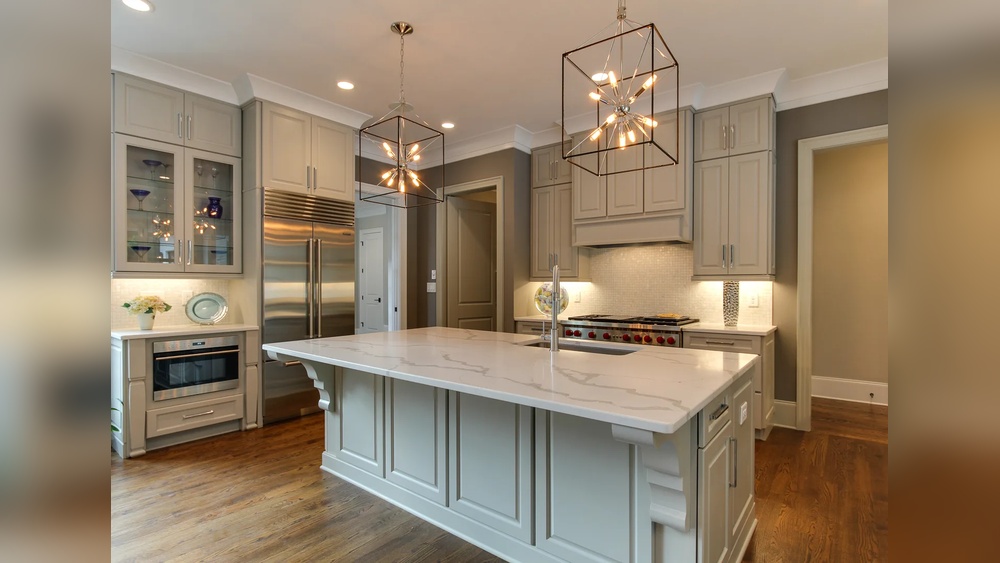
Pick lighting that brightens the space without overpowering it. Soft, warm lights work well in transitional kitchens. Pendant lights over the island add style and function. Under-cabinet lighting helps with cooking tasks and highlights backsplash details.
Complementary Countertops And Backsplashes
Use countertops made of natural stone or quartz with soft patterns. Choose backsplashes in neutral colors or classic subway tiles. These surfaces add texture without clashing with cabinet designs. They create a smooth flow from one element to another.
Furniture And Decor Ideas
Select simple, comfortable furniture for dining or seating areas. Wood or metal finishes work well with transitional kitchens. Add soft textiles like rugs and cushions in neutral tones. Keep decor minimal but meaningful to maintain a clean, balanced look.

Credit: busbycabinets.com
Maintenance And Durability
Maintaining transitional kitchen cabinets and their hardware is key to keeping them beautiful and functional. These cabinets blend traditional and modern styles, so their care must suit both looks and materials. Durable cabinets last longer and save money on repairs or replacements.
Understanding maintenance helps protect your investment. It keeps cabinets clean, prevents damage, and ensures hardware works smoothly. Simple habits extend the life of your kitchen elements and keep them looking fresh.
Cleaning Tips For Cabinets And Hardware
Use a soft cloth with mild soap and water for cleaning. Avoid harsh chemicals that damage finishes or hardware. Wipe spills immediately to prevent stains or warping. Dry cabinets after cleaning to stop moisture damage. Clean hardware regularly to avoid buildup and keep shine.
Long-lasting Materials
Choose cabinets made from solid wood or high-quality plywood. These materials resist warping and cracking over time. Hardware made from stainless steel or brass resists rust and corrosion. Durable finishes protect against scratches and moisture. Investing in strong materials lowers maintenance needs.
Preventing Wear And Tear
Open and close cabinet doors gently to avoid stress on hinges. Use handles and knobs carefully to prevent loosening or breakage. Avoid hanging heavy items on cabinet doors. Check hardware screws regularly and tighten if needed. Place mats or liners inside cabinets to protect surfaces.
Budgeting For A Transitional Kitchen
Budgeting for a transitional kitchen requires careful planning. This style blends traditional and modern elements. It offers a timeless look that fits many homes. Setting a clear budget helps control costs. It ensures you get quality cabinets and hardware without overspending.
Cost Breakdown For Cabinets And Hardware
Cabinets take the largest part of the budget. Expect to spend 50% to 70% on them. Transitional cabinets often use medium-priced wood or MDF. Hardware costs vary widely depending on style and material. Simple pulls and knobs cost less. Brushed nickel or bronze finishes add to the price.
Where To Save And Splurge
Save on cabinet boxes by choosing stock or semi-custom options. These options fit most kitchens well. Splurge on cabinet doors and hardware. They define the transitional style. High-quality hinges and smooth drawer slides improve daily use. Unique handles or knobs create a stylish look.
Diy Vs Professional Installation
DIY installation can save money but needs skills. Mistakes may cause damage or delays. Professionals ensure cabinets fit perfectly and last longer. They handle plumbing or electrical changes safely. Decide based on your skills, tools, and time. Budget extra for professional work if unsure.
Frequently Asked Questions
What Defines A Transitional Kitchen Cabinet Style?
Transitional kitchen cabinets blend traditional warmth with modern simplicity. They feature clean lines and subtle details, creating balanced, timeless appeal. This style suits varied decor, offering versatility and elegance.
How Does Transitional Cabinet Hardware Differ?
Transitional hardware combines classic and contemporary elements. It uses simple shapes with refined finishes like brushed nickel or oil-rubbed bronze. This hardware complements diverse cabinet styles for cohesive kitchen design.
Why Choose Transitional Cabinets For Your Kitchen?
Choosing transitional cabinets offers flexibility and timelessness. They adapt easily to changing trends and decor styles. This makes them a practical, stylish choice for long-term kitchen design.
What Materials Are Common In Transitional Cabinet Hardware?
Common materials include stainless steel, brushed nickel, and oil-rubbed bronze. These finishes balance modern and traditional looks, enhancing the cabinet’s transitional style with durability and elegance.
Conclusion
Transitional kitchen cabinets blend classic and modern styles well. They create a warm, inviting space that suits many homes. Choosing the right cabinet hardware adds style and function. Simple designs with clean lines work best here. This style fits both traditional and contemporary tastes easily.
You can update your kitchen without a full remodel. A balanced look brings comfort and elegance to your space. Explore options that match your personal style and needs. This approach makes kitchens look fresh and timeless.