Are you struggling to keep your tabletop secure without damaging the wood? Knowing how to attach table top fasteners correctly can save you time, protect your furniture, and make future repairs easier.
In this guide, you’ll discover simple, step-by-step instructions to help you fasten your tabletop like a pro—even if you’ve never done it before. Stick with me, and you’ll have your table sturdy and ready in no time. Let’s get started!

Credit: www.youtube.com
Types Of Table Top Fasteners
Table top fasteners keep your table sturdy and secure. They hold the tabletop to the base or legs. Different fasteners fit different table styles and materials. Choosing the right type helps avoid damage and ensures stability.
Wooden Table Fasteners
Wooden fasteners blend well with wooden tables. They include wooden buttons, dowels, and wedges. These fasteners provide a strong hold without metal parts. They also allow wood to expand and contract safely. Wooden fasteners suit traditional and handmade tables.
Metal Clips And Brackets
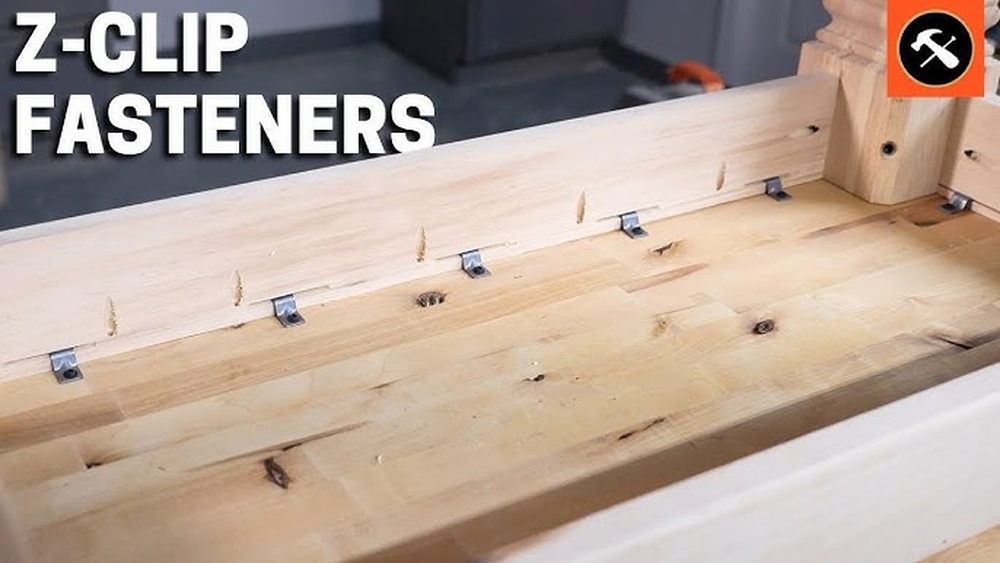
Metal clips and brackets offer strong support. They fasten the tabletop to the frame using screws. These fasteners work well for heavy or large tables. Metal parts come in various sizes and shapes. They are easy to install and very durable.
Corner Braces
Corner braces fit under table corners to add strength. They are L-shaped metal supports fixed with screws. These braces prevent the tabletop from wobbling or shifting. Corner braces work for both wood and metal tables. They keep the table frame tightly connected.
Table Top Clamps
Table top clamps hold the tabletop without screws. They use pressure or sliding parts to grip the wood. Clamps are great for quick assembly and disassembly. They protect the tabletop surface from damage. Clamps suit modern tables or those needing frequent moves.
Tools And Materials Needed
Attaching table top fasteners requires specific tools and materials. Having the right items makes the job easier and safer. Below are the essential tools you need to complete this task well.
Screwdrivers And Drills
A screwdriver or drill is necessary to insert screws into the fasteners. Use a drill with adjustable speed for better control. Choose screwdriver heads that match your screws, like Phillips or flathead. This helps avoid stripping screws and ensures a tight fit.
Measuring Tools
Measuring tools ensure precise placement of the fasteners. A tape measure or ruler helps mark exact spots. A square can check angles to keep everything aligned. Accurate measurements prevent mistakes and improve the table’s stability.
Fastener Kits
Fastener kits include all parts needed to attach table tops. These kits usually contain fasteners, screws, and mounting hardware. Selecting the right kit for your table type is important. Kits save time and ensure compatibility of all components.
Safety Gear
Safety gear protects you during the installation process. Wear safety goggles to shield your eyes from dust and debris. Use gloves to protect your hands from sharp edges. Proper safety gear reduces the risk of injury while working.
Preparing The Table Top And Base
Preparing the table top and base is an important first step. It ensures a strong and stable connection. Taking time to prepare these parts helps the fasteners hold better. It also prevents damage during installation.
Cleaning Surfaces
Start by cleaning both the table top and base surfaces. Remove dust, dirt, and grease. Use a damp cloth or mild cleaner. Clean surfaces help fasteners grip firmly. Let the surfaces dry completely before moving on.
Marking Attachment Points
Next, mark where the fasteners will go. Measure carefully to keep the table top centered. Use a pencil to mark spots on both parts. Double-check the marks for accuracy. Proper marking avoids misalignment and wobbling later.
Drilling Pilot Holes
Drill small pilot holes at the marked points. Use a drill bit slightly smaller than the screws. Pilot holes prevent wood from splitting. Drill straight and to the right depth. Clean any debris from the holes before attaching fasteners.
Step-by-step Attachment Process
Attaching table top fasteners is a simple task that anyone can do with the right steps. Following a clear process helps secure your tabletop safely and neatly. This guide breaks down the steps to make your work easier and faster.
Positioning Fasteners
Start by placing the fasteners in the right spots. Usually, fasteners go near the edges of the tabletop. Space them evenly for balanced support. Use a pencil to mark where each fastener will sit. Check that the fasteners align with the table frame below. Proper positioning prevents damage and keeps the tabletop stable.
Securing Fasteners With Screws
Next, attach the fasteners using screws. Pick screws that fit the fasteners and table material. Hold the fastener steady and drill the screws in slowly. Avoid overtightening to prevent cracks or warping. Use a screwdriver or drill for a firm hold. Secure each fastener firmly but gently to keep the tabletop safe.
Checking Stability
After securing, test the stability of the tabletop. Press down gently on different areas. The tabletop should not wiggle or shift. If you feel any movement, tighten the screws slightly. Ensure all fasteners hold the tabletop firmly in place. A stable tabletop means a safe and durable table for everyday use.
Tips For A Secure Fixing
Securing table top fasteners correctly is key to a stable and lasting table. Poor fixing can cause wobbling or damage to the wood. Follow these tips to ensure a strong and safe attachment.
Choosing The Right Fastener Size
Select fasteners that fit the table thickness well. Too long fasteners may poke through the wood. Too short ones may not hold firmly. Measure the table top and frame thickness before buying. Pick screws or bolts that match these measurements. This ensures a tight and secure fit.
Avoiding Wood Splitting
Drill pilot holes before inserting fasteners. This reduces pressure on the wood and prevents cracks. Use a drill bit slightly smaller than the fastener. Drive screws slowly and steadily. Avoid over-tightening, which can split the wood. Use washers to spread the load evenly.
Regular Maintenance Checks
Check fasteners every few months. Tighten any loose screws or bolts. Look for signs of wear or damage around the fixing points. Replace damaged fasteners promptly to avoid accidents. Regular care keeps your table strong and safe for years.
:max_bytes(150000):strip_icc()/289-4-Ways-to-Attach-tabletops-Figure-Eight-connectors2-7ac01e90306b406dad6d8d22158c2a64.jpg)
Credit: www.woodmagazine.com
Troubleshooting Common Issues
Troubleshooting common issues with table top fasteners helps keep your furniture secure. Small problems can stop your table from working well. Fixing these issues saves time and effort. Understanding the causes makes repairs easier and faster.
Loose Fasteners
Loose fasteners cause the table top to wobble. Check if screws or bolts are tight. Use a screwdriver or wrench to tighten them gently. Avoid over-tightening to prevent damage. If fasteners keep loosening, try using thread locker glue. Replace worn out fasteners with new ones for better hold.
Misalignment Problems
Misalignment happens when parts do not fit together well. This can cause gaps or uneven surfaces. Check if the fasteners are in the right holes. Loosen them slightly and adjust the table top position. Tighten the fasteners again while holding the parts aligned. Use a level tool to ensure flatness. Correct alignment improves the table’s strength and look.
Surface Damage
Surface damage can happen during installation or repairs. Avoid scratching the wood or metal by using soft cloths. Use protective pads under tools to prevent dents. If damage occurs, sand the area lightly and apply touch-up paint or finish. Careful handling keeps the table top looking new and clean.
:max_bytes(150000):strip_icc()/289-4-Ways-to-Attach-tabletops-Figure-Eight-connectors1-5258ed4f14b3404e87e26096be105d3f.jpg)
Credit: www.woodmagazine.com
Frequently Asked Questions
What Tools Are Needed To Attach Table Top Fasteners?
You need a drill, screwdriver, measuring tape, pencil, and the fasteners themselves. These tools ensure accurate and secure attachment.
How Do You Align Table Top Fasteners Correctly?
Measure and mark precise points on both the table top and base. Proper alignment prevents wobbling and ensures a firm fit.
Can Table Top Fasteners Support Heavy Tabletops?
Yes, quality fasteners can support heavy tabletops if installed properly. Always check the weight rating before use.
How To Prevent Wood Splitting When Attaching Fasteners?
Pre-drill pilot holes slightly smaller than screws. This reduces wood stress and prevents splitting during installation.
Conclusion
Attaching table top fasteners is simple with the right steps. Choose the correct fastener for your table type. Mark and drill holes carefully to avoid mistakes. Secure fasteners tightly to keep the table stable. Check your work often to ensure a good fit.
These tips help your table stay strong and safe. Enjoy your sturdy table for years to come. Small effort brings lasting results. Simple tools, clear steps, great outcome.