Choosing the right fastening system for your modular pergola can make all the difference between a sturdy, long-lasting structure and one that struggles against wind or wear. You want your pergola to stay secure, look great, and be easy to install.
But with so many options available, how do you know which fastening method suits your needs best? This guide will help you understand the key factors to consider, so you can make a confident choice that keeps your outdoor space safe and stylish.
Keep reading to discover expert tips that save you time, money, and frustration.
Types Of Pergola Fastening Systems
Choosing the right fastening system is important for a sturdy modular pergola. Different types of fasteners offer various benefits. Understanding these options helps make a smart choice. Fastening systems mainly fall into three categories. Each suits different needs and materials.
Mechanical Fasteners
Mechanical fasteners include screws, bolts, and nails. They provide strong, reliable connections. These fasteners work well with wood, metal, and composite materials. Installation is quick and often reversible. Mechanical fasteners allow easy adjustments or repairs later.
They are popular because of their strength and availability. Choose corrosion-resistant types for outdoor use. Properly sized fasteners prevent damage to pergola parts.
Adhesive Fasteners
Adhesive fasteners use glue or bonding agents. They create a clean look with no visible hardware. Adhesives work best on smooth, clean surfaces. They distribute stress evenly across joints.
Adhesive systems reduce the chance of wood splitting. They are water-resistant and suitable for outdoor conditions. Curing time varies by product, so plan installation accordingly.
Hybrid Systems
Hybrid systems combine mechanical and adhesive fasteners. They offer extra strength and stability. This method suits complex pergola designs or heavy materials. Hybrid fastening reduces movement and increases durability.
These systems need careful planning and precise application. The combination helps handle different weather and load conditions. Hybrid fasteners deliver long-lasting performance for modular pergolas.
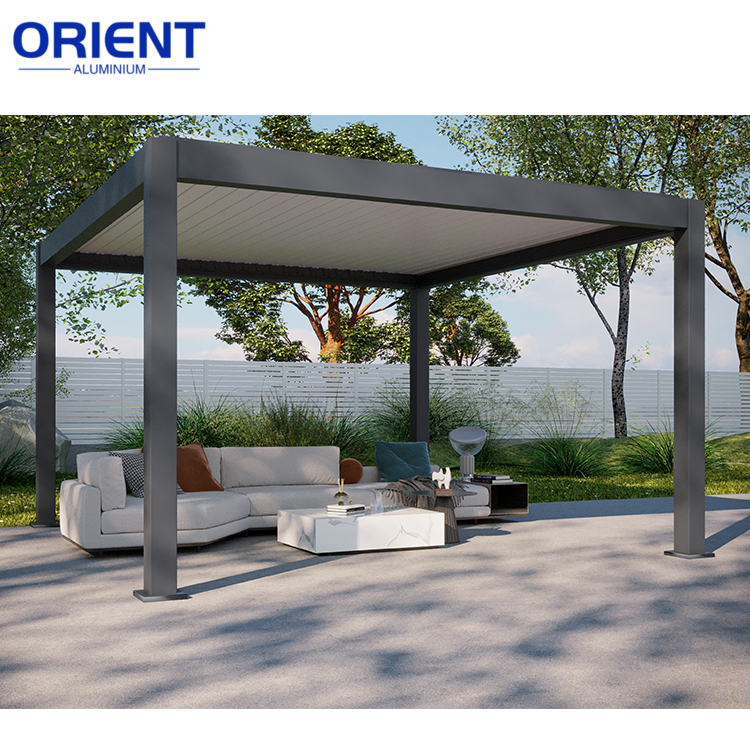
Credit: smartbuy.alibaba.com
Materials And Compatibility
Choosing the right fastening system depends on the material of your modular pergola. Fasteners must fit the material type for strong, lasting connections. Each material has unique needs for screws, bolts, or brackets. Matching fasteners to the pergola material ensures safety and durability.
Wood Pergola Fastening Options
Wood pergolas need fasteners that resist rust and hold tight. Galvanized or stainless steel screws work well. Nails can be used but may loosen over time. Wood glue adds extra strength when paired with screws. Use brackets for corner joints to improve stability.
Metal Pergola Fastening Options
Metal pergolas require strong fasteners that do not corrode. Stainless steel bolts and nuts are ideal. Self-tapping screws save time and create secure joins. Use washers to spread the load and avoid damage. Welding is an option for permanent connections.
Composite Material Fasteners
Composite pergolas need fasteners designed for synthetic materials. Special composite screws prevent splitting and cracking. Avoid regular wood screws as they may cause damage. Use corrosion-resistant fasteners to withstand weather. Brackets and clips made for composites add stability.
Load And Weather Considerations
Choosing the right fastening system for a modular pergola requires careful thought about load and weather. These factors affect the pergola’s strength and durability. Fasteners must hold the structure firmly against natural forces. Weather conditions also test the materials over time. Selecting fasteners that meet these needs ensures safety and long life.
Wind Resistance
Wind can push and pull on your pergola. Fasteners must keep the structure steady. Choose fasteners designed to resist strong winds. Look for those tested in high wind conditions. Secure connections reduce the risk of damage or collapse.
Weight Bearing Capacity
Your pergola carries its own weight plus any added load. This includes hanging plants, lights, or snow. Fasteners should support this total weight without bending or breaking. Check the weight rating of each fastener. Use heavy-duty options for larger or heavier pergolas.
Corrosion And Weatherproofing
Rain, sun, and moisture can cause rust and decay. Fasteners made of stainless steel or coated metals last longer. Weatherproof fasteners resist corrosion and maintain strength. Choose materials suited for your local climate. This protects your pergola and keeps it looking good.

Credit: www.fastenersplus.com
Installation Techniques
Installing the right fastening system ensures your modular pergola stands strong and lasts long. Proper installation techniques help avoid damage and keep the structure stable. Follow clear steps for a smooth setup.
Surface Preparation
Start by cleaning the surface where the pergola will attach. Remove dirt, dust, and loose materials. Check for cracks or weak spots. Repair any damage before installing fasteners. A solid base improves hold and safety.
Tool Requirements
Gather all needed tools before starting. Common tools include a drill, screwdriver, tape measure, level, and safety gloves. Use the right drill bit size for your fasteners. Having tools ready saves time and effort.
Step-by-step Fastener Installation
Mark the exact spots for fastener holes using a pencil. Drill pilot holes to guide screws and prevent wood splitting. Insert fasteners carefully, tightening them firmly but not too tight. Check alignment with a level after each step. Repeat for all connection points to secure the pergola fully.
Cost And Maintenance Factors
Choosing the right fastening system for your modular pergola affects both cost and upkeep. These factors help decide the best option for your budget and time. Understanding them makes the decision easier and smarter.
Initial Investment
The price of fastening systems varies by material and design. Metal fasteners usually cost more than plastic ones. Stronger materials might raise the upfront cost. Think about how much you want to spend at first. A higher initial cost can mean better quality and strength.
Longevity And Durability
Durable fasteners last longer and resist weather damage. Rust-proof metals like stainless steel extend the pergola’s life. Cheaper fasteners may break or corrode quickly. Choose fasteners that suit your climate. Long-lasting options reduce the need for repairs or replacements.
Maintenance Tips
Regular checks keep fasteners safe and strong. Tighten loose screws to prevent damage. Clean metal fasteners to stop rust buildup. Use protective coatings for extra defense. Easy-to-maintain fasteners save time and money over years. Simple care keeps your pergola secure and looking good.
Safety And Building Codes
Safety is the top priority when choosing a fastening system for a modular pergola. Following building codes ensures the structure is strong and safe for use. Ignoring these rules can cause accidents or legal problems.
Understanding safety and building codes helps pick the right fasteners. These codes guide the materials and methods allowed in construction. Meeting these standards protects both the builder and users of the pergola.
Local Regulations
Local rules vary by city and state. These rules tell you what type of fasteners you can use. Some places require specific materials or sizes. Check with your local building department before buying fasteners.
Failing to follow local laws can lead to fines or forced removal. Always get permits if needed. The permit process may include plan reviews and inspections.
Structural Safety
Fasteners must hold the pergola firmly in place. They keep the structure stable against wind and weight. Use materials that resist rust and wear over time.
Choose fasteners that match the pergola’s weight and design. Strong bolts and screws improve safety. Avoid cheap or weak fasteners that can fail easily.
Inspection And Compliance
Regular inspections ensure the pergola stays safe. Inspect fasteners for rust, looseness, or damage. Replace any worn or broken parts immediately.
Keep records of inspections and repairs. This helps prove compliance with building codes. Proper maintenance extends the life of your pergola.
Choosing Based On Design And Aesthetics
Choosing a fastening system based on design and aesthetics is key for a modular pergola. The right fasteners can improve the look and feel of your outdoor space. They should blend well with the pergola’s style and materials. Fasteners can either stand out or stay hidden, affecting the overall design.
Think about how the fasteners will look once installed. The goal is to create a clean, attractive finish. The fastening system should add to the pergola’s charm, not distract from it. This means choosing fasteners that match or complement the structure’s design.
Visible Vs Hidden Fasteners
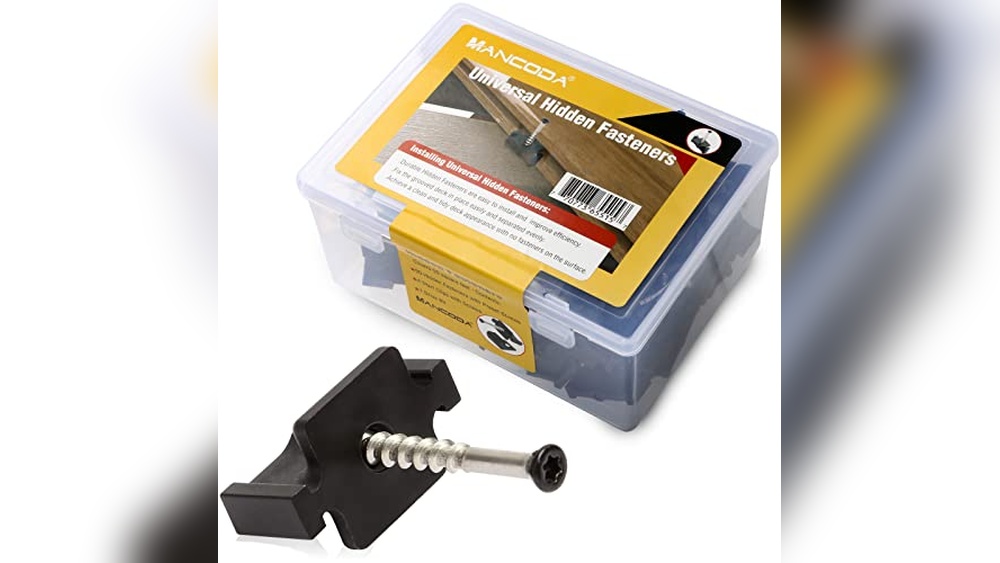
Visible fasteners are easy to install and often cost less. They can add a decorative touch if chosen carefully. Some designs use screws or bolts as part of the style. Hidden fasteners create a smooth, seamless look. They keep the focus on the pergola’s lines and shapes. Hidden fasteners need more skill to install but create a polished appearance.
Matching Fasteners To Pergola Style
Fasteners should fit the pergola’s material and design. For wood pergolas, use fasteners with a natural finish. Bronze, black, or stainless steel work well. Metal pergolas often require stronger, corrosion-resistant fasteners. Choose fasteners that match the color and texture of the frame. This keeps the look consistent and neat.
Custom Fastening Solutions
Custom fasteners offer unique options for special designs. They can be shaped or colored to match your pergola perfectly. Custom solutions help fix unusual angles or sizes. They improve strength and style at the same time. Custom fasteners may cost more but add a personal touch to your pergola.
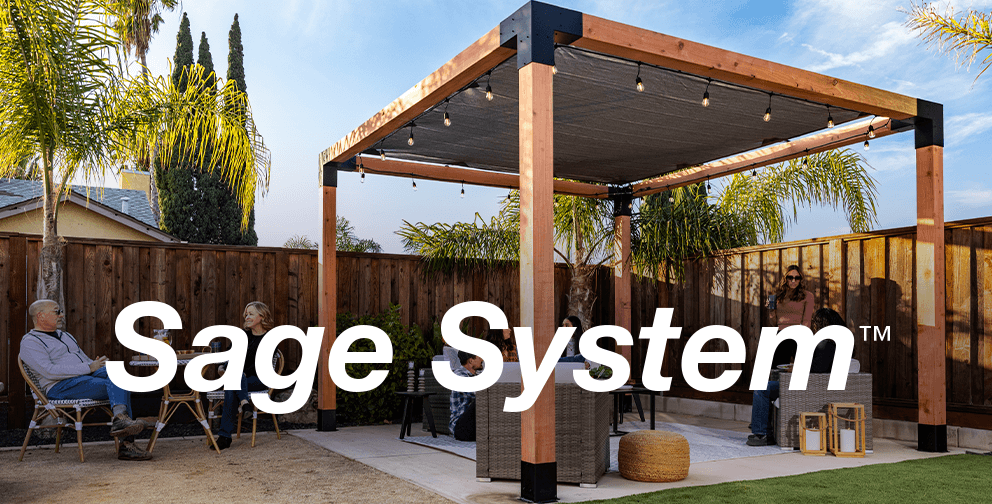
Credit: www.strongtie.com
Frequently Asked Questions
What Types Of Fastening Systems Work Best For Modular Pergolas?
The best fastening systems for modular pergolas include bolts, screws, and brackets. Choose corrosion-resistant materials like stainless steel. Ensure they provide strong support and easy installation. Compatibility with pergola materials is essential for durability and safety.
How To Ensure The Fastening System Is Weather-resistant?
Select fastening systems made from weather-resistant materials such as stainless steel or galvanized metal. These resist rust and corrosion. Proper sealing and protective coatings enhance longevity. This ensures your pergola remains secure in various weather conditions.
Can I Install A Fastening System Myself?
Yes, many modular pergola fastening systems are designed for DIY installation. Follow manufacturer instructions carefully. Use appropriate tools and safety gear. If unsure, consult a professional to ensure secure and safe assembly.
Why Is Fastening System Compatibility Important?
Compatibility ensures the fastening system properly fits pergola materials like wood, metal, or composite. Mismatched fasteners can weaken the structure and cause damage. Correct compatibility guarantees stability, safety, and longevity of your modular pergola.
Conclusion
Choosing the right fastening system makes your pergola strong and safe. Think about the material, weather, and how you will use it. Simple tools and clear instructions help a lot. Good fasteners keep the structure steady for years. Take your time to pick what fits best.
A well-fastened pergola adds beauty and comfort to your space. Small details make a big difference in the end. Enjoy building your perfect outdoor spot with confidence.