Have you ever come across the term “close all fasteners” and wondered what it really means? Whether you’re working on a DIY project, assembling furniture, or handling machinery, understanding this phrase is key to ensuring everything fits securely and works safely.
Knowing exactly what “close all fasteners” involves can save you time, prevent mistakes, and keep your projects strong and reliable. Keep reading, and you’ll discover simple tips that make this important step clear and easy to follow.
Close All Fasteners
Close all fasteners is a common instruction in various tasks. It means making sure all screws, bolts, or clips are tight and secure. This action helps keep things together and safe. Understanding this phrase is important for anyone handling tools or assembling items.
Meaning Of Fasteners
Fasteners are small tools used to join two parts. Examples include screws, nuts, bolts, and clips. They hold pieces firmly in place. Fasteners come in many sizes and shapes for different jobs. They are essential in construction, furniture, and machines.
Purpose Of Closing Fasteners
Closing fasteners means tightening them fully. This prevents parts from moving or falling apart. It also stops leaks in pipes or engines. Tight fasteners improve safety and durability. Loose fasteners can cause damage or accidents.
Types Of Fasteners
Fasteners are essential in holding parts together. They come in many types, each serving a specific purpose. Understanding these helps in choosing the right one for a job.
Fasteners can be temporary or permanent. Some are easy to remove, while others are meant to stay fixed. Let’s explore the common types.
Bolts And Nuts
Bolts and nuts work together to hold objects tightly. The bolt is a threaded rod, and the nut screws onto it. They create strong joints that can be taken apart when needed.
Used in construction, machinery, and vehicles. Bolts come in different sizes and shapes for various tasks.
Screws
Screws have threads that cut into materials. They join parts without needing a nut. Screws come with different heads like flat, Phillips, and hex.
Common in woodworking, electronics, and home repairs. Screws provide a tight fit and are easy to use.
Clips And Clamps
Clips and clamps hold parts without drilling holes. Clips snap parts together quickly. Clamps apply pressure to keep things in place.
Used in automotive, plumbing, and electrical work. They offer flexibility and easy removal.
Other Common Fasteners
Nails, rivets, and anchors also join materials. Nails are hammered in, often for wood. Rivets create permanent joints in metal parts.
Anchors secure screws in walls or concrete. Each fastener type has a unique use and strength level.
Why Close All Fasteners
Closing all fasteners is a simple but important step in many tasks. It means tightening bolts, screws, nuts, or other connectors fully. This step ensures that parts stay together and work well. Understanding why closing all fasteners matters helps keep things safe and strong.
Safety Considerations
Loose fasteners can cause accidents. Parts may fall off or move unexpectedly. This creates dangers for people nearby. Tight fasteners keep equipment stable. They reduce the risk of injury.
Preventing Equipment Damage
Fasteners that are not closed can cause wear and tear. Vibration or movement can loosen parts further. This leads to damage or breakdowns. Closing fasteners helps protect machines and tools. It keeps them working longer.
Maintaining Structural Integrity
Structures rely on fasteners for strength. Loose connections weaken the whole system. This can cause bending, cracking, or collapse. Tight fasteners hold parts firmly in place. They maintain the strength and durability of structures.
Credit: silca.cc
How To Close Fasteners Properly
Closing fasteners properly is important for safety and durability. It ensures parts stay together and do not come loose. Using the right steps helps avoid damage and saves time. Follow clear instructions to close fasteners the right way.
Tools Needed
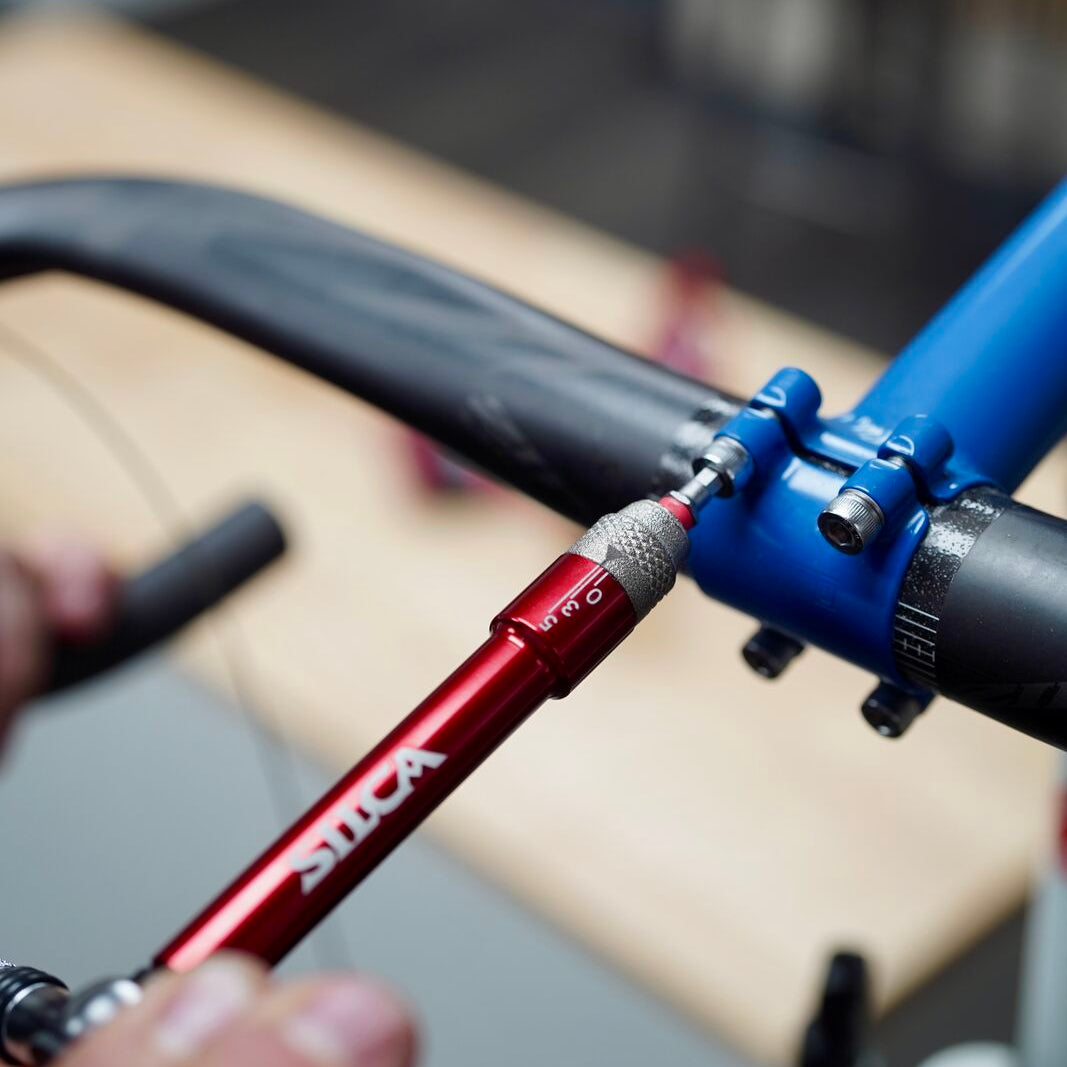
Start with the correct tools for the job. Common tools include wrenches, torque wrenches, and screwdrivers. Choose tools that fit the fastener size exactly. Using the wrong tool can damage the fastener or the parts. Keep tools clean and in good condition.
Torque Specifications
Each fastener has a torque value to tighten it properly. Too little torque means the fastener may loosen. Too much torque can strip threads or break the fastener. Use a torque wrench to apply the exact amount of force. Check the manufacturer’s guide for the correct torque specs.
Sequence For Tightening
Tighten fasteners in a specific order to spread pressure evenly. Usually, start from the center and move outward in a cross pattern. Tighten fasteners in steps, increasing torque gradually. This prevents warping or uneven stress on the parts. Follow the recommended sequence for best results.
Common Mistakes To Avoid
Knowing what “Close All Fasteners” means is important for safety and function. Many make common mistakes that cause problems. Avoiding these errors keeps your work strong and secure. Here are some key mistakes to watch out for.
Over-tightening
Too much force can damage fasteners or the material. It may strip threads or break bolts. Over-tightening can cause parts to crack or warp. Use the right tool and torque to avoid this problem.
Under-tightening
Fasteners that are too loose won’t hold parts firmly. This leads to vibrations or parts coming apart. Loose fasteners reduce safety and function. Always tighten fasteners to the recommended level for best results.
Skipping Fasteners
Skipping fasteners weakens the entire structure. Missing fasteners can cause gaps and uneven pressure. Each fastener plays a role in holding parts together. Never skip any fasteners during assembly or repair.

Credit: www.homedepot.com
Signs Of Improper Fastener Closure
Fasteners hold parts together in machines, buildings, and many tools. Proper closure of fasteners is very important for safety and function. Signs of improper fastener closure help you spot problems early. These signs show if fasteners are not tight or secure. Detecting issues quickly can prevent damage and accidents.
Looseness And Vibrations
Loose fasteners cause parts to move more than they should. This movement can create unusual vibrations. You might hear rattling or feel shaking when using the equipment. Vibrations increase wear and may lead to failure. Check fasteners if you notice any wobbling or noise.
Leaks And Gaps
Improperly closed fasteners can leave small gaps. These gaps allow liquids or gases to leak out. Leaks reduce efficiency and can cause damage. Gaps also let dirt and moisture enter, causing rust or corrosion. Inspect fastened joints for any visible openings or drips.
Wear And Tear Patterns
Uneven wear on parts often means fasteners are not tight. Parts may rub or shift, causing scratches or dents. Look for marks that show repeated movement or friction. Strange wear patterns can weaken the whole structure. Properly closed fasteners help parts stay aligned and last longer.
Maintenance Tips For Fasteners
Fasteners hold many parts together in machines and structures. Keeping them in good shape is key to safety and performance. Simple care steps help avoid damage and failures. These tips make sure fasteners stay tight and last longer.
Regular Inspections
Check fasteners often for signs of wear or looseness. Look for rust, cracks, or missing parts. Early detection stops bigger problems. Use a flashlight and tools to inspect hard spots. Mark any fastener that needs fixing or tightening.
Lubrication
Apply oil or grease to fasteners that move or face friction. This prevents rust and makes turning easier. Use the right lubricant for metal type and weather. Avoid over-lubricating, which can attract dirt and cause slipping. Clean old grease before adding new.
Replacement Guidelines
Replace fasteners if they show damage or wear beyond repair. Always use the correct size and type for the job. Avoid mixing different metals to prevent corrosion. Keep spare fasteners on hand for quick fixes. Follow manufacturer rules for torque and installation.
Credit: www.coats.com
Frequently Asked Questions
What Does “close All Fasteners” Mean In Construction?
“Close all fasteners” means tightening or securing all screws, bolts, or nails fully. This ensures structural stability and safety. It prevents loosening from vibrations or movement. The instruction is common in assembly and installation guides.
Why Is Closing All Fasteners Important?
Closing all fasteners ensures the strength and durability of a structure. It prevents parts from loosening or falling apart. Proper closure improves safety and performance. Neglecting this step can lead to damage or accidents.
How To Properly Close All Fasteners?
Use the correct tool for each fastener type, such as a screwdriver or wrench. Tighten until snug but avoid over-tightening, which can damage materials. Check each fastener twice to ensure none are loose.
When Should You Close All Fasteners During Assembly?
Close all fasteners after initial placement of components. This locks parts securely before moving or using the assembly. It is usually done after alignment and adjustments to ensure a perfect fit.
Conclusion
Closing all fasteners means securing every bolt or screw tightly. This step ensures parts stay together safely and work well. Skipping it may cause problems or accidents. Always check each fastener before use or travel. This simple action helps keep machines and structures strong.
Remember, tight fasteners mean better safety and performance. Small effort, big difference.