Are you struggling to figure out where to place cabinet hardware in your kitchen or bathroom? You’re not alone.
The right placement can make your cabinets look stylish and feel easy to use. But if the hardware is off, it can throw off the whole look and even make opening doors and drawers frustrating. You’ll discover simple, expert tips to help you find the perfect spot for your cabinet knobs and pulls.
By the end, you’ll know exactly where to place your hardware to boost both beauty and function. Keep reading—your cabinets will thank you!

Credit: www.fynesdesigns.com
Choosing Hardware Styles
Cabinet hardware changes the look and feel of your kitchen or bathroom. The right style can make your space feel modern, classic, or rustic. It also helps with daily use, making cabinets easier to open and close. Choosing hardware styles means thinking about how the pieces look and how they work with your cabinets.
Hardware style is more than just decoration. It affects the room’s mood and function. Pick hardware that fits your style and matches your cabinet design. Consider size, shape, and detail to create the perfect look.
Knobs Vs Pulls
Knobs are small and simple. They are easy to install and clean. Knobs fit well on small cabinets or drawers. Pulls are longer and easier to grab. They work well on bigger drawers and doors. Pulls give a sleek, modern look. Choose knobs for a classic feel or pulls for a bold style.
Material And Finish Options
Materials affect how hardware looks and lasts. Common materials include metal, ceramic, and wood. Metal is strong and comes in many finishes. Ceramic adds a soft, vintage touch. Wood brings warmth and natural beauty.
Finish choices change the style and care needed. Popular finishes include brushed nickel, chrome, bronze, and matte black. Brushed nickel hides fingerprints well. Chrome shines and feels clean. Bronze adds warmth and character. Matte black offers a modern, bold look.
Measuring For Placement
Measuring cabinet hardware placement is key for a neat and functional look. Precise measurements ensure handles and knobs fit well and feel comfortable to use. Start with clear, accurate marks before drilling holes. This step saves time and prevents mistakes.
Standard Heights And Distances
Most cabinet knobs sit about 2.5 inches from the edge. Handles usually center 3 inches from the corner. For drawers, place hardware 1.5 to 2 inches from the top edge. These are common guides but can vary with cabinet style.
Keep heights consistent across all cabinets. This creates a balanced and uniform appearance. Measure carefully with a ruler or tape measure. Mark spots lightly with a pencil before installing hardware.
Aligning With Cabinet Doors And Drawers
Align hardware to match the shape of doors and drawers. For vertical doors, place knobs near the top corner. For drawers, center handles horizontally. Proper alignment makes cabinets look polished and professional.
Use a level to check alignment across multiple cabinets. Small shifts can break the visual flow. Aligning hardware properly improves the cabinet’s overall design and usability.
Placement On Cabinet Doors
Choosing the right spot for cabinet hardware makes a big difference. It helps open and close doors easily. It also adds style to your kitchen or bathroom. The placement depends on the cabinet type and your needs. Cabinet doors need hardware in places that feel natural to reach. This section explains the best spots for hardware on cabinet doors.
Top Corners For Upper Cabinets
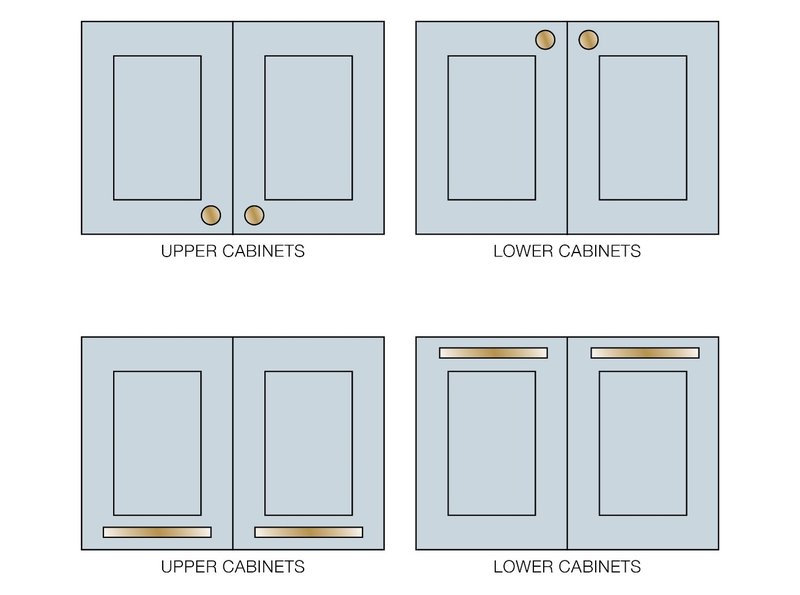
For upper cabinets, place hardware in the top corners. This spot is easy to reach without stretching. It keeps the handle out of your way when you open the door. Handles or knobs placed here look balanced and clean. This placement helps open the door smoothly. It also protects the cabinet from damage by fingers or rings.
Bottom Corners For Lower Cabinets
For lower cabinets, place hardware in the bottom corners. This location works well when you bend down to open the doors. It feels natural and comfortable to grab handles here. It also keeps the hardware safe from spills or splashes on the countertop. This spot helps avoid hitting your knees on handles. Bottom corner hardware looks neat and supports easy use.
Credit: www.emtek.com
Placement On Drawers
Choosing the right spot for cabinet hardware on drawers changes the look and feel of a room. Proper placement helps you open drawers easily and keeps the design balanced. Small changes in hardware position can make a big difference in style and comfort.
Center Placement
Center placement means putting the handle or knob in the middle of the drawer front. This creates a balanced, classic look that fits most drawer styles. It works well for wider drawers and gives a clean, symmetrical appearance.
To place hardware in the center, measure the drawer’s width. Mark the midpoint and attach the handle or knob there. This simple method makes opening drawers easy and looks neat.
Offset Placement
Offset placement means moving the hardware away from the center, usually toward one side. This style suits narrow drawers or modern designs. It adds a unique touch and can make drawers easier to open if placed near the edge.
To find the best offset spot, measure about two to three inches from the drawer edge. Mark the spot and attach your hardware. This small shift changes the drawer’s style without much effort.
Tips For Consistency
Consistency is key when placing cabinet hardware. It keeps your cabinets looking neat and balanced. Small mistakes can make a big difference in appearance.
Following simple tips helps maintain uniformity. This section shares practical ways to keep your hardware placement consistent.
Using Templates And Jigs
Templates and jigs save time and reduce errors. They help mark the exact spots for screws and handles. You can buy ready-made templates or make your own.
Using the same template for every cabinet ensures each piece matches. This method avoids guessing and uneven hardware placement.
Double Checking Measurements
Always measure twice before drilling or screwing. Double checking prevents costly mistakes and wasted materials. Use a ruler or tape measure to verify each mark.
Check both horizontal and vertical distances carefully. Consistent spacing creates a clean, professional look across all cabinets.
Avoiding Common Mistakes
Choosing the right spot for cabinet hardware is not just about looks. It also affects how you use your cabinets every day. Mistakes in placing hardware can cause frustration and spoil the design. Avoiding these errors helps keep your kitchen or bathroom neat and easy to use.
Misaligned Hardware
Hardware that is not straight looks messy. It can also make opening cabinets harder. Always use a ruler or level before drilling holes. Mark spots carefully on each door or drawer. Check twice to keep handles and knobs in a straight line. This small step saves time and looks professional.
Ignoring Cabinet Style
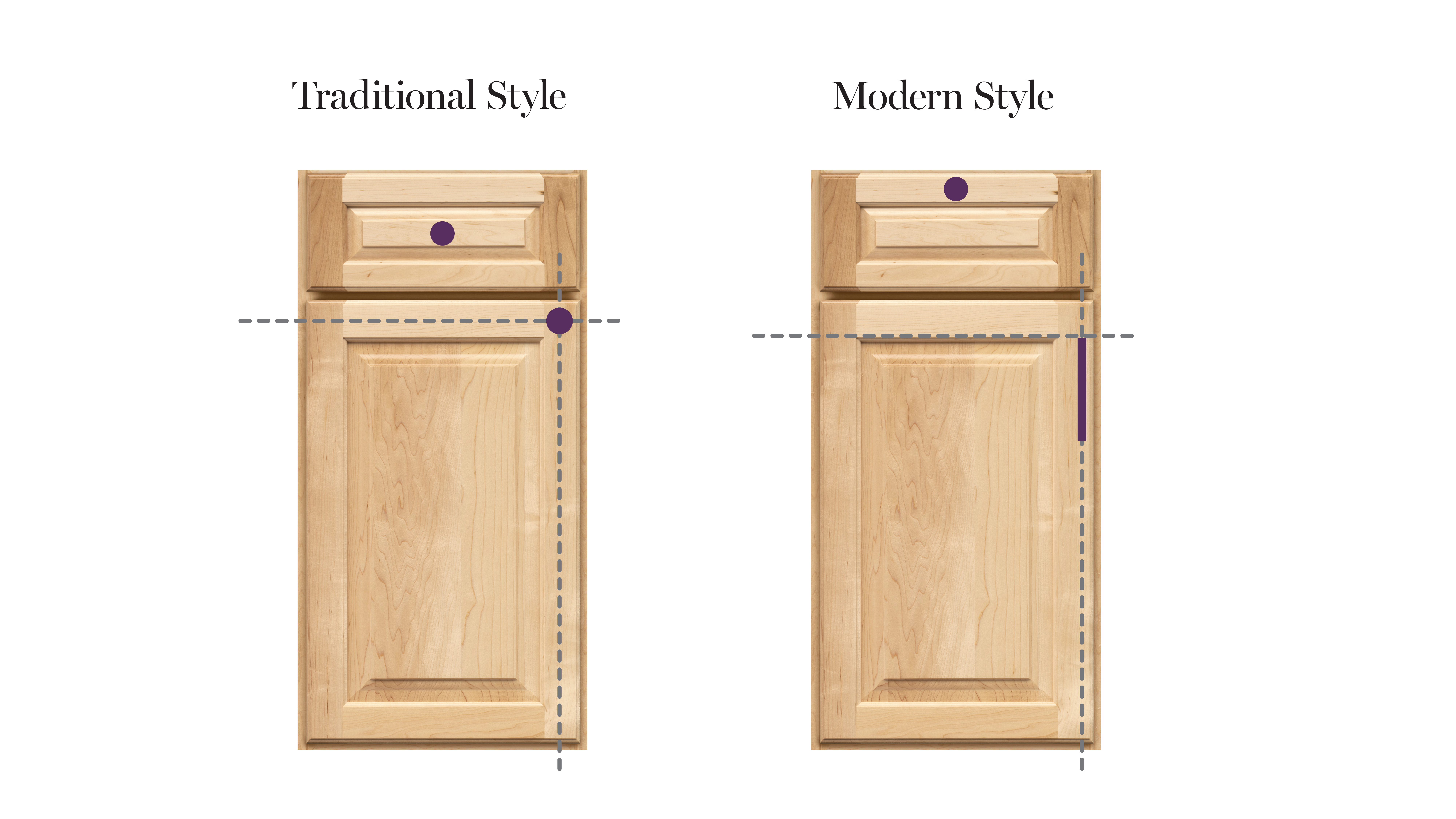
Each cabinet style needs matching hardware. Modern cabinets suit simple, sleek handles. Traditional cabinets look best with detailed knobs. Mixing styles can confuse the room’s look. Choose hardware that fits the cabinet’s design. This keeps the space balanced and pleasing to the eye.
Special Considerations
Placing cabinet hardware requires extra thought in some situations. Special cases need care to make sure the hardware fits well and works properly. Consider the style, use, and who will use the cabinets most.
Custom Cabinets
Custom cabinets often have unique shapes or sizes. This means hardware placement may need adjusting. Follow the cabinet design to keep a balanced look. Hardware should match the cabinet’s style and finish. Measure carefully before drilling holes. Small changes can make a big difference.
Ergonomics And Accessibility
Hardware must be easy to reach and use. Think about who uses the cabinets the most. Place handles where hands naturally go. For children or people with limited movement, lower or larger hardware works better. Avoid sharp edges for safety. Comfort and function come first.
Credit: www.kraftmaid.com
Frequently Asked Questions
Where Should Cabinet Hardware Be Placed On Doors?
Cabinet hardware is usually placed 2 to 3 inches from the top corner on door fronts. This ensures easy access and a balanced look. For left-hinged doors, place hardware on the right side, and vice versa, to maintain functionality and style.
How High Should Cabinet Handles Be Installed?
Install cabinet handles about 2. 5 to 3 inches from the bottom edge for upper cabinets. For lower cabinets, place them 2. 5 to 3 inches from the top edge. This height provides comfortable grip and a consistent appearance.
Should Cabinet Knobs Be Centered Or Offset?
Cabinet knobs are typically installed 2 to 3 inches from the top or bottom corner of the door. Centering knobs is less common and can look awkward. Offset placement enhances both usability and visual appeal.
What Is The Best Hardware Placement For Drawers?
Place drawer pulls horizontally centered and about 2 to 3 inches from the top edge. This position makes opening drawers easy and maintains a clean, symmetrical look across your cabinetry.
Conclusion
Choosing the right spot for cabinet hardware makes a big difference. It helps your cabinets look neat and easy to use. Think about how you open doors or drawers most often. Place knobs or pulls where your hand naturally goes.
This small step can improve both style and function. Remember, simple choices often bring the best results. Try different positions before fixing hardware. Feel the comfort and see what fits your space best. Your cabinets will look better and work smoother with the right hardware placement.