Is your Restoration Hardware medicine cabinet showing signs of wear or damage? You don’t have to live with a broken or wobbly cabinet that disrupts the look of your bathroom.
Imagine restoring it to its original beauty with just a few simple steps. In this guide, you’ll discover easy, effective ways to repair your medicine cabinet yourself—saving time, money, and frustration. Ready to bring back that sleek, polished look? Let’s dive in and get your cabinet looking brand new again.
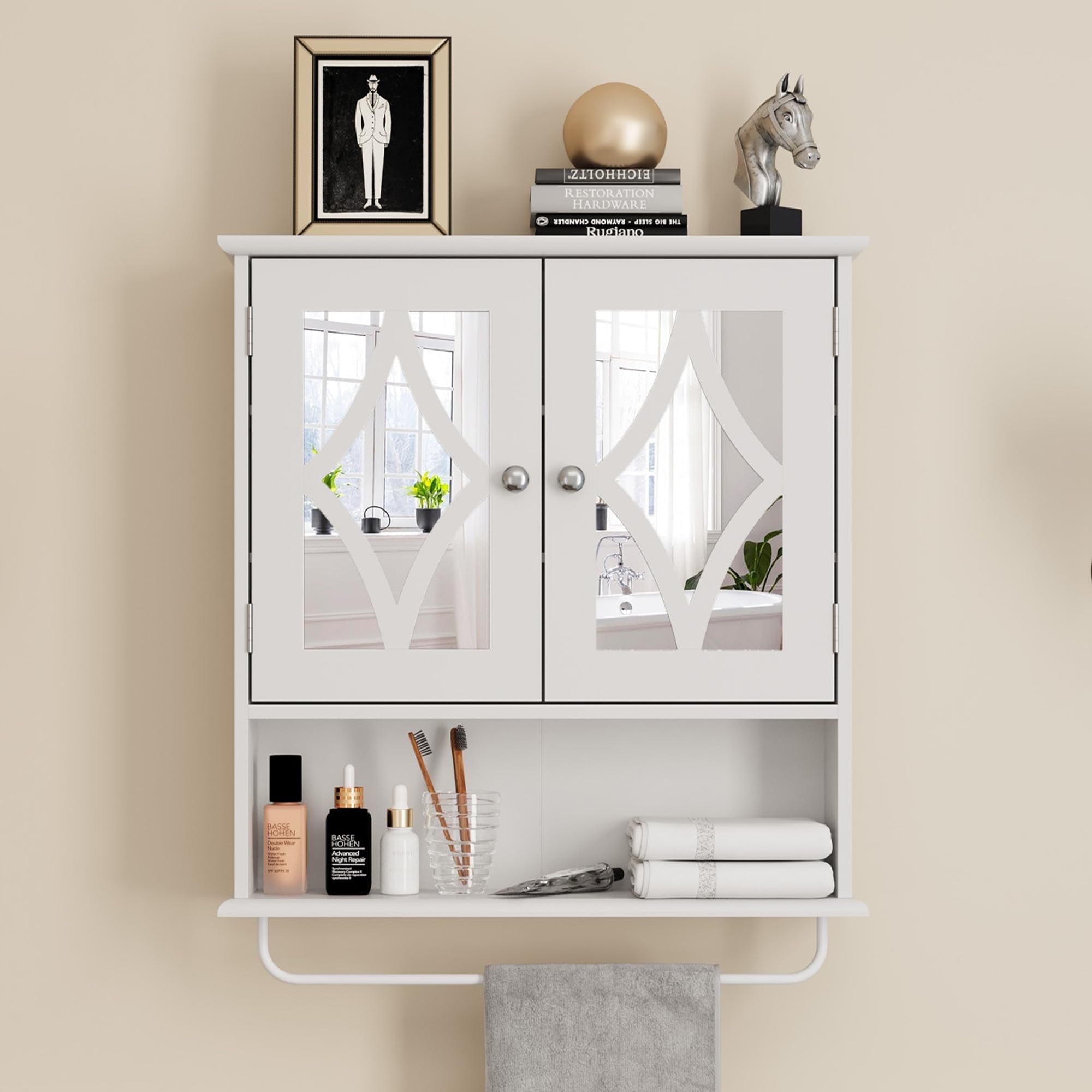
Credit: royalcraft.store
Common Issues With Medicine Cabinets
Medicine cabinets often face common problems that affect their use and look. These issues make it hard to open, close, or store items safely. Understanding these problems helps you fix them quickly and keep your cabinet in good shape.
Loose Hinges And Doors
Hinges can get loose from daily use. Doors may sag or not close properly. Tightening screws or replacing hinges can solve this problem. Check hinges regularly to keep the door aligned and secure.
Damaged Shelves
Shelves inside the cabinet can crack or break under weight. Water damage or wear causes shelves to weaken. Replace broken shelves with new ones or use shelf brackets for extra support. Keep shelves dry to avoid damage.
Mirror Problems
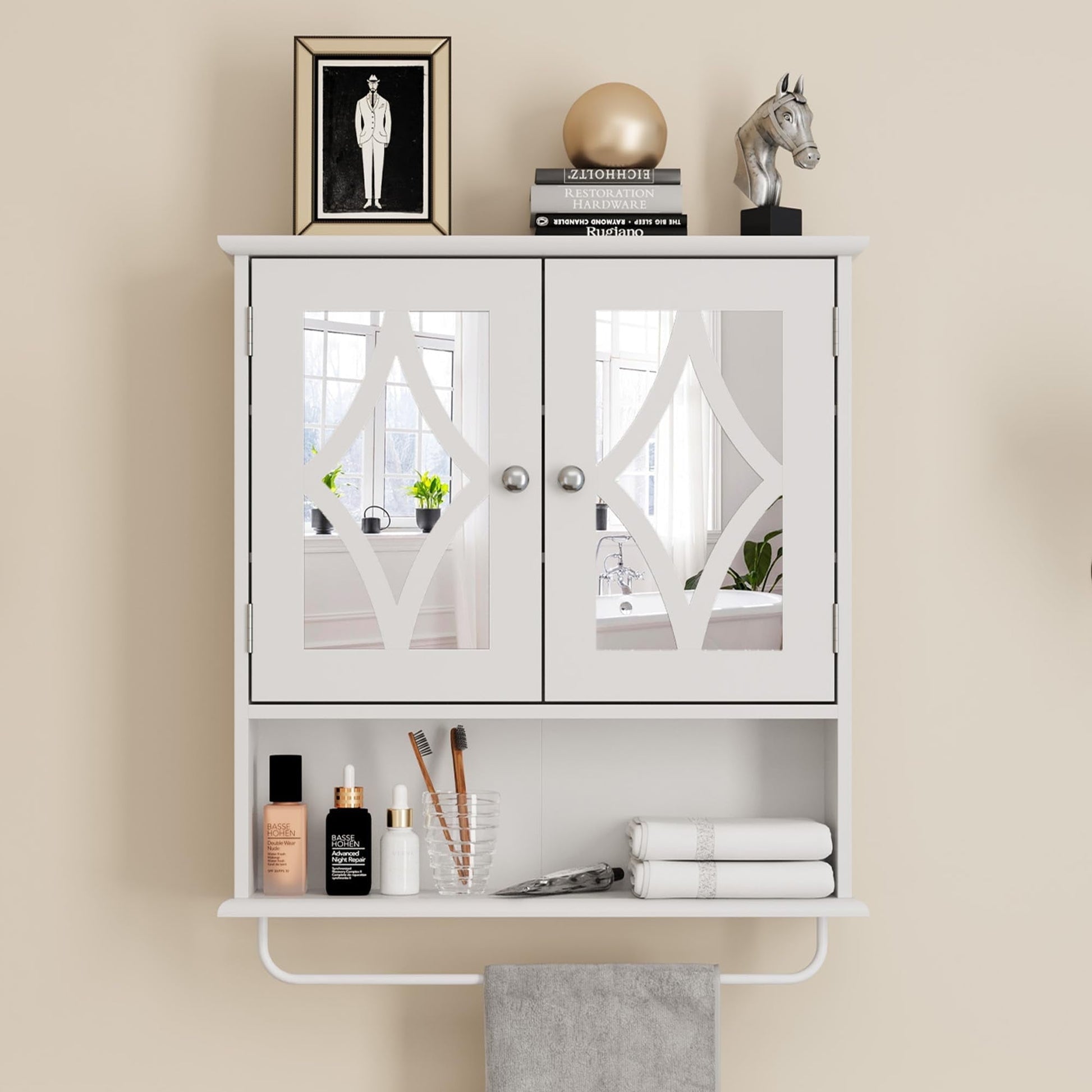
Mirrors can get cloudy, cracked, or detached. Moisture often causes mirror damage. Clean mirrors with a soft cloth and mild cleaner. Replace cracked mirrors to keep the cabinet safe and attractive.
Faulty Locks And Latches
Locks or latches may stop working or become loose. This affects the cabinet’s security and closure. Fix or replace broken locks to keep items safe. Adjust latches to ensure the door stays shut firmly.
Credit: royalcraft.store
Tools And Materials Needed
Repairing a Restoration Hardware medicine cabinet needs the right tools and materials. Having these ready makes the job easier and faster. Gather everything before starting the repair to avoid interruptions. This list covers the basics you will need for most repairs.
Basic Hand Tools
Start with essential hand tools like a screwdriver set. Both flathead and Phillips screwdrivers work for most screws. A hammer can help with small nails or to tap parts gently. Pliers are useful for gripping and bending metal pieces. A tape measure helps check dimensions accurately. A level ensures the cabinet hangs straight after repair.
Replacement Parts
Replacement parts depend on the damage. Common parts include new hinges, screws, or knobs. Sometimes glass shelves or the mirror may need replacing. Check the cabinet model for exact part sizes. Purchase parts from a hardware store or online. Keep the old parts to compare and get the right fit.
Cleaning Supplies
Cleaning supplies prepare the cabinet for repair. Use mild soap and water to remove dirt and grease. Soft cloths prevent scratches on delicate surfaces. Glass cleaner works well for mirrors. Avoid harsh chemicals that can damage finishes. Clean parts before reassembling for a fresh look.
Fixing Loose Hinges And Doors
Loose hinges and doors on a Restoration Hardware medicine cabinet cause annoyance. They make the cabinet unstable and harder to use. Fixing these issues improves the cabinet’s function and appearance. Small repairs save money and time compared to full replacements.
Follow simple steps to tighten, replace, or adjust the hinges and doors. These actions restore the cabinet’s smooth operation. No special tools or skills are necessary. The process is straightforward and effective.
Tightening Screws
Start by checking all hinge screws. Loose screws cause wobbly doors. Use a screwdriver to tighten each screw firmly. Avoid overtightening to prevent damage to the wood or screws. Tight screws hold the hinges securely and stop door movement.
Replacing Hinges
Old or damaged hinges may need replacement. Remove the screws holding the hinge to the cabinet and door. Buy new hinges matching the original size and style. Attach the new hinges with screws, making sure they fit tightly. Replacing hinges improves door stability and longevity.
Adjusting Door Alignment
Doors that do not close properly need alignment. Loosen hinge screws slightly to move the door. Shift the door up, down, or sideways until it fits the frame well. Tighten the screws once the door is aligned. Proper alignment prevents gaps and rubbing against the cabinet frame.

Credit: www.remodelista.com
Repairing Or Replacing Shelves
Repairing or replacing shelves in your Restoration Hardware medicine cabinet can restore its function and look. Shelves may break or wear out from daily use. Fixing or swapping them is a simple task with the right steps. This section guides you through checking shelf damage, installing new shelves, and securing supports.
Assessing Shelf Damage
Start by removing the shelf from the cabinet. Check for cracks, warping, or stains. Look closely at the edges and corners. Minor scratches can be fixed with sanding. Large cracks or broken parts need full replacement. Also, inspect the shelf supports for rust or bending.
Installing New Shelves
Measure the inside width and depth of the cabinet. Cut the new shelf to the correct size. Use wood or glass based on your cabinet style. Sand edges smooth to avoid splinters. Place the new shelf carefully on the supports. Make sure it fits snugly without gaps.
Securing Shelf Supports
Check if the shelf supports hold the shelf firmly. Tighten loose screws or replace missing ones. Use small brackets or clips for extra strength. Ensure supports are level and evenly spaced. This keeps your shelf stable and safe for use.
Restoring Or Replacing Mirrors
Restoring or replacing mirrors in your Restoration Hardware medicine cabinet can bring back its original charm. A clear, smooth mirror adds both function and style to your bathroom. Damaged mirrors make the cabinet look old and worn. Fixing or swapping them is a smart way to renew your space.
Careful handling is key. Mirrors are fragile and need proper tools. With the right steps, you can do this safely and effectively. Here’s how to remove, cut, and secure your medicine cabinet mirrors.
Removing Damaged Mirrors
Start by protecting your hands with gloves. Use a putty knife or flat tool to loosen mirror edges. Gently pry the mirror away from the cabinet frame. Take your time to avoid cracking the glass. Remove any leftover adhesive or nails carefully. Clean the surface before fitting a new mirror.
Cutting Replacement Mirrors
Measure the cabinet space accurately. Use a glass cutter to score the mirror along the measured lines. Place the mirror on a flat surface with the scored line over the edge. Press down gently to snap the mirror along the score. Smooth rough edges with fine sandpaper or a rubbing stone. Work slowly to avoid breaking the mirror.
Securing Mirrors Safely
Apply mirror adhesive or double-sided tape to the back of the new mirror. Press the mirror firmly into place on the cabinet. Use small mirror clips or brackets for extra support. Allow adhesive to dry fully before using the cabinet. Check the mirror is secure and stable before finishing up.
Fixing Locks And Latches
Fixing locks and latches on a Restoration Hardware medicine cabinet keeps it secure and easy to use. Over time, these parts can wear out or stop working smoothly. Repairing them restores both function and appearance. This section explains how to fix common issues with locks and latches.
Lubricating Mechanisms
Locks and latches may stick or feel stiff. Apply a small amount of lubricant to moving parts. Use silicone spray or graphite powder for best results. Avoid oil-based lubricants that attract dust and dirt. After applying, move the lock or latch several times. This spreads the lubricant and improves smoothness.
Replacing Broken Locks
Broken locks cannot secure the cabinet properly. Remove the damaged lock by unscrewing it carefully. Take the old lock to a hardware store to find a matching replacement. Install the new lock by aligning it with the holes. Tighten the screws firmly but do not over-tighten. Test the lock to ensure it opens and closes easily.
Aligning Latches Properly
Misaligned latches cause the door to not close or lock well. Check if the latch lines up with the strike plate on the cabinet frame. Loosen the screws on the latch or strike plate slightly. Adjust the position until the latch fits perfectly into the plate. Tighten all screws and test the door several times. Proper alignment keeps the door secure and prevents damage.
Maintenance Tips For Longevity
Keeping your Restoration Hardware medicine cabinet in good shape takes simple care. Small habits help your cabinet last long and look great. Follow these easy maintenance tips to protect your investment and avoid costly repairs.
Regular attention keeps your cabinet working well and looking clean. It also stops problems before they start. Here are three key steps you can take.
Regular Cleaning
Dust and dirt build up fast in the bathroom. Use a soft cloth to wipe the cabinet weekly. Avoid harsh chemicals that can damage the finish. Mild soap and water work best for cleaning glass and wood. Dry the surfaces after cleaning to prevent water spots.
Routine Inspections
Check your cabinet often for loose hinges or screws. Tighten any parts that feel wobbly. Look for cracks or chips in the wood or glass. Catching small issues early stops bigger damage. Inspect the door seals to ensure they close properly and keep moisture out.
Preventing Moisture Damage
Bathrooms are humid places, which can harm wood and metal. Use a fan or open a window to reduce moisture. Avoid placing wet items inside the cabinet. Wipe up any water spills quickly. Consider adding a moisture absorber inside the cabinet to keep it dry.
Frequently Asked Questions
How Do I Fix A Loose Hinge On Restoration Hardware Cabinet?
To fix a loose hinge, tighten the screws with a screwdriver. If screws are stripped, replace them with longer or thicker ones for a secure fit.
What Tools Are Needed To Repair This Medicine Cabinet?
You’ll need a screwdriver, replacement screws, wood glue, sandpaper, and a soft cloth. These tools help tighten, clean, and restore the cabinet’s structure.
How To Restore Scratched Wood On The Medicine Cabinet?
Use fine sandpaper to gently smooth scratches. Apply wood filler if deep. Finish with matching wood stain or polish to blend repairs seamlessly.
Can I Replace Broken Glass In Restoration Hardware Cabinets?
Yes, measure the glass size accurately. Order a replacement from a glass shop. Carefully remove old glass and install the new piece with proper adhesive.
Conclusion
Repairing your Restoration Hardware medicine cabinet is simpler than it seems. Small fixes can bring back its charm and function. Taking time to follow clear steps helps avoid mistakes. Use basic tools and patience for the best results. A well-maintained cabinet lasts longer and looks great.
Keep your bathroom organized and tidy with a sturdy cabinet. Remember, regular care prevents future damage and saves money. Enjoy the satisfaction of fixing something with your own hands. Your effort truly makes a difference in your home’s look and feel.