Are you ready to tackle your next project with confidence? Knowing how to use concrete fasteners can make all the difference when it comes to securing items to tough concrete surfaces.
Whether you’re hanging shelves, mounting fixtures, or building outdoor structures, choosing the right fastener and using it correctly will save you time and frustration. In this guide, you’ll discover simple steps and insider tips that make the process easy—even if you’ve never worked with concrete before.
Keep reading, and you’ll learn how to get strong, lasting results every time.
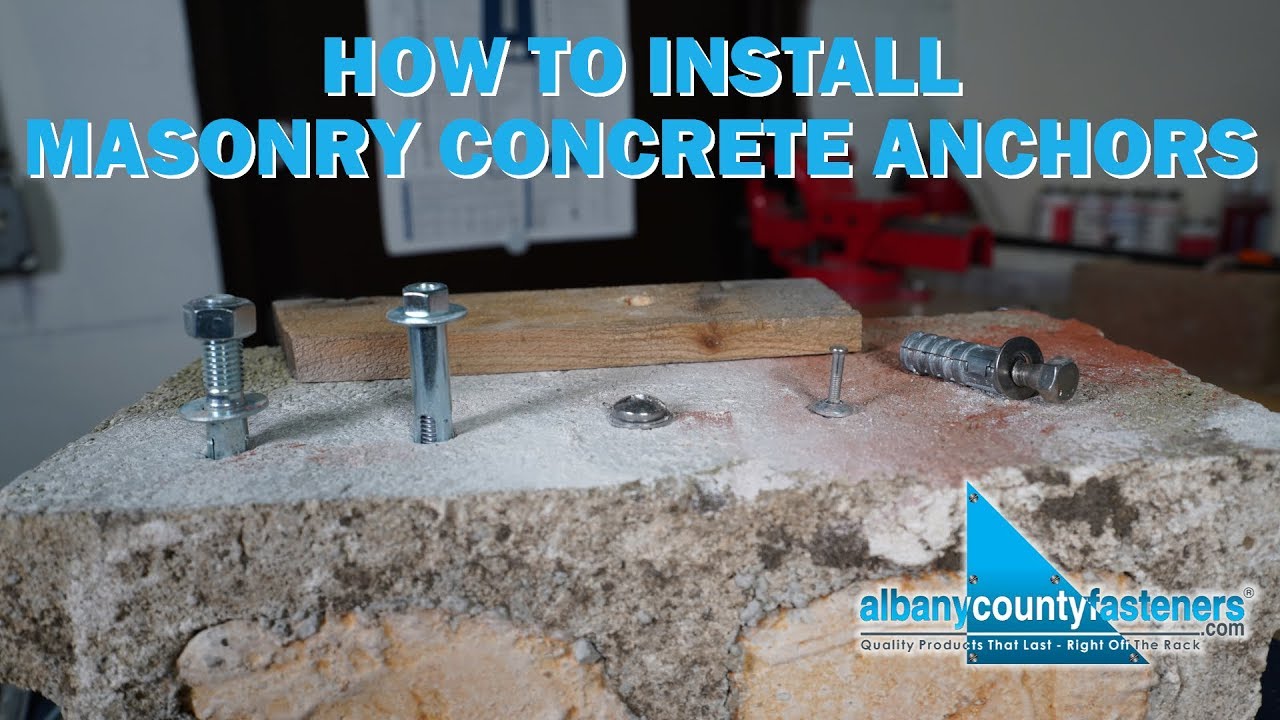
Types Of Concrete Fasteners
Concrete fasteners secure objects to concrete surfaces. Different types suit different jobs. Choosing the right fastener improves strength and safety. Understanding the main types helps you pick the best one.
Expansion Anchors
Expansion anchors hold tightly by expanding inside the hole. Insert the anchor, then tighten the bolt or screw. This causes the anchor to press against the concrete. They work well for medium-weight loads and are easy to install.
Sleeve Anchors
Sleeve anchors have a metal sleeve around a bolt. When tightened, the sleeve expands, gripping the concrete. They are strong and good for heavy-duty tasks. Use them for attaching metal, wood, or other materials.
Wedge Anchors
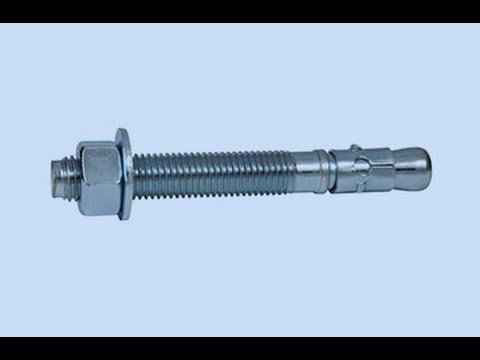
Wedge anchors are very strong fasteners for heavy loads. Insert the anchor into a drilled hole. Tighten the nut, which pulls the wedge into place. This locks the anchor firmly inside the concrete. Ideal for structural supports and safety equipment.
Hammer-set Anchors
Hammer-set anchors install quickly by hammering them into a hole. They have a pin that expands the anchor inside the concrete. Best for light to medium loads. Commonly used for attaching fixtures or electrical boxes.
Adhesive Anchors
Adhesive anchors use glue or epoxy to hold fasteners. Drill a hole, inject the adhesive, then insert the anchor. The glue bonds with the concrete for strong holding power. Great for uneven surfaces or where vibration occurs.
Choosing The Right Fastener
Choosing the right concrete fastener is important for a strong and safe hold. Different jobs need different fasteners. Picking the right one means your project will last longer and work better.
Assessing Load Requirements
Check how much weight the fastener must hold. Heavy loads need stronger fasteners. Light loads can use smaller ones. Think about the pressure and force on the fastener.
Considering Concrete Thickness
Measure the thickness of the concrete surface. Thin concrete needs shorter fasteners. Thick concrete allows longer fasteners for a better grip. This prevents cracking or damage.
Environmental Factors
Think about where the fastener will be used. Outdoor areas may need rust-resistant fasteners. Wet or humid places require corrosion-proof options. Choose fasteners that fit the environment.
Tool Compatibility
Check what tools you have for installation. Some fasteners need specific drills or drivers. Using the right tool makes the job easier and safer. Match the fastener to your tools for best results.
Tools Needed For Installation
Using concrete fasteners requires the right tools to make the job easier and safer. Having these tools ready helps you work faster and avoid mistakes. Each tool plays a specific role during installation.
Drill And Bits
A powerful drill is essential for making holes in concrete. Use masonry drill bits designed for concrete to ensure clean holes. Choose the right drill size based on the fastener you use.
Drilling properly prevents cracks and ensures the fastener fits tightly. A cordless drill adds convenience and mobility on the job.
Hammer
A hammer helps to tap fasteners into place. A claw hammer or a small sledgehammer works well for this task. Use gentle but firm taps to avoid damaging the fastener or concrete.
Hammers also help remove old fasteners or adjust the placement if needed. Always hold the hammer securely for better control.
Wrench And Socket Set
A wrench or socket set tightens bolts and screws on fasteners. Make sure the size matches the fastener head to avoid slipping. A ratchet wrench speeds up the tightening process.
Proper tightening ensures the fastener holds strong and stays stable. Avoid over-tightening to prevent stripping threads or breaking fasteners.
Safety Gear
Wear safety glasses to protect your eyes from dust and debris. Use gloves to protect your hands from rough surfaces and sharp edges. A dust mask helps prevent inhaling harmful particles.
Hearing protection is important when drilling, as noise can be loud. Safety gear keeps you safe and comfortable during the installation process.
Preparing The Concrete Surface
Preparing the concrete surface is the first step in using concrete fasteners. A clean and well-marked surface ensures strong and safe fastening. It also helps avoid mistakes during installation.
Follow these simple steps to prepare the concrete correctly. Each step improves the quality of your work and the durability of your fasteners.
Cleaning The Area
Start by removing dust, dirt, and loose particles. Use a wire brush or a vacuum to clean the surface well. A clean surface allows the fastener to grip firmly. Avoid using water, as it can weaken the concrete temporarily.
Marking Drill Points
Measure and mark the exact points where you will drill. Use a pencil or chalk for clear visibility. Double-check the marks to avoid errors. Accurate marks help ensure the fasteners hold in the right place.
Checking For Reinforcement
Concrete often contains steel bars called rebar. Use a rebar detector or a magnet to find reinforcement. Avoid drilling directly into rebar to prevent damage. Adjust your drill points if you detect reinforcement nearby.
Step-by-step Installation Process
The step-by-step installation process for concrete fasteners is simple and straightforward. Each step ensures a strong and secure hold in concrete surfaces. Follow these clear instructions to install fasteners correctly and safely.
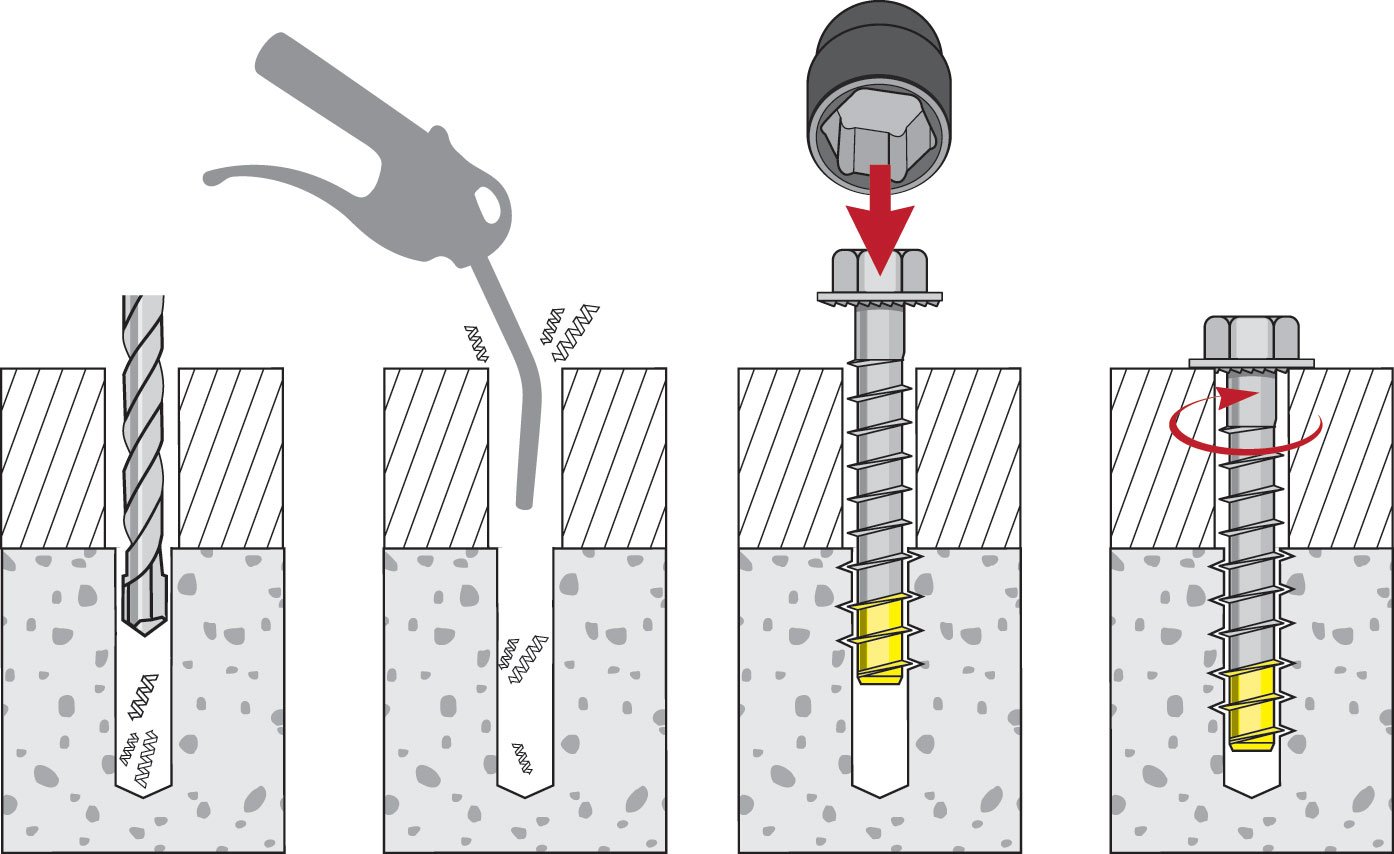
Drilling The Hole
Start by choosing the right drill bit size for the fastener. Use a hammer drill to make a hole in the concrete. Drill straight and to the depth recommended by the fastener’s instructions. Avoid making the hole too wide or too shallow.
Cleaning The Hole
Remove dust and debris from the drilled hole. Use a wire brush or a clean cloth to clean inside. Blowing air into the hole with a blower or compressed air works well. A clean hole helps the fastener grip better.
Inserting The Fastener
Place the fastener into the cleaned hole. Tap it gently with a hammer if needed. Make sure the fastener sits flush with the concrete surface. Do not force it too hard to avoid damage.
Securing The Fastener
Tighten the fastener with a wrench or screwdriver. Follow the manufacturer’s torque specifications. Tightening expands the fastener inside the hole for a firm hold. Check the fastener is secure but avoid over-tightening.
Credit: allfasteners.com
Common Installation Mistakes
Using concrete fasteners seems simple but many make mistakes. These errors can cause weak holds and unsafe results. Knowing common mistakes helps you install fasteners correctly and safely.
Incorrect Hole Size
Drilling the wrong hole size is a frequent error. A hole too small can crack the concrete. A hole too big makes the fastener loose. Measure twice and use the right drill bit size.
Poor Hole Cleaning
Dust and debris inside the hole reduce fastener strength. Clean the hole with a brush or air blower. This step ensures the fastener grips the concrete well.
Over-tightening
Turning the fastener too tight can damage both fastener and concrete. Tighten until firm, then stop. Over-tightening may strip the threads or crack the base.
Ignoring Load Limits
Every fastener has a weight limit. Exceeding this limit risks failure and accidents. Choose a fastener that matches your load needs. Check the product specifications before use.
Maintenance And Inspection Tips
Maintaining and inspecting concrete fasteners is important for safety and durability. Regular care helps avoid failures and costly repairs. Fasteners hold structures firmly, so they must stay strong over time.
Simple checks can find problems early. Knowing what to look for saves time and money. Follow these tips to keep your fasteners in good condition.
Regular Checks
Check fasteners often, especially in high-use areas. Look for looseness or movement. Tighten any loose fasteners with the right tools. Make this a routine task for lasting results.
Signs Of Wear
Look closely for cracks, rust, or corrosion. These signs show fasteners may fail soon. Also watch for bending or damage. Early detection prevents bigger problems later.
Replacing Fasteners
Replace fasteners if damage or wear appears. Use the same type and size for best fit. Remove old fasteners carefully to avoid harming concrete. Proper replacement keeps structures safe and strong.
Credit: www.youtube.com
Applications Of Concrete Fasteners
Concrete fasteners hold objects firmly to concrete surfaces. They are essential in many tasks. These fasteners provide strong, reliable support. Their use spans several fields and projects.
Construction Projects
Concrete fasteners secure beams, pipes, and panels. Builders rely on them for walls and floors. They help in installing electrical boxes and fixtures. Fasteners also hold safety railings in place. Their strength ensures long-lasting structures.
Home Repairs
Homeowners use concrete fasteners for shelves and cabinets. They fix outdoor lights and mailboxes to walls. Fasteners hold handrails and gates securely. They make repairs quick and stable. Using the right fastener improves safety at home.
Industrial Uses
Industries use concrete fasteners for heavy machinery. They anchor equipment to resist vibrations. Fasteners support conveyor systems and storage racks. Their durability suits harsh factory environments. They keep operations running smoothly and safely.
Credit: www.youtube.com
Frequently Asked Questions
What Are The Main Types Of Concrete Fasteners?
Concrete fasteners include anchor bolts, sleeve anchors, wedge anchors, and drop-in anchors. Each type suits different load requirements and concrete conditions for secure attachments.
How Do I Choose The Right Concrete Fastener?
Select fasteners based on weight load, concrete thickness, and environmental factors. Match fastener size and type to your project needs for optimal strength and durability.
Can I Install Concrete Fasteners Without Drilling?
No, most concrete fasteners require pre-drilling a hole. Properly sized holes ensure secure fastening and prevent damage to the concrete.
What Tools Are Needed To Use Concrete Fasteners?
You need a hammer drill, masonry bit, hammer, and wrench. These tools help drill holes and securely install the fasteners into concrete surfaces.
Conclusion
Concrete fasteners hold materials firmly in place. Choose the right type for your project. Clean the surface before installation for best results. Use the correct tools to avoid damage. Tighten fasteners securely but do not overtighten. Check fasteners regularly to ensure safety.
Small steps lead to strong, lasting fixes. Follow these tips for confident, easy fastening.