Are you struggling to find the right way to use round head fasteners? These simple yet essential tools can make a big difference in your projects, whether you’re fixing furniture, building something new, or handling repairs.
But if you don’t use them correctly, you might face problems like loose fittings or damaged materials. In this guide, you’ll discover easy steps and insider tips to make the most of round head fasteners. By the end, you’ll feel confident and ready to tackle your next project with the perfect fastening technique.
Keep reading to unlock the secrets that professionals don’t always share!
Types Of Round Head Fasteners
Round head fasteners come in many types. Each type suits different projects and needs. Understanding these types helps you pick the right fastener. This section explains the common materials, sizes, and special variations.
Common Materials
Round head fasteners are made from various materials. Steel is the most common. It offers strength and durability. Stainless steel resists rust and corrosion. Brass provides a decorative look and resists corrosion. Nylon fasteners are light and non-conductive. Choose material based on your project’s environment and needs.
Sizes And Dimensions
Fasteners come in many sizes. Length and diameter vary to fit different uses. Head diameter also differs by design. Thread pitch affects how tightly the fastener holds. Small fasteners are for delicate jobs. Larger ones suit heavy-duty tasks. Always measure carefully before buying.
Specialty Variations
Some round head fasteners have unique features. Phillips or slotted drive types allow different screwdriver uses. Some heads are polished for a clean look. Others have coated finishes for extra protection. Specialty fasteners include tamper-resistant versions. These prevent unauthorized removal. Choose specialty fasteners for specific needs or aesthetics.

Credit: patagonic.cl
Selecting The Right Fastener
Selecting the right round head fastener is key for strong, lasting connections. The right fastener matches the job’s needs. This choice affects safety, durability, and ease of use. Understanding how to select fasteners helps avoid problems later.
Matching Fastener To Application
Choose a fastener that fits the materials being joined. Wood, metal, and plastic need different types. Size matters too. The fastener should hold parts tightly without damage. Consider the environment where the fastener will be used. Indoor and outdoor settings require different fasteners.
Load And Strength Considerations
Check the load the fastener must carry. Heavy loads need stronger fasteners made from tough materials. Light loads can use smaller, simpler fasteners. Know the force type: tension, shear, or compression. Use fasteners designed for the correct force to avoid failure.
Corrosion Resistance Options
Choose fasteners that resist rust and corrosion. Zinc-coated or stainless steel fasteners last longer outdoors. Corrosion can weaken fasteners and cause damage. For humid or wet areas, use corrosion-resistant materials. This ensures safety and extends the fastener’s life.
Tools Needed For Assembly
Using round head fasteners correctly needs the right tools. These tools help secure fasteners tightly and safely. They also make assembly faster and prevent damage to parts.
Screwdrivers And Drivers
Screwdrivers fit the fastener’s head shape. Flathead and Phillips screwdrivers are common choices. Use a driver for power tools to save time. Choose the right size to avoid slipping or stripping.
Torque Wrenches
Torque wrenches control how tight the fastener gets. They stop over-tightening, which can break parts. Set the wrench to the recommended torque level. This keeps the assembly strong and safe.
Additional Accessories
Washers protect surfaces and spread pressure evenly. Thread lockers keep fasteners from loosening over time. Use magnetic trays to hold small fasteners during work. These extras improve the assembly process and final result.

Credit: www.officesupply.com
Preparing The Workpiece
Preparing the workpiece is a vital step before using round head fasteners. It ensures the fasteners hold tightly and last longer. Proper preparation helps avoid mistakes and saves time during assembly.
Cleaning And Surface Prep
Start by cleaning the workpiece surface thoroughly. Remove dirt, oil, and rust with a clean cloth or brush. A clean surface helps the fastener grip better. Use a mild solvent if needed. Let the surface dry completely before moving on.
Drilling Accurate Holes
Mark the exact spots for drilling holes. Use a center punch to prevent the drill bit from slipping. Choose the correct drill bit size for your fastener. Drill straight and steady to get clean holes. Check hole depth to match fastener length.
Thread Tapping Tips
Use the right tap size for your hole and fastener. Apply cutting oil to reduce friction and heat. Turn the tap slowly and back it out often. This clears metal shavings and keeps threads clean. Ensure threads are straight and smooth for easy fastener insertion.
Step-by-step Assembly Guide
Using round head fasteners correctly ensures a strong and lasting hold. This step-by-step guide helps you assemble parts with ease. Follow each stage carefully to avoid mistakes and achieve the best results.
Aligning Components
Place the parts together in the correct position. Check that holes line up perfectly for the fasteners. Hold the pieces steady to prevent shifting during assembly. Proper alignment saves time and avoids damage to materials.
Inserting And Tightening Fasteners
Insert the round head fasteners through the aligned holes. Start threading by hand to keep the fastener straight. Use the right tool to tighten the fastener securely. Tighten gradually to avoid stripping or breaking the fastener.
Ensuring Proper Torque
Use a torque wrench to apply the right force. Follow the manufacturer’s torque specifications closely. Too much force can damage parts or fasteners. Too little force may cause loosening over time. Proper torque ensures safety and durability of the assembly.
Common Assembly Mistakes
Using round head fasteners correctly is key for strong and safe assemblies. Many users make simple errors that cause problems. Avoiding these common assembly mistakes helps keep parts secure and damage-free.
Understanding these issues saves time and cost. It also improves the lifespan of your projects.
Overtightening Risks
Applying too much force can strip threads or break parts. Overtightening harms the fastener’s grip and the material it holds. Use a torque wrench or follow product guidelines. Tighten only until snug, not too tight.
Cross-threading Issues
Cross-threading happens when fasteners are inserted at the wrong angle. It damages the threads and weakens the connection. Always start fasteners by hand to feel resistance. Align parts carefully before using tools.
Fastener Damage Prevention
Protect fasteners by using the right tools and sizes. Avoid using worn or damaged drivers. Keep fasteners clean and free from dirt. Store them properly to prevent rust and deformation.
Maintenance And Inspection
Proper maintenance and inspection keep round head fasteners safe and strong. Checking fasteners regularly helps avoid problems. Early fixes save time and money. Regular care makes sure fasteners work well for a long time.
Regular Tightness Checks
Check fasteners often to keep them tight. Loose fasteners cause parts to move or fall apart. Use a wrench or screwdriver to test tightness. Tighten any loose fasteners carefully. Avoid over-tightening as it can damage threads.
Replacing Worn Fasteners
Look for signs of wear like rust, cracks, or stripped heads. Worn fasteners lose strength and can fail. Replace damaged fasteners with new ones of the same size and type. Using fresh fasteners ensures safety and durability in your projects.
Preventing Loosening Over Time
Vibration and movement can loosen fasteners. Use thread-locking compounds or washers to keep them secure. Check fasteners after heavy use or shaking. Keeping them tight prevents accidents and keeps structures stable.
Applications Of Round Head Fasteners
Round head fasteners have many uses across different industries. Their shape and design make them ideal for various tasks. These fasteners hold parts together firmly and look neat. Their rounded head also helps spread pressure evenly. This reduces damage to surfaces. Here are some common applications of round head fasteners.
Electronics Assembly
Round head fasteners are popular in electronics. They secure small parts without damaging delicate components. Their smooth heads prevent scratching circuit boards. These fasteners allow easy access for repairs. They keep devices like computers and phones stable. Their size fits well in tight spaces.
Automotive Uses
Cars use round head fasteners in many areas. They hold panels and trims securely. Their shape helps avoid sharp edges that cause injuries. These fasteners resist vibration and movement. This keeps parts from loosening while driving. They also help maintain the vehicle’s look.
Furniture Construction
Round head fasteners play a key role in furniture making. They join wood pieces without splitting them. Their rounded heads add a smooth finish. These fasteners support strong joints and stability. They are easy to install and remove. Ideal for assembling chairs, tables, and cabinets.
Credit: www.odpbusiness.com
Frequently Asked Questions
What Are Round Head Fasteners Used For?
Round head fasteners secure materials where a smooth, rounded finish is needed. They work well with wood, metal, and plastic. Their design prevents damage to surfaces and reduces snagging risks, making them ideal for furniture, electronics, and automotive applications.
How Do You Install Round Head Fasteners Correctly?
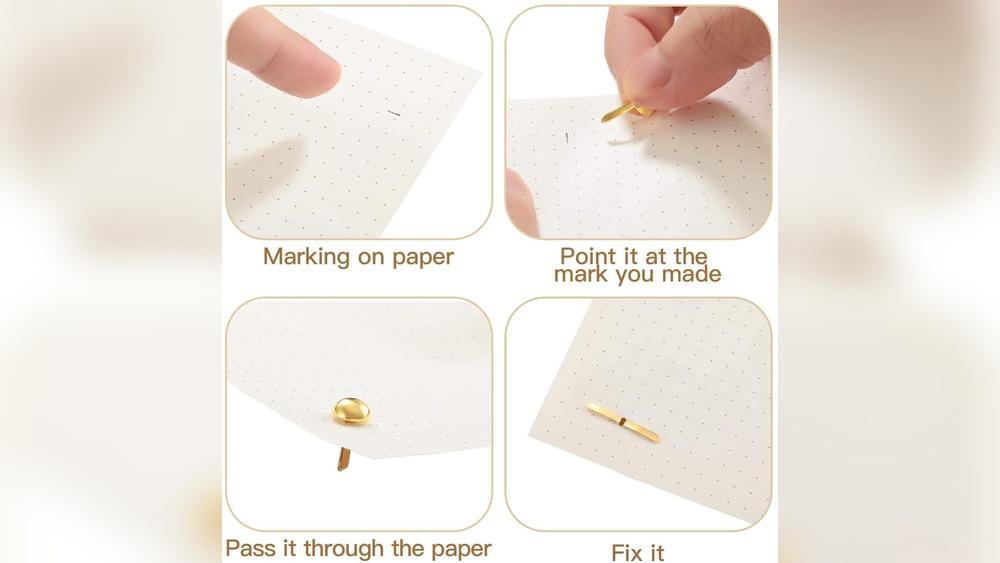
To install, align the fastener with the hole, then use a screwdriver or drill. Apply steady pressure and turn clockwise until tight. Avoid over-tightening to prevent stripping or damaging materials. Proper installation ensures a secure, durable hold.
What Materials Suit Round Head Fasteners Best?
Round head fasteners work well with wood, metal, and plastic. They provide strong fastening without surface damage. Choose stainless steel or brass for corrosion resistance. Their versatility makes them suitable for construction, furniture, and electrical projects.
Can Round Head Fasteners Be Reused Safely?
Yes, round head fasteners can be reused if undamaged. Inspect threads and head for wear before reuse. Reusing saves costs and reduces waste. However, replace if stripping or deformation is evident to maintain fastening strength.
Conclusion
Round head fasteners fit many projects with their simple design. They hold parts tightly and look smooth on surfaces. Choose the right size and material for best results. Use basic tools to install them quickly and safely. Keep fasteners clean and check them often to avoid problems.
Small steps lead to strong, lasting connections. This helps your work stay neat and reliable over time.