Have you ever wondered if a simple brass paper fastener can conduct electricity or if it blocks it like an insulator? You might be surprised by the answer because this small, everyday item plays a role you probably never considered.
Understanding whether a brass paper fastener is a conductor or an insulator can help you grasp basic electrical concepts and even keep you safe when working with electronics. Keep reading to uncover the truth behind this common office tool and how it relates to electricity in ways you didn’t expect.
Basics Of Brass Paper Fasteners
Brass paper fasteners are small, simple tools often used in offices and schools. They help hold papers together by piercing and folding over. Understanding their basics reveals why they are popular and how they function.
Material Composition
Brass paper fasteners are made from brass, an alloy of copper and zinc. This mix gives them strength and a shiny, gold-like look. Brass is known for its ability to resist rust and corrosion. It also conducts electricity well, unlike plastic or wood.
Common Uses
These fasteners secure multiple sheets of paper neatly. They are also useful in crafts and light repairs. Their metal nature allows them to bend easily but stay firm. Schools, offices, and artists use them for organizing and holding materials.

Credit: studylib.net
Conductivity Of Brass
Brass is a metal alloy made of copper and zinc. It is common in many everyday objects, including paper fasteners. Understanding brass’s conductivity helps us know if a brass paper fastener can carry electricity or not.
Brass has good conductivity but is not as conductive as pure copper. It allows electricity and heat to pass through, but with some resistance. This makes brass useful in many electrical and thermal applications.
Electrical Properties
Brass conducts electricity better than many metals but worse than copper. Its electrical resistance is higher due to the zinc content. This means a brass paper fastener can carry electricity but not as efficiently as copper wire.
In small amounts, brass can serve as a conductor for low current. It is not ideal for heavy electrical use. Brass fasteners can complete simple circuits or conduct small charges safely.
Thermal Conductivity
Brass also conducts heat well. It transfers heat faster than steel but slower than copper. This property helps brass objects avoid overheating quickly.
A brass paper fastener can spread heat from one part to another. This makes it useful in situations needing mild heat conduction. It is a moderate thermal conductor, balancing cost and performance.
Brass Paper Fasteners As Conductors
Brass paper fasteners are small tools used to hold papers together. They are made from brass, a metal alloy. Brass can carry electricity, which makes these fasteners conductors. Understanding how brass fasteners conduct electricity helps us see their practical uses and limits.
How They Conduct Electricity
Brass contains copper and zinc. Copper is a good conductor of electricity. It allows electric current to flow easily. The metal atoms in brass have free electrons. These electrons move through the metal when electricity passes. This movement creates an electric current. Brass fasteners, being metal, share these properties. They conduct electricity but not as well as pure copper. Still, they allow electric charges to travel through them.
Practical Implications
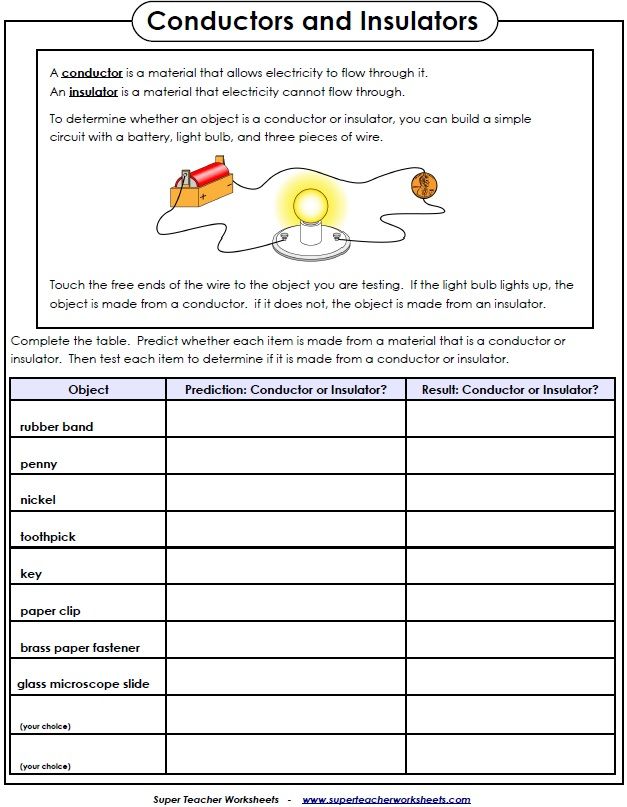
Brass paper fasteners can carry small electric currents. They may cause short circuits in electrical projects if used carelessly. In crafts or school projects, they can connect electrical parts. They help create simple circuits. Their conductivity means they should not touch live wires in devices. Knowing this helps avoid accidental shocks or damage. Brass fasteners are useful but need careful handling around electricity.
Credit: worksheets.clipart-library.com
Brass Paper Fasteners As Insulators
Brass paper fasteners are often thought of as conductors because brass is a metal. Still, in some cases, these fasteners act like insulators. This means they do not let electricity flow freely. Understanding when and why this happens is important for using them safely.
Limitations In Conductivity
Brass paper fasteners have limits in conducting electricity. Their small size means they carry little current. The thin metal parts can heat up quickly. This reduces their ability to pass electricity well. Over time, corrosion can form on the surface. This layer blocks electric flow. These factors make brass fasteners less effective conductors in some uses.
Situations Acting As Insulators
In certain conditions, brass paper fasteners behave like insulators. When covered by paper or plastic, they cannot conduct electricity. Dry air and dirt also stop electric flow. Fasteners used in low voltage or signal circuits act as barriers. They prevent short circuits by not carrying current. This insulating behavior helps protect delicate electronics and paper materials.
Comparing Brass With Other Materials
Brass paper fasteners are common in offices and crafts. Comparing brass to other materials helps understand its properties better. This section explores how brass stands against plastic and other metals.
Metal Fasteners Vs Plastic Fasteners
Metal fasteners, like brass, conduct electricity well. Plastic fasteners do not conduct electricity. Metals allow electric current to pass easily. Plastic acts as a barrier for electric flow. Metal fasteners are strong and durable. Plastic fasteners are lightweight and flexible. Each type suits different uses based on their traits.
Conductivity Differences
Brass is a good conductor of electricity. It carries electric current better than plastic. Plastic fasteners are insulators and block electricity. Metals like steel and copper conduct electricity too. Copper conducts better than brass but costs more. Steel is less conductive than brass but stronger. Choosing a fastener depends on conductivity needs and cost.
Surprising Facts About Brass Fasteners
Brass paper fasteners are small but interesting tools. They often surprise people with their properties and uses. Many wonder if they conduct electricity or not. Understanding brass fasteners reveals facts that many do not expect.
Unexpected Uses
Brass fasteners are not just for holding papers together. People use them in crafts and decorations. They also appear in small mechanical devices. Their resistance to rust makes them useful outdoors. Brass fasteners can even act as connectors in some electrical projects. This shows their versatility beyond simple office tasks.
Common Misconceptions
Many think brass fasteners are only decorative. Some believe they do not conduct electricity. Brass is actually a metal alloy, so it can conduct electricity. But its conductivity is lower than copper or silver. Another mistake is thinking they are very weak. Brass fasteners are strong enough for many practical jobs. Knowing these facts clears up confusion about brass fasteners.
Safety Tips When Using Brass Fasteners
Using brass paper fasteners safely is important. These small tools can conduct electricity because brass is a metal. Knowing how to handle and store them helps avoid accidents. Follow these safety tips to use brass fasteners properly.
Electrical Safety Considerations
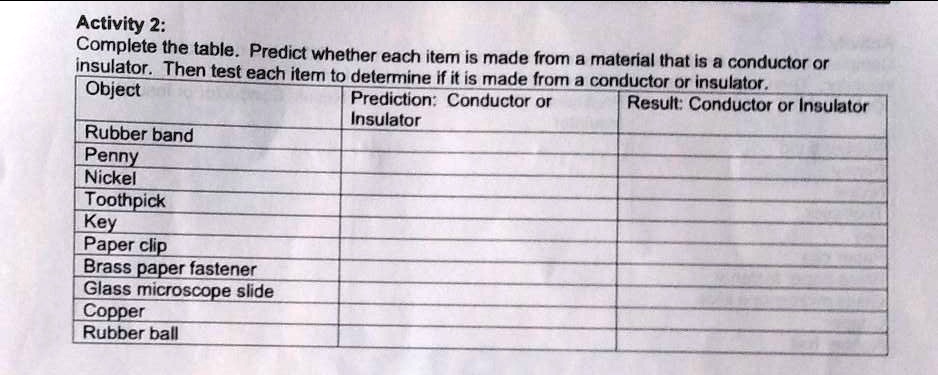
Brass fasteners can carry electrical current. Avoid using them near live wires or electrical devices. Do not touch fasteners with wet hands during electrical work. Keep fasteners away from high voltage areas. Use insulated tools if you must handle fasteners near electricity. Always check for power before working with brass fasteners on electrical parts.
Handling And Storage
Store brass fasteners in a dry place to prevent rust and damage. Keep them in a closed container to avoid loss or injury. Use proper tools to insert or remove fasteners carefully. Do not force fasteners into materials; this may cause slipping or injury. Wear gloves to protect your hands from sharp edges. Keep fasteners away from children and pets.
Credit: www.numerade.com
Frequently Asked Questions
Is A Brass Paper Fastener A Good Conductor?
Yes, a brass paper fastener is a good conductor. Brass is a metal alloy known for its excellent electrical conductivity. It allows electricity to pass through easily, making brass paper fasteners conductive rather than insulating.
Can Brass Paper Fasteners Insulate Electricity?
No, brass paper fasteners cannot insulate electricity. Since brass is metallic, it conducts electricity well. Therefore, it cannot act as an insulator to block electrical flow.
Why Is Brass Used In Paper Fasteners?
Brass is used in paper fasteners due to its durability and conductivity. It resists corrosion and maintains strength. Its conductive nature is useful in some electrical applications.
How Does Brass Compare To Other Metals In Conduction?
Brass conducts electricity well but is less conductive than copper. It is more durable and corrosion-resistant, making it ideal for small hardware like paper fasteners.
Conclusion
Brass paper fasteners conduct electricity because brass is metal. Metals allow electric current to pass through easily. This makes brass fasteners good conductors, not insulators. They can carry small electrical charges in some uses. Knowing this helps choose materials for projects.
Always pick the right fastener for your needs. Understanding conductors and insulators is simple and useful. Brass fasteners are common and practical in many tasks. Keep this fact in mind when working with electricity or crafts.