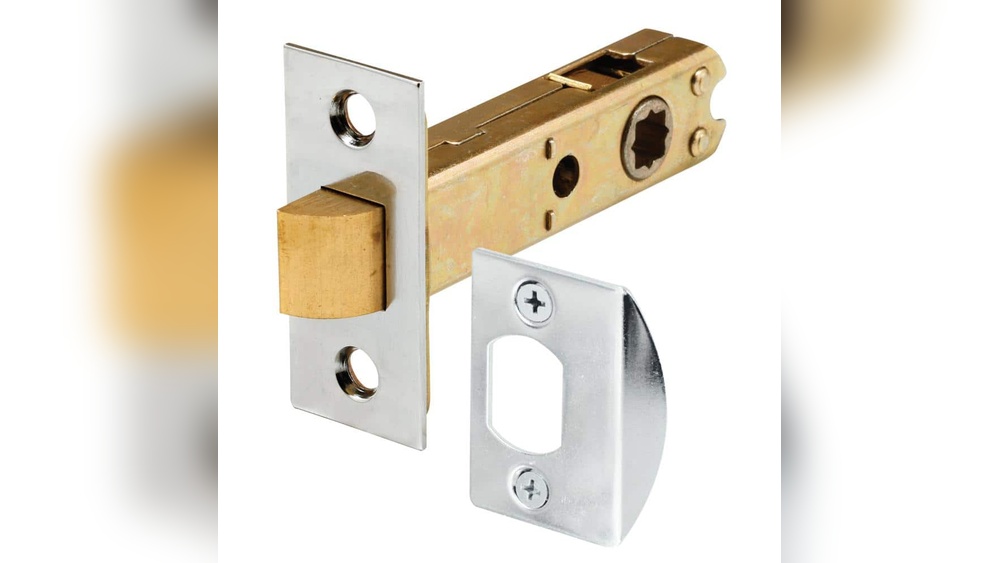
Are you confident that the fasteners you use meet the right standards? Choosing the correct standard for fasteners is more important than you might think.
It affects the strength, safety, and durability of your projects. If you want to avoid costly mistakes and ensure your work holds up over time, understanding these standards is a must. Keep reading to discover what standards for fasteners really mean and how they impact your next project.
This knowledge could save you time, money, and headaches.
Importance Of Fastener Standards
Fastener standards set clear rules for making and using fasteners. These rules help keep products strong and safe. Without standards, fasteners might fail or cause accidents. Standards create trust between makers and users. They make sure every fastener meets a basic quality level.
Ensuring Quality And Reliability
Fastener standards control materials and sizes. They tell how strong a fastener should be. This stops weak fasteners from being used. Reliable fasteners hold parts tightly. They prevent machines and structures from breaking down. Quality fasteners last longer and reduce repair costs.
Role In Safety Compliance
Fasteners must meet safety laws. Standards help companies follow these laws easily. Safe fasteners protect workers and users. They reduce risks of accidents and injuries. Using standard fasteners shows care for safety. It helps avoid legal problems and fines.
Impact On Product Performance
Good fasteners improve product function. They keep parts aligned and secure. This helps machines run smoothly without stops. Fastener standards ensure consistent performance. Products work better and last longer. This makes customers happier and more loyal.
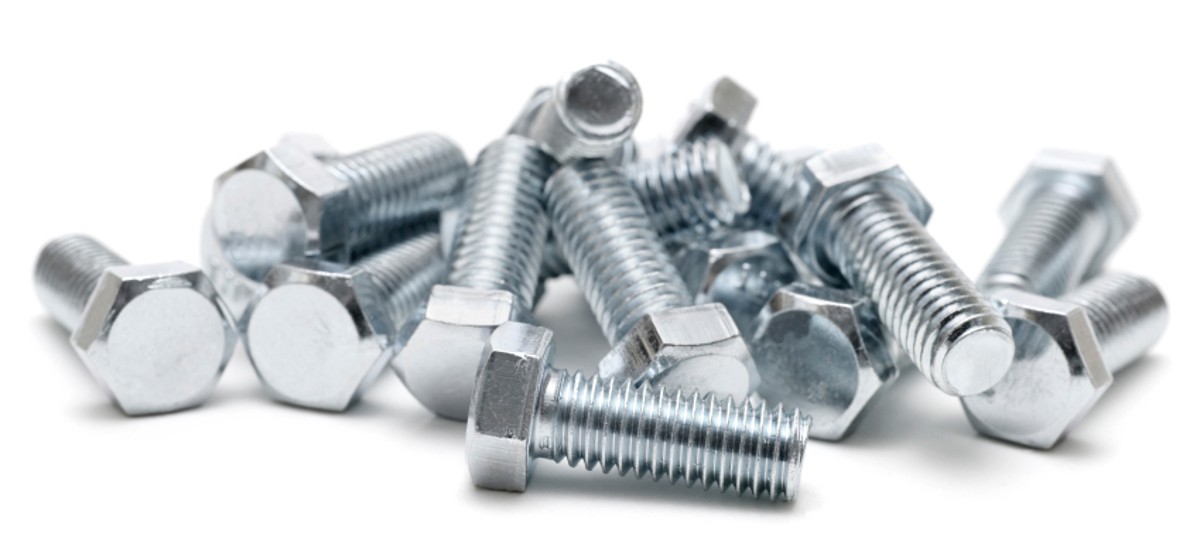
Credit: www.wurthindustry.com
Common Fastener Standards
Fasteners hold many objects together. They come in many shapes and sizes. Standards guide their design and use. These standards ensure safety and quality. Common fastener standards help manufacturers and users worldwide. They create a shared language for making and buying fasteners. Understanding these standards is key for many industries.
Iso Standards
ISO stands for International Organization for Standardization. It sets rules used worldwide. ISO fastener standards cover bolts, nuts, and screws. They focus on size, strength, and material. Many countries follow ISO to keep products uniform. This helps parts fit and work well together.
Astm Standards
ASTM means American Society for Testing and Materials. It creates standards mainly used in the United States. ASTM standards focus on fastener materials and testing. They define how strong and durable fasteners must be. These standards ensure fasteners meet safety rules.
Din Standards
DIN is short for Deutsches Institut für Normung, a German group. DIN standards are common in Europe and other regions. They cover dimensions and mechanical properties of fasteners. Many industries trust DIN for reliable and precise fasteners. It helps keep parts consistent and safe.
Sae Standards
SAE stands for Society of Automotive Engineers. It sets standards often used in the auto industry. SAE fastener standards cover size, thread type, and strength. They ensure fasteners fit and perform well in vehicles. SAE rules help keep cars safe and reliable.
Key Quality Parameters
Key quality parameters define the reliability and performance of fasteners. These parameters ensure fasteners meet the required standards and function safely in different applications. Understanding these factors helps choose the right fastener for every job.
Material Specifications
Material quality affects fastener strength and durability. Common materials include steel, stainless steel, brass, and aluminum. Each material suits different environments and load conditions. Standardized material specs guarantee uniformity and prevent weak products.
Dimensional Accuracy
Fasteners must have precise dimensions to fit properly. Thread pitch, diameter, and length need strict control. Even small errors can cause assembly problems or failure. Standards set limits for dimensional variations to ensure compatibility.
Mechanical Properties
Mechanical properties define fasteners’ ability to handle stress. Tensile strength, hardness, and fatigue resistance are key factors. Standards classify fasteners by strength grades. This helps match the fastener to the expected load and usage.
Corrosion Resistance
Corrosion weakens fasteners and reduces their lifespan. Protective coatings and material choices improve resistance. Standards specify corrosion tests and acceptable limits. Proper corrosion resistance ensures safety in harsh environments.
Testing And Certification
Testing and certification ensure fasteners meet safety and quality rules. These processes help confirm that fasteners perform well under stress. They protect users from failures and costly problems. Strict testing keeps fasteners reliable for many uses.
Inspection Methods
Fasteners undergo many checks before approval. Visual inspection looks for surface defects like cracks or rust. Dimensional checks verify size and shape meet standards. Mechanical tests measure strength, hardness, and durability. Some tests use machines to simulate real conditions. These steps catch flaws early and ensure quality.
Certification Bodies
Trusted organizations issue certifications for fasteners. These bodies follow international or national standards. They verify that tests meet strict guidelines. Certificates prove fasteners passed all required checks. Manufacturers rely on these marks to sell products worldwide. Certified fasteners build trust with customers and engineers.
Traceability And Documentation
Traceability tracks fasteners from production to delivery. Each batch has detailed records of tests and materials. This helps find problems quickly if defects appear. Documentation includes test results and certification copies. Keeping clear records supports quality control and audits. It ensures fasteners meet standards every step of the way.
Selecting The Right Fasteners
Selecting the right fasteners is key to any successful project. Fasteners hold parts together and keep structures safe. Choosing the wrong type can cause failure or damage. Understanding the needs of the project helps pick the best fastener. Focus on the job details, the environment, and the forces involved. These factors guide the choice for strong, lasting results.
Application Requirements
Every project has specific needs. Fasteners must fit the materials being joined. Consider the size and thickness of parts. Some fasteners work best with wood, others with metal or plastic. The type of fastener depends on how parts move or stay fixed. Think about whether the fastener needs to be removable or permanent. Matching fastener size to the hole and load is crucial.
Environmental Considerations
The environment affects fastener choice a lot. Moisture can cause rust or corrosion. Saltwater environments need stainless steel or coated fasteners. High heat may weaken some materials. Chemicals can damage certain metals. Outdoor use demands weather-resistant fasteners. Indoor projects might allow simpler options. Knowing the environment ensures longer fastener life.
Load And Stress Factors
Fasteners must handle the forces they face. Tensile load pulls parts apart. Shear load pushes parts sideways. Some fasteners resist tension better than shear. Heavy loads need strong materials and larger sizes. Repeated stress can cause fatigue. Fasteners must resist loosening under vibration. Correct strength prevents failures and keeps structures safe.
Common Challenges And Solutions
Fastener standards help ensure safety and quality in many industries. Yet, challenges appear during their use. Identifying these problems is key to finding effective solutions. Understanding common issues helps maintain trust and performance.
Counterfeit Fasteners
Fake fasteners often look real but fail safety tests. These can cause accidents and damage machines. Buying from trusted sources reduces the risk. Testing samples regularly also helps catch fakes early.
Non-compliance Risks
Using fasteners that do not meet standards leads to legal troubles. It also risks product failure and recalls. Follow industry rules strictly. Train staff on standard requirements to avoid mistakes.
Maintaining Consistency
Fasteners must have the same quality every batch. Inconsistent products cause assembly problems and weak joints. Use quality control checks throughout production. Keep clear records to track performance over time.
Future Trends In Fastener Standards
The future of fastener standards is evolving with new technologies and needs. Industries demand safer, stronger, and smarter fastening solutions. Standards must keep pace with these changes for quality and compatibility. This section explores key trends shaping fastener standards in the coming years.
Advancements In Materials
Fastener materials are becoming lighter and stronger. New alloys and composites improve durability and resistance. These materials reduce weight without losing strength. Standards will include guidelines for testing these new materials. This helps ensure performance in different environments.
Smart Fastening Solutions
Smart fasteners can monitor tension and temperature. Sensors embedded in fasteners provide real-time data. This helps prevent failures and improves maintenance. Future standards will cover smart fastener design and safety. They will guide how to use data securely and effectively.
Global Standard Harmonization
Global trade pushes for unified fastener standards. Different countries often have varying rules and tests. Harmonized standards simplify manufacturing and reduce costs. They enable easier product certification worldwide. Efforts continue to align standards for better global cooperation.

Credit: cadbooster.com

Credit: www.worldfastener.com
Frequently Asked Questions
What Is The Standard For Fasteners?
The standard for fasteners defines specifications like size, strength, and material. It ensures compatibility and safety across industries. Standards are set by organizations like ISO, ASTM, and ANSI.
Why Are Fastener Standards Important?
Fastener standards guarantee quality, reliability, and interchangeability. They help manufacturers produce consistent products and ensure safe assembly in construction and machinery.
How Are Fastener Standards Classified?
Standards classify fasteners by type, material, thread design, and mechanical properties. Common classifications include bolts, screws, nuts, and washers with specific size and strength ratings.
Who Develops Fastener Standards Globally?
Global fastener standards are developed by organizations like ISO, ASTM International, and SAE. These bodies collaborate to create universal guidelines for manufacturing and testing.
Conclusion
Standards for fasteners ensure safety and quality in every project. They help people choose the right fastener easily. Using standard fasteners saves time and prevents problems later. Different industries rely on these rules to keep things strong and secure. Following standards also helps with repairs and replacements.
Clear guidelines make work smoother and more reliable. Remember, good fasteners mean better results and fewer risks. Simple rules make a big difference in construction and manufacturing. Trusting standards leads to safer, longer-lasting products.