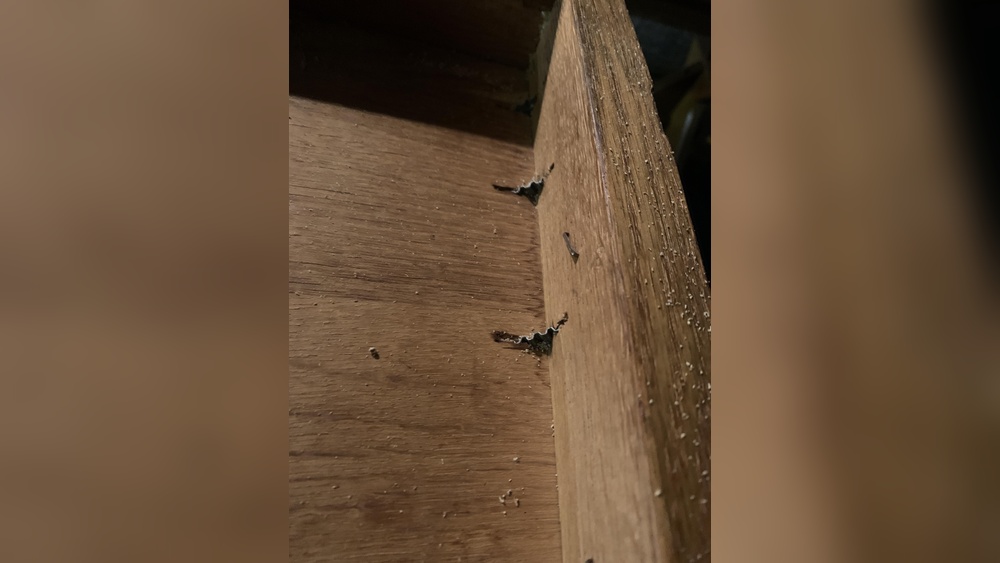
Are you struggling with stubborn corrugated wood fasteners that just won’t come off? Removing them can be tricky, especially if you want to avoid damaging your wood.
But don’t worry—this guide will show you simple, effective methods to get those fasteners out quickly and safely. By the end, you’ll have the confidence and tools to tackle this task like a pro. Keep reading to learn how to make your project easier and protect your wood at the same time.
Types Of Corrugated Wood Fasteners
Corrugated wood fasteners come in different types. Each type holds wood pieces together firmly. Knowing these fasteners helps you remove them safely and easily. Here are the common types of corrugated wood fasteners used in construction and woodworking.
Nails
Nails are the most common fasteners for corrugated wood. They are thin metal pins with a flat head. Nails are hammered into the wood to hold pieces tightly. Some nails have smooth shafts, while others have ridges for extra grip.
Screws
Screws have a spiral thread wrapped around a metal shaft. They provide stronger holding power than nails. Screws are twisted into the wood using a screwdriver or drill. Their heads come in different shapes like flat, round, or Phillips.
Staples
Staples are U-shaped metal fasteners with two legs. They are pressed into the wood using a stapler tool. Staples hold thin wood panels or sheets firmly. They are quick to install and remove but may leave marks.

Credit: www.youtube.com
Tools Needed For Removal
Removing corrugated wood fasteners needs the right tools. Using proper tools makes the job safer and easier. Each tool serves a specific purpose for different types of fasteners.
Prepare these tools before starting. They help remove nails, screws, staples, and other fasteners without damaging the wood.
Pry Bars And Crowbars
Pry bars and crowbars help lift and pull out stubborn fasteners. Their flat, strong edges slide under fasteners easily. They give leverage to remove nails or staples stuck deep in wood.
Choose a pry bar or crowbar size that fits the job. Smaller tools work for delicate wood, while larger ones handle heavy fasteners.
Hammer And Nail Puller
A hammer is essential for tapping and prying nails. Use the claw end of the hammer or a nail puller tool. Nail pullers grip nails firmly and pull them out smoothly.
Hammer and nail puller work best on common nails in corrugated wood. They reduce damage to the surrounding wood.
Screwdrivers And Drills
Screwdrivers and drills remove screws from corrugated wood. Use a screwdriver with the right tip size for the screws. A power drill with a screwdriver bit speeds up the process.
Keep screwdriver tips sharp and drill batteries charged. This prevents slipping and stripping screw heads.
Pliers And Staple Removers
Pliers grab and pull out small fasteners like staples and brads. Needle-nose pliers work well in tight spots. Staple removers are specially designed to lift staples without tearing wood.
Use gentle pressure to avoid splitting the wood. These tools help cleanly remove fasteners for repair or replacement.
Removing Nails From Corrugated Wood
Removing nails from corrugated wood requires care and the right tools. Nails hold the wood firmly, so removing them takes patience. Doing it wrong can damage the wood or the fastener. Using proper techniques makes the process easier and safer.
Using A Hammer And Nail Puller
Start by placing the nail puller under the nail’s head. Gently rock the hammer back and forth. This loosens the nail without hurting the wood. Pull the nail out slowly to avoid splintering. Keep the tool steady for better control.
Leveraging A Pry Bar
Slide the pry bar under the nail’s head carefully. Use a piece of scrap wood as a buffer. This protects the surface from dents or scratches. Push the pry bar down to lift the nail. Work gradually to prevent sudden jerks.
Tips To Avoid Wood Damage
Always work slowly and with steady hands. Avoid forcing tools too hard against the wood. Use a soft cloth or wood block under tools for protection. Check nails for rust or bending before removal. This helps plan the best way to remove them.

Credit: www.youtube.com
Extracting Screws Safely
Removing screws from corrugated wood needs care to avoid damage. Extracting screws safely protects the wood and tools. It also saves time and effort. Use proper techniques to make the process smooth and safe.
Using A Screwdriver Or Drill
Choose a screwdriver or drill that fits the screw head well. Turn the tool slowly to avoid slipping. Apply steady pressure while turning. Pull the screw out gently once it loosens. Avoid forcing the screw to prevent breaking it.
Dealing With Stripped Screws
Stripped screws lose their grip and are hard to remove. Use a rubber band for extra grip on the screw head. Place the rubber band over the screw and try turning again. Use pliers to twist the screw if needed. Work slowly to avoid damaging the wood.
Applying Lubricants For Easier Removal
Lubricants like WD-40 help loosen tight screws. Spray a small amount on the screw threads. Wait a few minutes for the lubricant to work. Then try removing the screw with a screwdriver or drill. Lubricants reduce friction and make removal easier.
Removing Staples Quickly
Removing staples from corrugated wood fasteners can be quick and easy. The right tools and careful technique help save time and prevent damage. This section covers simple ways to pull staples fast without hurting the wood.
Using Pliers Or Staple Removers
Start by choosing pliers or a staple remover. Needle-nose pliers work well for small staples. Grip the staple’s edge firmly. Pull straight up to avoid bending it. Staple removers lift staples gently. Slide the remover under the staple’s crown. Slowly rock it back and forth. This loosens the staple for easy removal. Use steady pressure to avoid snapping the staple.
Working Around Delicate Wood
Delicate wood needs extra care. Avoid digging tools into the surface. Work slowly and gently to lift staples. Use a thin flat tool to help pry staples. Place a small piece of cardboard or wood under the tool. This spreads pressure and protects the wood. Take breaks if the wood feels weak or soft.
Preventing Surface Damage
Protect the wood surface while removing staples. Place a cloth or thin wood piece under the tool. This stops dents and scratches. Pull staples straight up, not sideways. Sideways force can gouge the wood. Check the wood after each staple. Smooth small marks with fine sandpaper if needed. Clean the area to remove dust and debris.
Common Challenges And Solutions
Removing corrugated wood fasteners can be tricky. Different problems may slow you down. Knowing common challenges helps you find quick solutions. This section covers typical issues and how to fix them.
Rusty Or Stuck Fasteners
Rust makes fasteners hard to remove. It bonds metal to wood tightly. Use a rust remover spray to loosen them. Let it sit for 10-15 minutes. Tap the fastener lightly with a hammer. This can break the rust’s hold. Then, pull the fastener out with pliers or a claw tool.
Splitting Or Cracking Wood
Removing fasteners can crack the wood. Wood splits if pulled too hard. Use gentle force when pulling fasteners. Pry under the fastener slowly using a flat tool. Place a thin piece of wood under the tool. This spreads pressure and protects your wood. Work carefully to avoid damage.
Fasteners Buried Deep
Sometimes fasteners sit deep inside the wood. They are harder to reach and pull out. Use a screwdriver or punch to push fasteners out from the back. Another way is drilling around the fastener. This frees it from the wood fibers. Be careful not to drill too much. Removing debris from the hole also helps.
Safety Tips During Removal
Removing corrugated wood fasteners can be tricky and risky. Safety must come first to avoid injuries. Taking simple safety steps helps protect you and others nearby. Follow these key tips to stay safe during the removal process.
Protective Gear
Wear safety glasses to shield your eyes from flying debris. Gloves protect your hands from sharp edges and splinters. Use a dust mask if dust or particles rise during removal. Sturdy shoes prevent injuries from dropped tools or fasteners.
Proper Tool Handling
Use the right tools for removing fasteners to avoid accidents. Check tools for damage before use. Hold tools firmly and keep hands away from moving parts. Work slowly and carefully to maintain control and avoid slips.
Work Area Preparation
Clear the area of obstacles and clutter to prevent trips and falls. Ensure good lighting to see fasteners and tools clearly. Keep children and pets away from the workspace. Have a first aid kit nearby for quick response to minor injuries.
Post-removal Wood Care
After removing corrugated wood fasteners, the wood surface often needs care. This step helps keep the wood strong and looking good. Proper post-removal care prepares the wood for future use or finishing. It repairs damage and smooths rough spots left by fasteners.
Filling Holes And Cracks
Fasteners leave holes and cracks in the wood. Fill these gaps with wood filler or putty. Use a putty knife to press the filler deep into holes. Allow the filler to dry completely before moving on. This step prevents moisture from damaging the wood later.
Sanding And Smoothing Surfaces
After filling, sand the wood surface to make it smooth. Use medium-grit sandpaper to remove rough edges around holes. Follow with fine-grit sandpaper for a soft finish. Sand with the grain of the wood for best results. This creates a clean, even surface ready for painting or staining.
Preparing Wood For Reuse
Clean the wood surface to remove dust and debris. Check for any remaining nails or splinters and remove them. Apply a sealant or primer if you plan to paint or stain. Proper preparation extends the wood’s life and improves appearance. Reused wood looks fresh and stays durable longer.

Credit: www.reddit.com
Frequently Asked Questions
What Tools Are Needed To Remove Corrugated Wood Fasteners?
To remove corrugated wood fasteners, you need a pry bar, hammer, and pliers. These tools help loosen and pull out fasteners safely without damaging the wood surface.
How To Safely Remove Rusted Corrugated Wood Fasteners?
Apply penetrating oil to rusted fasteners and let it sit for 10 minutes. Then use pliers or a pry bar to carefully extract the fasteners without breaking.
Can I Reuse Corrugated Wood Fasteners After Removal?
Reusing corrugated wood fasteners is not recommended. They lose grip and strength after removal, which may compromise structural integrity and safety.
What Is The Best Method To Avoid Wood Damage?
Use a pry bar gently and work slowly to loosen fasteners. Place a thin wood piece under the pry bar to protect the wood surface from dents or splits.
Conclusion
Removing corrugated wood fasteners is simple with the right steps. Take your time and use proper tools. Avoid forcing fasteners to prevent wood damage. Clean the area after removal for a neat finish. Regular care helps keep wood strong and safe.
Practice these tips to handle fasteners with ease. A little patience goes a long way. You can do this without stress or mess. Keep these ideas in mind for your next project.