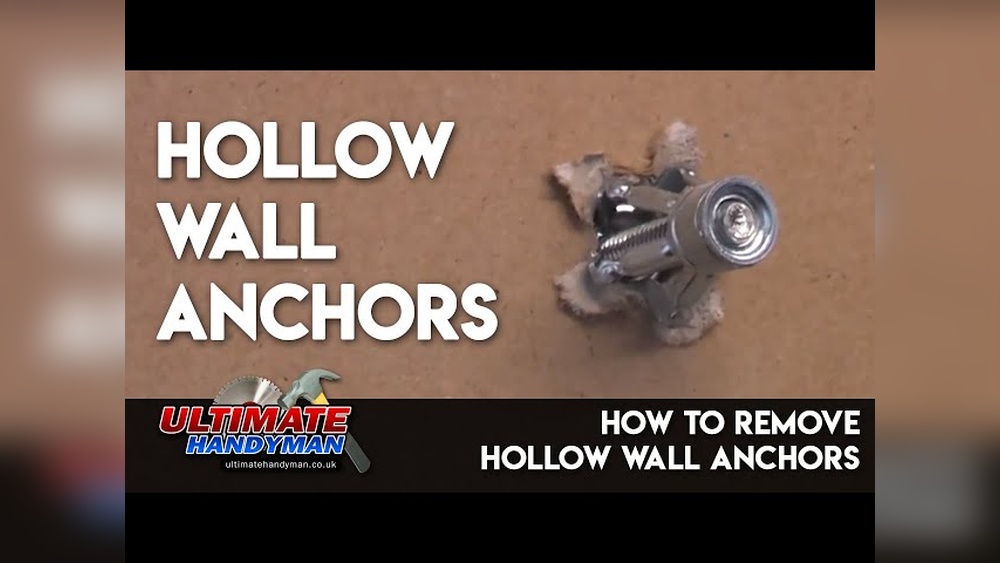
Have you ever tried to remove a hollow wall fastener and ended up frustrated or damaging your wall? You’re not alone.
These small but tricky anchors can be stubborn, leaving you wondering how to get them out cleanly and quickly. Whether you’re fixing a mistake or preparing to hang something new, knowing the right way to remove hollow wall fasteners can save you time, effort, and a lot of headaches.
Keep reading, and you’ll discover simple, effective methods that anyone can use to get the job done right—no special tools or skills needed. Your walls will thank you!
Types Of Hollow Wall Fasteners
Hollow wall fasteners help hold objects on drywall or hollow walls. They come in different styles. Each type works best for certain weights and wall types. Knowing these fasteners helps remove them correctly without damage.
Here are common types of hollow wall fasteners you may find in your home or office.
Toggle Bolts
Toggle bolts have a spring-loaded wing. The wings open behind the wall to hold firmly. They support heavy items like shelves and mirrors. Removing toggle bolts means pushing the wings through the wall cavity.
Molly Bolts
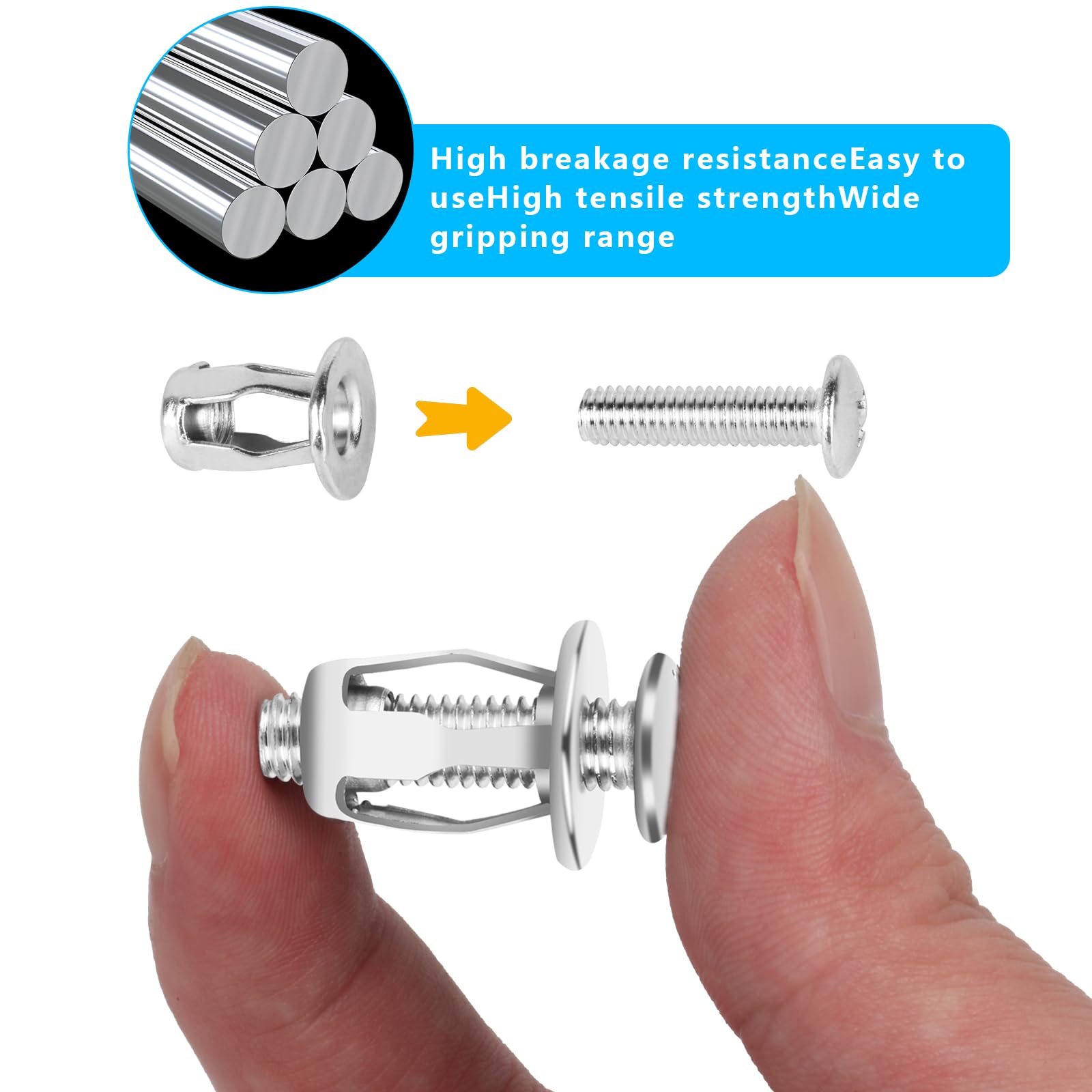
Molly bolts are metal anchors that expand inside the wall. They create a strong hold as the sleeve spreads. They work well for medium weights. To remove, you usually unscrew or pull the bolt out.
Plastic Anchors
Plastic anchors are simple and easy to use. They fit into a drilled hole and expand when a screw goes in. They hold light to medium items. Removing plastic anchors may need gentle pulling or pushing into the wall.
Snaptoggle Anchors
Snaptoggle anchors have a metal channel and plastic straps. The metal part locks behind the wall. These anchors hold heavy objects securely. To remove, you pull the plastic straps to release the metal channel.
Tools Needed For Removal
Removing hollow wall fasteners requires the right tools. These tools help you work safely and quickly. Each tool has a specific role in the removal process. Knowing which tools to use makes the job easier.
Screwdrivers
Screwdrivers are essential for loosening fasteners. Use a flathead or Phillips screwdriver depending on the fastener type. They help you turn screws without damaging the wall. Choose a screwdriver with a comfortable handle for better grip.
Pliers
Pliers grip and pull fasteners from the wall. Needle-nose pliers work best for tight spaces. They provide strong grip and control. Use pliers carefully to avoid breaking the fastener inside the wall.
Utility Knife
A utility knife cuts around the fastener if needed. It helps remove any wall material blocking the fastener. Use it to create a clean edge around the hole. Always cut slowly to prevent wall damage.
Drill
A drill can remove stubborn fasteners quickly. Use a drill bit that matches the fastener size. Drilling loosens the fastener for easy pulling. Wear safety glasses to protect your eyes during drilling.
Removing Toggle Bolts
Removing toggle bolts can seem tricky. These fasteners are strong and hold well in hollow walls. They have a spring-loaded toggle that opens behind the wall for support. Taking them out needs care to avoid damage.
Unscrewing The Bolt
Start by turning the bolt counterclockwise. Use a screwdriver that fits the bolt head. Turn slowly to loosen it. Keep steady pressure to avoid stripping the screw. If the bolt moves easily, keep unscrewing until it comes out.
Retrieving The Toggle
After removing the bolt, the toggle stays inside the wall. It usually falls behind the drywall. Try to pull it out gently with needle-nose pliers. If it does not come out, leave it. The toggle will not cause harm inside the wall.
Dealing With Stuck Toggles
Some toggles get stuck tight. Tap around the hole lightly with a hammer. This may loosen the toggle. Use a thin wire or coat hanger to hook and pull it. If it stays stuck, cut the bolt as close as possible to the wall. Then push the toggle back inside carefully.

Credit: www.lowes.com
Extracting Molly Bolts
Extracting molly bolts from hollow walls takes care and the right steps. These fasteners expand behind the wall to hold tightly. Removing them without damaging the wall is possible with patience and tools. Follow simple steps to loosen, pull out, and fix the wall.
Loosening The Sleeve
Start by loosening the sleeve of the molly bolt. Use a screwdriver to turn the bolt counterclockwise. This action reduces the grip of the sleeve behind the wall. Stop when you feel less resistance. Do not force the bolt out yet. Loosening the sleeve makes the next steps easier.
Pulling Out The Fastener
After loosening, gently pull the molly bolt from the wall. Use pliers for a firm grip. Pull slowly and steadily to avoid damage. If the bolt resists, loosen the sleeve more. Keep pulling until the fastener comes out completely. This method helps keep the wall surface intact.
Fixing Wall Damage
Removing molly bolts may leave small holes or marks. Fill holes with spackle or wall filler. Use a putty knife to spread the filler evenly. Let it dry as per instructions. Sand the area smooth for a clean finish. Paint over the patch to match the wall color. This repairs wall damage neatly.
Taking Out Plastic Anchors
Plastic anchors are common in hollow walls. They hold screws firmly in place. Removing them can be tricky. But with simple steps, you can take them out easily. The key is to handle the anchor gently to avoid wall damage. Here are effective ways to remove plastic anchors safely.
Prying With Pliers
Use needle-nose pliers for this method. Grip the edge of the plastic anchor firmly. Pull slowly and steadily. The anchor should come out with some force. Avoid twisting too hard. It can break the anchor and damage the wall. If the anchor resists, try another method.
Pushing Through The Wall
Sometimes pushing the anchor inside works best. Use a screwdriver that fits the anchor hole. Press the anchor gently into the wall cavity. The anchor will fall behind the wall. This method leaves a hole, but it avoids wall damage. Be careful not to damage wires or pipes behind the wall.
Filling The Hole
After removing the anchor, fill the hole for a smooth finish. Use spackling paste or wall filler. Apply a small amount with a putty knife. Smooth it out evenly. Let it dry completely. Sand lightly for a flat surface. Paint over the spot to match the wall color.
Removing Snaptoggle Anchors
Removing Snaptoggle anchors from hollow walls needs care and the right steps. These anchors hold strongly, but you can take them out without damage. Follow clear actions to remove them safely and quickly. This guide helps you understand each step to remove Snaptoggle anchors easily.
Unscrewing The Bolt
Start by turning the bolt counterclockwise. Use a screwdriver or drill for this. Keep turning until the bolt comes out completely. Do not force it. Gentle turning prevents damage to the wall or anchor parts.
Collapsing The Toggle
After the bolt is out, push the toggle wings inside the wall. Use a flat tool or your fingers to fold them. The toggle must fold so it can slide through the hole. This step is important to remove the anchor smoothly.
Pulling Out The Anchor
Once the toggle is collapsed, gently pull the anchor from the wall. Use pliers if it is hard to grip. Pull straight to avoid wall damage. If the anchor feels stuck, try pushing it further in, then pull again.
Preventing Wall Damage
Removing hollow wall fasteners can cause damage to your walls if not done carefully. Preventing wall damage keeps your room looking neat. It also saves time and money on repairs. Follow simple steps to protect your walls during removal.
Using Proper Tools
Choose the right tools for removing fasteners. Use pliers or a screwdriver that fits well. Avoid tools that can slip or scratch the wall. Proper tools reduce the risk of making holes bigger.
Applying Gentle Force
Pull or twist the fastener slowly and gently. Do not yank or use too much strength. Gentle force helps keep the wall surface intact. Take breaks if the fastener feels stuck.
Repairing Small Holes
Fill small holes with wall putty or spackle. Use a putty knife to smooth the surface. Let it dry completely before sanding it lightly. Paint over the patch to match the wall color.
Credit: www.gilgharda.com
Tips For Quick Removal
Removing hollow wall fasteners can be tricky without the right plan. Quick removal saves time and prevents wall damage. Follow these tips to make the process smooth and simple.
Preparing The Area
Clear the space around the fastener. Remove any furniture or items that might block your work. Lay down a cloth or plastic sheet to catch debris. Have your tools ready and close by. Good lighting helps you see clearly.
Identifying Fastener Type
Check the fastener closely. Different types need different removal methods. Common types include toggle bolts, molly bolts, and plastic anchors. Knowing the type helps avoid unnecessary damage. Look for screws, wings, or clips on the fastener.
Step-by-step Approach
Start by unscrewing any visible screws. Use the right screwdriver size for a firm grip. For toggle bolts, gently pull the bolt out while compressing the wings. Molly bolts may need you to squeeze the collar with pliers before pulling. Plastic anchors can be pushed in or pulled out carefully. Take your time to avoid breaking the wall. Clean the hole after removal for a neat finish.

Credit: www.youtube.com
Frequently Asked Questions
What Tools Are Needed To Remove Hollow Wall Fasteners?
You need a screwdriver, pliers, and a putty knife to remove hollow wall fasteners. These tools help loosen and pull out the fasteners safely without damaging the wall.
How Do I Safely Remove Hollow Wall Anchors?
First, unscrew the fastener if possible. Then, use pliers to grip and gently pull it out. For stubborn anchors, push them into the wall cavity carefully.
Can I Reuse Hollow Wall Fasteners After Removal?
No, hollow wall fasteners usually get damaged during removal. It’s best to replace them with new ones for a secure hold and safety.
What If The Hollow Wall Fastener Breaks Inside The Wall?
If it breaks, try pushing the remaining part into the wall cavity. Patch the hole with spackle or drywall compound afterward to repair the surface.
Conclusion
Removing hollow wall fasteners can be simple and quick. Use the right tools and gentle force to avoid damage. Take your time and work carefully. Clean the area after removal to prepare for new fasteners. Practice makes perfect, so don’t worry if it takes a few tries.
Now, you can fix walls with confidence and ease.


