Have you ever wondered what holds things together in your everyday life? From the buttons on your shirt to the parts of your car, fasteners play a silent but crucial role.
Understanding what a fastener is can change the way you see the world around you. You’ll discover the simple but powerful devices that keep everything connected. Keep reading, and you’ll learn why fasteners matter more than you might think—and how they affect your daily life in ways you never noticed before.
Fastener Basics
Fasteners are small but essential parts in building and fixing things. They hold pieces together and make structures strong. Knowing the basics of fasteners helps you understand their role in everyday objects.
What Is A Fastener
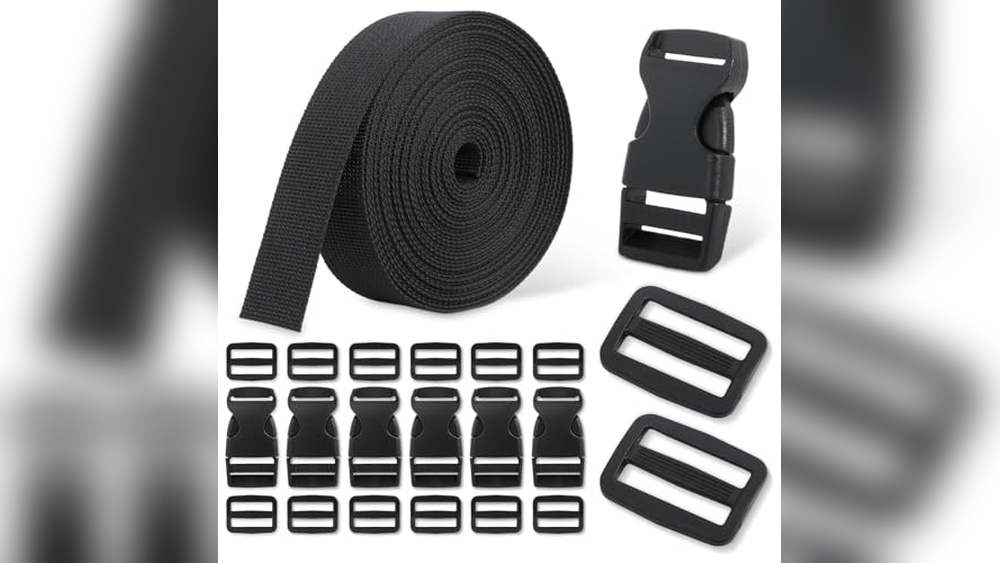
A fastener is a hardware device that joins two or more objects. It keeps parts connected firmly and safely. Common fasteners include screws, nails, bolts, and clips. They come in many sizes and shapes.
Common Materials Used
Fasteners are made from different materials to suit their uses. Steel is popular for strength and durability. Stainless steel resists rust and lasts longer. Other materials include brass, aluminum, and plastic. Each material fits specific needs.
Key Functions
Fasteners hold parts tightly to prevent movement. They allow easy assembly and disassembly of objects. Some fasteners also seal joints to stop leaks. Their main job is to keep things safe and stable.
Types Of Fasteners
Fasteners hold things together. They come in many types. Each type has a special use. Knowing these types helps you choose the right one.
Bolts And Screws
Bolts and screws join parts tightly. Bolts need nuts to hold. Screws cut their own thread in materials. Both are strong and reusable.
Nuts And Washers
Nuts fasten bolts in place. Washers protect surfaces from damage. Washers also spread the load evenly. Together, they make connections secure.
Rivets And Pins
Rivets join materials permanently. Pins hold parts that need quick release. Rivets are strong but not reusable. Pins allow easy removal and adjustment.
Clips And Clamps
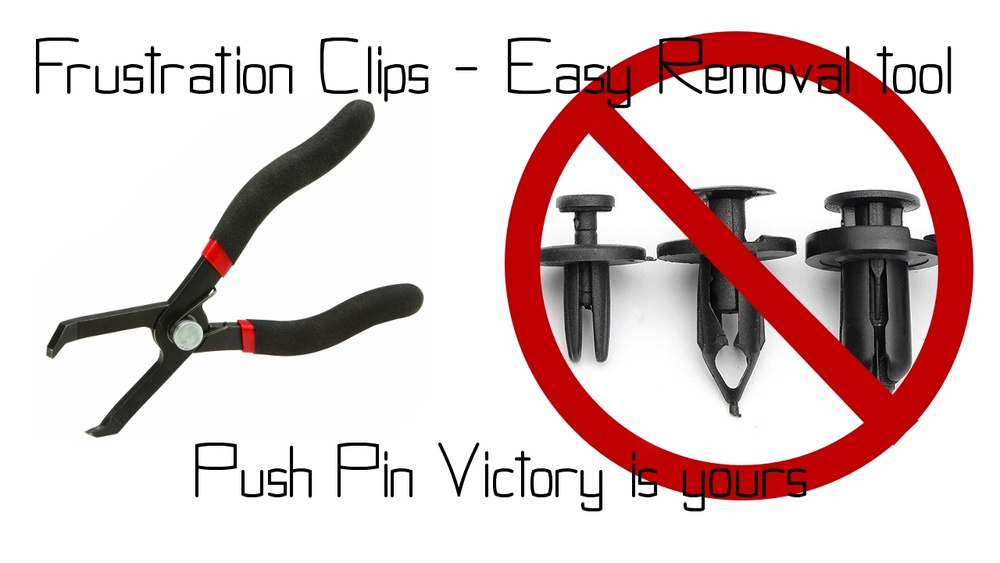
Clips hold parts without screws. Clamps apply pressure to keep parts tight. Both are useful for temporary fixes. Easy to install and remove.
Anchors And Inserts
Anchors secure fasteners in soft materials. Inserts create strong threads in weak materials. They improve holding power. Often used in drywall or wood.
Choosing The Right Fastener
Choosing the right fastener is key to a strong and lasting hold. Each project has unique needs. Fasteners come in many types and materials. Picking the right one avoids problems like rust, breakage, or loosening.
Consider the materials joining together, the weight they must hold, and the environment they face. These factors guide the best fastener choice. Let’s explore how to decide.
Material Compatibility
Fasteners must match the materials they join. Metal fasteners suit metal parts. Wood screws work best for wood pieces. Using the wrong fastener can cause damage or weak joints. Also, some metals react and corrode when touching each other. Choose fasteners that prevent this problem. Check if coatings or finishes are needed to protect the joint.
Load And Strength Requirements
Consider how much weight or force the fastener must hold. Heavy loads require strong fasteners. Small or light projects need less strength. Check the fastener’s size, thread type, and tensile strength. These factors affect how well it holds. Pick fasteners that match the stress level of your project.
Environmental Factors
Think about where the fastener will be used. Outdoor fasteners must resist rain, sun, and temperature changes. Some fasteners resist rust and corrosion better. Saltwater or humid places need stainless steel or coated fasteners. Indoor fasteners may not need these protections. Choose fasteners that fit the environment to last longer.
Credit: www.forgeway.com
Fastener Applications
Fasteners play a vital role in many industries. They help join materials tightly and securely. Different types of fasteners fit different needs. Their applications vary widely across sectors.
Fasteners keep structures strong and safe. They connect parts and hold them in place. These small items have big jobs.
Construction And Building
Fasteners like nails, screws, and bolts are common in construction. They join wood, metal, and concrete parts. These fasteners support walls, roofs, and floors. They ensure buildings remain stable and secure.
Automotive Industry
Cars need many fasteners to stay together. Bolts and screws hold engines, doors, and seats. Fasteners help keep vehicles safe and reliable. They also allow easy repairs and part replacements.
Electronics And Appliances
Small fasteners are used inside electronics and appliances. They secure circuit boards, panels, and covers. These fasteners prevent parts from moving or breaking. They also help with product assembly and servicing.
Furniture Assembly
Furniture often uses screws, bolts, and dowels. Fasteners join wood, metal, and plastic pieces. They provide strength to tables, chairs, and cabinets. Fasteners make furniture easy to build and repair.
Installation Tips
Installing fasteners correctly makes your project strong and safe. Small mistakes can cause problems later. Follow clear steps and use the right tools. This saves time and effort. Below are key tips for a smooth installation.
Tools Needed
Choose the right tools for each fastener type. A screwdriver fits screws. A wrench works for bolts. A hammer helps with nails. Using proper tools prevents damage. It also makes work faster and easier.
Proper Techniques
Start by aligning the fastener with the hole. Apply steady pressure to avoid slipping. Turn screws or bolts slowly and evenly. For nails, tap lightly at first, then harder. Tighten fasteners without overdoing it. This keeps materials safe and secure.
Common Mistakes To Avoid
Do not force fasteners into wrong holes. Avoid using worn or wrong tools. Do not overtighten, which can strip threads or break fasteners. Skipping pilot holes can cause splitting. Take time to check alignment before tightening.

Credit: gnmcusa.com
Maintenance And Safety
Fasteners hold parts together in machines, buildings, and many tools. Proper maintenance keeps them strong and safe. Poor care can cause accidents or damage. Regular checks help find problems early. Safety depends on fasteners staying tight and rust-free. Knowing when to replace them prevents failures.
Inspecting Fasteners
Look closely at fasteners for cracks, bends, or wear. Check if screws and bolts are loose or missing. Tighten any that feel weak. Use a flashlight to see hard spots. Regular inspections catch small issues before they grow.
Preventing Corrosion
Rust weakens fasteners and can cause breaks. Keep fasteners dry and clean to stop rust. Use oil or anti-rust spray on metal parts. Store spare fasteners in a dry place. Choose stainless steel or coated fasteners for wet areas.
When To Replace
Replace fasteners if they are cracked, bent, or rusted. Don’t reuse fasteners that lose their shape. Change any fastener that won’t tighten properly. Old fasteners may lose strength over time. Replace them to keep structures safe and secure.

Credit: snoblox-snojax.com
Frequently Asked Questions
What Is A Fastener Used For?
A fastener joins two or more objects securely. It ensures stability and strength in construction and manufacturing. Common fasteners include screws, bolts, and nails. They allow easy assembly and disassembly.
What Are Common Types Of Fasteners?
Common fasteners include screws, bolts, nuts, nails, and rivets. Each type serves different applications and materials. Selecting the right fastener depends on strength, material, and environment.
How Do Fasteners Differ From Adhesives?
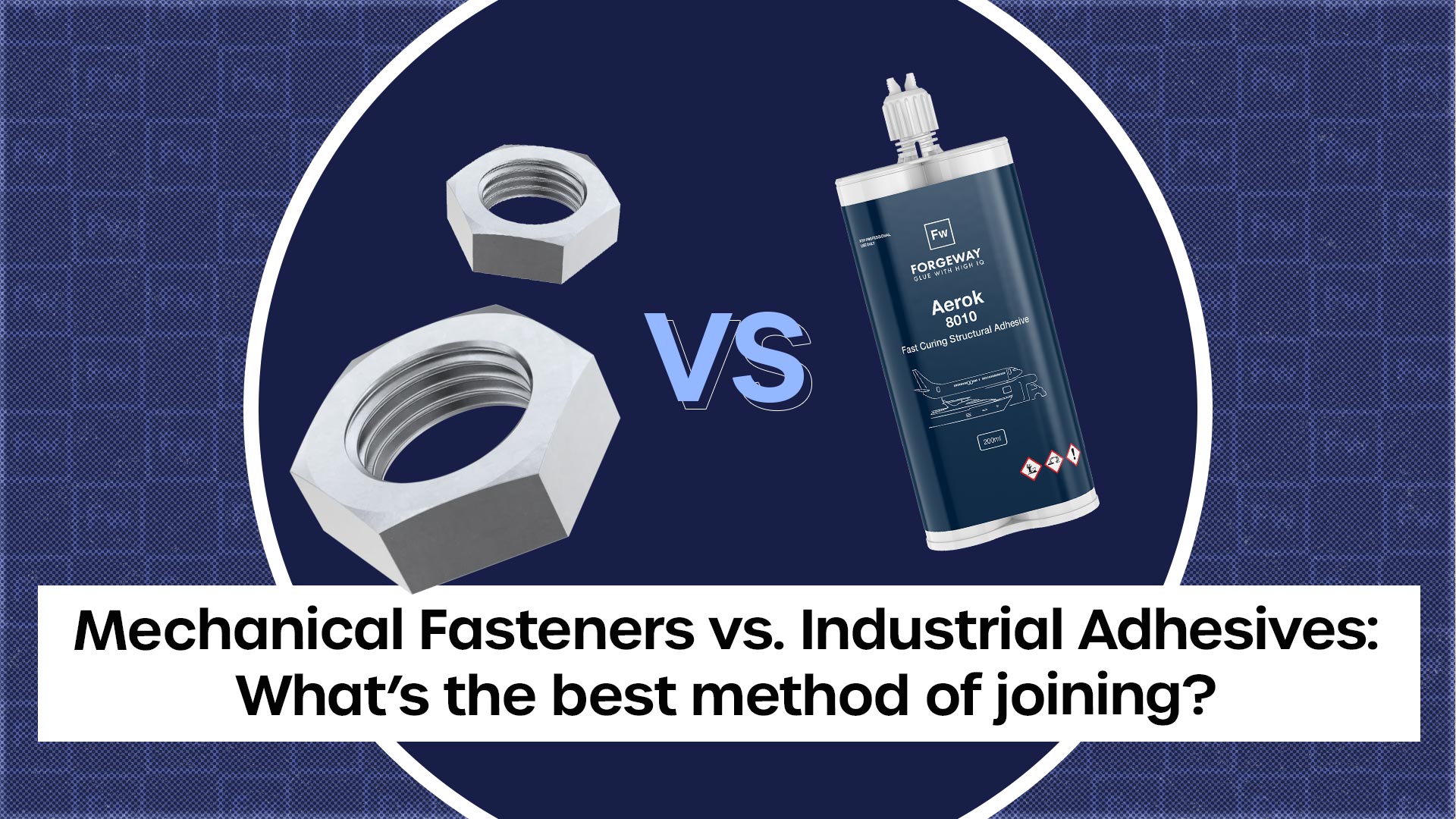
Fasteners provide mechanical joining, while adhesives bond chemically. Fasteners allow easier disassembly and stronger hold under stress. Adhesives work well for smooth surfaces and permanent bonds.
Why Is Fastener Material Important?
Fastener materials affect strength, durability, and corrosion resistance. Common materials are steel, stainless steel, brass, and plastic. Choosing the right material ensures safety and longevity.
Conclusion
Fasteners hold things together in many ways. They come in different shapes and sizes. You find them in furniture, machines, and buildings. Choosing the right fastener matters for safety and strength. Knowing basic types helps you pick the best option.
Fasteners make everyday objects work and stay strong. Understanding them makes fixing and building easier. Keep this in mind next time you need to join parts. Simple but important tools.