Are you struggling with those stubborn plastic push fasteners that seem impossible to remove? Whether you’re fixing your car, repairing furniture, or working on a DIY project, these tiny clips can be a real headache.
But don’t worry—removing them doesn’t have to be a frustrating experience. You’ll discover simple, effective techniques to get those fasteners out quickly and without damage. Keep reading, and you’ll save time, avoid costly mistakes, and tackle your project with confidence.

Credit: www.youtube.com
Tools Needed
Removing plastic push fasteners requires the right tools. Using proper tools prevents damage to the fasteners and the surface. It also saves time and effort. Below are tools commonly used for this task.
Common Tools For Removal
A flathead screwdriver is a basic tool for many fasteners. It can pry up the center pin or the edges gently. A panel removal tool is another option. It has a wide, flat edge that fits under the fastener. This tool reduces the risk of scratching the surface. Needle-nose pliers can grip and pull out stubborn fasteners. A putty knife also works well for lifting fasteners without breaking them.
Specialized Fastener Removers
Specialized fastener removers are made specifically for plastic push clips. They come in different shapes to match various fastener types. These tools provide better grip and leverage. They make removal faster and cleaner. Some have a forked tip that slides under the fastener head easily. Others have a curved design to lift fasteners without damage. Investing in these tools helps if you remove fasteners often.
Credit: www.pointsunknown.com
Identifying Push Fasteners
Plastic push fasteners hold many parts tightly. They are small but strong. Knowing how to spot them helps in removing them safely. This section explains how to identify these fasteners clearly. Understanding their types and common uses makes removal easier and prevents damage.
Types Of Plastic Push Fasteners
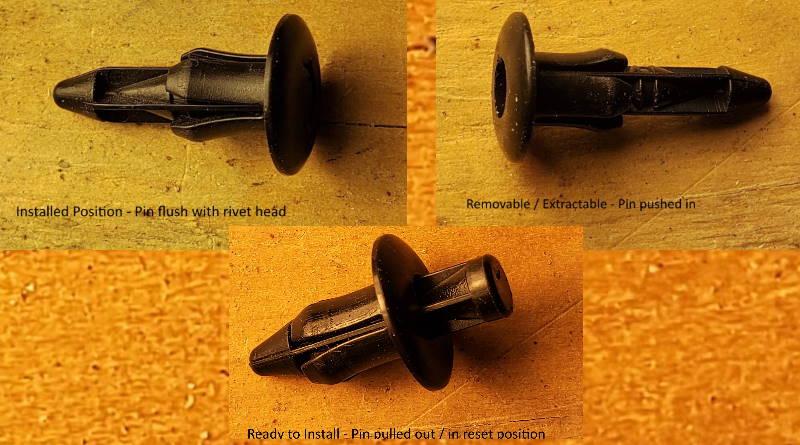
There are several types of plastic push fasteners. Some have a round head with a pin in the center. Others have a flat top with flexible legs underneath. Some fasteners expand when pushed in. Others lock by snapping into place. Each type needs a different way to remove it.
Where They Are Commonly Used
Plastic push fasteners appear in many places. Cars use them to hold door panels and bumpers. Electronics may have them inside for securing parts. Furniture often uses them for assembly. Appliances also rely on these fasteners for covers. Knowing where to find them helps in quick identification.
Preparation Before Removal
Preparing before removing plastic push fasteners saves time and prevents damage. It helps you work safely and cleanly. Taking a few simple steps ensures the removal goes smoothly. These preparations protect both the fastener and the surface around it.
Cleaning The Area
Start by cleaning the area around the fastener. Dirt or dust can cause scratches during removal. Use a soft cloth to wipe the surface gently. Clean surfaces allow better grip on the fastener. This step also helps you see the fastener clearly.
Protecting Surrounding Surfaces
Protect the surfaces near the fastener before you begin. Use painter’s tape or masking tape around the fastener. This prevents scratches or marks from tools. Soft cloths can also shield delicate parts. Protection keeps your work area neat and damage-free.
Step-by-step Removal Process
Removing plastic push fasteners can seem tricky. The right steps make the process simple and safe. Follow this clear guide to avoid damage to your materials. Each step focuses on careful handling and proper tools. This helps keep the fastener reusable and prevents breakage.
Loosening The Fastener Head
Start by locating the fastener head. Use a flathead screwdriver or a trim removal tool. Gently insert it under the fastener’s center pin. Slowly lift the pin to loosen the head. Avoid forcing it to prevent cracking the plastic. The head should pop up slightly when loose.
Prying Out The Fastener
Once the head is loose, slide the tool beneath the fastener base. Apply steady pressure to pry it out. Move the tool around the edges to ease removal. Do not pull the fastener directly without loosening. This step protects the surface from scratches.
Handling Stubborn Fasteners
Some fasteners stick tightly and resist prying. Apply a small amount of lubricant like WD-40. Let it sit for a few minutes to loosen the grip. Use gentle tapping with a rubber mallet if needed. Work slowly to avoid breaking the fastener or surrounding parts.
Tips For Avoiding Damage
Removing plastic push fasteners without causing damage takes care and the right approach. These fasteners are delicate and can break or crack easily. Follow these simple tips to protect them and the surrounding material.
Using The Right Tools
Choose tools made for plastic fasteners. A plastic trim removal tool or a small flathead screwdriver works well. Avoid sharp or heavy tools that can scratch or break the fastener. Using the right tool gives you better control and reduces damage risk.
Applying Gentle Pressure
Push fasteners do not need force. Apply gentle, steady pressure to ease them out. Pulling or prying too hard can snap the fastener or harm the surface. Take your time and work slowly around the fastener for safe removal.
Replacing Or Reinstalling Fasteners
Replacing or reinstalling plastic push fasteners is important after removal. Fasteners keep parts secure and prevent rattling or damage. Using the right type ensures a firm hold and proper fit. Installing new fasteners correctly restores the original strength.
Choosing Replacement Fasteners
Select fasteners matching the size and shape of the original. Check the length, head style, and stem diameter. Using wrong fasteners can cause loose fittings or damage. Choose durable plastic types for longer use and resistance to wear. Some fasteners are designed for specific materials like metal or plastic panels. Purchase from trusted suppliers or auto parts stores.
Installing New Push Fasteners
Align the parts carefully before inserting the fastener. Push the fastener straight into the hole until it clicks or locks. Avoid forcing fasteners at an angle to prevent breakage. Use a gentle tap with a plastic mallet if needed. Check that the fastener sits flush with the surface. Test the hold by gently pulling the parts to confirm tightness.
Common Mistakes To Avoid
Removing plastic push fasteners requires care and attention. Mistakes can cause damage to parts or injury. Knowing what to avoid helps make the task smooth and safe.
Forcing The Fastener
Pushing or pulling too hard can break the fastener. It can also damage the surface around it. Use the right tools and gentle pressure. Let the fastener come out slowly. Forcing only makes the job harder and costly.
Ignoring Safety Precautions
Not using gloves or eye protection risks injury. Small pieces can fly off and cause harm. Always wear safety gear to protect yourself. Work in a clean area with good light. Safety keeps you safe and the task easy.

Credit: www.pointsunknown.com
Frequently Asked Questions
What Tools Are Best To Remove Plastic Push Fasteners?
Use a flathead screwdriver or a panel removal tool. These tools help pry the fastener without damage. Avoid sharp tools that can break the plastic or scratch surfaces. Choose tools based on the fastener size and location for easy removal.
How To Safely Remove Plastic Push Fasteners?
Insert a flat tool under the fastener head gently. Pry upward slowly to release the fastener clip. Avoid excessive force to prevent breaking or damaging the surrounding area. Work carefully and patiently to ensure safe removal.
Can Plastic Push Fasteners Be Reused?
Yes, many plastic push fasteners can be reused if undamaged. Inspect for cracks or wear before reusing. If the fastener is broken or deformed, replace it to ensure secure fastening. Always keep extras handy for replacements.
What Common Mistakes To Avoid When Removing Fasteners?
Avoid using excessive force that can break fasteners. Don’t use sharp tools that may damage surfaces. Avoid pulling fasteners straight out without prying first. Taking your time and using proper tools prevents damage.
Conclusion
Removing plastic push fasteners is easier than you think. Use the right tools to avoid damage. Be gentle and patient during the process. Check the fastener type before starting. Practice makes removal quicker and safer. Follow these steps to keep your work neat.
Now, you can handle fasteners confidently and safely. Keep this guide handy for future needs.