Are you tired of struggling with loose tabletops or unstable furniture? Knowing how to make table top fasteners can save you time, money, and frustration.
These simple yet effective tools hold your tabletop securely in place, giving your furniture a sturdy and polished look. In this guide, you’ll discover easy steps to create your own fasteners with materials you probably already have. Keep reading, and you’ll learn how to fix, improve, and customize your table like a pro—no special skills needed.
Your furniture deserves it, and so do you.
Materials And Tools Needed
Creating table top fasteners requires specific materials and tools. These help ensure your fasteners are strong and fit well. Using the right supplies makes the process smoother and the results better.
Essential Materials
Start with sturdy wood or metal pieces for the fasteners. Choose screws or bolts that match the thickness of your table top. Add washers and nuts for a secure hold. Use wood glue for added strength if working with wood. Sandpaper helps smooth rough edges. Pick materials that resist rust and wear for durability.
Required Tools
A drill with bits fits holes for screws or bolts. Screwdrivers or a wrench tighten fasteners firmly. A measuring tape keeps your cuts and holes accurate. Clamps hold pieces steady while assembling. A saw cuts wood or metal to size. Safety gear like gloves and goggles protects you during work.
Types Of Table Top Fasteners
Table top fasteners keep wood pieces connected tightly. They allow wood to move with changes in weather. Various types suit different projects and wood thicknesses. Choosing the right fastener helps your table stay strong and stable.
Figure Eight Fasteners
Figure eight fasteners are shaped like the number eight. They fit into slots on the table top and apron. These fasteners let wood expand and contract freely. They are easy to install and provide strong support.
Butterfly Keys
Butterfly keys are small wooden pieces shaped like a butterfly. They lock two boards together firmly. These keys add a decorative touch to your table. They require precise cutting but give a solid hold.
Table Buttons
Table buttons are small wooden discs with a hole in the center. Screws pass through them to hold table parts together. They allow wood movement while keeping parts tight. Table buttons are simple and effective fasteners.
Z Clips
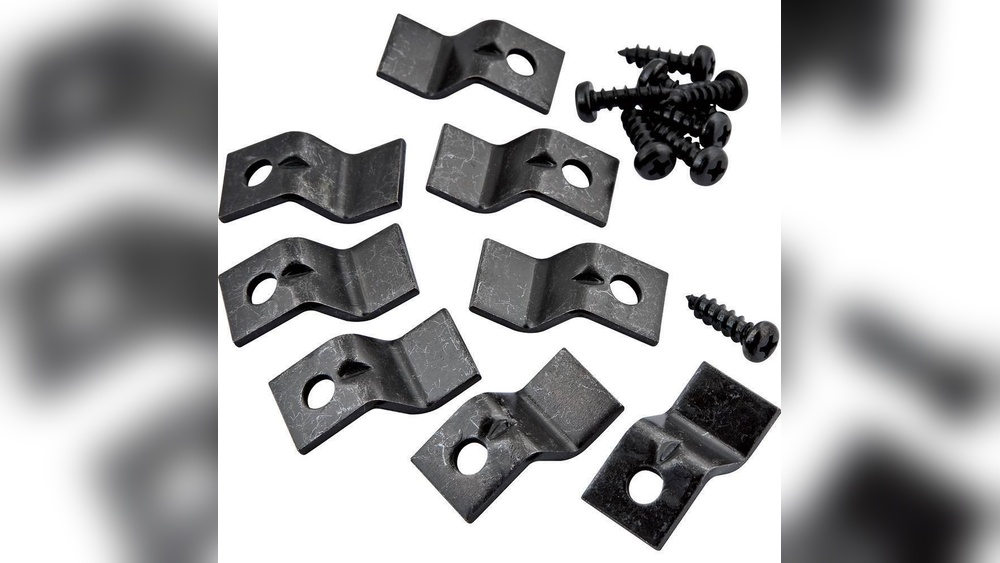
Z clips are metal fasteners shaped like the letter Z. They attach the table top to the base securely. These clips make removal easy for transport or repair. Z clips offer a strong, hidden fastening solution.
Preparing The Wood Pieces
Preparing the wood pieces is the first step to make strong table top fasteners. Careful preparation ensures the fasteners fit well and hold tightly. Each piece must be measured and cut with accuracy. The quality of the wood and the way it is shaped affect the final result.
Measuring And Marking
Start by measuring the wood pieces carefully. Use a ruler or tape measure for exact lengths. Mark the wood clearly with a pencil. Mark the spots where you will drill holes or cut edges. Double-check all measurements before cutting. This helps avoid mistakes and wasted wood.
Cutting And Shaping
Cut the wood pieces along the marked lines. Use a saw that fits the size of the wood. Smooth the edges with sandpaper to remove splinters. Shape the wood so all parts fit together tightly. Proper cutting and shaping make assembly easier and stronger.
Creating Fastener Slots
Creating fastener slots is a key step in making table top fasteners. These slots hold the fasteners securely and allow wood to expand and contract. Accurate and clean slots ensure your table top stays strong and stable over time.
There are two main ways to create these slots: using a router or hand tools. Each method has its own benefits and suits different skill levels and tools.
Using A Router
A router gives precise and clean slots quickly. Set the router with a straight bit that matches the fastener size. Use a guide or fence to keep the cut straight. Move the router slowly and steadily along the marked line.
Make shallow passes instead of one deep cut. This avoids tear-out and keeps the slot smooth. Check the slot width by fitting the fastener as you go. Adjust the depth until the fastener fits snugly but slides easily.
Hand Tool Techniques
Hand tools work well for small projects or if you don’t have a router. Start by marking the slot outline with a pencil. Use a sharp chisel to score the edges carefully. This prevents wood from splintering beyond the slot.
Remove wood inside the lines by chiseling small amounts at a time. A coping saw can help cut the slot length if needed. Clean up the slot bottom and sides with the chisel for a smooth fit. Take your time for accuracy and neatness.
Installing The Fasteners
Installing table top fasteners is an important step for a solid and lasting hold. Proper installation keeps your table sturdy and avoids wobbling. It also makes it easier to remove the tabletop if needed.
This section covers how to place and secure fasteners correctly. Follow these tips to ensure strength and durability in your project.
Positioning For Strength
Place fasteners evenly around the tabletop edges. Avoid placing them too close to corners or edges. This prevents wood from splitting or cracking.
Measure carefully before drilling holes. Mark exact spots for each fastener. This keeps the tabletop balanced and stable.
Space fasteners about 6 to 8 inches apart. This distance gives good support without weakening the wood.
Securing Fasteners Properly
Use the right screws or nails for your fasteners. They should fit snugly but not be too tight. Over-tightening can damage the wood.
Drill pilot holes before inserting screws. This helps avoid splitting the wood. Make sure holes are slightly smaller than screw size.
Check fasteners after installation. They should hold firmly with no wiggle. Tighten gently if needed, but do not force.

Credit: www.woodcraft.com
Testing Joint Stability
Testing joint stability is a key step when making table top fasteners. It ensures the parts hold together firmly. Without stable joints, the table top may wobble or come apart over time. Checking stability early helps fix issues before final assembly.
This section explains how to test joint stability. Follow these steps to check and adjust your fasteners properly. Strong, stable joints make your table top last longer.
Checking For Movement
Start by gently shaking the table top near the fastened area. Look for any side-to-side or up-and-down movement. Even small shifts can weaken the connection. Test all fastened joints this way. Use your fingers to feel if parts slip or slide. No movement means the joint is stable. Movement means the joint needs tightening or adjusting.
Adjusting For Tightness
Use a screwdriver or wrench to tighten loose fasteners. Turn slowly and check the joint again. Avoid over-tightening to prevent damage. Tighten until the joint feels firm and does not move. If the fastener cannot tighten enough, try repositioning or replacing it. Repeat testing after each adjustment. Proper tightness keeps the table top secure and strong.
Finishing Touches
Finishing touches bring your table top fasteners to life. They improve both look and feel. This step protects your work and adds durability. Small details make a big difference in the final product.
Sanding And Smoothing
Start by sanding the fasteners with fine-grit sandpaper. This removes rough edges and splinters. Sand in a circular motion to create an even surface. Check for any sharp spots and smooth them out. Use a soft cloth to wipe away dust after sanding.
Applying Finish
Choose a finish that suits your table’s style and use. Options include oil, varnish, or paint. Apply thin, even coats with a brush or cloth. Let each coat dry completely before adding the next. Finishing seals the wood and enhances its natural beauty.

Credit: www.woodcraft.com
Tips For Durable Joints
Creating strong and lasting joints is key when making table top fasteners. Durable joints keep the table steady and safe. They also prevent loosening over time. Simple steps can help you build joints that last for years.
Choosing The Right Fastener
Select fasteners that fit the table material. Use screws or bolts made from rust-resistant metal. This stops corrosion and keeps joints tight. Avoid fasteners that are too short or thin. They can weaken the joint and cause wobbling. Pick the right size for a firm hold.
Wood screws are best for wooden tabletops. Metal bolts suit metal tables better. Make sure the fastener head fits well in the hole. A loose fit can reduce stability. Proper fastener choice saves repair work later.
Maintenance Advice
Check fasteners regularly for tightness. Loose screws or bolts reduce joint strength. Tighten them with the correct tool. Use a screwdriver or wrench that fits perfectly. Over-tightening can damage the table or fastener. Aim for firm but careful tightening.
Keep fasteners clean and dry to avoid rust. Wipe off dust and dirt often. Apply a small amount of lubricant if needed. This helps prevent seizing and makes future adjustments easier. Regular care extends the life of your joints.

Credit: www.popularwoodworking.com
Frequently Asked Questions
What Materials Are Best For Table Top Fasteners?
Metal and high-strength plastic are ideal for table top fasteners. Metal offers durability, while plastic resists corrosion. Choose based on table weight and environment. Proper material ensures secure attachment and long-lasting stability for your tabletop.
How Do I Install Table Top Fasteners Correctly?
Align the fasteners with pre-drilled holes on the tabletop and frame. Use screws to secure them tightly without over-tightening. Ensure the fasteners hold the tabletop firmly but allow slight movement for wood expansion.
Can Table Top Fasteners Be Used On All Wood Types?
Yes, fasteners work on most wood types, including hardwood and softwood. Select fasteners compatible with your wood’s thickness and density. Proper fastener choice prevents wood damage and ensures a stable tabletop attachment.
How To Choose The Right Size Of Table Top Fasteners?
Measure the tabletop thickness and frame depth before selecting fasteners. Fasteners must be long enough to hold securely but not penetrate the tabletop surface. Proper sizing guarantees strength and avoids damage.
Conclusion
Making table top fasteners is simple and useful. You only need basic tools and clear steps. These fasteners keep your table strong and steady. Use the right materials for the best results. Practice a few times to get better at it.
This skill saves money and helps with DIY projects. Try making your own fasteners to build or fix tables easily. It feels good to create something with your own hands. Keep these tips in mind for your next woodworking task.