
Have you ever tried to remove a wall anchor only to end up with a bigger hole or damaged paint? It’s frustrating, right?
You want your walls to look clean and smooth, but those stubborn anchors seem impossible to get out without leaving a mess. What if you could remove them quickly and easily, without worrying about ruining your wall? You’ll discover simple, effective methods to take out wall anchors safely.
Keep reading, and you’ll learn the secrets to restoring your walls perfectly—no stress, no damage.
Credit: inspectiongator.com
Types Of Wall Anchors
Wall anchors come in various types, each designed for different uses and wall materials. Knowing these types helps in removing them without causing wall damage. Understanding their structure and how they work makes the removal process easier.
Plastic Expansion Anchors
Plastic expansion anchors are common and easy to use. They expand inside the wall when a screw is driven in. These anchors work best in drywall and light materials. Removing them needs gentle pulling or pushing to avoid wall damage.
Toggle Bolts
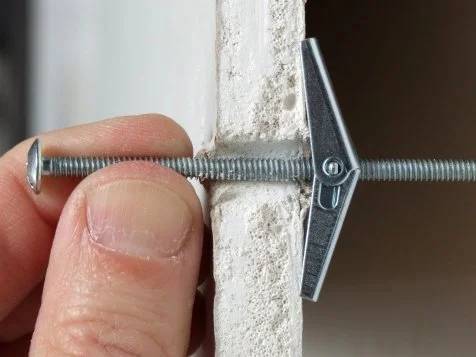
Toggle bolts have metal wings that open behind the wall. They provide strong support for heavy items. These anchors require a larger hole for installation. Removing toggle bolts means collapsing the wings carefully inside the wall.
Molly Bolts
Molly bolts are metal anchors that expand behind the wall. They hold firmly in drywall and plaster. The bolt tightens the anchor to the wall surface. Removal involves unscrewing and gently pulling the anchor out.
Self-drilling Anchors
Self-drilling anchors screw directly into drywall without pre-drilling. They are simple and quick to install. These anchors grip tightly to the wall. To remove, unscrew carefully while supporting the wall surface.
Tools Needed For Removal
Removing a wall anchor without harming the wall needs the right tools. Using proper tools makes the job easier and keeps your wall safe. Prepare these simple tools before starting the removal process.
Screwdriver Options
Screwdrivers help loosen anchors that have screws. Choose a flathead or Phillips screwdriver based on the screw type. A proper fit reduces the risk of slipping and damaging the wall.
Pliers And Needle-nose Tools
Pliers grip anchors firmly for pulling them out. Needle-nose pliers work well in tight spaces. Use gentle, steady pressure to avoid ripping the wall surface.
Putty Knife Or Spatula
A putty knife lifts anchors flush with the wall. It also helps pry out stubborn anchors carefully. A thin, flexible blade works best for this task.
Drill And Bits
A drill removes anchors that are stuck or broken. Use a small drill bit to bore inside the anchor. Drill slowly to prevent wall damage or over-enlarging the hole.
Step-by-step Removal Techniques
Removing wall anchors can seem tricky. Many worry about damaging the wall. Using the right steps makes it easier and safer. Follow these clear techniques to remove anchors without leaving big holes or marks. Each type of anchor needs a different approach. Learn the best way to take out plastic anchors, toggle bolts, molly bolts, and self-drilling anchors.
Removing Plastic Anchors
Plastic anchors are common in drywall. Start by unscrewing the screw inside the anchor. If the anchor stays, try pulling it out gently with pliers. If it won’t budge, push the anchor into the wall cavity carefully. This leaves a small hole that is easy to fix with spackle.
Extracting Toggle Bolts
Toggle bolts have wings that open inside the wall. Unscrew the bolt slowly while holding the screw head. The wings will drop inside the wall cavity once loose. Do not pull hard on the bolt. Patch the hole left by the wings with wall filler for a smooth finish.
Pulling Out Molly Bolts
Molly bolts expand behind the wall. Unscrew the bolt until it is free from the anchor. Use pliers to grip the anchor’s collar. Pull the anchor straight out slowly. If it resists, tap it lightly with a hammer to loosen. Fill the hole after removal to restore the wall surface.
Dealing With Self-drilling Anchors
Self-drilling anchors screw directly into drywall. Unscrew the attached screw first. Turn the anchor counterclockwise using pliers. Remove it carefully to avoid wall damage. If it spins without coming out, push it into the wall cavity. Cover the hole with spackle for a clean look.
Credit: www.hgtv.com
Tips To Avoid Wall Damage
Removing a wall anchor without causing damage needs care and the right approach. Small mistakes can leave holes or cracks on your wall. These tips help protect your wall while you take out the anchor.
Applying Gentle Pressure
Start by pressing softly on the anchor. Avoid forcing it out quickly. Gentle pressure helps loosen it without breaking the wall surface. Slow, steady pushes work best to keep the wall intact.
Using Lubricants
Lubricants can make the anchor slide out easier. Apply a small amount around the anchor base. This reduces friction and helps pull the anchor smoothly. Choose mild lubricants safe for painted walls.
Protecting Wall Surface
Place tape or a soft cloth around the anchor area. This layer shields the paint and drywall from scratches. Use painter’s tape for easy removal without leaving marks. Protecting the surface keeps walls clean and neat.
Working Slowly And Carefully
Take your time during removal. Rushing may cause dents or chips. Move the anchor bit by bit, checking the wall often. Patience pays off with a clean, damage-free finish.
Repairing Wall After Anchor Removal
Removing wall anchors often leaves small holes or marks behind. Repairing these spots helps your wall look smooth and clean again. Simple steps can fix the damage quickly and easily. You need just a few tools and materials for this task.
Filling Holes With Spackle
Start by cleaning the hole area gently with a dry cloth. Use a putty knife to apply spackle into the hole. Press the spackle firmly to fill the entire space. Smooth the surface with the knife to remove extra spackle. Let it dry completely before moving to the next step.
Sanding For Smooth Finish
Once the spackle dries, use fine sandpaper to smooth the patch. Sand lightly in small circles for an even finish. Check the surface by running your hand over it. The spot should feel flat and blend with the wall. Remove dust with a dry cloth before painting.
Repainting Touch-ups
Match the paint color to your wall for a seamless look. Use a small brush to apply paint over the patched area. Apply thin layers and let each layer dry before adding more. Blend the edges carefully to avoid visible lines. The repaired spot will look like part of the wall.
Preventing Future Wall Damage
Preventing damage to your walls is key when using wall anchors. Proper care keeps walls strong and smooth. It saves time and money on repairs later. Follow simple steps to protect your walls from cracks and holes.
Choosing The Right Anchor
Select anchors that match your wall type. Drywall anchors work best for drywall only. Use masonry anchors for brick or concrete walls. Plastic anchors suit light items; metal anchors hold heavier loads. Using the wrong anchor can cause wall damage.
Proper Installation Techniques
Drill holes that fit the anchor size exactly. Avoid making holes too big or too small. Insert anchors gently without forcing them in. Tighten screws slowly to prevent cracking the wall. Follow instructions for each anchor type carefully.
Weight Considerations
Check the weight limit of your wall anchor. Do not exceed the recommended weight. Heavy objects need stronger anchors and support. Overloading anchors causes them to pull out or break walls. Always distribute weight evenly if hanging multiple items.

Credit: www.wikihow.com
Frequently Asked Questions
How Do I Safely Remove A Wall Anchor?
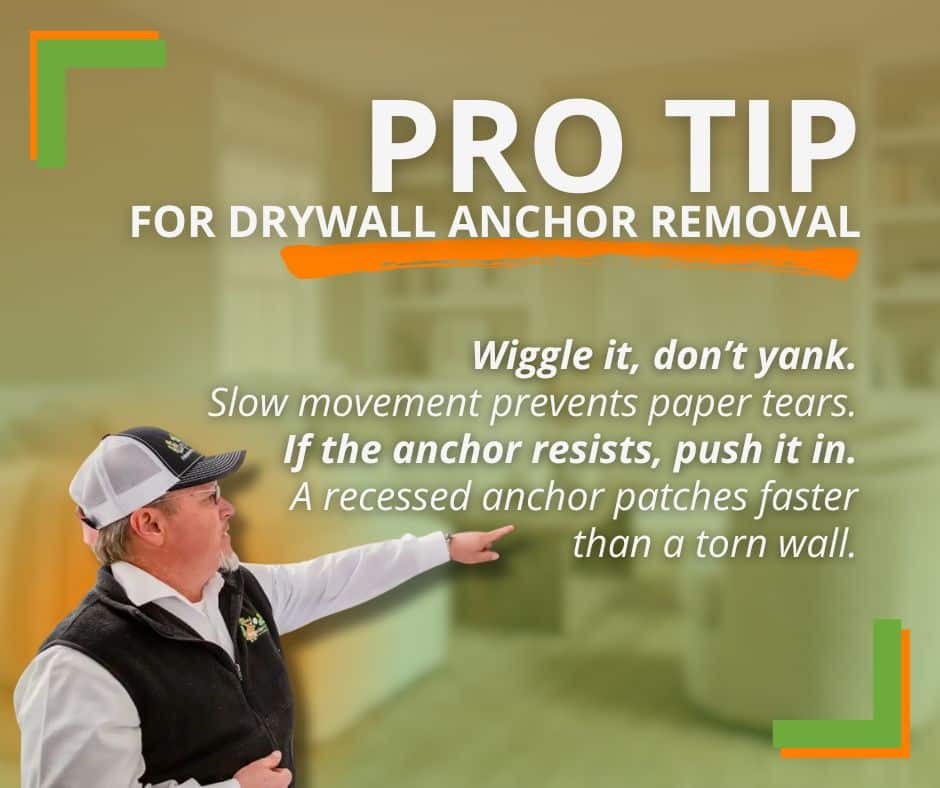
To safely remove a wall anchor, first unscrew any attached screws. Use pliers to gently pull the anchor out. If it resists, push it inward and patch the hole afterward. This method prevents wall damage and keeps surfaces smooth.
What Tools Are Needed To Remove Wall Anchors?
You need basic tools like a screwdriver, needle-nose pliers, and a putty knife. A drill may help for stubborn anchors. These tools help you remove anchors cleanly and prepare the wall for repairs.
Can Wall Anchors Be Removed Without Leaving Holes?
Completely avoiding holes is difficult, but you can minimize damage. Use gentle pulling and avoid forcing anchors. After removal, patch holes with spackle and sand smooth for a flawless finish.
How To Fix The Wall After Anchor Removal?
Fill the hole with spackle or wall filler using a putty knife. Let it dry, then sand it smooth. Finally, repaint to match the wall color for a seamless repair.
Conclusion
Removing wall anchors without harming the wall is easier than it seems. Use the right tools and gentle methods for best results. Take your time and avoid rushing the process. Small holes can be fixed with simple wall putty. Clean and smooth walls look great after repairs.
Keep these tips in mind for future projects. A little care helps keep walls neat and damage-free. Try these steps for a clean and easy anchor removal.


