Locked out or struggling with a stubborn deadbolt? You’re not alone, and there’s a simple way to regain access without stress.
Knowing how to open a deadbolt with a key can save you time, money, and frustration. In this guide, you’ll discover easy, step-by-step techniques that anyone can follow—even if you’re not a locksmith. Keep reading, and you’ll feel confident handling your deadbolt like a pro.
Types Of Deadbolts
Deadbolts come in different types. Each type offers unique security features. Knowing the types helps you understand how to open them with a key. This section explains the main types of deadbolts found on doors.
Single Cylinder Deadbolts
Single cylinder deadbolts have a keyhole on the outside. Inside, there is a thumb turn to lock or unlock. This type is common on many home doors. It is easy to use and secure. You open it with a key from outside and by turning the thumb inside.
Double Cylinder Deadbolts
Double cylinder deadbolts have keyholes on both sides of the door. You need a key to open it from inside and outside. This type adds extra security. It prevents someone from breaking glass and opening the door. Opening with a key requires two keys, one for each side.
Keyless Deadbolts
Keyless deadbolts do not use traditional keys. They use codes or electronic methods to open. Some models have a keypad or fingerprint scanner. These are easier to use but may need batteries. They offer convenience but differ from key deadbolts in operation.
Tools Needed
Opening a deadbolt with a key requires some basic tools. Having the right items makes the process smoother. This section covers the essential tools you need.
Choosing The Right Key
Use the key that matches the deadbolt lock. A correct key fits easily into the keyhole. Avoid keys that look worn or bent. Damaged keys may not turn the lock properly. Keep a spare key nearby for emergencies.
Additional Tools For Assistance
Sometimes the key alone is not enough. A flashlight helps you see inside the keyhole clearly. A lubricant spray can ease a stuck lock. Use a cloth to wipe dirt from the key and lock. These small tools improve your chances of success.
Step-by-step Key Insertion
Opening a deadbolt with a key needs careful steps. This guide shows how to insert the key properly. Proper key insertion helps the lock turn easily. Avoiding force protects both the key and lock.
Aligning The Key Correctly
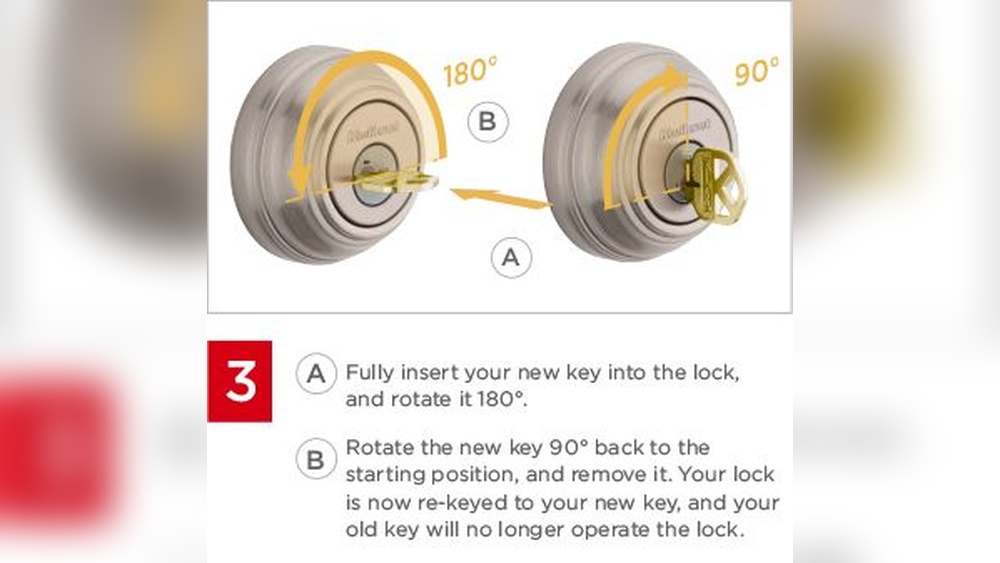
Hold the key so the teeth face up or down. Check the lock’s keyhole shape. Match the key’s grooves with the lock’s inside pattern. Align the key straight, not at an angle. A misaligned key can get stuck or damage the lock.
Inserting The Key Smoothly
Insert the key slowly into the keyhole. Push it gently until it stops. Do not force the key inside. If it doesn’t slide in easily, pull it out and realign. Smooth insertion prevents key breakage and lock damage.

Credit: www.art-of-lockpicking.com
Turning The Key Safely
Turning the key safely in a deadbolt lock is important to avoid damage. A smooth, careful turn helps the lock work well. It also keeps the key from breaking inside the lock. This step needs patience and gentle handling.
Rushing or forcing the key can cause problems. The key might get stuck or the lock may stop working. Follow simple tips to turn the key safely every time.
Applying Gentle Pressure
Hold the key firmly but do not push too hard. Turn the key slowly in the correct direction. Gentle pressure lets the pins inside the lock move freely. It prevents the key from bending or breaking.
Stop if the key does not turn easily. Back it out slightly, then try again. Let the lock parts settle before turning further.
Avoiding Common Mistakes
Do not force the key if it feels stuck. Forcing can break the key or damage the lock. Avoid turning the key the wrong way. This can jam the mechanism inside the lock.
Keep the key clean and free of dirt. Dirt can block the pins and stop the key from turning. Use a dry cloth to wipe the key regularly.
Troubleshooting Stuck Deadbolts
Stuck deadbolts can cause real frustration. They stop your key from turning smoothly. This problem can happen over time or from weather changes. Knowing how to fix a stuck deadbolt helps you avoid being locked out or damaging the lock. Simple steps can make your deadbolt work well again.
Lubrication Tips
Dry locks often cause the key to stick. Use a graphite lubricant for the best results. Spray or apply the lubricant inside the keyhole. Avoid oil-based lubricants as they attract dirt and grime. Insert the key and turn it gently to spread the lubricant. Repeat this process if the lock still feels stiff. Regular lubrication keeps the deadbolt moving smoothly.
Handling A Jammed Lock
Check if the key is bent or damaged. A bent key can jam the lock easily. Try to wiggle the key gently while turning. Do not force the key to avoid breaking it inside. Tap the lock lightly with a small hammer to loosen parts. If the lock remains stuck, consider using a lock de-icer or warm the key slightly. Persistent jams may require professional help to prevent damage.

Credit: www.youtube.com
When To Call A Locksmith
Knowing when to call a locksmith is key to handling deadbolt issues safely. Sometimes, trying to fix the lock yourself can cause more damage. A professional locksmith has the right tools and skills to help without hurting your lock or door.
Signs Of Lock Damage
Look for visible signs like a bent key, broken key inside, or a lock that feels stiff. If the key won’t turn smoothly or gets stuck, the lock might be damaged. Strange noises when turning the key also show trouble. Ignoring these signs can make the lock worse.
Emergency Situations
Calling a locksmith is smart during emergencies like being locked out or losing your keys. If a key breaks inside the lock or the door won’t open, a locksmith can help fast. They can also assist if the lock jams after a break-in. Quick help keeps your home safe and avoids stress.
Credit: www.reddit.com
Frequently Asked Questions
How Do I Open A Deadbolt With A Key?
Insert the correct key into the deadbolt lock. Turn the key gently clockwise until the bolt retracts. Pull the door open once unlocked.
Can I Open A Deadbolt Without A Key?
Without a key, opening a deadbolt is difficult. You may need a locksmith or use lock-picking tools if legal and skilled.
What Type Of Key Works For Deadbolt Locks?
Deadbolt locks require a specific flat or tubular key designed for that lock. Using the wrong key can damage the lock.
How To Avoid Breaking The Key In A Deadbolt?
Insert the key fully and turn gently. Avoid forcing the key if it resists to prevent breakage inside the lock.
Conclusion
Opening a deadbolt with a key is simple when you know the steps. Always insert the key fully and turn it gently. Avoid forcing the key to prevent damage. Practice helps you get better and quicker. Keep your key clean and check the lock often.
These small tips make using a deadbolt easier and safer. Stay calm and take your time each time you lock or unlock. With care, your deadbolt will work smoothly for years.