Are you struggling to hang something sturdy on your plaster wall without it falling down? You’re not alone.
Plaster walls can be tricky to work with, but once you know the right way to put an anchor in, your pictures, shelves, and decorations will stay put—no more worrying about holes or cracks. In this guide, you’ll learn simple, step-by-step tips to make sure your anchor holds strong every time.
Keep reading, and you’ll gain the confidence to tackle your wall projects like a pro.

Credit: www.picturehangsolutions.com
Choosing The Right Anchor
Choosing the right anchor is very important for a plaster wall. The right anchor holds your items safely. It stops your wall from cracking or breaking. Not all anchors work well with plaster. Some can cause damage or fail to hold weight. Knowing the types and how much weight they hold helps you pick the best one.
Types Of Anchors For Plaster Walls
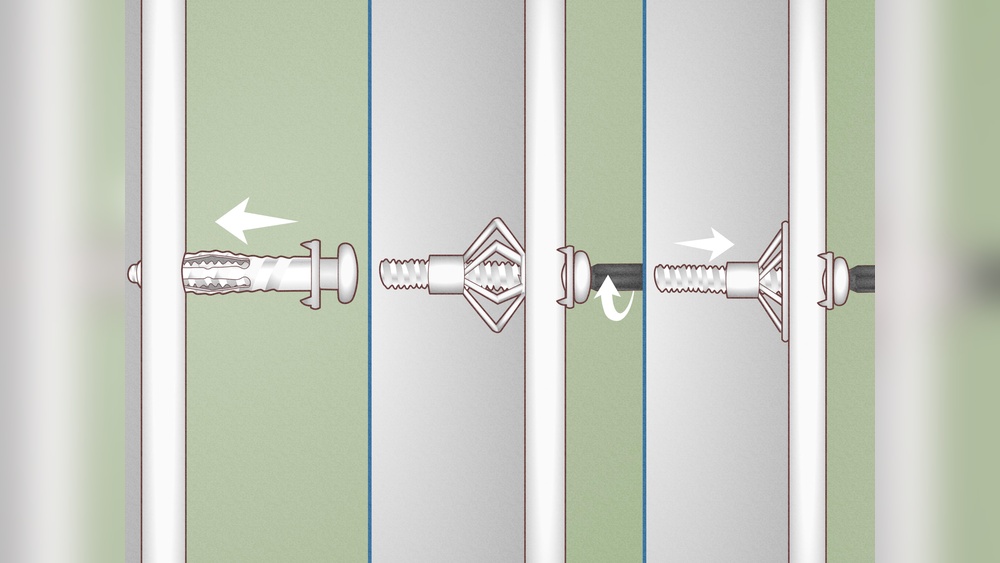
There are several types of anchors made for plaster. Plastic expansion anchors expand inside the wall for a tight fit. Metal toggle bolts open behind the wall for strong support. Molly bolts have a sleeve that expands when tightened. Each type suits different wall thickness and weight needs.
Weight Capacity Considerations
Check the weight your anchor can hold. Light anchors work for small pictures or decorations. Heavy anchors are best for shelves or mirrors. Overloading an anchor can pull it out. Always pick an anchor that can hold more than your item’s weight.
Material Compatibility
Plaster walls are fragile and need gentle anchors. Some anchors can crack or damage plaster. Choose anchors made for plaster or drywall. Avoid using anchors made only for wood or concrete. The right material keeps your wall safe and strong.
Tools You’ll Need
Preparing to put an anchor into a plaster wall requires the right tools. These tools help you work safely and accurately. Having the correct equipment makes the job easier and ensures the anchor holds well.
Drill And Drill Bits
A drill is essential for making holes in plaster walls. Choose a drill with variable speed for better control. Use masonry or multi-purpose drill bits to avoid cracking the plaster. Select a drill bit size that matches your anchor size exactly.
Screwdriver Options
Use a screwdriver to insert screws into the anchors. A manual screwdriver gives you control and feels safer for delicate plaster. An electric screwdriver saves time but use it on low power to avoid damage. Make sure the screwdriver tip fits the screw head perfectly.
Measuring And Marking Tools
Accurate placement is key for anchors. Use a tape measure to find the right spot on the wall. A pencil or chalk will mark the drilling point clearly. A level helps keep your marks straight, especially for multiple anchors in a row.
Preparing The Wall
Preparing the wall is the first step to a strong anchor installation. This part ensures safety and proper support for your item. Taking time to prepare helps avoid mistakes and damage to the wall.
Understanding the wall’s layout and condition is key. Check carefully before drilling or inserting anchors. This preparation saves effort and keeps your wall intact.
Locating Studs And Avoiding Wiring
Studs are wooden or metal beams behind the plaster wall. Anchors hold best when attached to a stud. Use a stud finder tool to locate these beams easily.
Wiring runs behind walls too. Drilling into wires can cause shocks or damage. Use a wire detector or carefully check near switches and outlets.
Marking The Anchor Spot
Mark the exact spot where you want to place the anchor. Use a pencil for a light, easy-to-remove mark. Double-check the spot before drilling.
Keep marks clear but small. This helps guide your drill without damaging the wall surface.
Checking Wall Condition
Inspect the plaster for cracks or loose areas. Weak plaster may not hold an anchor well. Repair any damage before installing anchors.
Tap gently on the wall to listen for hollow sounds. Hollow spots need extra care or alternative methods for anchors.
Credit: www.do-it-yourself-help.com
Drilling The Hole
Drilling a hole in a plaster wall is a careful task. It requires the right tools and a steady hand. A clean and accurate hole helps the anchor hold firmly. Small mistakes can cause cracks or weak spots in the wall. Follow each step to drill perfectly every time.
Choosing The Right Drill Bit Size
Select a drill bit that matches the anchor size. The hole should be just wide enough for the anchor to fit tightly. Too big a bit makes the anchor loose. Too small a bit can crack the plaster. Check the anchor package for the recommended drill bit size. Use a masonry bit if the wall has lath or plaster.
Drilling Technique For Plaster
Start drilling slowly to avoid cracking the plaster. Hold the drill steady and straight. Apply gentle pressure and keep the drill moving. Stop if you feel resistance or hear cracking. Drill just deep enough for the anchor length. Avoid pushing too hard or fast. Use a lower speed setting on your drill for better control.
Cleaning The Hole
Clear dust and debris from the hole before inserting the anchor. Use a small brush or a vacuum to remove loose particles. Blowing air gently can also clean the hole. A clean hole helps the anchor grip the wall better. Double-check that the hole is the right size and depth after cleaning.
Installing The Anchor
Installing the anchor properly is key to a strong hold in plaster walls. This step ensures your item stays secure and prevents damage. Each type of anchor fits different needs and wall thicknesses. Follow these clear instructions for a safe and stable installation.
Inserting Plastic Anchors
Plastic anchors are simple and great for light loads. Start by drilling a hole slightly smaller than the anchor. Push the plastic anchor gently into the hole until flush with the wall. Use a screwdriver to insert the screw into the anchor. The anchor will expand inside the wall, gripping tightly.
Using Toggle Bolts
Toggle bolts hold heavier items securely in plaster walls. Drill a hole large enough for the folded toggle. Thread the bolt through your item and then through the toggle. Push the toggle through the hole; it will open behind the wall. Tighten the bolt slowly to pull the toggle tight against the wall.
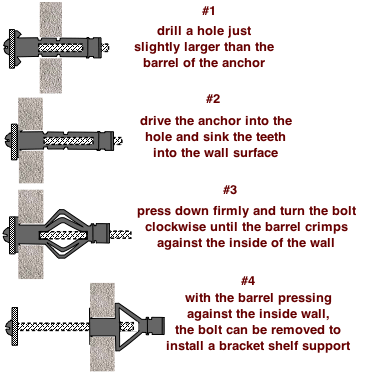
Securing With Molly Bolts
Molly bolts are strong and designed for hollow plaster walls. Drill a hole matching the molly bolt size. Insert the molly bolt fully into the hole. Use a screwdriver to turn the bolt; this expands the sleeve behind the wall. Tighten until the anchor feels firm, then attach your item securely.
Securing The Screw
Securing the screw properly is a key step after placing the anchor in a plaster wall. It holds everything tight and prevents damage. This part needs care and the right tools to make sure the anchor does its job well. Let’s explore how to secure the screw effectively.
Selecting The Correct Screw Length
Choose a screw that fits the anchor length plus the thickness of the item you hang. Too short, and it won’t hold well. Too long, and it may damage the wall behind. Measure carefully for the best fit.
Driving The Screw Properly
Start the screw straight into the anchor. Use a screwdriver or drill on low speed. Avoid forcing the screw fast. Turn it slowly to prevent breaking the anchor or wall.
Ensuring Firm Hold
Stop tightening when you feel resistance. The screw should be snug but not over-tightened. Check the item for stability. A firm hold means your anchor and screw are working well together.
Testing And Troubleshooting
Testing and troubleshooting are key steps after placing an anchor in a plaster wall. They ensure the anchor holds firmly and the wall stays intact. This process helps avoid future problems like falling objects or wall damage. Simple checks can save time and effort later.
Checking Stability
Gently pull on the anchor to check its grip. It should not move or wiggle. Use a level to see if the object stays straight. A stable anchor holds tight under light pressure. Repeat the test with the object attached. Stability means the anchor is secure and ready.
Dealing With Loose Anchors
If the anchor feels loose, remove it carefully. Inspect the hole for cracks or widening. Use a larger anchor or a different type for better grip. Filling the hole with wall repair compound can help. Let the compound dry fully before re-anchoring. Loose anchors need fixing to avoid future damage.
Repairing Wall Damage
Cracks or holes appear from anchor failure or removal. Clean the damaged area gently with a brush. Apply plaster patch or filler to fill gaps. Smooth the surface with a putty knife and let dry. Sand the area lightly for a clean finish. Paint over the patch to match the wall color. Repairing keeps walls strong and looking good.
Credit: www.youtube.com
Frequently Asked Questions
What Tools Do I Need To Anchor Into A Plaster Wall?
You need a drill, masonry bit, wall anchors, screwdriver, and a hammer. These tools ensure a secure anchor installation in plaster walls.
How Do I Choose The Right Anchor For Plaster Walls?
Select anchors designed for plaster, like toggle bolts or molly bolts. They provide better grip and prevent wall damage.
Can I Drill Directly Into Plaster Without Anchors?
Drilling directly is not recommended as plaster is brittle. Anchors distribute weight and prevent cracks or wall damage.
How Deep Should I Drill For A Plaster Wall Anchor?
Drill slightly deeper than the anchor length. This ensures the anchor fits fully and holds securely in the plaster.
Conclusion
Putting an anchor into a plaster wall is simple with the right steps. Start by choosing the correct anchor for your wall type. Drill carefully to avoid cracks or damage. Insert the anchor firmly and screw in your fixture gently.
Take your time and work slowly. This method helps your items stay secure and your wall stay strong. With practice, you will feel confident handling plaster walls. Try these tips next time you hang something heavy. You can do it without worry or stress.