Are you planning to attach something to a concrete wall but unsure how many anchors you need? Getting it right is crucial for safety and durability.
Use too few anchors, and your wall mount could fail; use too many, and you might waste time and money. You’ll discover the simple rules to figure out exactly how many anchors to use for your project. By the end, you’ll feel confident that your wall attachment is strong, secure, and built to last.
Keep reading to learn the step-by-step guide that makes this task easy for you.
Types Of Anchors For Concrete Walls
Choosing the right anchor for concrete walls is important. It affects how strong and stable the attachment will be. Different types of anchors work best in different situations. Understanding these types helps you pick the right one for your project.
Mechanical Anchors
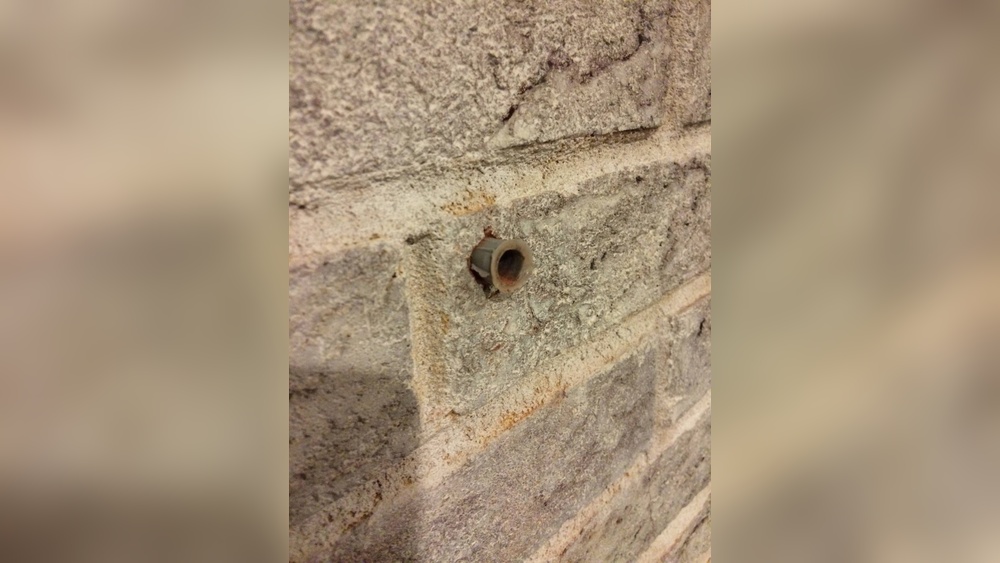
Mechanical anchors hold by gripping the concrete. They expand inside the drilled hole. This creates a tight fit that resists pulling out. Common types include wedge anchors and sleeve anchors. They are good for heavy loads and quick installation.
Chemical Anchors
Chemical anchors use resin or epoxy to bond with concrete. The anchor rod is fixed in place by the hardened chemical. This method offers strong and durable support. It works well in cracked or weak concrete. Installation takes more time but provides excellent hold.
Adhesive Anchors
Adhesive anchors rely on glue-like substances to stick to the wall. They fill gaps inside the drilled hole and secure the anchor. These anchors are versatile and fit many applications. They provide good strength and resist vibration. Proper curing time is necessary for best results.

Credit: www.frontierbasementsystems.com
Factors Influencing Anchor Quantity
Deciding how many anchors to use for attaching a wall to a concrete surface depends on several key factors. These factors ensure the wall stays secure and stable. Understanding them helps prevent mistakes and improves safety.
Load Requirements
The weight and type of load affect anchor quantity. Heavy loads need more anchors for support. Dynamic or moving loads also require extra anchors to handle stress. A careful load assessment guides the right anchor number.
Wall Thickness And Material
Thicker walls may need fewer anchors because they hold better. Wall material matters too. Some materials, like brick or block, behave differently than concrete. This changes how many anchors fit well and hold tightly.
Anchor Spacing Guidelines
Proper spacing between anchors is crucial. Too close means wasted material and effort. Too far apart causes weak points. Building codes and manufacturer instructions provide spacing rules. Following these rules ensures even load distribution and wall stability.
Calculating The Number Of Anchors
Calculating the number of anchors needed to attach a wall to a concrete wall is essential. It ensures the wall stays secure and safe. This process involves understanding how much weight each anchor can hold, the total weight of the wall, and safety margins. Proper calculation prevents damage and accidents.
Determining Load Capacity Per Anchor
Each anchor has a specific load capacity. This means it can hold a certain amount of weight safely. Check the anchor’s packaging or datasheet for this number. Different anchors have different strengths. Choose anchors that suit the weight and type of your wall.
Assessing Total Load On Wall
Calculate the total load the wall will carry. Include the wall’s weight and any additional forces like wind or equipment. Add these loads together to get the total weight. This number helps decide how many anchors are necessary.
Safety Factors To Consider
Always add a safety factor to your calculations. This means using more anchors than the minimum needed. Safety factors cover unexpected loads or weak spots in the concrete. A common safety factor is 1.5 to 2 times the total load.
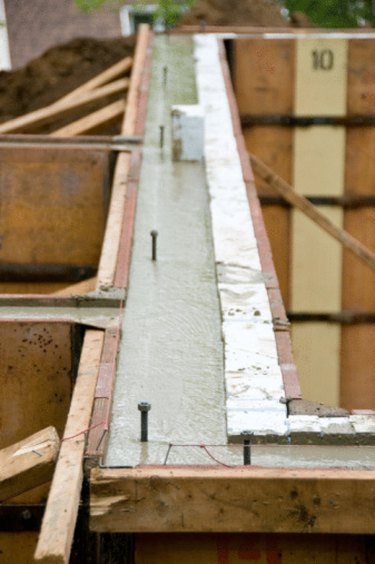
Credit: www.ehow.com
Installation Best Practices
Installing anchors to attach a wall to a concrete wall requires care and precision. Following best practices ensures a strong and safe connection. Proper steps help prevent damage and improve the wall’s stability.
Preparing The Concrete Surface
Start by cleaning the concrete surface thoroughly. Remove dirt, dust, and loose particles. Use a wire brush or broom for this task. A clean surface helps anchors hold better. Check the concrete for cracks or damage. Avoid installing anchors on weak or crumbling areas.
Drilling And Cleaning Holes
Use the correct drill bit size for the anchors. Drill straight holes at the marked points. Avoid drilling too deep or too shallow. After drilling, clean the holes well. Use a vacuum or compressed air to remove dust. Clean holes improve anchor grip and strength.
Proper Anchor Placement
Place anchors evenly along the wall. Follow the manufacturer’s spacing recommendations. Keep anchors away from edges to prevent cracking. Ensure anchors are aligned and level. Tighten anchors securely but avoid over-tightening. Proper placement increases the wall’s support and safety.
Common Mistakes To Avoid
Attaching a wall to a concrete wall requires careful planning. Avoiding common mistakes helps keep your project safe and strong. Mistakes can cause damage and weaken the structure. Below are key errors to watch out for.
Using Incorrect Anchor Types
Choosing the wrong anchor can cause failure. Some anchors work only for light loads. Others fit better for heavy-duty use. Match the anchor type with the wall and load needs. Avoid anchors that don’t fit the concrete type.
Ignoring Load Specifications
Every wall has different weight limits. Anchors must handle the load safely. Overloading anchors causes them to pull out or break. Check the load specs before choosing anchors. Use anchors rated for your wall’s weight and use.
Improper Anchor Depth
Anchors placed too shallow lose grip. Too deep can weaken the concrete. Follow recommended depth for each anchor type. Proper depth ensures strong hold and durability. Measure carefully before drilling and installing anchors.
Tools And Materials Needed
Attaching a wall to a concrete wall requires the right tools and materials. These ensure a secure and lasting connection. Using proper equipment makes the job easier and safer. Below are the main items needed for this task.
Drills And Bits
A powerful drill is necessary to bore holes into concrete. Hammer drills work best for this job. Choose carbide-tipped masonry bits for clean, precise holes. The bit size must match the anchor size. This prevents loose fitting or damage.
Anchors And Fasteners
Anchors hold the wall firmly to the concrete. Common types include sleeve anchors, wedge anchors, and concrete screws. Select anchors based on wall weight and load needs. Use corrosion-resistant fasteners for durability. Fasteners must fit well with the chosen anchors.
Measuring And Leveling Tools
Accurate measurements ensure proper anchor placement. A tape measure helps mark drill spots precisely. Use a level to keep the wall straight and even. Marking tools like pencils or chalk are useful for visibility. Careful measuring avoids mistakes and weak points.
When To Consult A Structural Engineer
Knowing when to consult a structural engineer is crucial for attaching anchors to a concrete wall safely. Some situations require expert advice to avoid risks and ensure stability. Understanding these scenarios helps prevent costly mistakes and potential damage.
Complex Load Situations
Heavy loads or uneven weight distribution can stress anchors beyond their limits. A structural engineer can calculate the exact load capacity needed. They ensure the anchors hold securely without failure.
Unusual Wall Designs
Walls with curves, slopes, or irregular shapes need special attention. Standard anchoring methods might not work well on these surfaces. Engineers design custom solutions that fit unique structures safely.
Ensuring Compliance With Codes
Building codes set strict rules for wall anchoring. Engineers know these rules and help meet all legal requirements. Their guidance avoids fines and keeps the structure safe and sound.
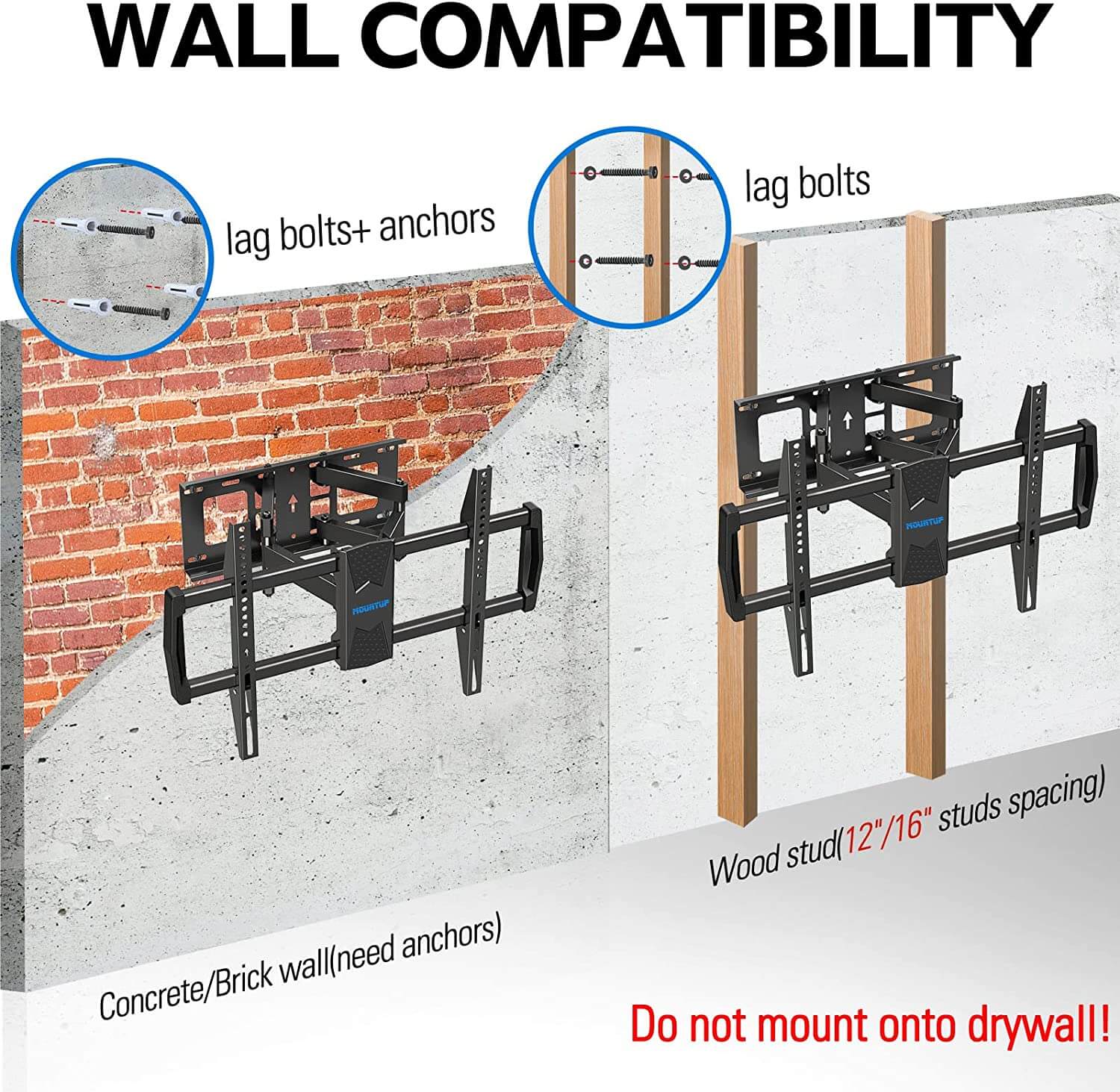
Credit: mountup.com
Frequently Asked Questions
How Many Anchors Are Needed For A Concrete Wall?
The number of anchors depends on the wall size and load. Typically, use one anchor every 16 to 24 inches for secure attachment. Always follow manufacturer guidelines and structural requirements for safety.
What Types Of Anchors Work Best For Concrete Walls?
Concrete wedge anchors, sleeve anchors, and epoxy anchors work best. Choose based on wall thickness, load, and environmental conditions. Wedge anchors are common for heavy-duty attachments.
How Do I Calculate The Anchor Spacing On Concrete Walls?
Anchor spacing depends on load type and wall strength. Generally, space anchors 16 to 24 inches apart horizontally. Consult structural codes and load specifications for precise spacing.
Can I Use Fewer Anchors For Lighter Loads?
Yes, lighter loads require fewer anchors. However, ensure the anchors are evenly spaced and meet minimum safety standards. Over-anchoring is safer than under-anchoring.
Conclusion
Choosing the right number of anchors keeps your wall strong and safe. Too few anchors can cause damage or collapse. Too many may waste materials and time. Always check the wall size, weight, and purpose. Follow guidelines for anchor spacing and load limits.
Proper installation matters more than just quantity. Simple planning helps avoid future repairs or accidents. A steady wall means peace of mind for you. Stay safe, build smart, and trust your work.