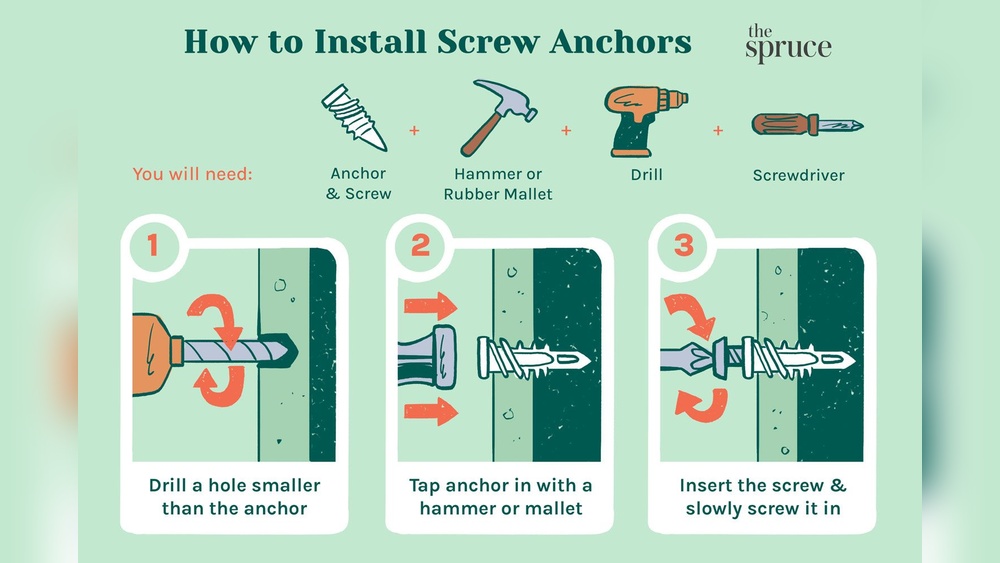
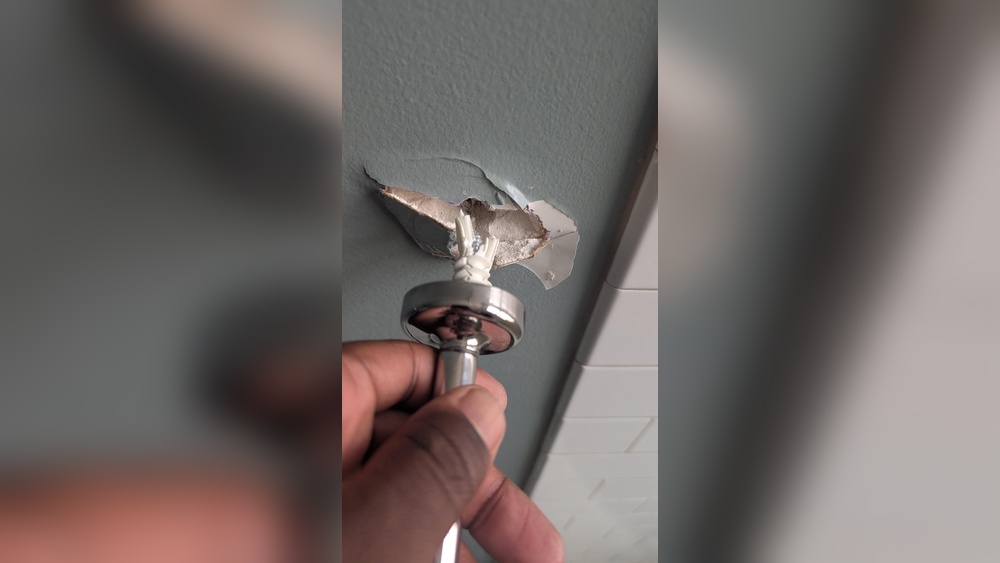
Are you ready to make sure your exterior walls stand strong and secure? Knowing how to anchor exterior walls to concrete is key to building a safe, lasting structure.
Whether you’re working on a new project or reinforcing an existing wall, the right techniques can save you time, money, and headaches down the road. In this guide, you’ll discover simple steps and expert tips that anyone can follow—even if you’re not a pro.
Keep reading to learn how to give your walls the solid foundation they need to withstand the test of time.
Choosing The Right Anchors
Preparing the concrete surface is a crucial step before anchoring exterior walls. This process ensures a strong and stable connection between the wall and the concrete base. Proper preparation helps avoid future problems like cracks or loosening.
Start with cleaning and inspecting the area carefully. Then, mark the anchor points accurately. These steps set the foundation for a secure wall installation.
Cleaning And Inspecting The Area
Remove all dirt, dust, and debris from the concrete surface. Use a wire brush or a pressure washer for better cleaning. Let the surface dry completely before moving forward.
Check the concrete for cracks, chips, or weak spots. Small cracks can weaken the anchor’s hold. Repair any damage with a concrete patch or filler. A smooth and solid surface is essential for strong anchoring.
Marking Anchor Points Accurately
Measure the wall and concrete surface carefully. Use a tape measure and level to mark exact anchor points. Marking too close or too far can cause instability.
Use a pencil or chalk to make clear marks. Double-check the measurements before drilling. Accurate marks guide the placement of anchors and ensure a tight fit.
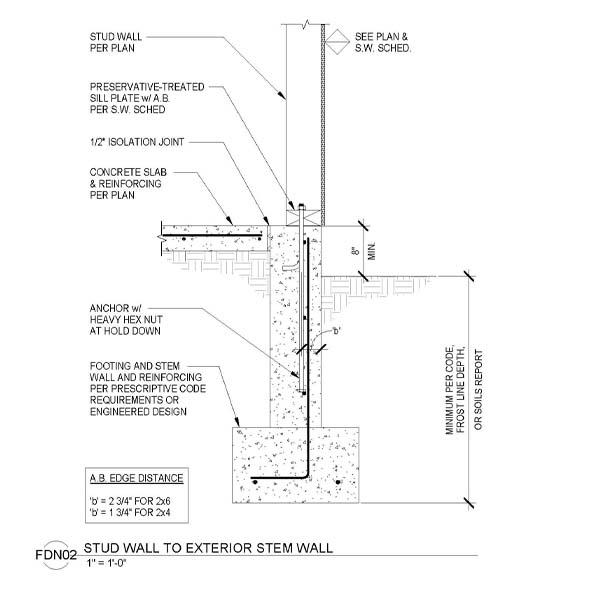
Credit: www.woodworks.org
Preparing The Concrete Surface
Drilling into concrete is a key step in anchoring exterior walls securely. Concrete is tough. You need the right tools and technique. Drilling correctly ensures strong, lasting anchors for your walls. Take your time and prepare well to avoid mistakes.
Selecting The Proper Drill Bit
Choose a drill bit made for concrete. These bits have special tips. They are often called masonry bits. Look for carbide-tipped drill bits. They stay sharp and drill faster. Pick the right size. The bit should match the anchor size. Using the wrong bit can cause weak holes or break the bit.
Drilling Techniques And Safety Tips
Start drilling slowly. Let the bit do the work. Do not push too hard. Keep the drill straight and steady. Pull the bit out occasionally to clear dust. This helps the hole stay clean. Wear safety glasses to protect your eyes. Use ear protection for loud drills. Wear gloves to keep hands safe. Always check for wires or pipes in the wall before drilling.
Drilling Into Concrete
Installing anchors correctly is key to securing exterior walls to concrete. Proper installation ensures strength and safety. It prevents wall movement and damage over time. Each anchor type needs specific steps for best results. Follow the right process for a firm hold.
Setting Expansion Anchors
Start by drilling a hole in the concrete. The hole size must match the anchor size. Clean the hole from dust and debris. Insert the expansion anchor into the hole. Tap gently to fit it flush with the surface. Tighten the bolt or screw slowly. This action expands the anchor inside the hole. It locks firmly against the concrete walls. Check for a solid, immovable fit before attaching the wall.
Using Sleeve And Wedge Anchors
Drill a hole deep enough for the anchor length. Remove all dust from the drilled hole. Insert the sleeve or wedge anchor fully into the hole. Make sure the anchor sits straight and tight. Tighten the nut or bolt to expand the sleeve or wedge. This expansion grips the concrete firmly. Avoid over-tightening, which can damage the anchor or concrete. Confirm the anchor holds securely before mounting the wall.

Credit: floatconcrete.com
Installing Anchors Correctly
Ensuring structural stability is a key step when anchoring exterior walls to concrete. Strong connections help the building resist wind, weather, and other forces. Proper checks protect the wall and maintain safety over time.
Checking Anchor Tightness
Start by testing the tightness of each anchor bolt or screw. Use a wrench to turn the fasteners gently. Tight anchors hold the wall firmly without movement. Loose anchors cause instability and risk wall damage. Check every anchor carefully for secure fitting.
Inspecting For Movement Or Gaps
Look closely along the wall edges for any gaps between the wall and concrete. Small spaces allow water and air inside, causing damage. Push or pull the wall slightly to see if it moves. Movement shows weak anchoring or missing fasteners. Fix gaps and secure loose sections immediately.

Credit: www.youtube.com
Frequently Asked Questions
What Materials Are Needed To Anchor Exterior Walls To Concrete?
You need anchor bolts, washers, nuts, a hammer drill, and a masonry bit. Use treated wood or steel plates for the wall base. Proper materials ensure a strong, durable connection between walls and concrete.
How Do You Properly Drill Holes In Concrete For Anchors?
Use a hammer drill with a masonry bit sized for your anchors. Drill to the recommended depth, keeping the hole clean of dust. This ensures secure anchor placement and strong wall support.
Can I Anchor Exterior Walls To Old Concrete Slabs?
Yes, but inspect the slab for cracks or damage first. Use epoxy or mechanical anchors designed for older concrete. Proper assessment and materials ensure a safe, lasting wall connection.
How Far Apart Should Anchors Be Spaced On Exterior Walls?
Anchor bolts are typically spaced 4 to 6 feet apart. Follow local building codes for exact requirements. Correct spacing distributes load evenly and prevents wall movement.
Conclusion
Anchoring exterior walls to concrete keeps structures safe and strong. Follow each step carefully to ensure a solid hold. Use the right tools and materials for best results. Check your work often to avoid mistakes. Proper anchoring prevents damage from weather and time.
A sturdy wall means a safer building for everyone. Keep these tips in mind for your next project. Simple actions lead to lasting strength.