Are you struggling to hang shelves on your concrete wall without worrying they might fall? You’re not alone.
Anchoring shelves on concrete can seem tricky, but with the right steps, you can make your shelves strong and secure. Imagine having the perfect spot to display your books, plants, or decorations without any fear of them crashing down. In this guide, you’ll learn simple, clear methods to anchor shelves safely and confidently on your concrete walls.
Keep reading—you’re just a few easy steps away from transforming your space!
Tools And Materials Needed
Setting up shelves on a concrete wall needs the right tools and materials. Using proper equipment ensures the shelves hold strong and stay safe. This section covers the main tools, types of anchors, and safety gear required.
Essential Tools
A hammer drill is key for making holes in concrete. Use masonry drill bits that fit the anchor size. A screwdriver or drill with screwdriver bits helps tighten screws. A tape measure measures shelf spacing. A pencil marks drill points. A level keeps shelves straight. A vacuum or brush clears dust from holes.
Types Of Anchors
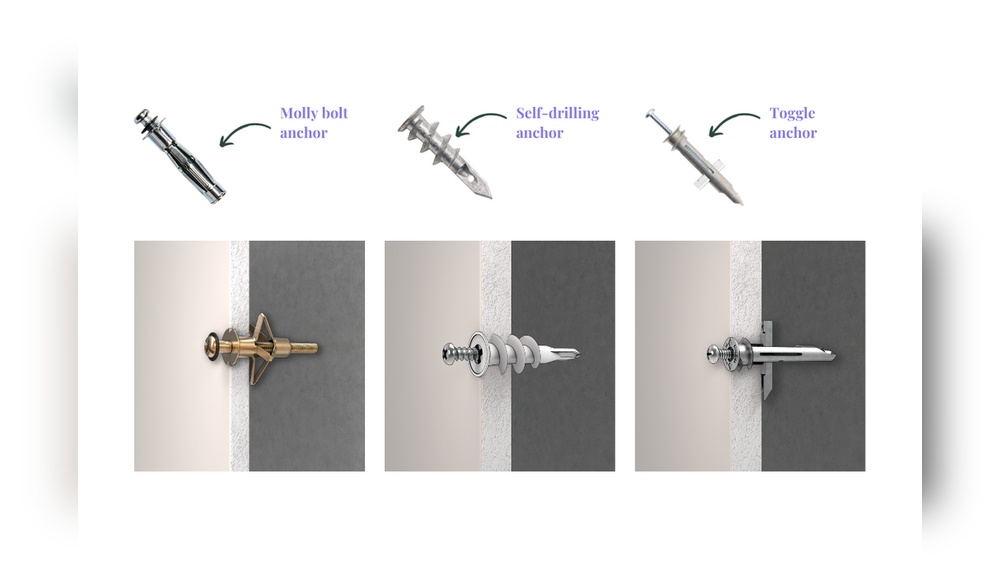
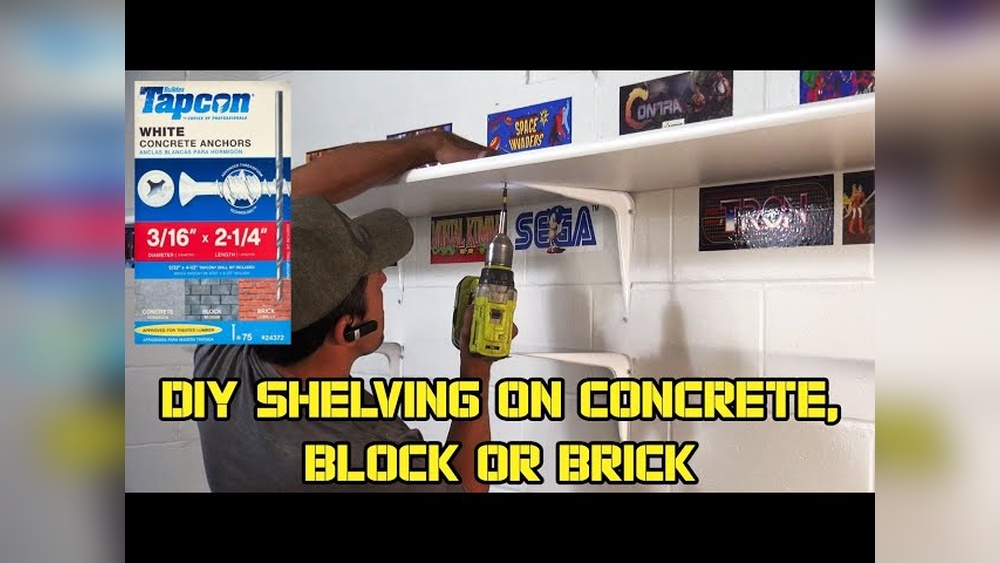
Plastic anchors work for light shelves. Sleeve anchors hold medium loads well. Wedge anchors provide strong support for heavy shelves. Tapcon screws attach directly to concrete. Choose anchors based on shelf weight and wall type. Proper anchors prevent shelves from falling.
Safety Gear
Wear safety glasses to protect eyes from dust and debris. Use ear protection when drilling to reduce noise. Gloves protect hands from sharp tools and rough surfaces. A dust mask keeps dust out of your lungs. Safety gear keeps you safe during work.

Credit: www.youtube.com
Preparing The Wall
Preparing the wall is the first step before anchoring shelves on concrete. This stage ensures the shelves will hold strong and stay safe. Careful preparation helps avoid damage to the wall and makes the process smoother.
Take your time to get the wall ready. Follow these simple steps for best results.
Locating Wall Studs
Concrete walls may have embedded studs or rebar. Use a stud finder designed for concrete to locate them. Mark the spots clearly. Avoid drilling where studs or metal bars are present. This prevents damage to tools and keeps the wall intact.
Marking Drill Points
Measure the shelf brackets and mark drill points on the wall. Use a pencil for easy corrections. Check that marks are level and spaced correctly. Accurate marks help keep shelves straight and stable.
Checking For Obstructions
Look for pipes, wires, or other hidden obstacles inside the wall. Use a wire detector or a small test drill. Avoid drilling into these obstructions to prevent accidents or costly repairs. Clear walls mean safer and stronger shelf installation.
Drilling Into Concrete
Drilling into concrete is a key step for anchoring shelves securely. It requires the right tools and careful methods. Concrete is hard and dense. A regular drill bit will not work well. Proper drilling ensures strong holes for anchors. It also prevents damage to the wall and tools.
Follow these tips for smooth and safe drilling into concrete.
Choosing The Right Drill Bit
Select a masonry drill bit made for concrete. These bits have a carbide tip that stays sharp. The tip cuts through concrete, not just spins. Choose a bit size that matches your anchor size. Too small will make the hole tight. Too large will make the anchor loose. A hammer drill works best with masonry bits.
Drilling Techniques
Use a hammer drill set to hammer mode. Hold the drill straight and steady. Start drilling slowly to make a guide hole. Increase speed after the bit bites into concrete. Apply steady pressure but don’t force the drill. Pull the bit out occasionally to clear dust. This prevents the bit from overheating and breaking.
Dealing With Dust And Debris
Concrete dust can be messy and harmful. Wear safety glasses and a mask to protect yourself. Use a vacuum or brush to clear dust from the hole. Clean holes help anchors hold better. Cover nearby surfaces to keep them clean. Proper dust management keeps your workspace safe and neat.
Installing Anchors
Installing anchors is a key step when mounting shelves on concrete walls. Anchors hold the screws tightly in place. This keeps the shelves strong and safe. The type of anchor you choose depends on the weight of the shelf and the wall condition. Below are common methods for installing anchors on concrete.
Setting Expansion Anchors
Expansion anchors work by spreading inside the drilled hole. First, drill a hole matching the anchor size. Clean out dust from the hole to ensure a good fit. Insert the expansion anchor into the hole. Tighten the screw slowly. The anchor expands and grips the concrete firmly. These anchors are good for medium-weight shelves.
Using Sleeve Anchors
Sleeve anchors offer strong support for heavier shelves. Drill a hole slightly larger than the anchor diameter. Remove debris from the hole carefully. Push the sleeve anchor into the hole until flush with the wall. Tighten the nut or bolt. This causes the sleeve to expand and lock inside the concrete. Sleeve anchors hold very well in solid walls.
Installing Hammer Drive Anchors
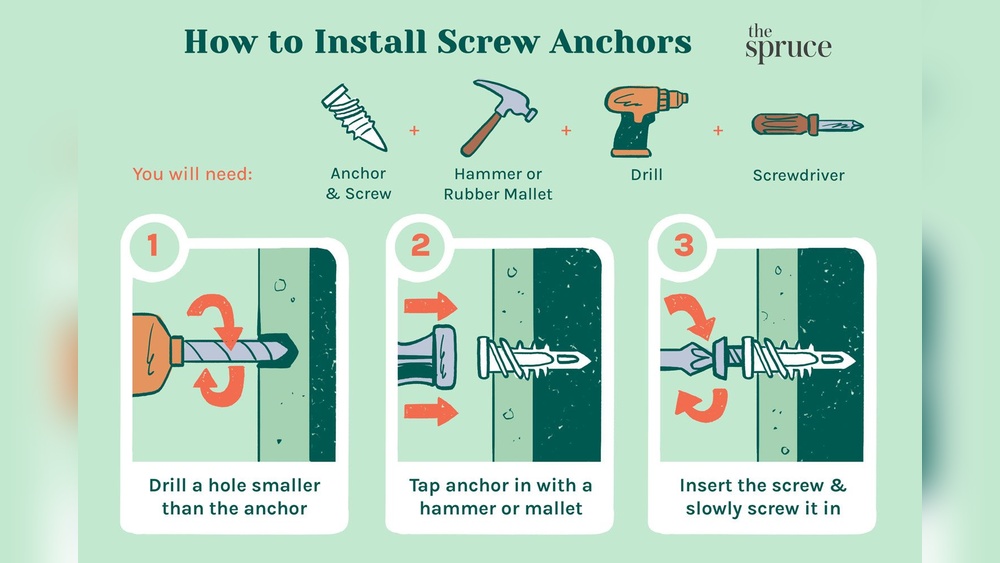
Hammer drive anchors are quick and easy to use. Drill a hole just big enough for the anchor. Clean the hole thoroughly. Insert the anchor into the hole. Tap the pin of the anchor with a hammer until tight. The pin expands the anchor sleeve. These anchors are best for light loads and quick fixes.
Mounting The Shelves
Mounting shelves on a concrete wall requires careful steps to ensure safety and durability. This part focuses on securing the shelves firmly with the right tools and technique. Follow each step to create a strong and stable setup.
Attaching Brackets
Start by positioning the brackets on the wall at the desired height. Use a pencil to mark the spots for drilling holes. Make sure the brackets are level before marking. Drill holes into the concrete using a hammer drill and masonry bit. Insert concrete anchors into the holes for a solid hold. Screw the brackets tightly to the wall anchors. The brackets must not move or feel loose.
Securing The Shelf
Place the shelf board on the mounted brackets carefully. Align the shelf so it sits evenly on all brackets. Use screws to attach the shelf to the brackets from underneath. This prevents the shelf from sliding or tipping. Tighten all screws until the shelf feels secure. Avoid overtightening to prevent damage.
Checking Stability
Test the shelf by gently pressing down on different spots. It should stay firm without any wobble or shift. Check the brackets and screws again for tightness. Add more screws if needed for extra support. A stable shelf protects your items and wall from damage.

Credit: www.martinispa.com
Tips For Long-lasting Installation
Anchoring shelves on a concrete wall takes more than just drilling holes. You want the shelves to stay secure for years. Following the right steps helps avoid damage and keeps your shelves strong. Here are tips for a long-lasting installation.
Avoiding Common Mistakes
Choose the right anchors for concrete walls. Plastic anchors often fail. Use metal or sleeve anchors for better hold. Drill holes with the correct drill bit size. Too big or small holes weaken the anchor’s grip. Clean dust from holes before inserting anchors. Dust reduces friction and holding power.
Maintaining Anchors And Shelves
Check shelves regularly for loose screws or anchors. Tighten screws if shelves wobble. Avoid placing wet items on shelves to prevent rust. Use rust-resistant anchors in humid areas. Clean shelves and anchors gently to remove dirt. This keeps them sturdy and neat.
Weight Limits And Safety
Know the weight limit of your anchors and shelves. Do not overload shelves with heavy items. Spread weight evenly across the shelf surface. Heavy items can pull anchors out or damage the wall. Use multiple anchors for larger shelves. Safety first. Keep shelves stable and secure.

Credit: www.amazon.com
Frequently Asked Questions
What Tools Are Needed To Anchor Shelves On Concrete Walls?
You need a drill with a masonry bit, wall anchors, screws, a screwdriver, a level, and a measuring tape. These tools ensure precise drilling and secure shelf installation on concrete walls.
How Do I Choose The Right Anchors For Concrete Shelves?
Select anchors based on shelf weight and wall type. Sleeve anchors and expansion anchors work well for heavy loads on concrete walls. Always match anchor size to screw size for a secure fit.
Can I Install Shelves Without Drilling Into Concrete Walls?
Drilling is the most secure method for concrete walls. Alternative options like adhesive strips are less reliable and not recommended for heavy shelves or long-term use.
How Deep Should Holes Be Drilled For Concrete Anchors?
Drill holes slightly deeper than the anchor length, typically 1 to 2 inches deep. This ensures anchors fit fully and hold securely in the concrete.
Conclusion
Anchoring shelves on a concrete wall is simple with the right steps. Use proper tools and anchors for strong support. Measure and mark carefully before drilling holes. Secure the anchors tightly to hold weight safely. Take your time and follow instructions closely.
This will keep your shelves stable and your items safe. Enjoy your sturdy shelves and organized space.