Have you ever tried to hang something on your wall, only to find that the wall anchor just spins and won’t hold? It’s frustrating, isn’t it?
When a wall anchor spins, it can’t grip the drywall properly, leaving your picture frames, shelves, or mirrors insecure. But don’t worry—you’re not stuck with this problem. You’ll discover simple, effective ways to fix a spinning wall anchor so your items stay safe and secure.
Keep reading, and you’ll learn how to get the job done quickly and confidently.
Credit: www.reddit.com
Causes Of A Spinning Wall Anchor
Wall anchors that spin can stop your project before it starts. Understanding why anchors spin helps you fix the problem fast. Several common causes make anchors loose and ineffective.
Knowing these causes lets you avoid mistakes and secure your items properly. Let’s explore the main reasons a wall anchor may spin inside the wall.
Loose Anchor In Drywall
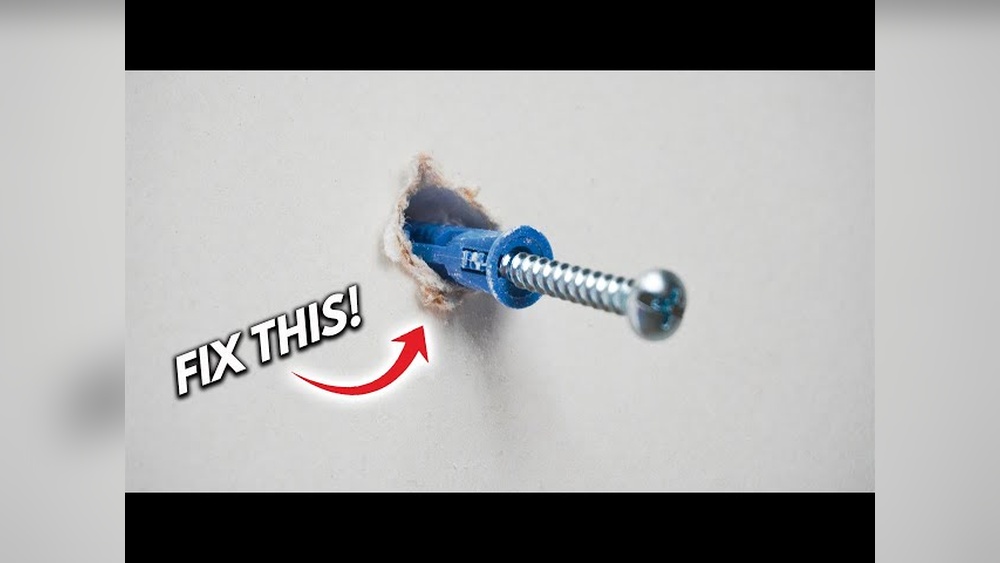
Drywall often cannot hold anchors tightly. The anchor may be too small or weak for the wall. When the anchor is loose, it spins easily. This happens because the drywall crumbles or is soft inside. The anchor cannot grip the wall firmly. The result is a spinning anchor that won’t hold screws well.
Oversized Hole Issues
Drilling a hole too large causes spinning anchors. The anchor fits loosely in the hole. Without a snug fit, the anchor turns freely. This problem occurs if the drill bit is bigger than the anchor size. The hole size must match the anchor for a tight hold. Oversized holes make anchors unstable and useless.
Damaged Anchor Threads
Anchor threads grip the wall and keep the anchor stable. When threads are damaged or stripped, they lose grip. Damage can happen during installation or removal attempts. Without good threads, the anchor slips and spins. Damaged threads reduce the anchor’s strength and holding power. This leads to a spinning, unreliable anchor in the wall.
Tools And Materials Needed
Fixing a wall anchor that spins needs the right tools and materials. Having everything ready makes the repair faster and easier. This section lists the basic tools and supplies you will need to get the job done well.
Basic Diy Tools
Start with a screwdriver that fits the anchor screws. A drill with a small bit helps to remove stubborn anchors. A pair of pliers can grip and pull anchors out. A utility knife is useful to cut around the anchor or drywall. Also, keep a hammer nearby for light tapping or adjustments.
Replacement Anchors
Choose anchors that match the wall type and weight of the item you hang. Plastic expansion anchors work for light loads on drywall. For heavier items, use metal or toggle anchors. Keep extra anchors on hand in case some fail or don’t fit properly.
Filling And Patching Supplies
After removing the old anchor, holes need patching. Get spackling paste or lightweight joint compound. Use a putty knife to spread the filler smoothly. Sandpaper or a sanding block helps to smooth patches after drying. Primer and paint will restore the wall’s finish.
Step-by-step Fixes For Spinning Anchors
Spinning wall anchors can be frustrating. They stop your screws from holding tight. Fixing them is simple with the right steps. Follow these easy methods to secure your anchor and support your items firmly.
Tightening The Existing Anchor
Start by removing the screw carefully. Check if the anchor moves in the hole. Try to push it deeper into the wall. Then, reinsert the screw slowly. Tighten the screw gently to see if the anchor grips better. This works if the anchor is just loose, not damaged.
Using A Larger Anchor
If the anchor still spins, use a bigger one. Remove the old anchor from the hole. Choose a larger anchor that fits the hole snugly. Insert the new anchor firmly into the hole. Then, screw into the new anchor. A bigger anchor gives stronger hold and stops spinning.
Filling The Hole And Reinstalling
For very loose holes, fill the space first. Use wood filler, plaster, or drywall compound. Push the filler into the hole and smooth the surface. Let it dry completely as per instructions. Drill a new hole in the dried filler. Insert a new anchor and screw. This method fixes holes too big for anchors.
Alternative Anchor Types To Consider
Spinning wall anchors can cause frustration and weaken your mounting. Choosing the right anchor type helps solve this problem. Some anchors hold better and do not spin easily. Here are three alternative anchor types to consider for stronger support and easier installation.
Toggle Bolts
Toggle bolts work well in hollow walls. They have wings that open inside the wall. This spreads the load over a larger area. The wings grip the back of the wall firmly. They do not spin once tightened. Toggle bolts hold heavy items securely. Great for shelves and large pictures.
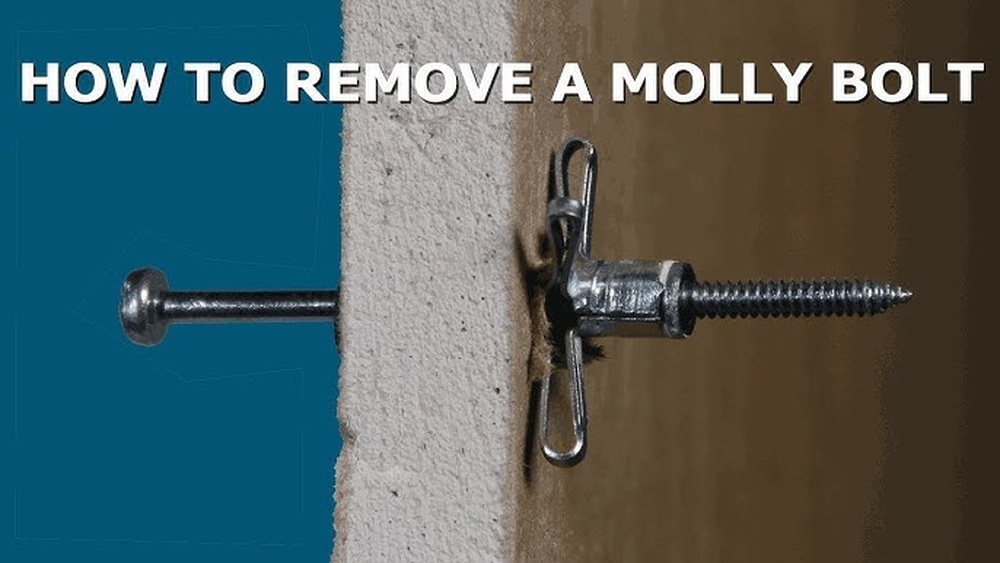
Molly Bolts
Molly bolts expand inside the wall cavity. They have a metal sleeve that spreads open. This locks the anchor in place behind the wall. Molly bolts create a tight, stable hold. They resist spinning during installation and use. Useful for medium-weight objects. Easy to remove without damage.
Self-drilling Anchors
Self-drilling anchors screw directly into drywall. No pre-drilling needed. Their wide threads grip drywall firmly. They stay tight and do not spin. Perfect for light to medium loads. Installation is quick and simple. A popular choice for many household projects.
Preventing Future Anchor Issues
Preventing future problems with wall anchors starts with good habits. Using the right tools and methods saves time and effort. It also keeps your walls safe and strong. Follow simple steps to stop anchors from spinning again.
Proper Hole Sizing
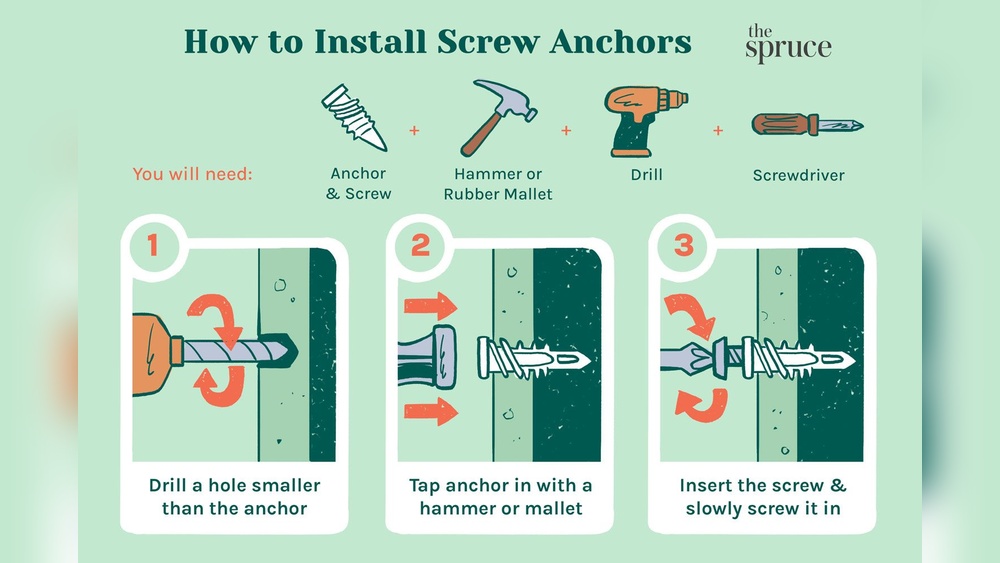
Choose the right drill bit for the anchor size. A hole too big makes the anchor loose. A hole too small can crack the wall or break the anchor. Measure carefully. Drill slowly and straight. This helps the anchor hold tight.
Selecting The Right Anchor
Pick anchors made for your wall type. Drywall, plaster, and concrete need different anchors. Plastic anchors work well for light loads. Metal anchors suit heavy items. Match anchor size to the weight of what you hang. This avoids spinning and falling.
Correct Installation Techniques
Insert the anchor gently into the hole. Tap it lightly with a hammer if needed. Avoid forcing it in. Tighten screws slowly. Stop if the anchor moves. Tightening too fast can cause spinning. Follow instructions for each anchor type. This ensures a firm hold.

Credit: stonedesignbysantos.com

Credit: www.youtube.com
Frequently Asked Questions
Why Does My Wall Anchor Keep Spinning Inside?
A wall anchor spins if the hole is too big or the anchor is loose. This prevents it from gripping the wall properly. Using a larger anchor or filling the hole can fix this issue effectively.
How Can I Stop A Wall Anchor From Spinning?
To stop spinning, remove the anchor and fill the hole with wood filler or epoxy. Let it dry, then reinstall a properly sized anchor to ensure a secure fit.
What Tools Help Fix A Spinning Wall Anchor?
You need pliers to remove the anchor, filler like epoxy or wood filler, a drill, and the correct size anchor for repair. These tools ensure a tight, stable fit.
Can I Reuse A Wall Anchor That Spins?
Reusing a spinning wall anchor is not recommended. It loses grip and stability. Always replace it with a new anchor suited for the hole size and wall type.
Conclusion
Fixing a wall anchor that spins is easier than it seems. Tighten or replace the anchor to stop spinning. Use the right size anchor for your wall type. Avoid making the hole too big or loose. With simple steps, your anchor will hold firmly again.
This saves time and keeps your walls safe. Try these tips next time you face a spinning wall anchor. Small fixes can prevent bigger problems later. Keep your walls strong and your items secure.