Have you ever tried to hang something on your wall, only to find the anchor stuck inside and refusing to budge? It’s frustrating, isn’t it?
You want your space to look perfect, but that stubborn anchor is holding you back. Don’t worry—you’re not alone, and you don’t have to call a professional just yet. You’ll discover simple, effective ways to get that stuck anchor out of your wall without causing damage.
Keep reading, and you’ll soon have your wall looking just the way you want it.

Credit: diy.stackexchange.com
Common Types Of Wall Anchors
Wall anchors hold screws firmly in drywall or plaster. They come in different types. Each type works best for certain jobs. Knowing these types helps remove stuck anchors safely.
Plastic Expansion Anchors
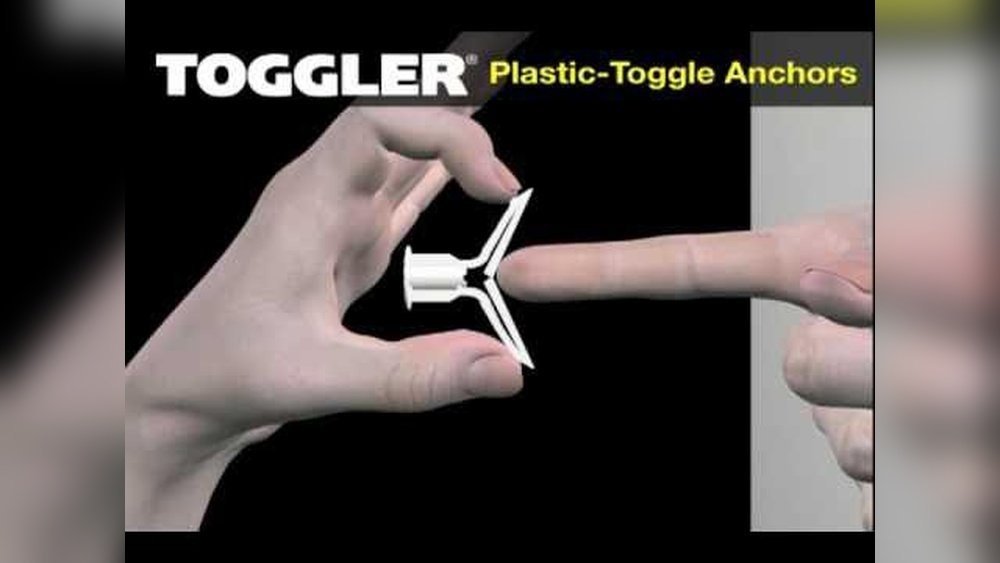
These anchors are simple and common. Made of plastic, they expand when a screw is inserted. They work well in light-duty tasks. They grip the wall tightly but can break if forced.
Toggle Bolts
Toggle bolts have metal wings that open inside the wall. They hold heavy items securely. The wings spread the weight across a large area. Removing them can be tricky because of the wings.
Molly Bolts
Molly bolts are metal anchors that expand behind the wall. They create a strong hold for medium-weight objects. They have a collar that stays flush with the wall. Pulling them out requires care to avoid damage.
Self-drilling Anchors
These anchors do not need a pre-drilled hole. They screw directly into the wall. Made from metal or plastic, they hold well in drywall. Their design makes them easier to install and remove.
Reasons Anchors Get Stuck
Anchors can get stuck in walls for several reasons. Knowing why this happens helps you remove them safely. Stuck anchors cause frustration and can damage your wall. Understanding common causes makes the task easier and protects your surfaces.
Improper Installation
Anchors often get stuck due to poor installation. If the hole is too small, the anchor won’t fit well. Forcing it can damage the wall or the anchor itself. Using the wrong type of anchor for the wall also causes problems. Proper sizing and placement prevent anchors from getting stuck.
Wall Material Issues
Different walls react differently to anchors. Drywall is soft and can crumble easily. Concrete or brick walls are hard and may trap the anchor tightly. Moisture in the wall can swell materials and lock the anchor in place. Knowing your wall type helps choose the right anchor and avoid sticking.
Anchor Damage
Anchors can break or bend during installation or removal. Damaged anchors often get stuck because they lose their shape. Rust or corrosion weakens metal anchors over time. Plastic anchors can become brittle and crack. Using new, undamaged anchors reduces the risk of getting stuck.
Safety Precautions Before Removal
Removing a stuck anchor from the wall requires care and attention. Safety is the first priority before starting any work. Taking the right precautions helps avoid damage and injury. Prepare properly to make the process smooth and safe.
Gathering Tools
Collect all the needed tools before you begin. Common tools include pliers, a screwdriver, a hammer, and a utility knife. Have a flashlight ready for better visibility. Using the right tools makes the removal easier and safer.
Protecting Walls
Cover the area around the anchor to protect the wall. Use painter’s tape or a small piece of cardboard. This prevents scratches and dents during removal. Work gently to avoid extra damage to the wall surface.
Personal Safety Tips
Wear safety glasses to protect your eyes from debris. Use gloves to avoid cuts and scrapes. Keep your hands steady to prevent slipping. Work in a well-lit space to see clearly. Take breaks if you feel tired to stay focused.

Credit: www.wikihow.com
Basic Methods To Remove Stuck Anchors
Removing a stuck anchor from a wall can be tricky. Basic methods use simple tools and easy steps. These methods work well for most anchors and help avoid wall damage. Follow these tips to get the anchor out smoothly and safely.
Using Pliers
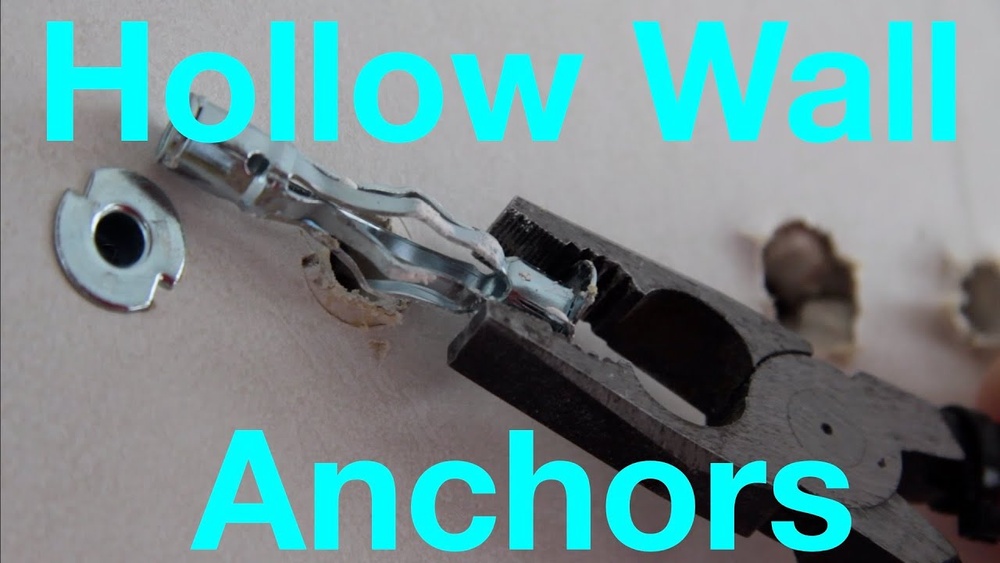
Grab a pair of pliers that fit well. Hold the anchor firmly with the pliers. Pull the anchor straight out with steady force. Avoid twisting too much as it can break the anchor. If the anchor moves, keep pulling slowly. This method works best for anchors that stick out slightly.
Twisting And Pulling Techniques
Try to twist the anchor gently using your fingers or pliers. Twist back and forth to loosen it inside the wall. Combine twisting with pulling for better results. This helps break the grip between the anchor and the wall. Be patient and use small movements to avoid damage.
Tapping With A Hammer
Use a small hammer or mallet for tapping. Tap the anchor gently to loosen it inside the hole. This can help break any debris or dried glue holding it. Tap around the edges if the anchor is flush with the wall. After tapping, try pulling the anchor out again.
Advanced Techniques For Tough Anchors
Some anchors stick tightly in the wall and need stronger methods to remove. Basic pulling or twisting might not work on these tough anchors. Advanced techniques help to safely take them out without damaging the wall. These methods require care, the right tools, and patience. Below are three effective ways to handle stubborn anchors.
Drilling Out The Anchor
Drilling is a common way to remove hard anchors. Use a drill bit slightly smaller than the anchor. Drill slowly into the center of the anchor. This breaks the anchor apart inside the wall. After drilling, you can pull out the loose pieces with pliers. This method works well for plastic and metal anchors.
Cutting The Anchor Flush
Sometimes cutting the anchor flush with the wall surface is best. Use a sharp utility knife or a small saw blade. Cut the anchor off at the wall level carefully. This leaves the rest of the anchor inside the wall. The hole can be filled and patched later. This technique avoids pulling, which can damage the wall.
Using Specialized Removal Tools
Special tools make tough anchor removal easier. Wall anchor removal kits often include hooks and pliers. These tools grab the anchor firmly for better grip. Some kits have screw-in extractor tips for metal anchors. Using the right tool reduces wall damage and saves time. These tools are available at most hardware stores.
Repairing Wall Damage After Anchor Removal
Removing a stuck anchor from the wall often leaves damage behind. Repairing this damage quickly helps keep walls looking neat. The process is simple and requires only a few tools. Start by filling holes left by the anchor. Then, smooth the surface for a clean finish. Finally, repaint the wall to match the rest of the room.
Filling Holes
Use a spackling compound or wall filler to fill the holes. Apply the filler with a putty knife. Press it firmly into the hole to avoid air pockets. Overfill slightly to allow for sanding later. Let the filler dry completely before moving on.
Sanding And Smoothing
Once dry, sand the filled area with fine-grit sandpaper. Sand until the surface is even with the wall. Smooth edges help the repair blend well. Wipe away dust with a clean cloth. The wall should feel smooth to touch.
Repainting Tips
Choose paint that matches the wall color. Use a small brush or roller for touch-ups. Apply thin layers to avoid drips. Let each layer dry before adding another. This ensures a smooth, even finish that hides repairs.
Preventing Future Anchor Issues
Stuck anchors can cause frustration and damage to your walls. Preventing these issues saves time and effort. Simple steps help keep anchors secure and easy to remove later.
Choosing The Right Anchor
Select anchors based on wall type and weight needs. Drywall anchors suit light items. For heavy objects, use toggle bolts or molly bolts. Avoid using anchors not made for your wall material. The right anchor ensures strong support and easy removal.
Proper Installation Tips
Drill holes the correct size for anchors. Too small or large holes cause poor grip. Insert anchors gently without forcing them. Tighten screws slowly to avoid damage. Follow package instructions carefully. Proper installation reduces the chance of getting stuck anchors.
Regular Wall Inspections
Check anchors regularly for looseness or damage. Tighten screws if needed to keep anchors secure. Look for cracks or crumbling around anchors. Early detection prevents bigger problems. Routine checks keep walls safe and anchors reliable.

Credit: www.reddit.com
Frequently Asked Questions
How Do I Safely Remove A Stuck Wall Anchor?
To safely remove a stuck wall anchor, use pliers to grip and gently twist it. If it doesn’t budge, try pushing it through the wall or drilling it out carefully to avoid damage.
What Tools Are Best For Extracting Stuck Anchors?
Pliers, a screwdriver, and a drill are ideal for removing stuck anchors. Pliers help grip, screwdrivers twist, and drills can remove or enlarge the hole if needed.
Can I Fix The Wall After Removing An Anchor?
Yes, patch the hole with spackle or wall filler. Sand it smooth once dry, then repaint to restore the wall’s appearance seamlessly.
Why Does A Wall Anchor Get Stuck In The First Place?
Anchors get stuck due to improper installation, wall material, or corrosion. Using the wrong anchor type or overtightening can also cause them to jam.
Conclusion
Getting a stuck anchor out of the wall does not have to be hard. Try these simple steps carefully and patiently. Use the right tools to avoid damage. Small effort can save time and money. Remember, staying calm helps you work better.
Now you know how to fix this common problem. Keep these tips handy for future projects. Fix your walls with confidence and ease.