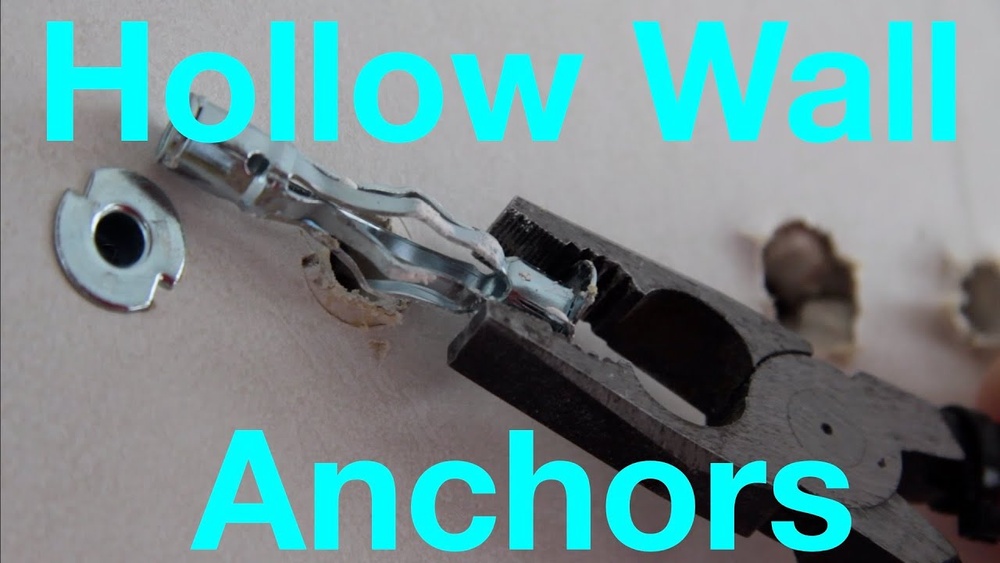
Are you struggling with stubborn hollow wall anchors stuck in your drywall? Removing them can be tricky and frustrating, especially if you don’t want to damage your walls.
But don’t worry—this guide will walk you through simple, effective steps to get those anchors out quickly and cleanly. By the end, you’ll know exactly how to fix your walls and get back to decorating without any hassle. Keep reading to discover easy tips that anyone can follow, even if you’re not a DIY expert!

Credit: www.concretefasteners.com
Tools Needed
Removing hollow wall anchors from drywall requires the right tools. Using proper tools makes the job easier and helps avoid damage. Gather these tools before starting to ensure a smooth process.
Common Household Tools
Many hollow wall anchors can be removed using simple household tools. A flathead screwdriver helps pry the anchor from the wall. Needle-nose pliers grip and pull the anchor out carefully. A utility knife can cut around the anchor if needed. A hammer might be useful to tap or loosen stubborn anchors. These tools are often available at home and work well for basic anchor removal.
Specialized Anchor Removal Tools
Some anchors need special tools for safe removal. An anchor removal tool is designed to grip and pull anchors without damaging drywall. It often has a pointed end to insert behind the anchor. A drywall saw can cut around damaged anchors for easy removal. Using these tools reduces the risk of creating big holes. They are available at hardware stores or online for those who remove anchors often.
Types Of Hollow Wall Anchors
Hollow wall anchors come in different types. Each type works best for certain wall conditions and weights. Knowing these types helps you remove them safely from drywall. Below are the main types of hollow wall anchors used in walls.
Expansion Anchors
Expansion anchors fit into a drilled hole in drywall. When you tighten the screw, the anchor expands behind the wall. This expansion holds the anchor firmly. They work well for light to medium loads. Removing them may need pushing or pulling the anchor out carefully.
Toggle Bolts
Toggle bolts have a spring-loaded wing that opens inside the wall. The wings spread the load over a large area. These anchors support heavier items on drywall. To remove, you must first unscrew the bolt. The wings fall inside the wall cavity and are hard to retrieve.
Molly Bolts
Molly bolts are metal anchors with expandable legs. When you tighten the screw, the legs open inside the wall. This makes a strong hold for medium to heavy loads. Removing molly bolts can be tricky. The legs stay expanded, so you may need to pull hard or cut the anchor.
Preparation Before Removal
Preparing well is key before removing hollow wall anchors from drywall. Proper preparation helps avoid damage and keeps the work area safe. It also makes the removal process smoother and faster.
Clearing The Area
Start by clearing the area around the anchor. Remove furniture and objects near the wall. This gives you space to work freely. Cover the floor with a drop cloth or old sheet. It protects your floor from dust and debris. Keep tools within reach to avoid interruptions.
Safety Precautions
Wear safety goggles to protect your eyes from dust and small particles. Use gloves to protect your hands from sharp edges. Work in a well-lit space to see clearly. Keep a first aid kit nearby for minor injuries. Turn off power if working near electrical outlets. Safety ensures a smooth and injury-free process.
Removing Expansion Anchors
Removing expansion anchors from drywall can be tricky. These anchors expand inside the wall to hold firmly. They need careful handling to avoid damaging the drywall. This section explains two easy methods to remove these anchors safely. Both methods work well for hollow wall anchors.
Unscrewing Method
First, try to unscrew the anchor. Use a screwdriver that fits the anchor head well. Turn the screwdriver counterclockwise. The anchor should start to back out of the wall. Keep turning slowly and steadily. If the anchor moves, continue until it comes out completely. Sometimes the anchor will spin freely without unscrewing. In that case, use the prying technique instead.
Prying Technique
Use a flat tool like a putty knife or flat-head screwdriver. Gently insert it between the anchor and the drywall. Carefully pry the anchor out by lifting it. Work slowly to avoid tearing the drywall. If the anchor resists, try rocking the tool side to side. Once loosened, pull the anchor out by hand or with pliers. Patch the hole after removing the anchor for a smooth finish.
Removing Toggle Bolts
Removing toggle bolts from drywall starts by unscrewing the bolt carefully. Gently pull the bolt out while holding the toggle wings inside the wall. Sometimes, pushing the toggle wings through the drywall hole helps clear the space for repair.
Retracting The Wings
Toggle bolts have wings that open inside the wall. These wings hold the bolt firmly in place. To remove the bolt, you need to close these wings. First, try turning the bolt counterclockwise. This may pull the wings close to the bolt. If the wings do not retract, gently push the bolt inward while turning. This action helps the wings fold back. Once the wings are folded, you can pull the bolt out easily. Be careful not to damage the drywall during this step.
Cutting The Bolt
Sometimes, the toggle bolt is stuck and cannot be unscrewed. In this case, cutting the bolt is the best option. Use a hacksaw or a small metal cutting tool for this job. Cut the bolt close to the wall surface. This leaves the wings inside the drywall but frees the bolt head. After cutting, remove the bolt head and any remaining parts. You may need to patch the hole left by the wings. This method is quick and prevents drywall damage.

Credit: www.concretefasteners.com
Removing Molly Bolts
Removing molly bolts from drywall can be tricky without the right steps. These anchors spread behind the wall to hold weight. You must handle them carefully to avoid damaging the drywall. Follow simple steps to remove molly bolts cleanly and safely.
Unscrewing The Sleeve
Start by turning the screw counterclockwise. This loosens the sleeve around the anchor. Keep turning until the screw comes out completely. If the screw is stuck, use pliers for extra grip. Removing the screw first makes the anchor easier to handle.
Pulling Out The Anchor
After removing the screw, grab the anchor’s sleeve. Pull it gently straight out from the wall. Use pliers if needed for a better hold. Avoid twisting or bending the anchor to prevent wall damage. If it resists, push it through the wall carefully.
Repairing Drywall Holes
Repairing drywall holes is an important step after removing hollow wall anchors. These holes can damage the look of your walls. Fixing them makes your walls smooth and ready for painting. The repair method depends on the hole size. Small holes need simple filling. Larger holes require patching. Both methods restore the wall’s strength and appearance.
Filling Small Holes
Small holes left by anchors are easy to fix. Use spackling paste or joint compound. Apply it with a putty knife, pressing into the hole. Smooth the surface and let it dry completely. Once dry, sand the area gently until smooth. Wipe away dust before painting. This quick fix blends the hole with the wall.
Patching Larger Damage
Larger holes need a patch for support. Cut a piece of drywall slightly bigger than the hole. Place it over the hole and secure with drywall tape. Spread joint compound over the patch edges. Feather the edges to blend with the wall. Allow it to dry, then sand smooth. Repeat compound and sanding if needed. Paint the repaired area for a clean finish.

Credit: www.youtube.com
Preventing Future Damage
Preventing future damage to drywall is key after removing hollow wall anchors. Proper care helps keep walls strong and smooth. Taking simple steps can stop holes from getting bigger or walls from cracking. Focus on choosing the right anchor and installing it correctly. These steps save time and money later.
Choosing The Right Anchor
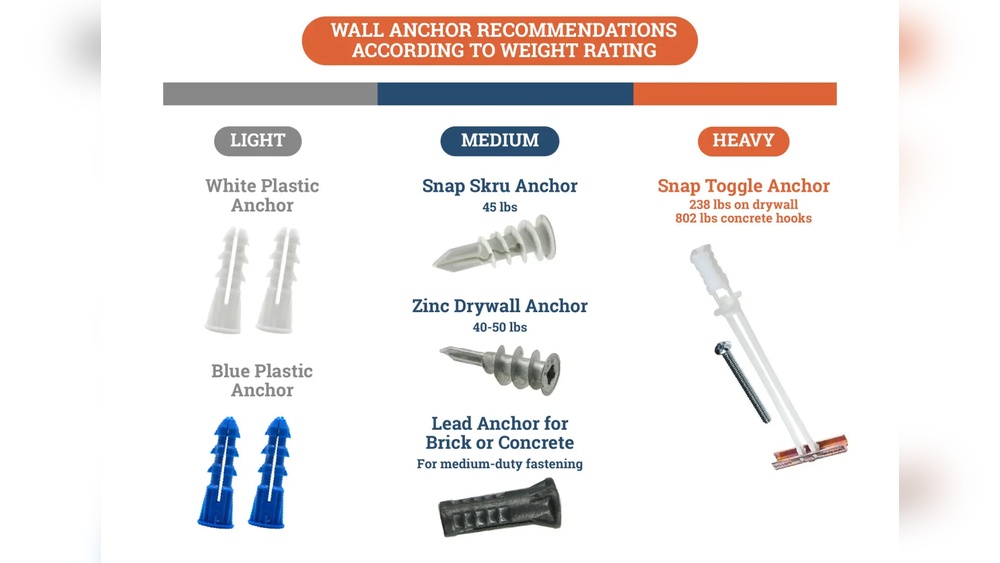
Select anchors made for your wall type and weight needs. Use plastic anchors for light items. Metal or toggle anchors work best for heavy objects. Avoid using anchors too big or small for the hole. The right size keeps the wall from breaking.
Check the anchor’s weight limit before buying. Never guess. An anchor too weak will pull out. One too strong may cause cracks. Match the anchor to the item’s weight and wall type.
Proper Installation Tips
Drill a clean hole slightly smaller than the anchor size. A tight fit holds better. Avoid drilling holes too big or rough. Insert the anchor slowly and straight. Twisting or forcing can damage drywall.
Do not overtighten screws. Tight screws can break the anchor or wall. Stop once the anchor feels secure. Test the hold by gently pulling or pushing. Replace any damaged anchors immediately to protect the wall.
Frequently Asked Questions
What Tools Are Needed To Remove Hollow Wall Anchors?
You need pliers, a screwdriver, and a utility knife. These tools help grip, unscrew, or cut the anchor for easy removal without damaging drywall.
Can Hollow Wall Anchors Be Removed Without Drywall Damage?
Yes, careful removal with pliers or a screwdriver minimizes damage. Avoid forcing the anchor to prevent holes or cracks in the drywall.
How Do You Remove Hollow Wall Anchors Stuck Inside Drywall?
Use pliers to pull the anchor gently. If stuck, twist it counterclockwise or cut the anchor flush and patch the wall afterward.
Is It Necessary To Patch Holes After Removing Anchors?
Usually, yes. Removing anchors leaves small holes that need filling with spackle or joint compound for a smooth finish and repainting.
Conclusion
Removing hollow wall anchors from drywall is simple with the right steps. Start by loosening the anchor carefully. Use tools like pliers or a screwdriver. Avoid making big holes in your wall. Fill any small holes with putty for a smooth finish.
Take your time to prevent damage. This process keeps your walls neat and ready for new hooks or decorations. Try these easy tips for a clean and quick fix. Your walls will look better, and the anchors won’t cause problems anymore.