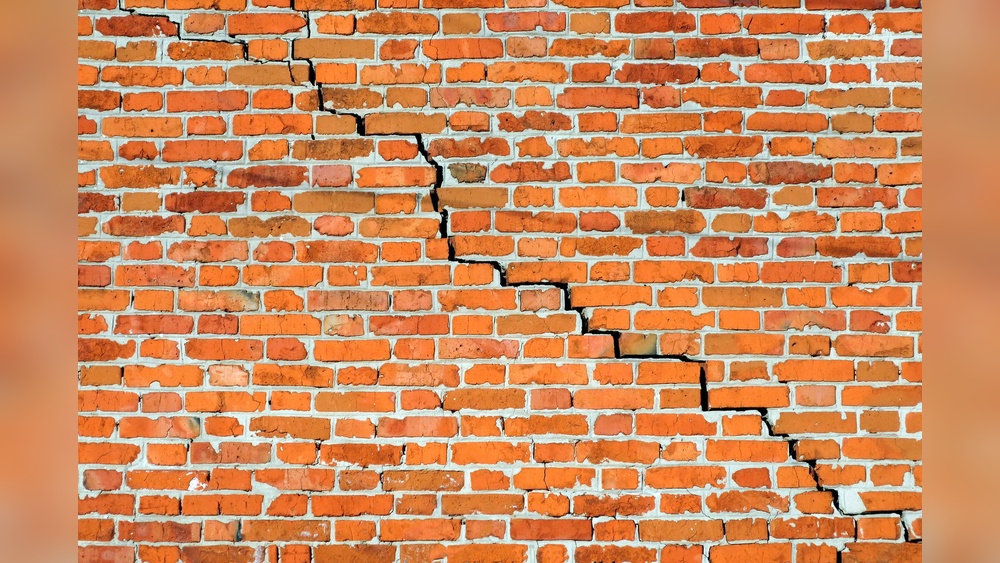
Is your brick wall starting to bulge and worry you? A bulging wall isn’t just an eyesore—it can be a serious safety risk for your home or building.
You might be wondering what causes this problem and, more importantly, how to fix it before it gets worse. You’ll discover simple, effective ways to anchor a bulging brick wall and protect your property. Keep reading to find out how you can stop the damage and save yourself from costly repairs down the line.

Credit: majesticexteriors.com
Signs Of A Bulging Brick Wall
Anchoring a bulging brick wall requires a clear, careful process. Follow these steps to secure the wall safely. Each step builds on the last, making the job easier and more effective. Take your time and work precisely.
Marking Anchor Positions
Start by finding the spots to place anchors. Look for bulges and weak areas on the wall. Use a pencil or chalk to mark these points. Space anchors evenly to balance the pressure. Proper marks help guide drilling and keep the wall stable.
Drilling Anchor Holes
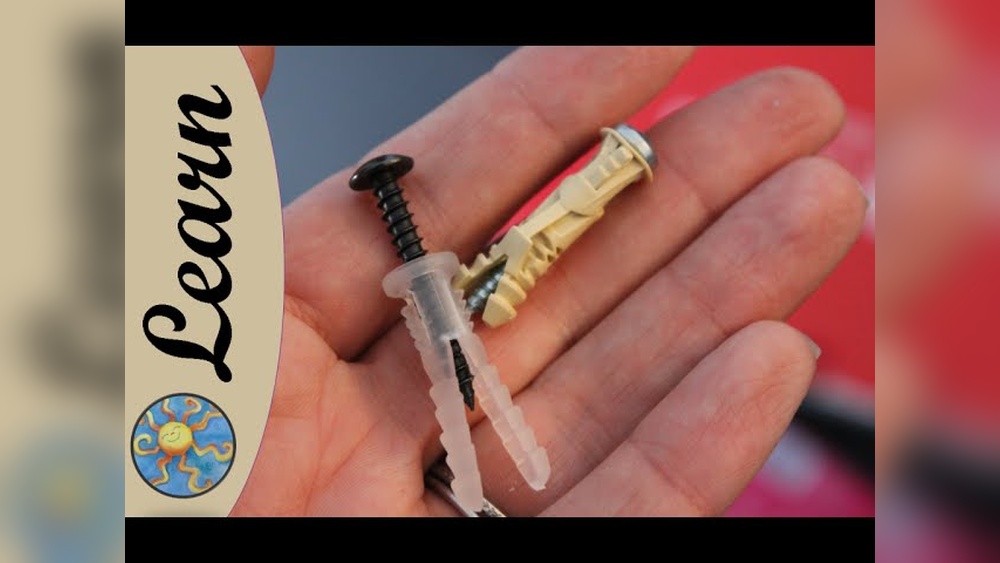
Choose a drill bit that matches the anchor size. Drill holes at the marked spots carefully. Drill straight into the brick, not the mortar. Keep holes clean and free of dust. Clean holes help anchors fit tightly and work better.
Installing Wall Anchors
Insert anchors into the drilled holes. Push or tap anchors gently until flush with the wall. Use anchors designed for brick walls for best results. Anchors hold the wall firm and stop further bulging. Check that each anchor fits snugly.
Tightening And Securing
Attach the wall tie or bracket to the anchors. Tighten bolts slowly and evenly. Watch the wall as you tighten to see it pull back gently. Stop tightening if the wall resists or cracks. Secure anchors firmly without over-tightening.
.jpg)
Credit: blog.rendevdc.com
Preparing For Wall Anchoring
Knowing when to call a professional is important for a bulging brick wall. Some problems need expert help. Trying to fix serious issues alone can be risky. A professional can assess the damage and suggest safe solutions. This saves time and money in the long run.
Signs Of Severe Damage
Look for big cracks running through bricks or mortar. Walls that lean more than a few inches need attention. Loose or falling bricks are warning signs. Water stains or mold near the wall show possible structural problems. These signs mean the damage is serious.
Complex Structural Issues
Bulging walls may hide deeper problems with the building’s foundation. Uneven settling or shifting soil can cause this. A professional can check the whole structure. They know how to fix complicated issues safely. DIY repairs often miss these hidden problems.
Cost Considerations
Repairing a bulging wall can be expensive without the right tools. Hiring a professional avoids costly mistakes. They work faster and use proper materials. In the end, professional help can save money. It prevents bigger repairs later on.
Credit: www.usadustguard.com
Frequently Asked Questions
How Do You Identify A Bulging Brick Wall?
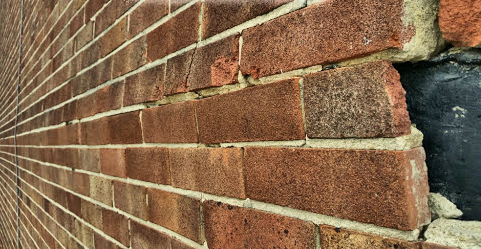
A bulging brick wall shows visible outward curves or cracks. Check for uneven mortar joints and loose bricks. Early detection helps prevent structural damage. Inspect walls regularly for safety and maintenance.
What Materials Are Used To Anchor A Bulging Brick Wall?
Common materials include steel wall ties, helical anchors, and stainless steel rods. These provide support and stabilize the wall. Choosing the right material depends on wall size and damage extent.
Can I Anchor A Bulging Brick Wall Myself?
Anchoring a bulging wall requires skill and tools. DIY may risk improper installation and safety. It’s best to hire a professional mason or structural engineer for proper anchoring.
How Much Does Anchoring A Bulging Brick Wall Cost?
Costs vary by wall size, damage severity, and materials. Typical expenses range from $500 to $3,000. Getting multiple quotes ensures competitive pricing and quality work.
Conclusion
Bulging brick walls need quick and careful attention. Anchoring them helps keep your home safe and strong. Use the right tools and follow clear steps. Check the wall often for any new bulges. Acting early can prevent bigger problems later.
Always seek advice if unsure about the process. A steady wall means a safer space for everyone. Keep your home sturdy and well-maintained. Simple actions can make a big difference.