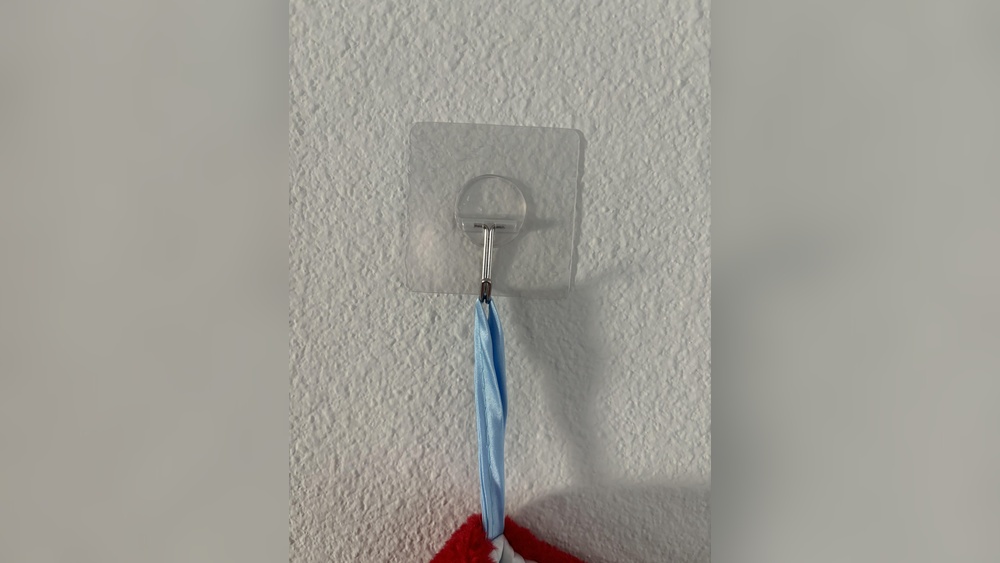
Have you ever wondered how drywall hooks can hold up your pictures, shelves, or decorations without damaging your walls? If you’re tired of nails leaving ugly holes or struggling with complicated mounting tools, understanding how drywall hooks work can be a game-changer for your home projects.
You’ll discover the simple secrets behind these handy tools and learn how to use them effectively. Keep reading—you’ll soon see just how easy it is to hang things securely while keeping your walls looking flawless.

Credit: www.amazon.com
Types Of Drywall Hooks
Dry wall hooks rely on smart materials and design to hold items securely. The right materials provide strength without damaging walls. Design shapes help spread the load and grip the drywall properly. Understanding these details explains why some hooks work better than others.
Common Materials Used
Most drywall hooks use steel or plastic. Steel offers strong support and resists bending. Plastic hooks are lightweight and less likely to damage walls. Some hooks have coatings like zinc to stop rust. This extends their life, especially in humid rooms. The choice of material affects hook strength and durability.
Hook Shapes And Sizes
Hooks come in many shapes, each made for different needs. Some have a simple curved shape to hold light items. Others have multiple prongs to spread weight across the wall. Small hooks fit pictures, while larger ones hold shelves or tools. The design also includes special back plates to grip drywall firmly. Size and shape match the type of load and wall strength.
Materials And Design
The installation process of drywall hooks is simple but important for a secure hold. Proper steps ensure your hooks stay in place and support the weight you need. Following the right method prevents damage to your walls and keeps your items safe.
Preparing The Wall Surface
Start by cleaning the wall area. Remove dust, dirt, and grease using a dry cloth or mild cleaner. Dry the surface completely before proceeding. A clean wall helps the hook stick better and last longer. Avoid rough or uneven spots for the best grip.
Step-by-step Hook Placement
Mark the spot where you want to place the hook. Hold the hook against the wall to check the position. Gently press the hook’s adhesive or nail into the wall. For adhesive hooks, press firmly for about 30 seconds. For nail hooks, tap the nail carefully with a hammer. Avoid pushing too hard to prevent wall damage.
Tools Needed
You need a few simple tools for drywall hook installation. A clean cloth or mild cleaner for surface prep. A pencil or marker to mark the spot. A hammer if your hook uses nails. No special tools required for adhesive hooks. These tools help make the process smooth and easy.
Installation Process
Drywall hooks are simple tools, but mistakes can cause problems. Knowing what to avoid helps you hang items safely and securely. Common errors can lead to damage or hooks falling off. Avoid these issues to keep your walls and items safe.
Overloading Hooks
Putting too much weight on drywall hooks is a common error. Each hook has a weight limit. Exceeding this limit can cause the hook to fail. Heavy items need stronger support or multiple hooks. Check the package for weight instructions before hanging.
Improper Placement
Placing hooks too close to edges or corners weakens their hold. The drywall may crumble or break. Space hooks away from wall ends and corners. Also, avoid placing hooks too close to each other. This reduces the risk of wall damage.
Ignoring Wall Material
Not all walls are the same. Drywall hooks work best on drywall, not on plaster or brick. Using hooks on the wrong surface can cause them to fall. Identify your wall type before choosing hooks. Use anchors or different fasteners for other materials.

Credit: www.picturehangsolutions.com
Weight Limits And Load Capacity
Drywall hooks offer a simple way to hang items without much damage to walls. Comparing them with other methods helps you choose the best option for your needs. Each method has its own benefits and limits. Knowing these differences makes hanging easier and safer.
Nails And Screws
Nails and screws provide strong support for heavy items. They go directly into the wall, creating a solid hold. This method can leave visible holes and damage the drywall surface. Repairing these holes takes time and materials. Nails and screws suit permanent fixtures more than temporary decorations.
Picture Rails
Picture rails run along the wall near the ceiling. You hang items using hooks and wires from these rails. This method avoids wall damage completely. Picture rails work well for art galleries or frequent changes. Installing rails requires upfront effort and may not fit all room styles.
Command Strips
Command strips stick to walls and hold lightweight items. They peel off cleanly without leaving marks or holes. This makes them ideal for renters and temporary displays. Strips lose grip on textured or damp walls. They suit small frames or decorations only.

Credit: www.wikihow.com
Frequently Asked Questions
How Do Drywall Hooks Support Weight?
Drywall hooks use sharp metal points or adhesive to grip the wall. They distribute weight evenly, preventing damage. Proper installation ensures they hold pictures or decor securely without slipping or falling.
Can Drywall Hooks Damage My Walls?
Drywall hooks cause minimal damage compared to nails or screws. Most leave tiny holes or adhesive residue. These marks are easy to patch and paint over, making hooks ideal for renters or temporary displays.
What Weight Can Drywall Hooks Hold?
Weight capacity varies by hook type and size. Small adhesive hooks hold up to 5 pounds. Larger metal hooks can support 10 to 25 pounds. Always check product specifications to avoid overloading and wall damage.
Are Drywall Hooks Reusable?
Some drywall hooks are reusable, especially metal ones. Adhesive hooks typically lose grip after removal. Reusable hooks allow repositioning without harming walls, making them practical for changing decor or temporary setups.
Conclusion
Drywall hooks hold items by gripping the wall surface tightly. They use small pins or adhesive to stay in place. You can hang pictures, keys, or light decorations easily. These hooks save space and keep walls damage-free. Choose the right hook for the weight you want to hang.
Installation takes just a few minutes, no tools needed. Drywall hooks offer a simple, handy way to organize your space. Try them and see how they make hanging things easier.