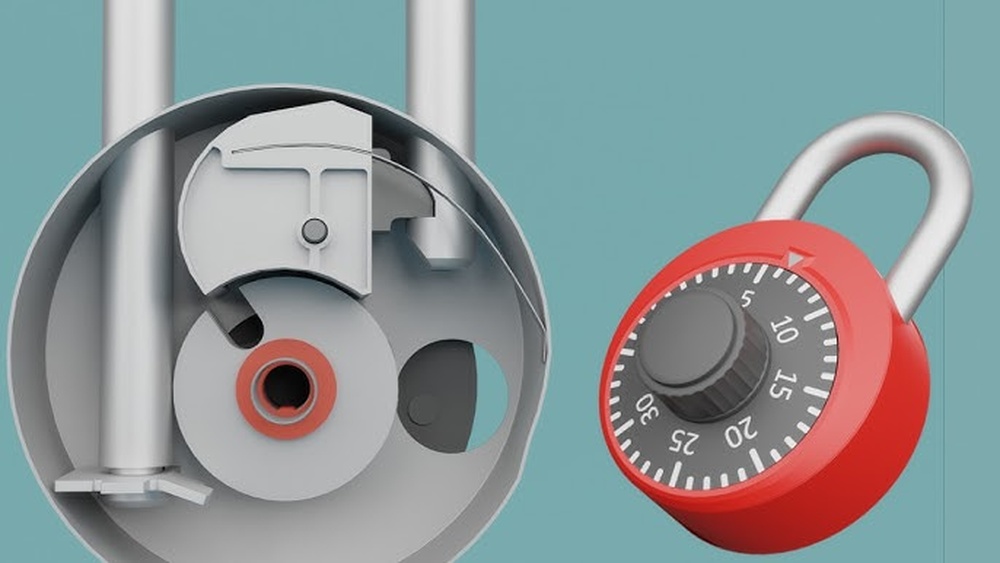
Have you ever wondered how a deadbolt really works? Maybe you’ve seen videos on YouTube showing them in action but still feel unsure about what makes them so secure.
Understanding how your deadbolt functions can give you peace of mind and help you protect your home better. You’ll discover exactly how deadbolts operate, why they’re different from regular locks, and how you can spot a quality one. Keep reading to unlock the secrets behind deadbolts and take control of your home’s safety today.
Deadbolt Basics
Understanding the basics of deadbolts helps you see how they protect your home. Deadbolts are simple but strong locks that stop doors from opening easily. They add a solid layer of security beyond regular door locks.
Let’s explore the main parts of deadbolts and the common types you might find. Knowing how these locks work can help you choose the best one for your needs.
Types Of Deadbolts
There are three main types of deadbolts: single-cylinder, double-cylinder, and lockable thumb-turn. Single-cylinder deadbolts use a key outside and a thumb turn inside. Double-cylinder deadbolts need a key on both sides. Lockable thumb-turn deadbolts can be locked or unlocked from inside.
Key Components
Deadbolts have several important parts. The bolt is the metal piece that slides into the door frame. The cylinder is where the key goes. The thumb turn lets you lock or unlock the door from inside. All parts work together to keep the door secure.
How Deadbolts Enhance Security
Deadbolts make it harder to force doors open. The bolt extends deep into the door frame, blocking entry. They resist picking and bumping better than regular locks. Installing a deadbolt adds strong protection to your home.

Credit: www.youtube.com
Installation Process
Installing a deadbolt is a simple way to increase home security. The process requires some basic tools and careful steps. This section breaks down the installation process into easy parts. Follow each step closely to get the best results and ensure your deadbolt works properly.
Tools Needed
Gather all tools before starting. You will need a drill, drill bits, screwdriver, tape measure, pencil, and a chisel. A hammer may also be useful. Having these tools ready saves time and avoids interruptions during installation.
Step-by-step Installation
First, mark the door where the deadbolt will go. Use the template that comes with the lock. Drill holes through the door carefully at the marked spots.
Next, install the deadbolt mechanism inside the door. Secure it with screws. Attach the strike plate to the door frame. Make sure it lines up with the bolt.
Test the lock by turning the key or thumb turn. The bolt should move smoothly. Adjust if needed to ensure easy locking and unlocking.
Common Mistakes To Avoid
Do not drill holes too large or misaligned. This causes the deadbolt to fit poorly. Avoid using the wrong drill bit size. Check measurements twice before drilling.
Do not skip testing the lock after installation. A misaligned bolt can reduce security. Avoid overtightening screws, which can damage the lock parts.
Keep the strike plate flush with the door frame. Gaps can weaken the lock’s effectiveness. Take your time to ensure proper alignment.
Operating Mechanism
The operating mechanism of a deadbolt is simple yet effective. It uses a strong metal bolt that slides into the door frame to secure the door. Unlike spring locks, a deadbolt cannot be moved easily without the key or thumb turn. This makes it a reliable choice for home security.
Understanding how the deadbolt works helps in choosing the right type for your needs. The mechanism involves turning a key or thumb turn, which moves the bolt in or out. Inside the lock, several parts work together to keep the door locked tightly.
How Turning The Key Works
Turning the key inside the deadbolt cylinder rotates a cam or tailpiece. This action moves the bolt horizontally into the door frame. The bolt slides smoothly because it fits tightly inside the lock housing. Turning the key the opposite way pulls the bolt back, unlocking the door.
Internal Locking Mechanism
Inside a deadbolt, pins and springs align to allow the key to turn. When the correct key is inserted, the pins line up at the shear line. This frees the cylinder to rotate. The rotation moves the bolt, securing or releasing the door. The solid metal bolt makes forced entry very hard.
Difference Between Single And Double Cylinder
Single cylinder deadbolts have a keyhole on the outside and a thumb turn inside. This allows quick locking from inside without a key. Double cylinder deadbolts require a key on both sides. This adds security but can be tricky in emergencies. Choosing depends on your security needs and safety preferences.
Maintenance Tips
Maintaining your deadbolt keeps it working smoothly and lasts longer. Small care steps prevent many common issues. Regular checks and simple actions help you avoid lock problems.
Lubrication And Cleaning
Use a graphite-based lubricant for your deadbolt. Avoid oil sprays as they attract dust and dirt. Clean the keyhole and bolt area with a soft cloth. Remove dust or debris that can block the mechanism. Lubricate the lock twice a year for best results.
Troubleshooting Issues
If the key sticks or won’t turn, check for dirt inside the lock. Try cleaning and lubricating it. Test the key to see if it is bent or damaged. If the bolt moves slowly, check for misalignment with the door frame. Tighten screws or adjust the strike plate if needed.
When To Replace Your Deadbolt
Replace your deadbolt if it jams often or breaks easily. Old locks can lose their strength over time. If keys no longer fit well or the lock feels loose, it’s time for a new one. Upgrading to a better lock improves your home security.
Enhancing Door Security
Enhancing door security is key to protecting your home. A strong deadbolt adds a solid layer of defense. It makes it harder for intruders to break in. But deadbolts work best with other security measures. Combining different tools can keep your door safer. Small steps can make a big difference in security.
Combining Deadbolts With Other Locks
Using a deadbolt with a latch lock improves door safety. The latch lock holds the door closed. The deadbolt stops forced entry. Together, they offer two levels of protection. This makes it tougher for anyone to open the door without a key. It also adds peace of mind.
Choosing The Right Door Material
Door material affects how well locks work. Solid wood or metal doors resist force better. Hollow core doors break easily. A deadbolt on a strong door creates a tough barrier. It stops intruders from kicking or smashing the door. Always pick doors that match your lock’s strength.
Additional Security Accessories
Extra tools boost your door’s defense. Door reinforcement plates stop the door frame from splitting. Strike plates make the deadbolt more secure. Security bars add protection against strong attacks. Peep holes let you see visitors before opening. These small additions raise your home’s safety level.

Credit: www.expressvpn.com
Deadbolt In Smart Home Setup
Deadbolts are a key part of home security. In a smart home setup, deadbolts go beyond simple locks. They connect to your phone and other devices. This makes locking and unlocking easier and safer. Smart deadbolts also offer features that normal locks do not have.
Understanding how deadbolts work in smart homes helps you choose the right one. It also shows how to install and use them best. Let’s explore the features, installation tips, and benefits of smart deadbolts.
Smart Deadbolt Features
Smart deadbolts allow remote control through smartphones. You can lock or unlock from anywhere. Some models use fingerprint or keypad entry. Alerts notify you if someone tries to open the door. Many connect with voice assistants like Alexa or Google. Auto-lock features help keep the door secured. Temporary codes can be shared with guests or workers.
Installation Considerations
Install smart deadbolts on doors that fit the lock size. Battery life is important; choose models with long-lasting batteries. Some require Wi-Fi or Bluetooth for connectivity. Follow the manufacturer’s instructions carefully. Test the lock several times after installation. Make sure the lock fits well with your door frame. Consider professional help if unsure about installation.
Benefits Of Smart Locks
Smart locks increase home security and convenience. You don’t need to carry keys everywhere. They reduce the risk of lost or copied keys. Access can be tracked to know who enters and when. Smart locks can be part of a larger smart home system. They help you control home security from one app. Peace of mind comes from knowing your door is always locked.
Watching Deadbolt Tutorials On Youtube
Watching deadbolt tutorials on YouTube offers a simple way to understand how these locks work. Videos show step-by-step instructions that are easy to follow. Seeing the process helps many people learn better than reading text alone.
YouTube tutorials cover installing, repairing, and troubleshooting deadbolts. They often use clear visuals and speak in simple terms. This makes the topic easier to grasp for those new to home security.
Finding Reliable Channels
Choose channels with many followers and positive reviews. Check if the creator has experience with locks or home security. Watch a few videos to see if the instructions are clear and trustworthy. Reliable channels often update content with the latest lock types.
Key Points To Look For
Look for videos that explain the lock parts clearly. Good tutorials show how the deadbolt moves and locks in place. Pay attention to safety tips and common mistakes. Videos that use close-up shots make it easier to see small details.
Using Videos For Troubleshooting
Troubleshooting videos help fix common deadbolt problems. They show what to check if the lock sticks or won’t turn. Step-by-step guides make repairs less confusing. Videos also suggest tools needed for simple fixes.

Credit: www.expressvpn.com
Frequently Asked Questions
How Does A Deadbolt Lock Work On A Door?
A deadbolt uses a solid metal bolt that slides into the door frame. It resists forced entry better than spring locks. Turning the key or thumb turn extends the bolt, securely locking the door from unauthorized access.
Can You Install A Deadbolt Yourself?
Yes, you can install a deadbolt yourself with basic tools. Follow the instructions carefully, measure accurately, and drill holes precisely. Many YouTube tutorials offer step-by-step guidance for DIY deadbolt installation.
Why Choose A Deadbolt Over A Regular Lock?
Deadbolts provide stronger security than standard locks because they cannot be easily forced open. They have no spring mechanism, making them resistant to lock picking and bumping. This makes deadbolts ideal for exterior doors.
What Are The Common Types Of Deadbolt Locks?
The main types are single-cylinder, double-cylinder, and lockable thumb turn deadbolts. Single-cylinder uses a key outside and thumb turn inside. Double-cylinder needs a key on both sides, enhancing security but requiring caution during emergencies.
Conclusion
Deadbolts add strong security to your doors. They work by sliding a solid metal bolt into the door frame. This bolt is hard to force open without a key. Watching videos on YouTube helps you see how deadbolts function step-by-step.
You can learn how to install and use them easily. Using deadbolts makes your home safer and gives peace of mind. Remember, a simple lock can make a big difference in protection. Stay safe by choosing the right deadbolt for your door.


