Are you struggling to securely attach a 4×4 post to a wall stud? Getting it right is key to making sure your project stays strong and safe.
Whether you’re building a sturdy frame, a shelf, or a support beam, knowing the right steps can save you time, money, and frustration. In this guide, you’ll discover simple, effective techniques to anchor your 4×4 perfectly every time. Keep reading, and you’ll gain the confidence to tackle this task like a pro.
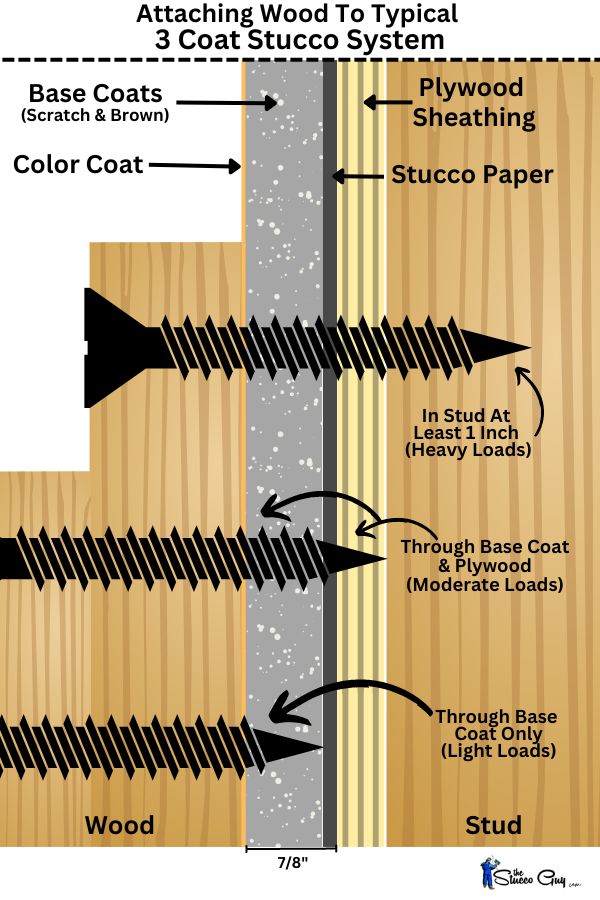
Credit: thestuccoguy.com
Choosing The Right Tools
Choosing the right tools is key to securely anchor a 4×4 to a wall stud. The right tools make your work easier and safer. They help you get strong, stable results that last. Picking quality tools avoids damage to your wood and wall. It also saves time and effort.
Essential Tools Checklist
- Power drill with drill bits
- Screwdriver or impact driver
- Stud finder to locate wall studs
- Measuring tape and pencil
- Level to ensure straight installation
- Wrench or socket set for bolts
- Clamps to hold the 4×4 in place
Types Of Anchors For 4×4
Choose anchors that match your wall type and weight load. Lag screws are strong and work well with wood studs. Expansion bolts fit concrete or brick walls. Sleeve anchors also provide sturdy support in masonry. Tapcon screws can secure 4×4 to concrete. Pick anchors that suit your project needs and materials.
Safety Gear To Use
- Protective gloves to avoid splinters and cuts
- Safety glasses to shield eyes from debris
- Ear protection if using loud power tools
- Dust mask to prevent breathing sawdust or dust
- Work boots for stable footing
Preparing The Wall Stud
Preparing the wall stud is an important step before anchoring a 4×4. The stud must be strong and ready to hold the weight. Proper preparation ensures a safe and stable mount.
This section guides you through locating, checking, and marking the wall stud. Each step helps make the process smooth and secure.
Locating The Stud
Find the wall stud using a stud finder or tapping method. Move the stud finder slowly across the wall. Mark the edges where the stud is detected. The center point is the best place to anchor your 4×4.
Checking Stud Condition
Check the stud for any damage or weakness. Look for cracks, rot, or holes. Avoid using damaged studs as they may not support the load. Choose a strong, solid stud for anchoring.
Marking The Anchor Points
Mark the exact points on the stud where you will place the anchors. Use a pencil and a level to keep marks straight. Space the points evenly to spread the load. Clear marks help during drilling and installation.
Selecting The Anchor Type
Selecting the right anchor type is crucial for securing a 4×4 to a wall stud. The anchor must hold strong and support the weight. Choosing the wrong anchor can cause the wood to loosen or fall off over time. Understanding different anchors helps pick the best one for your project. Below are common anchor types and their uses.
Lag Screws Vs. Toggle Bolts
Lag screws are heavy-duty fasteners that go directly into wood studs. They provide a strong hold and are ideal for securing 4x4s. You drill a pilot hole first, then drive the lag screw in.
Toggle bolts work well when there is no stud behind the wall. They expand behind drywall for support. Toggle bolts are not as strong as lag screws in wood but good for hollow walls.
Using Structural Screws
Structural screws are designed for wood-to-wood connections. They have a special thread to grip wood tightly. These screws are easier to install than lag screws and do not need a washer.
They provide excellent strength and can hold heavy loads. Use structural screws when attaching a 4×4 to a stud for a clean, strong connection.
When To Use Expansion Anchors
Expansion anchors work in solid materials like concrete or brick. They expand inside the hole to grip firmly. These anchors are not suitable for wood studs.
Use expansion anchors only if you anchor into a masonry wall. For wood studs, lag screws or structural screws remain the best choice.
Credit: www.reddit.com
Drilling And Securing The 4×4
Drilling and securing the 4×4 to a wall stud is a key step in building strong support. It ensures the wood stays fixed and safe. This process needs care and the right tools. Follow these steps to make your 4×4 hold tight against the wall.
Pre-drilling Holes In 4×4
Start by marking where the screws will go. Use a pencil to make small dots on the 4×4. Choose a drill bit slightly smaller than the screw width. Drill straight holes through these marks. This prevents the wood from splitting when you screw it in.
Drilling Into The Stud
Next, find the wall stud behind the drywall. Use a stud finder to locate it accurately. Mark the stud’s position on the wall. Select a drill bit that matches the anchor size. Drill holes into the stud through the drywall carefully. Keep the drill level and steady for clean holes.
Installing The Anchors
Push the anchors into the holes in the stud. Tap gently with a hammer if needed. Align the 4×4 with the anchors on the wall. Insert screws through the pre-drilled holes in the 4×4. Tighten the screws firmly into the anchors. Check the 4×4 for any movement. It should feel solid and secure.
Ensuring Strong Support
Ensuring strong support is key when anchoring a 4×4 to a wall stud. A secure hold prevents wobbling and keeps structures safe. The right techniques help the wood stay firmly in place. Follow simple steps to check and boost stability for lasting strength.
Tightening Techniques
Use a power drill or screwdriver to tighten screws firmly. Turn screws slowly to avoid stripping the wood. Tighten each screw until the 4×4 feels secure against the stud. Avoid over-tightening, which can damage the wood or strip the screw holes.
Checking Stability
After tightening, gently push and pull the 4×4 to test support. It should not move or wobble. Check all sides for any gaps between the wood and wall. If you find any movement, retighten screws or add more fasteners where needed.
Adding Additional Support If Needed
Use metal brackets or angle braces for extra strength. Attach them at the top and bottom of the 4×4. Add more screws to spread the load evenly. This helps the wood hold heavy weight without shifting or bending.
Common Mistakes To Avoid
Anchoring a 4×4 to a wall stud is simple with the right steps. Avoiding common mistakes saves time and keeps your project strong. Many people make errors that weaken the hold or damage the wall. These mistakes can lead to unsafe structures or costly repairs. Understanding what to avoid helps you do the job right the first time.
Incorrect Anchor Placement
Placing anchors too close to the edge of the 4×4 or stud weakens the hold. Anchors should go into the center of the stud for the best grip. Avoid drilling holes that are too high or low on the stud. This can cause the wood to split or the anchor to fail. Measure carefully before drilling to ensure proper placement.
Using Wrong Anchor Types
Not all anchors work well with wood studs and 4×4 posts. Using drywall anchors or plastic plugs leads to weak connections. Choose heavy-duty wood screws or lag bolts designed for wood. These provide strong, lasting support. Check the weight capacity of anchors to match your project needs.
Ignoring Stud Integrity
Old or damaged studs may not hold anchors well. Avoid anchoring into cracked or rotten wood. This reduces the strength and safety of your attachment. Use a stud finder to locate healthy studs before starting. Replace or reinforce any damaged studs to ensure a secure anchor.
Maintenance Tips
Maintaining your 4×4 anchored to the wall stud is key for safety and durability. Small efforts keep the structure strong and reliable. Check your work regularly to avoid bigger problems later.
Regular Inspection
Look at the 4×4 and wall anchor often. Check for cracks, rust, or any signs of wear. Spot problems early to fix them fast. This stops damage from getting worse.
Tightening Loose Anchors
Over time, anchors may get loose. Use a wrench or screwdriver to tighten bolts and screws. Secure anchors hold the 4×4 firmly in place. Loose parts can cause wobbling or failure.
Protecting Wood From Damage
Keep the wood safe from water and pests. Apply sealant or wood preservative to prevent rot. Avoid placing wet items near the wood. Good protection helps the 4×4 last longer and stay strong.

Credit: www.researchgate.net
Frequently Asked Questions
How Do You Find Wall Studs For Anchoring 4×4?
Use a stud finder to locate wooden studs behind drywall. Mark stud edges before drilling to ensure secure anchoring of the 4×4 post.
What Screws Are Best For Anchoring 4×4 To Studs?
Use 3-inch wood screws or lag screws for strong hold. They provide deep penetration and ensure the 4×4 is firmly anchored to the stud.
Can You Anchor 4×4 Without Drilling Pilot Holes?
It’s not recommended. Pilot holes prevent wood splitting and ensure screws drive in straight, resulting in a stronger and safer anchor connection.
How Deep Should Screws Go Into The Wall Stud?
Screws should penetrate at least 1. 5 inches into the stud. This depth provides a secure hold without damaging the stud or wall.
Conclusion
Anchoring a 4×4 to a wall stud is simple with the right steps. Use strong screws and find the stud accurately. Tighten the screws well to keep the 4×4 secure. This method ensures stability for your project. Always double-check your work for safety.
With these tips, your 4×4 will hold firm against the wall. Now, you can build with confidence and ease.


