Are you tired of nails that won’t hold or pictures that keep falling off your walls? Putting anchors in a wall is the simple trick you need to hang things securely, no matter the weight.
Whether you’re mounting shelves, artwork, or heavy mirrors, knowing how to use wall anchors can save you time, money, and frustration. You’ll learn easy steps to choose and install the right anchors, so your walls stay strong and your items stay put.
Keep reading, and you’ll never worry about flimsy wall hangings again!
Types Of Wall Anchors
Wall anchors help secure objects to walls without strong support. They come in different types for various wall materials and weights. Choosing the right anchor ensures a safe and steady hold.
Each anchor type works differently. Some expand in the wall, others use wings or screws. Understanding these types helps you pick the best one.
Plastic Expansion Anchors
Plastic expansion anchors are common and easy to use. Drill a hole, insert the anchor, and then screw in. The anchor expands inside the hole for a tight grip. These work well for light to medium loads in drywall or plaster.
Toggle Bolts
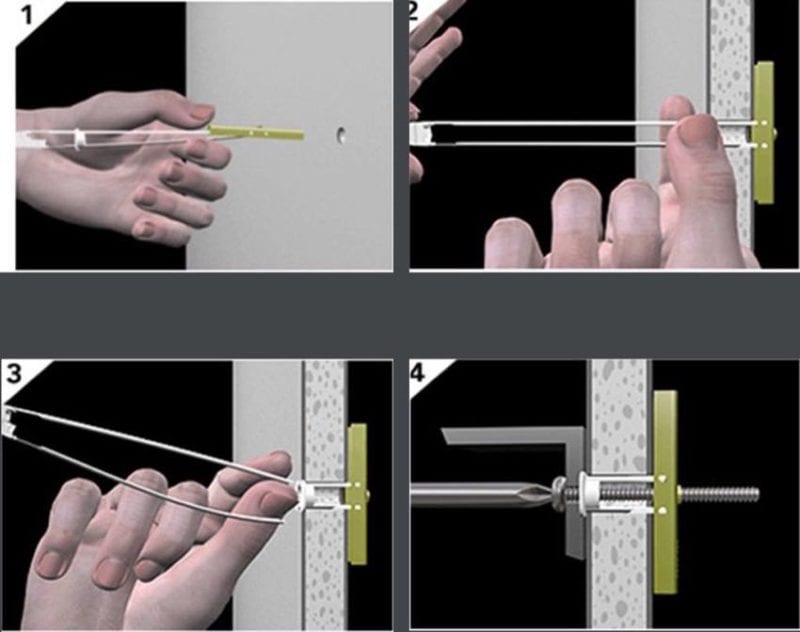
Toggle bolts have metal wings that open behind the wall. Insert the bolt with closed wings into a hole. The wings open wide inside the wall for strong support. These anchors hold heavy items on drywall or hollow walls.
Molly Bolts
Molly bolts are metal anchors that expand inside the wall. Insert the bolt and tighten the screw to expand the anchor. This creates a secure hold in drywall or plaster. Use molly bolts for medium to heavy objects.
Self-drilling Anchors
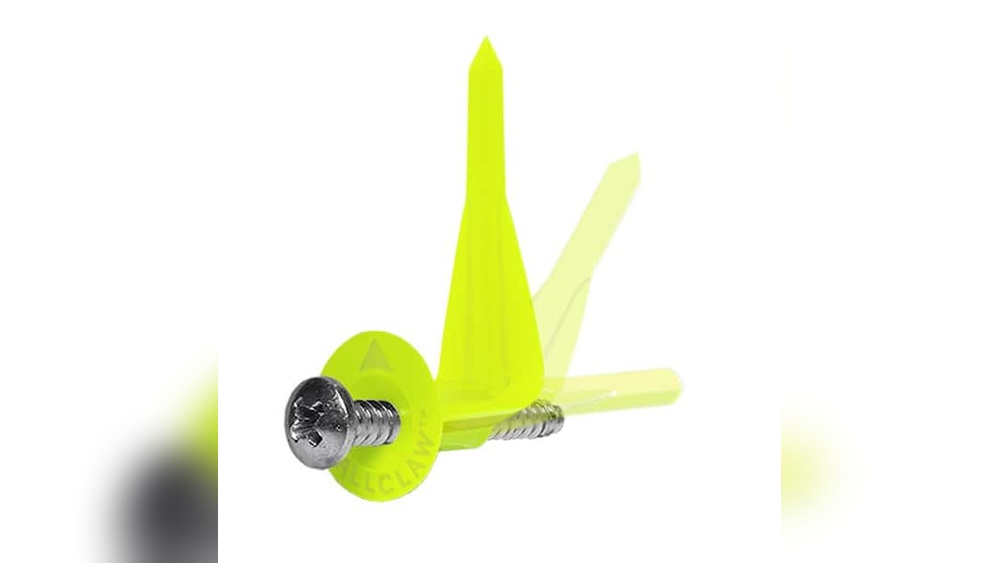
Self-drilling anchors do not need a pre-drilled hole. Twist the anchor directly into drywall using a screwdriver. These anchors expand as you screw in, offering good support for light to medium loads. They save time and are easy for beginners.
Tools Needed
Putting anchors in a wall requires some basic tools. Having the right tools makes the job easier and safer. It helps to do the work quickly and correctly. Below are the main tools needed for this task.
Drill And Drill Bits
A drill is essential to make holes in the wall. Choose drill bits that match the size of your anchor. The drill creates a clean hole for the anchor to fit well. Using the wrong bit size can cause the anchor to fail.
Screwdriver
A screwdriver is needed to drive screws into the anchors. Pick a screwdriver that fits the screw head perfectly. This prevents slipping and damage to the wall or screw. Both manual and electric screwdrivers work well.
Hammer
A hammer helps to gently tap the anchor into the drilled hole. It ensures the anchor sits flush with the wall surface. Use light taps to avoid cracking the wall or breaking the anchor.
Measuring Tape And Pencil
Measuring tape helps to mark the exact spot on the wall. Accurate marks prevent holes in the wrong places. Use a pencil to make light marks that are easy to erase later. This step keeps your work neat and precise.
Preparing The Wall
Preparing the wall is an important first step before installing anchors. Taking time to prepare ensures a strong hold and prevents damage. It helps to find the best spots and use the right tools. Follow these steps to get started.
Locating Studs And Measuring
Find the studs inside the wall to know where to place anchors. Studs give extra support for heavy items. Use a stud finder or tap the wall softly to listen for solid spots. Measure carefully to mark the right places. Accurate measuring keeps anchors straight and spaced well.
Marking Anchor Points
Mark exact points on the wall where you want the anchors. Use a pencil for light, easy-to-remove marks. Check the marks twice before drilling. Clear marks save time and make drilling easier. They also help keep the project neat and tidy.
Choosing Anchor Size
Select anchors that match the weight of the item and the wall type. Bigger anchors hold more weight but need larger holes. Small anchors fit lighter items and thin walls. Read packaging labels to pick the right size. Proper size prevents wall damage and keeps items secure.

Credit: www.picturehangsolutions.com
Drilling The Hole
Drilling the hole is a key step in installing wall anchors. It prepares the wall to hold the anchor firmly. A well-drilled hole helps the anchor fit correctly and support weight safely. Taking care during this step saves time and effort later.
Selecting The Right Drill Bit
Choose a drill bit that matches the anchor size. The hole must be neither too big nor too small. A tight fit keeps the anchor secure. Check the anchor package for the recommended drill bit size. Use a masonry bit for brick or concrete walls. For drywall, a regular twist bit works well.
Drilling At Correct Depth
Mark the drill bit to control hole depth. Use tape to wrap around the bit at the needed length. Drill straight into the wall without tilting. Stop drilling once the tape reaches the wall surface. Correct depth ensures the anchor sits flush and holds tightly.
Cleaning Out Debris
Remove dust and debris from the hole after drilling. Use a small brush or blow air into the hole. Clean holes help anchors grip better. Debris can prevent the anchor from fitting properly. This step improves the strength and safety of the installation.
Installing The Anchor
Installing anchors in a wall is a key step for strong support. Each type of anchor has a unique way to fit and hold items safely. Proper installation helps prevent damage and keeps your items secure. Understanding how to install common anchors makes your project easier and safer.
Inserting Plastic Anchors
Start by drilling a hole that matches the anchor size. Gently push the plastic anchor into the hole. Tap it lightly with a hammer until it is flush with the wall. Avoid forcing it too hard to prevent damage. Once inserted, screw into the anchor to expand it and hold tight.
Setting Toggle Bolts
First, drill a hole large enough for the toggle wings. Thread the bolt through your item and the toggle wings. Compress the wings and push them through the hole. The wings open inside the wall to create a strong grip. Tighten the bolt slowly to secure the anchor firmly.
Expanding Molly Bolts
Drill a hole to fit the molly bolt sleeve. Insert the molly bolt into the hole until the flange rests on the wall. Tighten the screw to expand the sleeve behind the wall. This expansion locks the anchor in place for solid support. Remove the screw if needed and then reinsert it with your item.
Using Self-drilling Anchors
Position the self-drilling anchor on the wall surface. Turn it clockwise using a screwdriver or drill with low speed. The anchor will create its own hole and embed itself. Continue until the flange touches the wall. Insert the screw to secure your fixture firmly in place.
Credit: www.protoolreviews.com
Securing The Screw
Securing the screw is a key step in putting anchors in a wall. This step ensures your object stays in place and does not fall. A loose screw means weak support. A tight screw means strong hold. Paying attention here makes your work last longer and stay safe.
Choosing The Right Screw
Pick a screw that fits the anchor size. Too big or too small screws do not hold well. Use screws made for the wall type. Metal screws work well with metal anchors. Wood screws fit wooden walls better. Match screw length to the anchor depth for a firm fit.
Screwing With Proper Torque
Turn the screw carefully. Do not use too much force. Too much pressure can break the anchor or wall. Use a screwdriver or drill with adjustable torque. Stop turning when the screw feels tight. Avoid over-tightening to keep the anchor secure and the wall safe.
Checking For Firmness
After screwing in, test the hold. Wiggle the screw gently. It should not move or feel loose. If it moves, tighten a bit more. If still loose, remove and try a bigger anchor or screw. A firm screw means your anchor is secure and ready to hold weight.
Common Mistakes To Avoid
Putting anchors in a wall seems simple but has common errors. These mistakes can cause anchors to fail or damage walls. Avoiding them helps keep your items secure and walls intact.
Overdrilling Holes
Drilling too large a hole weakens the anchor’s grip. The hole should match the anchor size exactly. Big holes cause anchors to wobble or fall out. Use a drill bit that fits the anchor snugly.
Using Wrong Anchor Type
Not all anchors work for every job. Plastic anchors suit light items, metal ones hold heavy objects. Using the wrong type risks the anchor slipping or breaking. Choose anchors based on weight and purpose.
Ignoring Wall Material
Walls vary: drywall, brick, concrete, or plaster. Each needs a different anchor style. Drywall anchors fail in brick walls and vice versa. Identify your wall type before buying anchors. This step ensures strong, lasting support.

Credit: www.wikihow.com
Tips For Strong Support
Strong wall anchors keep your items safe and stable. Using the right methods helps avoid damage and accidents. Follow these tips for better support and durability.
Distributing Weight Evenly
Spread the load across the wall. Avoid putting all weight on one anchor. Use multiple anchors if the item is heavy. This reduces stress on any single point. It helps keep the wall from cracking or breaking.
Using Multiple Anchors
Install more than one anchor for large or heavy items. Space them properly to balance the weight. Multiple anchors hold better than one. They increase the overall strength and stability. This method works well for shelves, cabinets, and mirrors.
Regularly Inspecting Anchors
Check your anchors from time to time. Look for signs of loosening or damage. Tighten any loose anchors immediately. Replace damaged anchors to maintain safety. Regular checks prevent accidents and keep your items secure.
Frequently Asked Questions
What Tools Do I Need To Put Anchors In A Wall?
You need a drill, wall anchors, screws, a screwdriver, and a pencil. These tools help you make precise holes and secure the anchors properly.
How Do You Choose The Right Wall Anchor Type?
Select anchors based on wall material and weight load. Plastic anchors suit drywall, while metal anchors are best for heavier items.
Can I Install Anchors Without Drilling Holes First?
No, drilling a pilot hole is essential. It ensures the anchor fits securely and prevents wall damage during installation.
How Deep Should I Drill For Wall Anchors?
Drill a hole slightly deeper than the anchor length. This allows the anchor to fit completely and hold firmly.
Conclusion
Putting anchors in a wall is simple with the right steps. Choose the correct anchor for your wall type. Drill a hole, insert the anchor, then tighten the screw. This process helps hold items securely. Take your time and follow each step carefully.
Doing it right keeps your wall safe and your items steady. Practice makes this task easier and faster. Now, you can hang shelves, pictures, or hooks with confidence.