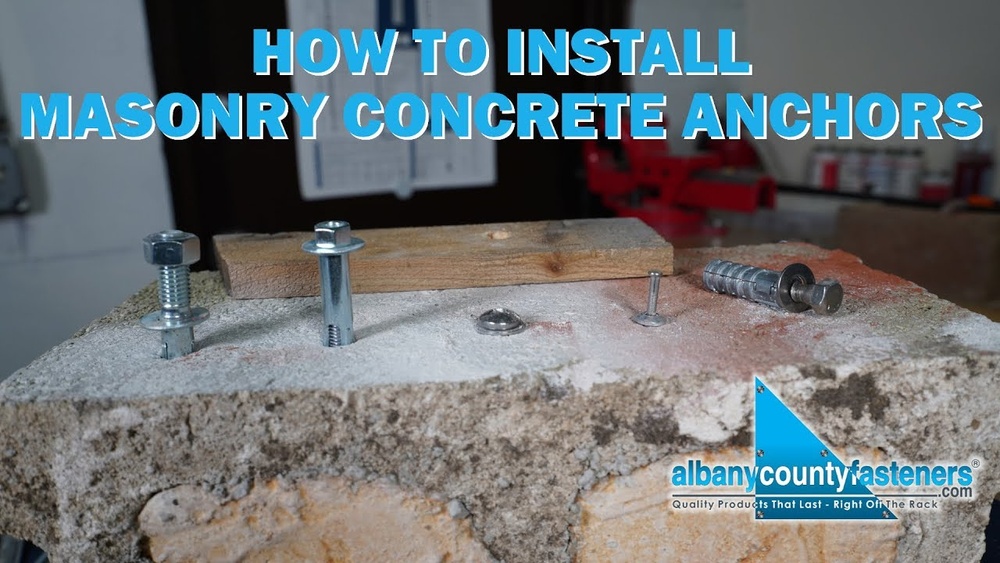
Are you struggling to hang a board on your wall securely? Whether it’s a shelf, a decorative piece, or a whiteboard, knowing how to anchor a board properly can save you time, money, and frustration.
If the board isn’t fixed right, it could fall and cause damage or injury. But don’t worry—you’re about to learn simple, step-by-step methods to make sure your board stays put. Keep reading, and you’ll discover easy tips that anyone can follow, even if you’ve never done this before.
Your walls—and your peace of mind—will thank you.
Choosing The Right Anchor
Choosing the right anchor is key to securing a board to the wall safely. The anchor must hold the board firmly without damaging the wall. Different walls and weights need different anchors. Picking the correct one ensures the board stays in place for a long time.
Types Of Wall Anchors
There are several types of wall anchors. Plastic expansion anchors work well for light loads. Metal anchors offer stronger support for medium weights. Toggle bolts are best for heavy items and hollow walls. Each type fits different wall and weight needs.
Matching Anchors To Wall Material
Wall material affects the anchor choice. Drywall requires anchors designed to spread weight over a larger area. Concrete or brick walls need anchors that can drill into hard surfaces. Wood walls allow screws to go directly without anchors. Match the anchor to the wall for best hold.
Weight Considerations
Consider the board’s weight before choosing an anchor. Light boards need simple anchors. Heavy boards need strong anchors like toggle bolts. Always check the anchor’s weight limit. Using anchors that support more weight than needed adds safety.
Credit: trexseal.com
Tools And Materials Needed
Anchoring a board to the wall requires the right tools and materials. Having these ready makes the job easier and safer. This section lists what you need before starting your project.
Essential Tools
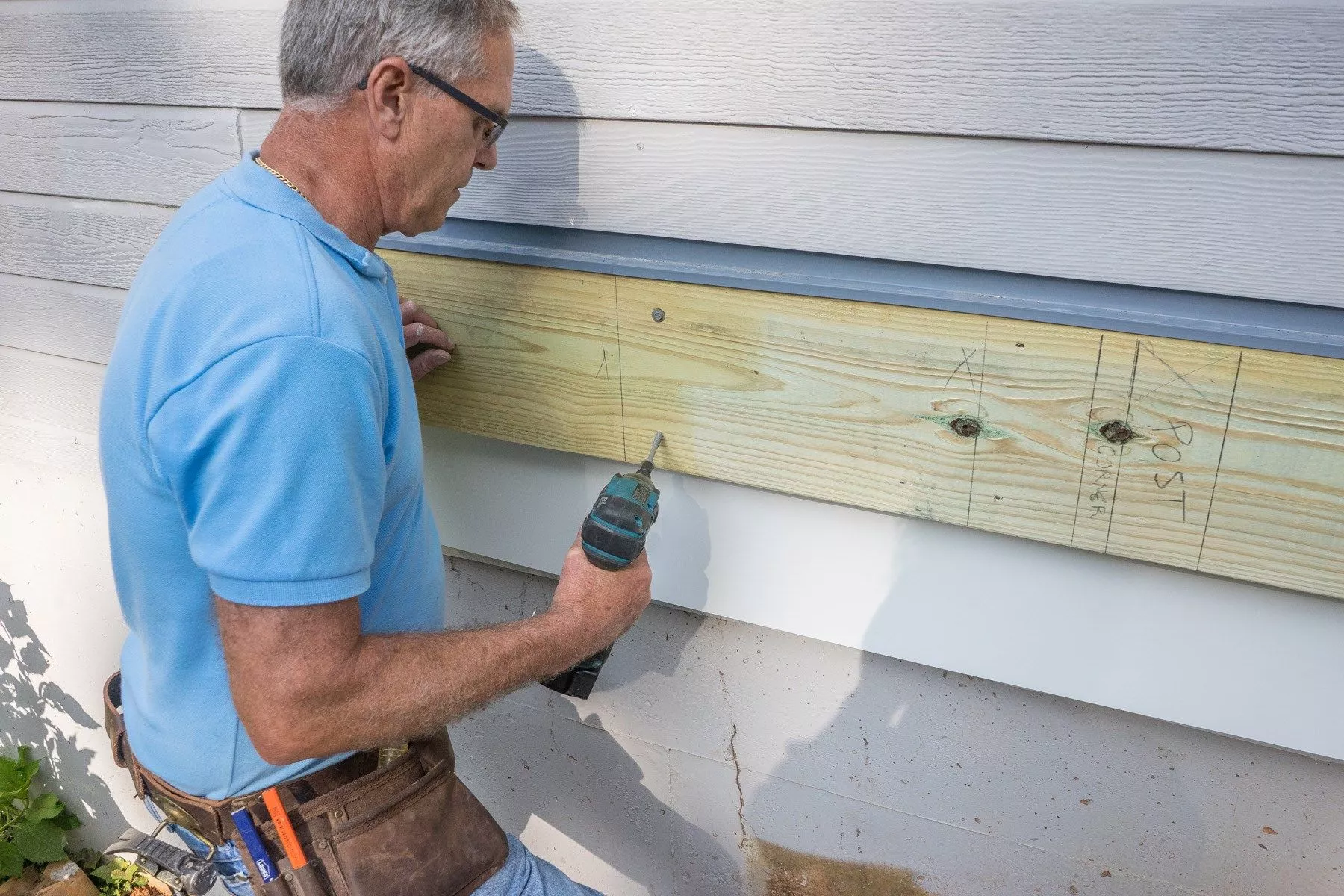
Start with a drill. It helps make holes for screws or anchors. Use a screwdriver to tighten screws securely. A level keeps the board straight on the wall. Measure twice with a tape measure to ensure accuracy. A pencil marks the spots to drill or screw.
Safety Gear
Wear safety glasses to protect your eyes from dust and debris. Gloves protect your hands from sharp edges or splinters. Ear protection shields your hearing when drilling loud holes. Use a dust mask if drilling into drywall or plaster.
Additional Supplies
Wall anchors provide extra support for heavy boards. Choose anchors based on your wall type. Screws must fit the anchors and board thickness. Use a stud finder to locate strong points in the wall. Sandpaper smooths rough edges of the board before fixing.
Preparing The Wall And Board
Preparing the wall and board is the first step to secure a board properly. This step ensures your board stays steady and safe. It helps avoid mistakes that could cause damage or make the board fall.
Careful preparation saves time and effort later. It makes the anchoring process smooth and accurate. Follow these steps to prepare both the wall and board well.
Marking Anchor Points
Start by deciding where the board will hang on the wall. Use a pencil to mark the exact spots for the anchors. Make sure the marks match the holes on the board.
Check the board’s edges and middle for a balanced hold. Mark points evenly to spread the weight. Clear and correct marks guide you during drilling.
Measuring And Leveling
Measure distances between the marks carefully. Use a tape measure for accuracy. Confirm the marks are the same height from the floor or ceiling.
Use a level tool to make sure the marks are straight. A tilted board looks unprofessional and may not hold well. Adjust marks if needed before drilling.
Drilling Pilot Holes
Choose a drill bit smaller than the anchor size. Pilot holes help anchors fit tightly and prevent wall damage. Hold the drill steady and drill straight into the marked points.
Drill slowly to control depth and avoid cracking the wall. Clean dust from holes before inserting anchors. Proper pilot holes make the anchoring strong and safe.
Installing The Anchors
Installing anchors is a key step to hold a board firmly on the wall. Choosing the right type of anchor depends on your wall material and the board’s weight. Proper installation ensures stability and safety.
Follow the instructions carefully for each anchor type. This will help avoid damage and keep the board secure.
Inserting Plastic Anchors
Plastic anchors work well in drywall and light materials. Start by drilling a hole that matches the anchor size. Push the plastic anchor into the hole until it sits flush with the wall. Use a hammer gently if needed. Screw the board’s screw into the anchor slowly. The anchor will expand inside the wall for a tight hold.
Using Toggle Bolts
Toggle bolts hold heavy boards on hollow walls. Drill a hole big enough for the toggle wings. Thread the bolt through the board’s hole and attach the toggle wings. Push the wings through the wall hole. The wings open inside the wall and create a strong grip. Tighten the bolt carefully to secure the board.
Securing Molly Bolts
Molly bolts are good for medium to heavy loads. Drill a hole matching the molly bolt’s size. Insert the bolt until the flange rests against the wall. Tighten the screw to expand the anchor behind the wall. This locks the anchor in place. Remove the screw, fix the board, then screw it back in tightly.
Mounting The Board
Mounting the board on the wall is a key step for a secure and neat setup. This process ensures the board stays fixed and functional. Follow simple steps to align, attach, and check the board’s stability.
Aligning The Board
Place the board against the wall where you want it. Use a level tool to make sure it is straight. Mark the spots on the wall for drilling. Double-check the marks before moving on.
Attaching With Screws
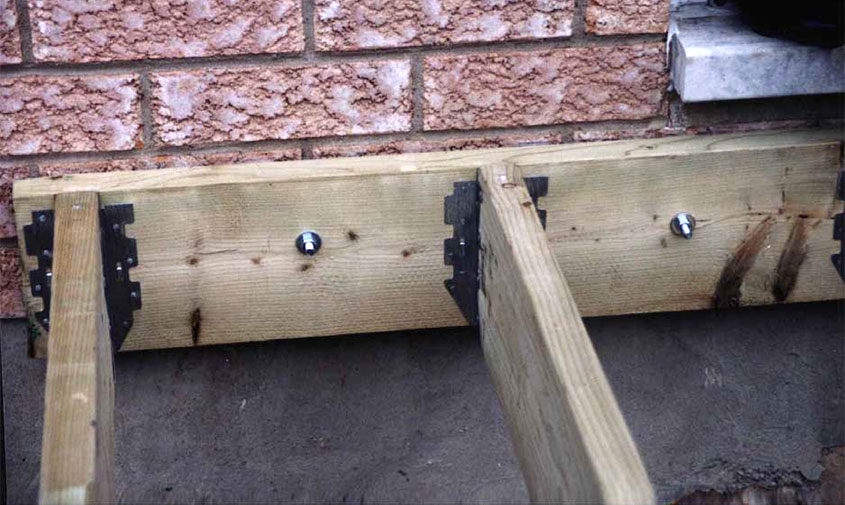
Drill holes in the marked spots carefully. Insert wall anchors if the wall is drywall. Use screws to attach the board to the wall. Tighten screws firmly but avoid over-tightening.
Checking Stability
Gently push the board to test its hold. The board should not move or wiggle. If it does, tighten the screws more or add extra anchors. A stable board keeps your items safe and tidy.

Credit: www.reddit.com
Troubleshooting Common Issues
Troubleshooting common issues helps keep your board secure and the wall intact. Problems like loose anchors or wall damage can happen during or after installation. Fixing these issues quickly saves time and effort later. Here are some common problems and how to solve them.
Loose Anchors
Loose anchors make the board unstable and unsafe. Check if the anchor spins or moves in the hole. Remove the loose anchor and fill the hole with wood filler or glue. Let it dry fully before drilling a new hole. Use a larger anchor or a toggle bolt for better grip. Tighten screws firmly but avoid over-tightening to prevent damage.
Wall Damage Repair
Wall damage can occur from drilling or heavy boards pulling on the surface. Clean the area around the damage first. Use spackling paste or wall filler to cover cracks or holes. Smooth the surface with a putty knife and allow it to dry. Sand the area lightly to make it even with the wall. Paint over the repair to match your wall color.
Reinforcing Heavy Boards
Heavy boards need strong support to prevent wall damage. Use multiple anchors spaced evenly along the board. Choose anchors rated for heavy loads, like toggle bolts or molly bolts. Add a wooden cleat behind the board for extra strength. Screw the board into wall studs when possible. Check all anchors regularly to ensure they remain tight and secure.
Credit: diydeckplans.com
Frequently Asked Questions
How Do I Choose The Right Anchor For My Board?
Select anchors based on wall type and board weight. Use toggle bolts for drywall and masonry anchors for brick walls. Proper anchors ensure safety and support.
What Tools Are Needed To Anchor A Board To The Wall?
You’ll need a drill, screws, anchors, a level, a tape measure, and a screwdriver. These tools help secure the board accurately and safely.
How Do I Find Studs To Anchor A Board Properly?
Use a stud finder to locate studs behind the drywall. Anchoring into studs provides the strongest support for your board.
Can I Anchor A Board Without Studs In The Wall?
Yes, use heavy-duty wall anchors or toggle bolts. These provide strong support in drywall where studs are unavailable.
Conclusion
Anchoring a board to the wall is simple and safe with the right steps. Always choose the correct tools and anchors for your wall type. Measure twice, drill carefully, and secure the board tightly. Taking your time helps avoid mistakes and ensures a strong hold.
This way, your board stays steady and lasts longer. Now, you can hang boards with confidence and keep your space organized. Practice these tips to make your next project easier and more successful.