Have you ever walked into a room only to be left in the dark because you couldn’t find the light switch? It’s frustrating, isn’t it?
Finding the switch for a light shouldn’t be a guessing game. Whether you’re in a new place, dealing with an unfamiliar setup, or just want to save time, knowing exactly where to look can make all the difference. You’ll discover simple, practical tips to quickly locate any light switch around your home or office.
Keep reading, and you’ll never have to fumble in the dark again.

Credit: www.reddit.com
Locate Common Switch Areas
Finding the light switch can be simple if you know where to check. Switches usually sit in common spots around the room. These places are easy to reach and make sense for turning the lights on or off. Start by scanning these usual areas before searching elsewhere.
Near Door Frames
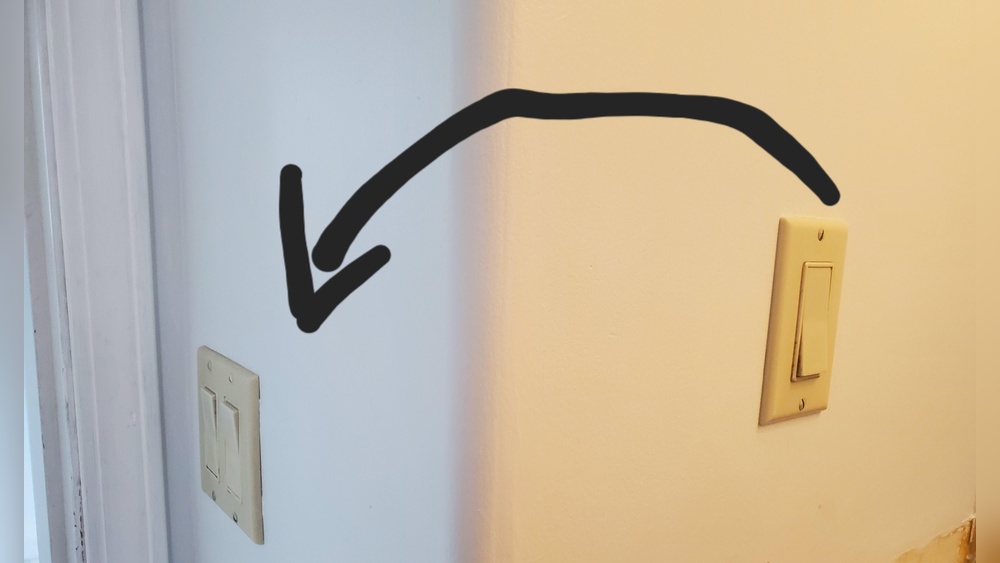
Most light switches are near door frames. Usually, they sit on the wall next to the door you enter. This spot lets you turn on the light as you walk in. Check both sides of the door frame. The switch might be high or low, but it stays close to the door.
Along Baseboards
Sometimes, switches hide along baseboards. This is common in older homes or rooms with special lighting. Look low on the walls near the floor. The switch can be a small button or a toggle type. It is easy to miss if you only check eye level.
Inside Closets
Closets often have switches inside. This allows quick light control when you open the door. Look on the wall near the closet entrance or inside the closet itself. Some closets have pull chains instead of switches. Check carefully for all types of light controls.
Check Unusual Spots
Sometimes light switches hide in places you don’t expect. These unusual spots can confuse anyone trying to find the switch quickly. Checking these areas can save time and frustration. Keep your eyes open and explore carefully.
Behind Furniture
Many rooms have switches hidden behind sofas, chairs, or tables. People place furniture in front of switches to keep them out of sight. Move furniture slightly to see if a switch is there. Gently touching the wall behind the furniture might reveal the switch.
Under Counter Edges
Switches can hide under kitchen counters or shelves. These spots keep the switch close but out of plain view. Look along the underside of counters or cabinets. Feel for small switches that turn on lights above or below.
Ceiling Or Floor Mounted Switches
Some switches sit near the ceiling or on the floor. Ceiling-mounted switches may control ceiling fans or high lights. Floor switches often appear near desks or beds for easy access. Check these places if wall switches seem missing.
Use Technology To Assist
Technology can help find the light switch quickly and safely. Simple tools and apps make the search easier. Using technology reduces guesswork and saves time.
Smartphone Flashlight Tricks
Almost everyone has a smartphone with a flashlight feature. Use it to brighten dark corners where switches hide. Shine the light slowly along walls and near door frames. The light helps spot switch plates or buttons. This trick works well in rooms without windows or at night.
Some phones let you adjust the flashlight brightness. Lower the brightness to avoid glare. This makes it easier to see details on walls. The flashlight is a handy tool for any home task. No extra equipment needed.
Circuit Tester Tools
Circuit testers detect electrical current behind walls. They can show if a switch is live or off. Hold the tester near the switch area. The tool will beep or light up if current flows. This confirms the correct switch without touching wires.
These tools are safe and easy to use for beginners. They help avoid wrong switches and electrical hazards. Circuit testers work well for older homes. They save time and improve safety when searching.

Credit: www.youtube.com
Inspect The Wiring Setup
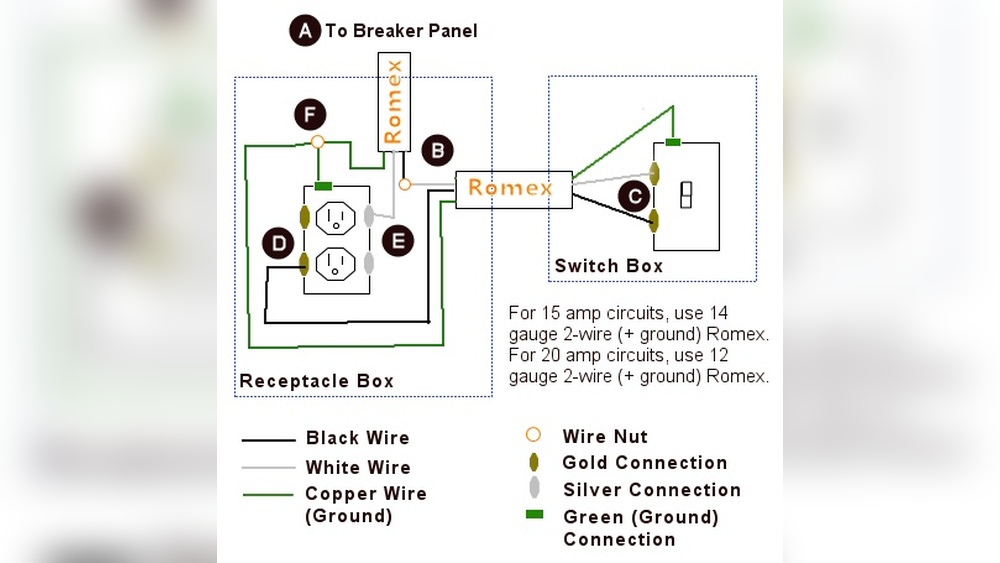
Inspecting the wiring setup is a key step to find the switch for a light. It helps you understand how the electrical system is arranged. This knowledge can guide you to locate the switch quickly and safely. Start by observing the cables and connections around the light fixture.
Follow The Cables
Begin by tracing the cables from the light fixture. Cables usually run inside walls or ceilings. Watch where the wires go and note any visible junction boxes. These boxes often hold connections and switches. The wires may lead to a nearby wall switch. Follow the cables carefully to avoid damage. This step reveals the path to the switch.
Look At The Fuse Box
Check the fuse box or circuit breaker panel next. The fuse box controls power to different areas of your home. Look for labels that might identify lighting circuits. These labels can hint at which switch controls the light. Sometimes, switches are connected through these circuits. Knowing the fuse box layout helps you understand the wiring setup better.
Ask Others For Tips
Asking others for tips can save time and effort when searching for a light switch. People familiar with the space often know exactly where switches are located. Their advice can guide you quickly to the right spot. Sharing this simple question can clear confusion and help you avoid frustration.
Family And Roommates
Start by asking family members or roommates. They use the space daily and know the light switch locations well. They can tell you if the switch is near the door or hidden in a corner. Sometimes, switches may be placed in unusual spots, and they can point this out. This quick tip can make your search much easier and faster.
Building Maintenance
Another good source is the building maintenance team. They understand the electrical setup of the entire building. Maintenance staff can explain where switches are installed and why. They might also share if the switch is part of a special system, like motion sensors. Asking them can provide detailed answers and save you from guessing.

Credit: www.dreamstime.com
Safety Precautions To Remember
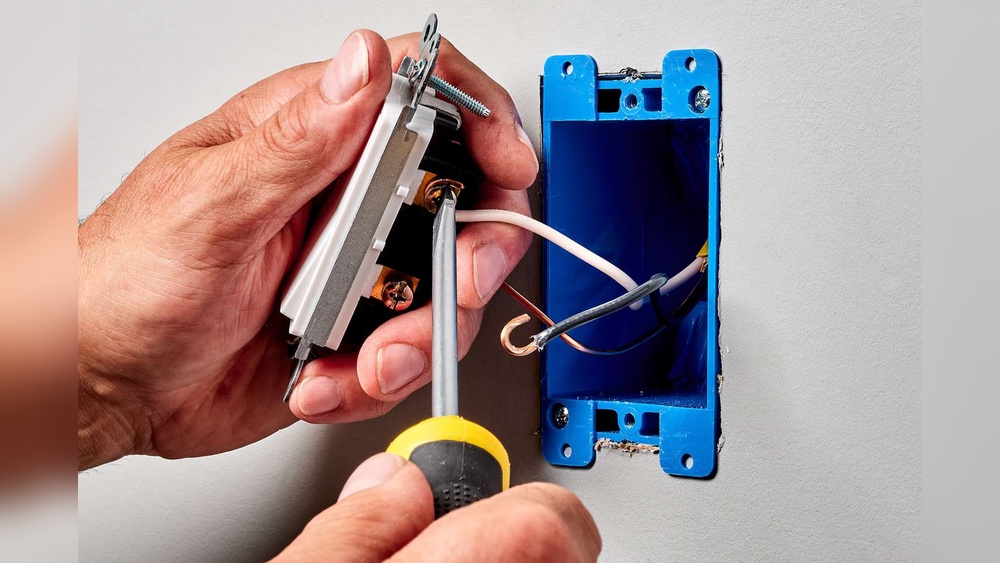
Safety is the top priority when finding or handling a light switch. Electric shocks can cause serious injury. Taking a few simple precautions protects you and your home. Always prepare carefully before touching any electrical parts.
Turn Off Power Before Handling
Switch off the power at the circuit breaker. This stops electricity from flowing to the switch. Double-check by flipping the light switch on and off. No light means the power is off. This step reduces the risk of electric shock.
Avoid Wet Hands
Wet hands can cause electricity to flow through your body. Always dry your hands fully before touching switches. Water increases the risk of shock. Keep the area dry and safe while working with electrical parts.
Use Insulated Tools
Use tools with insulated handles when working near wires. Insulation stops electricity from passing through the tool. This keeps you safe from shocks. Regular tools can conduct electricity and cause harm.
Frequently Asked Questions
Where Is The Light Switch Usually Located?
Light switches are typically near doorways, about 48 inches from the floor. They are often on the wall you enter from, making them easy to find.
How Can I Identify The Correct Switch For A Light?
Look for switches near the light fixture or entry point. Test switches one by one to find which controls the light.
What If The Light Switch Is Not On The Wall?
Some switches may be on lamps, remote controls, or smart devices. Check these alternatives if no wall switch is found.
Can Circuit Breakers Help Find A Light Switch?
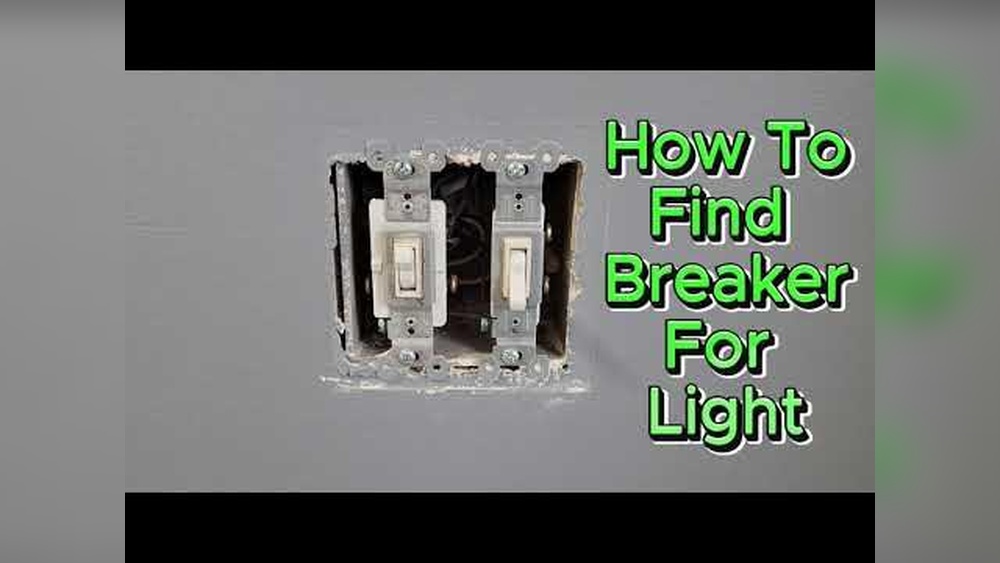
Yes, turning off circuit breakers can identify which switch controls the light. This is useful when switches are hidden or mislabeled.
Conclusion
Finding the switch for a light can be simple with these tips. Check near doorways first. Sometimes switches hide behind furniture or inside cabinets. Use a flashlight in dark rooms to spot switches. Remember, switches come in many styles and places.
Practice helps you spot them faster. Soon, finding any light switch will feel easy and natural. Keep these ideas in mind for your next room visit.