Are you looking to add a stylish touch to your space with a mirror but unsure how to hang it securely? Hanging a mirror wall hook might seem tricky, but with the right steps, you can do it easily and safely.
In this guide, you’ll discover simple tips that save you time, prevent damage to your walls, and ensure your mirror stays perfectly in place. Keep reading to learn how to hang your mirror wall hook like a pro—your walls will thank you!
Credit: www.homedepot.com
Choosing The Right Mirror
Choosing the right mirror is key for a perfect wall display. The right mirror adds style and function to any room. It should match your space, needs, and the hook you plan to use. Small details like size and weight matter a lot.
Types Of Mirrors
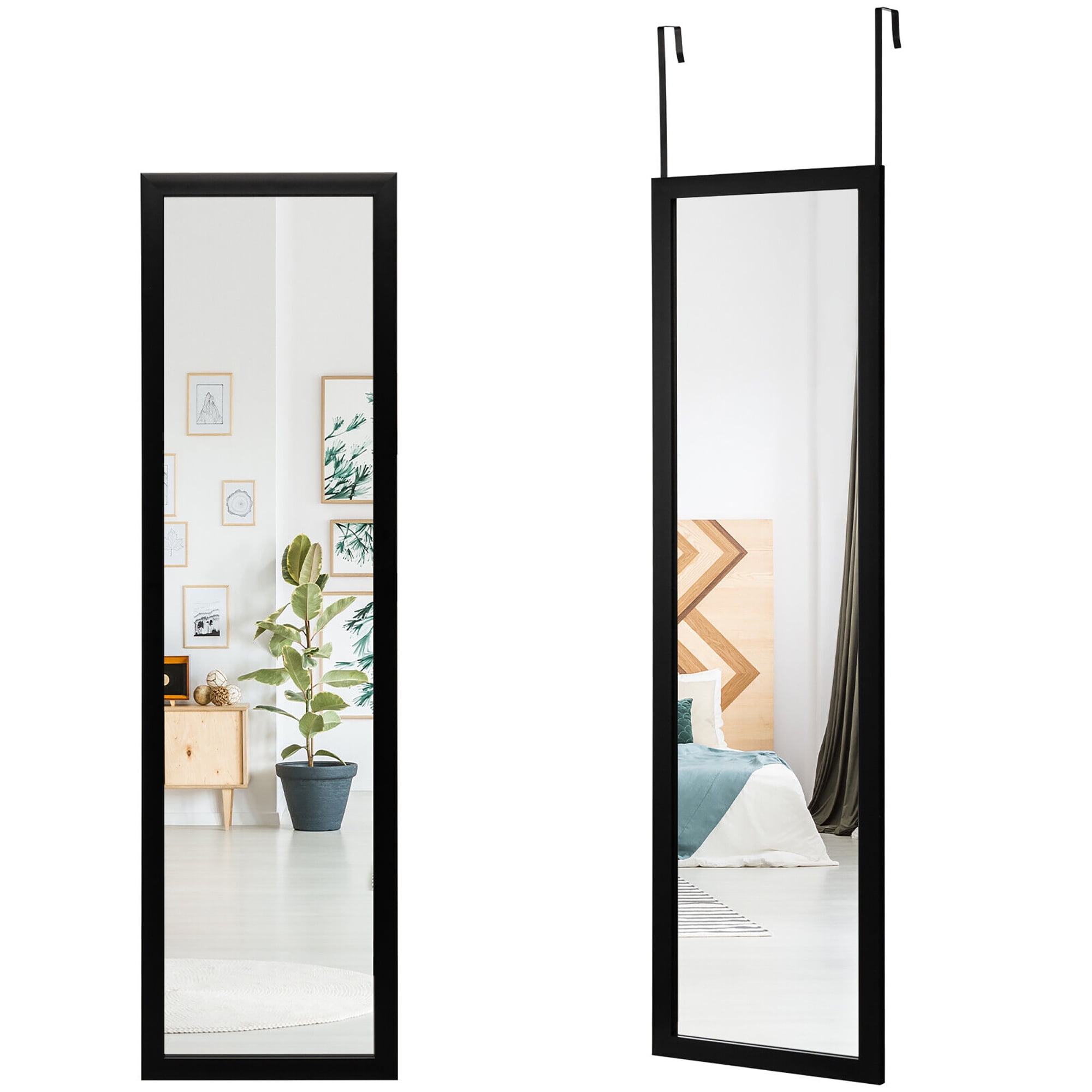
Mirrors come in many shapes and styles. Round mirrors offer a soft, modern look. Square or rectangular mirrors give a classic feel. Decorative mirrors with patterns or frames add personality. Some mirrors come with hooks or stands for easy hanging. Choose the style that fits your room’s look.
Size And Weight Considerations
Size affects where you can place the mirror. Large mirrors need strong wall hooks. Small mirrors are easier to hang anywhere. Weight is important for safety. Heavy mirrors require sturdy hooks and anchors. Check the mirror’s weight before buying hooks. Match the hook’s weight limit to the mirror’s weight. This keeps your mirror secure on the wall.
Credit: www.walmart.com
Selecting The Best Wall Hook
Selecting the best wall hook is key to hanging your mirror safely and stylishly. The right hook holds the mirror firmly and matches your room’s decor. Consider the hook’s style, material, and strength before buying. This helps avoid damage and keeps your mirror secure.
Choosing well also makes the installation easier and more reliable. Focus on hooks designed for mirrors and the weight they can support. This ensures your mirror stays put for years.
Hook Styles And Materials
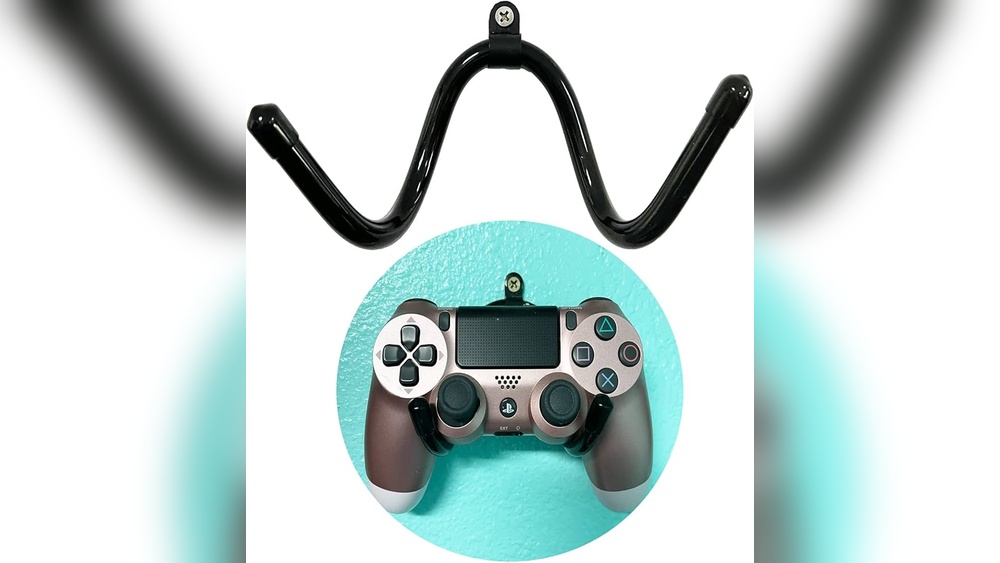
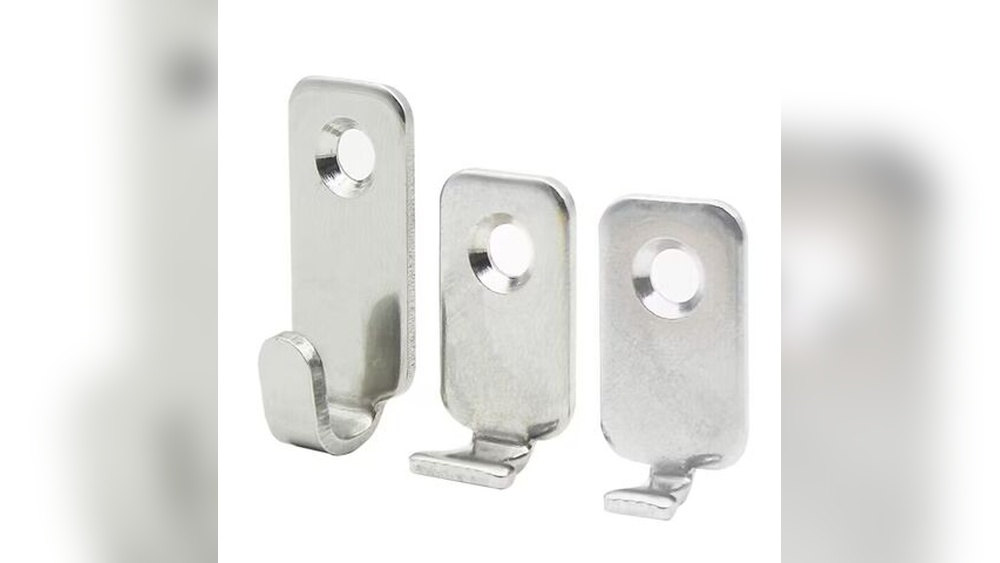
Wall hooks come in many shapes and sizes. Some hooks are simple, like basic nails or screws. Others have decorative designs that add charm to your wall.
Common materials include metal, plastic, and wood. Metal hooks are strong and last long. Plastic hooks suit light mirrors but may break under heavy weight. Wooden hooks offer a classic look but need good quality to hold weight well.
Choose a style that fits your room’s look and the mirror’s design. A sturdy metal hook often works best for heavier mirrors.
Weight Capacity And Durability
Every wall hook has a weight limit. Check the weight of your mirror before selecting a hook. Pick a hook that can hold more than your mirror’s weight.
Durability matters. Some hooks bend or break over time. Metal hooks usually resist wear and tear better. Avoid cheap hooks that may fail quickly.
Strong hooks keep your mirror safe and prevent accidents. Always choose a durable hook to protect your walls and mirror.
Tools And Materials Needed
Before hanging a mirror wall hook, gather the right tools and materials. This step makes the process smooth and safe. Having everything ready saves time and avoids mistakes. The tools help measure, mark, and fix the hook firmly on the wall.
Essential Tools
- Measuring tape – for accurate placement
- Level – to keep the hook straight
- Pencil – to mark drill spots
- Drill – to make holes in the wall
- Screwdriver – to tighten screws
- Hammer – for wall anchors if needed
Additional Supplies
- Wall anchors – for extra support on drywall
- Screws – to hold the hook in place
- Stud finder – to locate wall studs for stronger fixing
- Safety goggles – to protect your eyes while drilling
- Dust mask – to avoid breathing dust during drilling
Credit: diy.stackexchange.com
Finding The Perfect Spot
Finding the perfect spot for your mirror wall hook is key. The right place makes your mirror both useful and attractive. It changes the look of your room and helps with daily tasks.
Take your time to pick a spot that fits your needs and style. This section will help you choose the best wall area and consider important factors like lighting and height.
Assessing Wall Space
Start by checking the available wall space. Look for an area that is clear and big enough for your mirror. Avoid crowded spots with too many decorations.
Think about what you want to use the mirror for. A small mirror needs less space, but a big one needs a larger wall. Keep the space balanced with other items around it.
Considering Lighting And Height
Good lighting makes your mirror shine. Place it near natural light or a lamp. This helps you see yourself better and brightens the room.
Set the mirror at the right height. It should match your eye level for easy use. Too high or low makes it hard to see your reflection clearly.
Marking The Placement
Marking the placement of your mirror wall hook is a crucial step. It ensures the hook sits perfectly where you want it. This step helps avoid holes in the wall and keeps your mirror balanced.
Measuring For Accuracy
Start by measuring the spot where the mirror will hang. Use a tape measure to find the center of the mirror. Then, measure the height where the hook should be placed. Double-check these measurements for accuracy. Mark the spot lightly with a pencil on the wall. This mark guides the hook placement. Accurate measuring helps keep the mirror straight and secure.
Using A Level
Place a level on the pencil mark. Check if the bubble is centered. Adjust the mark until the level shows perfect balance. This step prevents the mirror from hanging crooked. A level ensures the hook and mirror align horizontally. It makes your wall look neat and tidy. A small effort here saves time later.
Installing The Wall Hook
Installing the wall hook for your mirror is the key step to keep it safe and stable. This process needs some care and the right tools. Follow the steps to make sure the hook holds the mirror securely on your wall.
Drilling And Anchoring
Start by marking the spot where the hook will go. Use a pencil to mark the exact point. Select a drill bit that matches the size of the wall anchor. Drill a hole at the marked spot, keeping the drill steady and straight.
Insert the wall anchor into the hole. Tap it gently with a hammer until it fits flush with the wall. Anchors provide strong support, especially in drywall or plaster walls. They prevent the hook from pulling out under the mirror’s weight.
Securing The Hook
Place the hook over the wall anchor. Use screws that came with the hook or ones that fit well. Screw them tightly into the anchor using a screwdriver or drill. Make sure the hook feels firm and does not wiggle.
Test the hook by giving it a gentle pull. It should hold steady without any movement. A properly secured hook will keep your mirror safe and level on the wall.
Hanging The Mirror
Hanging a mirror on a wall hook requires care and precision. The right steps ensure your mirror stays safe and looks great. This section guides you through the process of hanging your mirror securely.
Attaching Mirror To Hook
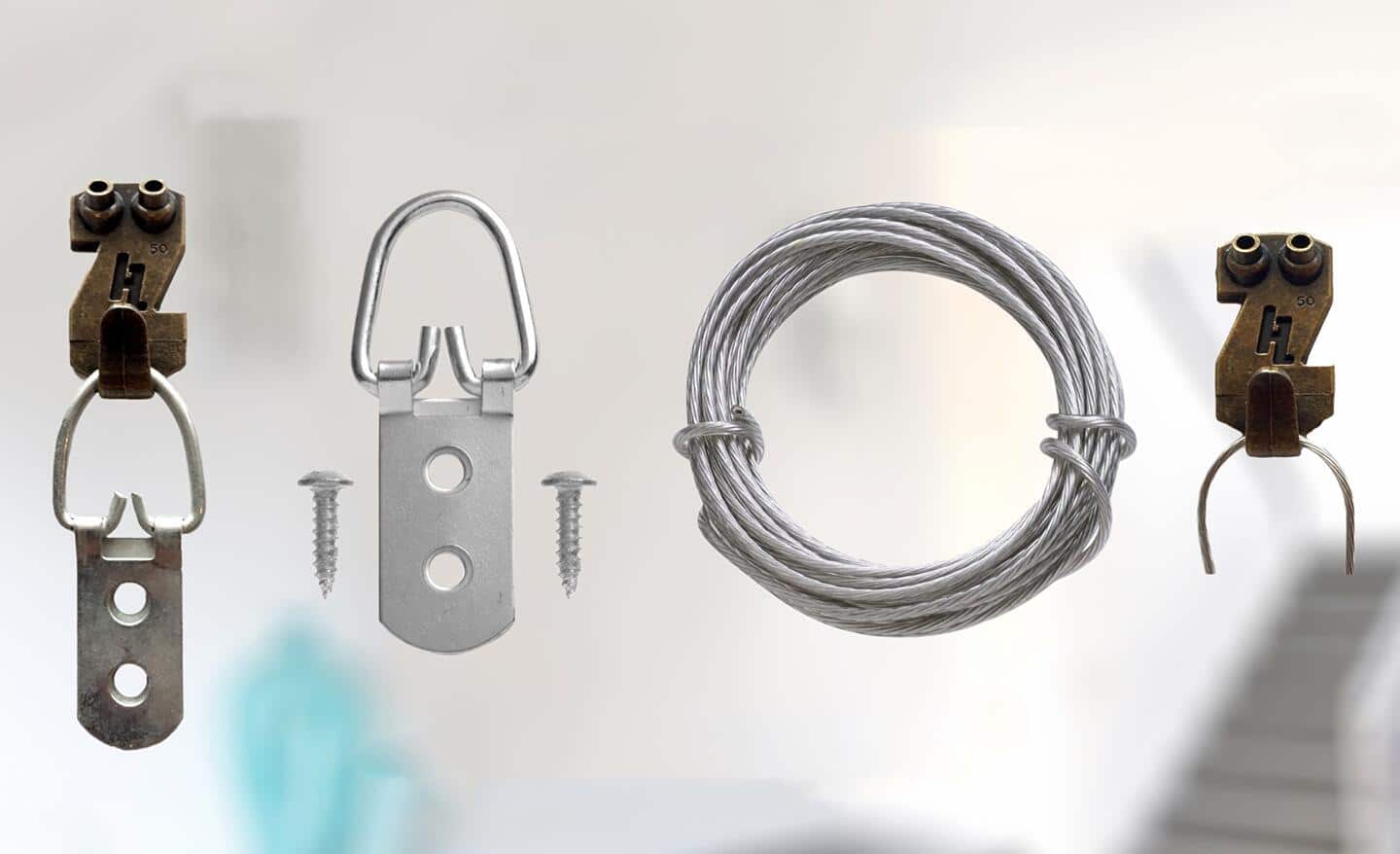
First, check the back of the mirror for hanging hardware. Use the hooks or wire already attached. If none, attach D-rings or a sturdy wire to the frame. Next, place the mirror’s wire or hooks onto the wall hook carefully. Make sure it fits well and holds the mirror firmly. Avoid forcing the mirror onto the hook to prevent damage.
Ensuring Stability
After hanging, test the mirror’s balance. Gently push it to see if it moves or slips. Adjust the mirror or hook if it feels loose. Use wall anchors if the hook does not hold well. Double-check the hook’s weight limit to match your mirror’s weight. A stable mirror stays safe and keeps your wall looking neat.
Safety Tips And Maintenance
Safety is important when hanging a mirror wall hook. Proper care keeps your mirror secure and your walls safe. Regular maintenance helps avoid accidents and damage. Follow simple tips to protect your mirror and hook.
Preventing Damage
Choose the right hook for your mirror’s weight. Use wall anchors for heavy mirrors. Avoid hanging on weak or damaged walls. Handle the mirror gently to prevent cracks. Keep the hook and mirror clean and dry. Moisture can weaken the hook and damage the wall.
Regular Checks
Inspect the hook and mirror often. Look for loose screws or nails. Tighten any parts that feel loose. Check the wall for cracks or holes. Replace worn or damaged hooks immediately. Early fixes prevent bigger problems later.
Frequently Asked Questions
How Do I Choose The Right Wall Hook For A Mirror?
Select a hook that supports your mirror’s weight and size. Use metal hooks for heavy mirrors and adhesive hooks for lighter ones. Ensure the hook type matches your wall surface for secure hanging.
What Tools Are Needed To Hang A Mirror Wall Hook?
You’ll need a drill, screws, wall anchors, a screwdriver, a level, and a measuring tape. These tools help ensure the hook is securely and accurately installed.
Can I Hang A Mirror On Drywall Without Studs?
Yes, use wall anchors or toggle bolts designed for drywall. These provide extra support, preventing the mirror from falling or damaging the wall.
How High Should I Place A Mirror Wall Hook?
Position the hook at eye level or slightly above for best viewing. Measure the mirror’s height and place the hook to balance aesthetics and functionality.
Conclusion
Hanging a mirror wall hook is simple with the right steps. Measure and mark the spot carefully for best results. Use proper tools to secure the hook firmly on the wall. Check the hook’s strength before hanging your mirror. This helps avoid damage or accidents later.
Taking your time makes the process easier and safer. Now, your mirror can hang neatly and add style to your space. Enjoy your well-hung mirror every day!