Have you ever tried to remove a hook from your wall, only to end up with ugly marks or peeling paint? It’s frustrating when a simple task turns into a messy repair job.
But what if you could take down those hooks without damaging your walls at all? You’ll discover easy, effective ways to safely remove hooks and keep your paint looking flawless. Keep reading, and you’ll learn the secrets to protecting your walls while making your space look fresh and neat.

Credit: www.reddit.com
Choose The Right Removal Method
Choosing the right method to remove hooks from your wall is important. The wrong way can damage paint or leave marks. Different hooks and wall types need different care. This guide helps you pick the best way to keep walls safe and paint fresh.
Assess Hook Type
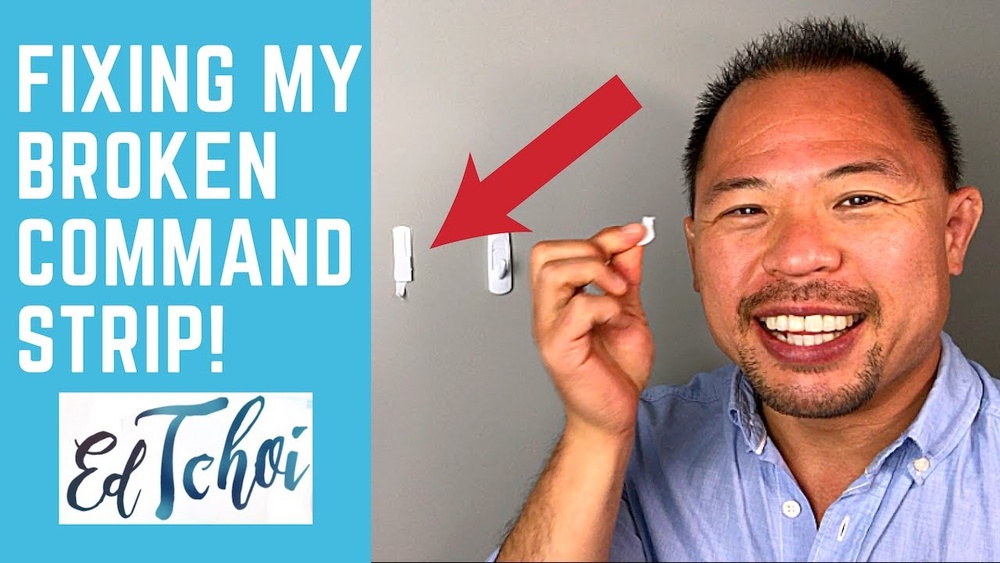
Look closely at the hook before removal. Is it a nail, adhesive hook, or screw? Nails and screws usually leave small holes. Adhesive hooks can peel paint if pulled too fast. Knowing the hook type helps choose a gentle removal method.
For nails, use pliers to pull them out slowly. Screws need a screwdriver turned carefully. Adhesive hooks might need heat to loosen the glue. Avoid pulling hard or fast to protect your wall’s surface.
Consider Wall Material
Wall materials vary. Drywall, plaster, and wood all react differently. Drywall is soft and can dent easily. Plaster is hard but can crack. Wood is strong but can scratch.
Use gentle methods on drywall. Slow, steady force works best. For plaster, avoid sudden pressure that can cause cracks. For wood, protect the surface with cloth when pulling hooks. Knowing your wall type saves paint and wall quality.
Credit: thehomesihavemade.com
Prepare The Area
Preparing the area before removing hooks is important. It keeps your walls safe and your space tidy. A clean, organized area helps you work carefully and avoid accidents. Take a few minutes to get ready. It makes the removal process easier and protects your paint.
Clear Surrounding Space
Remove any furniture or items near the hook. This prevents damage to your belongings. Clear space gives you room to move and work freely. It also stops dust or debris from settling on your things. Cover nearby surfaces with a cloth or plastic sheet for extra protection.
Gather Necessary Tools
Collect all tools before you start. Common tools include a flathead screwdriver, pliers, and a putty knife. You might also need a hairdryer or adhesive remover. Having tools ready saves time and avoids interruptions. Check each tool for proper condition to ensure safe use.
Remove Hooks Gently
Removing hooks from walls without harming the paint needs a gentle touch. Pulling too hard can peel paint or leave marks. Taking time and care helps keep walls smooth and clean. Here are easy ways to remove hooks gently.
Loosen With Heat
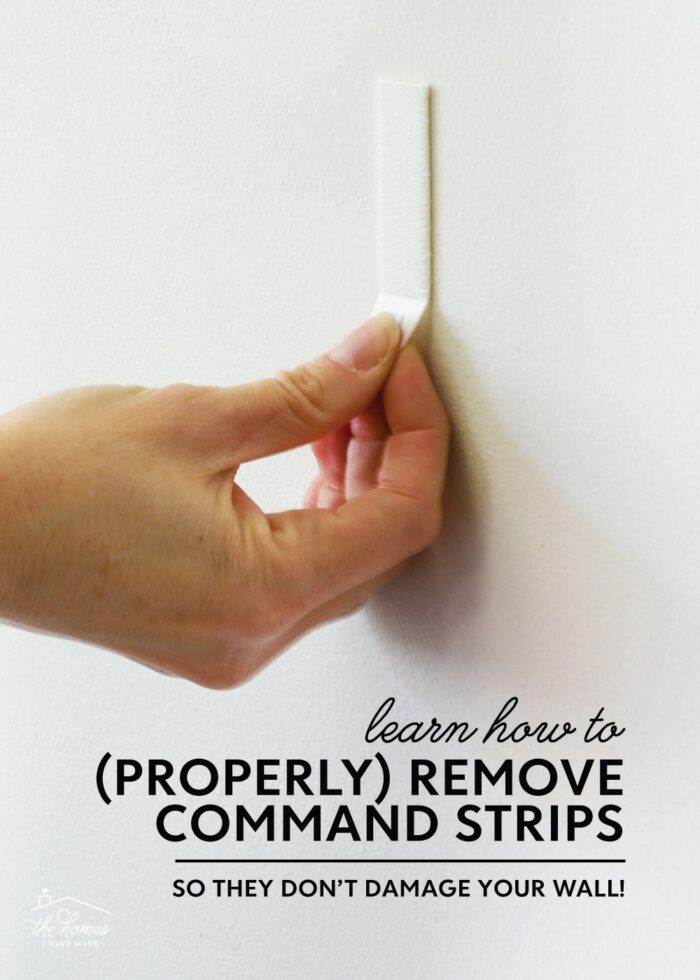
Warm the hook area with a hairdryer. Heat softens the adhesive or paint around the hook. Hold the dryer a few inches from the wall. Heat for about 30 seconds. This makes the hook easier to remove.
Use Dental Floss Or Fishing Line
Slide dental floss or fishing line behind the hook. Move it in a gentle sawing motion. This cuts through the adhesive without pulling paint. Work slowly to avoid damage. This trick works well for sticky hooks.
Unscrew Or Pull Carefully
If the hook has screws, turn them slowly. Use the right screwdriver size. For hooks that pull out, grip firmly but gently. Pull straight out without twisting. Stop if you feel resistance and try another method.
Fix Minor Paint Damage
Removing hooks from walls can sometimes leave small paint damages. Fixing these minor issues keeps your walls looking fresh. A few simple steps restore the paint quickly and easily. This section guides you through cleaning, painting, and smoothing out any imperfections.
Clean The Surface
Start by wiping the area with a damp cloth. Remove dust, dirt, and any loose paint flakes. Use mild soap and water if needed. Let the wall dry completely before moving to the next step.
Apply Touch-up Paint
Use the same paint color as your wall. Apply a small amount with a fine brush or sponge. Dab gently to cover scratches or holes. Avoid applying thick layers. Let the paint dry fully before adding more if needed.
Smooth Out Imperfections
After the paint dries, check for bumps or rough spots. Lightly sand the area with fine-grit sandpaper. Wipe away dust with a soft cloth. This step blends the repair with the rest of the wall. Your wall looks smooth and even again.
Prevent Future Damage
Preventing damage to your walls is key when using hooks. Small mistakes can leave marks or peel paint. Taking the right steps helps keep walls smooth and clean. Protect your paint and wall surface for a fresh look.
Use Removable Hooks
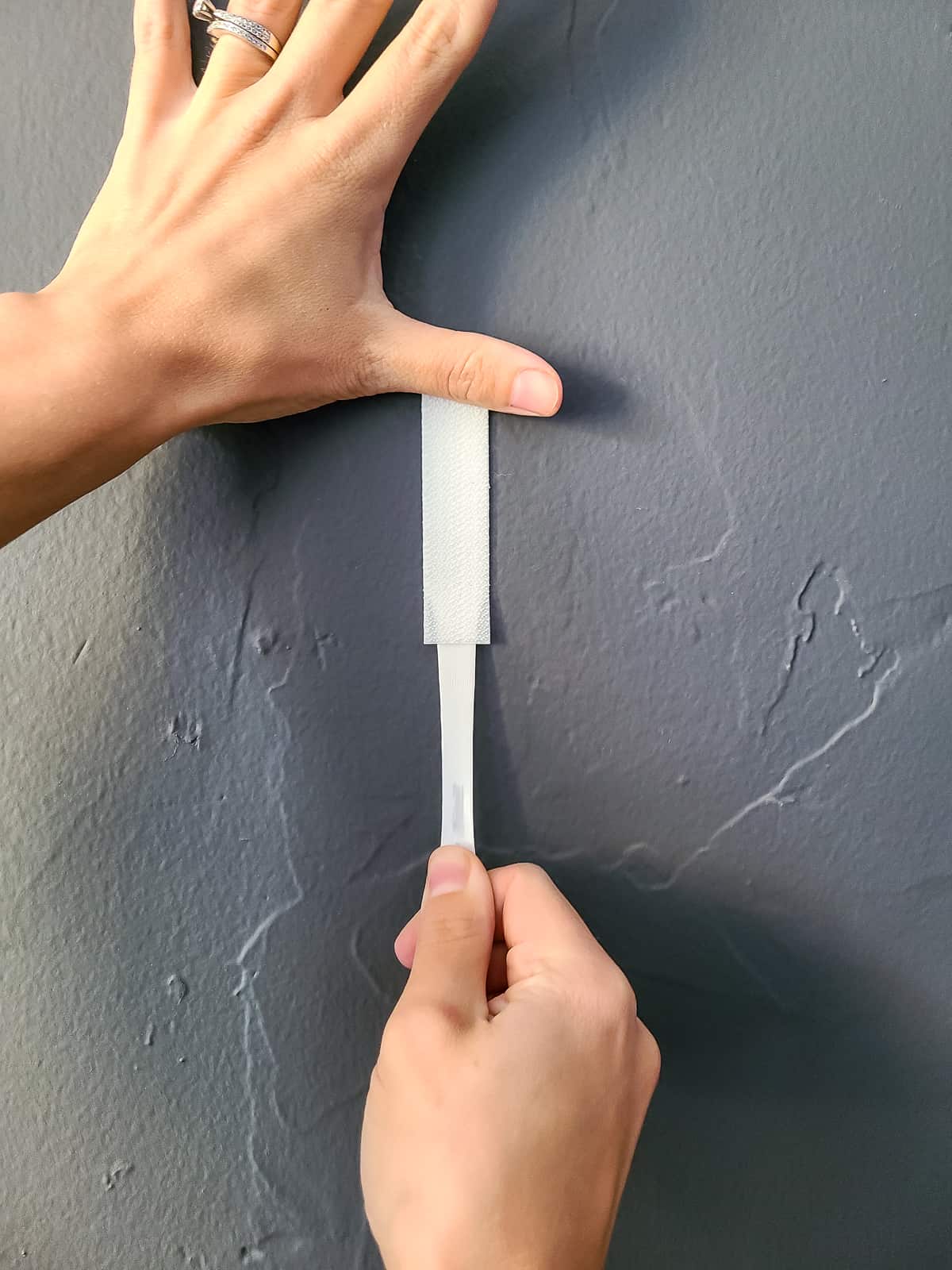
Choose hooks made to peel off easily. These hooks stick strong but come off without harming paint. They use special adhesive that does not leave residue. Ideal for renters or those who change decorations often. Test a small spot first to check wall safety.
Follow Proper Installation Tips
Clean the wall before placing hooks. Dirt or dust can stop hooks from sticking well. Press the hook firmly for full contact. Wait the recommended time before hanging items. Avoid heavy objects that exceed hook weight limits. Proper care keeps paint safe and hooks secure.
Credit: www.makingmanzanita.com
Frequently Asked Questions
How Do I Safely Remove Wall Hooks Without Peeling Paint?
To remove hooks safely, gently twist or pull them slowly. Use a hairdryer to soften adhesive if needed. Avoid forceful yanks to prevent paint damage. Removing hooks carefully preserves your wall’s finish and prevents costly repainting.
What Tools Help Remove Hooks Without Damaging Walls?
Use a hairdryer, dental floss, or fishing line to remove hooks. These tools help loosen adhesive or wire behind hooks gently. Avoid sharp objects that can scratch or chip paint. Proper tools ensure a smooth, damage-free removal process.
Can I Remove Adhesive Hooks Without Ruining Paint?
Yes, warm the adhesive with a hairdryer to soften it. Slowly peel the hook off at a low angle. If residue remains, use mild adhesive remover or rubbing alcohol carefully. This method prevents paint peeling and keeps walls intact.
How To Fix Minor Paint Damage After Hook Removal?
For small paint chips, use a matching touch-up paint. Apply with a fine brush or cotton swab. Let it dry completely before touching. This quick fix restores wall appearance without needing full repainting.
Conclusion
Removing hooks without harming paint takes patience and care. Use gentle tools and slow movements. Avoid pulling hard or rushing the process. Small holes can be fixed quickly with a bit of putty. Clean the wall softly to keep it smooth.
These steps help your wall stay beautiful and ready for new decor. Simple actions make a big difference. Try these tips next time you remove hooks. Your paint will thank you.