Are you planning to attach something important to a brick wall but unsure how to make it secure? Knowing how to anchor a wall to brick is key to keeping your fixtures strong and safe.
Whether it’s a heavy shelf, a TV mount, or a decorative piece, the right technique can save you time, money, and frustration. In this guide, you’ll discover simple, step-by-step tips that anyone can follow—no special skills needed. Ready to make your wall hold up perfectly?
Keep reading and get it right the first time.

Credit: www.amazon.com
Choosing The Right Anchors
Choosing the right anchors is key to a strong wall connection to brick. The correct anchors ensure safety and durability. Picking anchors depends on wall type, load, and material strength.
Types Of Wall Anchors
There are several anchor types for brick walls. Expansion anchors spread inside the brick as you tighten them. Sleeve anchors work well for hollow brick. Plastic anchors fit light loads and small holes. Masonry screws can be driven directly into the brick without pre-expansion.
Anchor Materials And Strength
Anchors come in steel, zinc, and plastic. Steel anchors offer the best strength and durability. Zinc anchors resist rust but are less strong. Plastic anchors are cheap and easy but hold less weight. Choose materials that match the environment and load requirements.
Matching Anchors To Wall Type
Solid brick walls need strong expansion or sleeve anchors. Hollow brick works better with sleeve or plastic anchors. Avoid using heavy anchors on weak or crumbly brick. Always check the brick condition before anchoring. Proper anchor type prevents damage and ensures firm hold.

Credit: www.researchgate.net
Preparing The Brick Wall
Preparing the brick wall is the first key step to anchor a wall securely. A well-prepared surface ensures strong attachment and lasting results. It prevents damage and keeps the wall stable over time.
Inspecting The Brick Surface
Check the brick wall for cracks or loose bricks. Look for damaged mortar between the bricks. Avoid anchoring on weak or crumbling areas. Solid bricks and firm mortar provide the best hold.
Test the surface by tapping lightly with a hammer. Listen for hollow sounds that show hollow or damaged spots. Mark any problem areas to avoid them during drilling.
Cleaning And Marking Drill Points
Clear dust, dirt, and loose material from the brick surface. Use a stiff brush or vacuum to clean well. A clean surface helps drill bits cut better and anchors hold stronger.
Measure and mark drill points carefully with a pencil or chalk. Use a level or square tool for straight lines. Accurate marks ensure proper alignment and fit of the anchored wall.
Safety Precautions
Wear safety glasses to protect your eyes from dust and debris. Use gloves to protect hands from sharp edges and rough bricks. Wear a dust mask to avoid breathing fine particles.
Secure your ladder or scaffolding if working at height. Keep the work area clear of obstacles. Take breaks to avoid fatigue, which can cause accidents.
Drilling Into Brick
Drilling into brick is a key step when anchoring a wall to brick. It creates a hole for the anchor to fit securely. Doing this properly keeps the brick strong and avoids cracks. The right tools and techniques help make clean, precise holes. Careful drilling extends the life of your wall and anchor.
Selecting The Drill Bit
Choose a masonry drill bit for brick. These bits have a special tip to cut through hard surfaces. The bit size should match the anchor size exactly. Too big or small can cause loose or weak anchors. Check the bit for sharpness. A dull bit wastes time and can damage brick.
Proper Drilling Techniques
Start drilling slowly to mark the spot. Then increase speed steadily without pushing too hard. Let the drill do the work. Hold the drill straight to avoid angled holes. Drill to the right depth. Use a piece of tape on the bit to measure depth. Remove dust from the hole regularly for a clean fit.
Avoiding Brick Damage
Do not drill near brick edges to prevent cracks. Use a low speed to control heat and pressure. Avoid hammer action on fragile or old bricks. Keep the drill steady and avoid sudden moves. Stop drilling if you feel resistance. Proper care keeps the brick intact and strong.
Installing Anchors
Installing anchors in brick walls creates a strong hold for mounting objects. The right anchor type depends on the weight and use of the item. Proper installation ensures safety and durability. Follow clear steps for each anchor type to get the best results.
Inserting Plastic And Sleeve Anchors
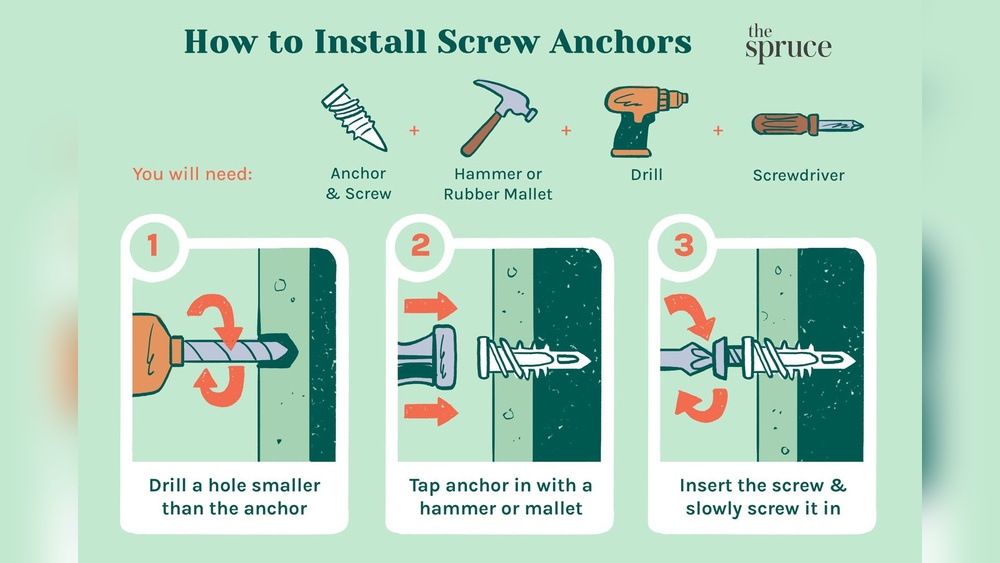
Plastic and sleeve anchors work well for light to medium loads. First, drill a hole that matches the anchor size. Clean out dust from the hole for better grip. Push the plastic anchor into the hole until it is flush with the wall. Insert the screw or bolt into the anchor and tighten gently. The plastic expands inside the hole, holding firmly.
Using Expansion Anchors
Expansion anchors fit tightly in larger holes. Drill the hole to the anchor’s size. Remove dust and debris from the hole. Tap the expansion anchor into place using a hammer. As you tighten the bolt, the anchor expands and grips the brick. This method offers strong support for heavier items.
Securing With Epoxy
Epoxy anchors provide a permanent, heavy-duty hold. Drill a hole deep enough for the anchor and epoxy. Clean the hole thoroughly to remove dust and loose debris. Mix the epoxy resin according to instructions. Fill the hole partially with epoxy, then insert the anchor. Allow the epoxy to cure fully before attaching any fixtures. This method is best for critical supports and heavy loads.
Attaching The Wall
Attaching a wall to brick requires careful steps to ensure strength and safety. This stage comes after drilling holes and placing anchors. Proper attachment means the wall will hold firm and last long.
Aligning Fixtures And Brackets
Start by placing brackets or fixtures on the brick surface. Make sure they line up with the holes you drilled. Use a level to keep them straight. Proper alignment prevents stress on fasteners later.
Tightening Fasteners Correctly
Insert screws or bolts into the anchors carefully. Tighten them slowly, checking that the bracket stays in place. Avoid overtightening, which can crack the brick or strip the anchor. Tighten just enough to hold firmly.
Checking For Stability
Once all fasteners are secure, gently shake the wall or fixture. It should not move or wiggle. If it does, check fasteners again and tighten as needed. Stability means the wall is safe and properly anchored.
Common Mistakes To Avoid
Anchoring a wall to brick requires care and the right steps. Many people make mistakes that weaken the hold or damage the wall. Avoiding common errors ensures a strong and safe anchor. Pay close attention to these key points.
Over-tightening Anchors
Too much force can crack the brick or strip the anchor. Tighten anchors just enough to hold the wall firmly. Stop once you feel resistance. Over-tightening reduces the anchor’s grip and can cause damage.
Ignoring Wall Condition
Old or damaged bricks may not hold anchors well. Check for cracks or loose bricks before starting. Anchoring into weak spots can cause failure. Fix or replace damaged areas for better support.
Using Incorrect Anchor Types
Different bricks need different anchors. Use anchors designed for brick walls only. Avoid anchors made for drywall or concrete. The wrong type will not hold properly and may fail quickly.
Maintenance And Inspection
Maintaining and inspecting a wall anchored to brick is key to its strength. Regular checks help find problems early. This prevents big repairs later. Proper care keeps the wall safe and long-lasting.
Regular Stability Checks
Check the wall’s stability every few months. Look for any movement or wobbling. Tap the wall lightly and listen for hollow sounds. These sounds can show loose anchors or damaged bricks. Mark any weak spots for repair.
Handling Loose Anchors
Loose anchors reduce wall strength. Tighten screws or bolts if possible. If anchors are damaged, remove and replace them. Use anchors made for brick walls only. Secure the new anchors firmly to avoid future loosening.
Repairing Damaged Brick
Cracked or broken bricks weaken the wall. Remove damaged bricks carefully. Replace them with matching bricks and mortar. Let the mortar dry completely before testing stability. Repairing bricks keeps the wall strong and safe.

Credit: www.mezzaninesonline.com
Frequently Asked Questions
How Do You Anchor A Wall To Brick Safely?
To anchor a wall to brick, use masonry anchors or expansion bolts. Drill holes in the brick, insert anchors, and secure the wall with screws. This ensures a strong and stable attachment without damaging the brick structure.
What Tools Are Needed For Anchoring Walls To Brick?
You need a hammer drill, masonry bits, anchors, screws, a level, and a screwdriver. These tools help drill precise holes and securely fasten the wall to the brick surface safely and effectively.
Can I Anchor A Wall To Brick Without Drilling?
Drilling is necessary for a secure wall anchor. Without drilling, adhesives or surface mounts are weak and unreliable. For safety and durability, always drill into the brick and use proper anchors.
Which Anchors Work Best For Brick Walls?
Expansion anchors and sleeve anchors work best for brick walls. They expand inside drilled holes, creating a strong grip. These anchors resist pull-out forces and provide reliable support for heavy wall attachments.
Conclusion
Anchoring a wall to brick takes careful steps and the right tools. Choose strong anchors and drill carefully for a secure hold. Check your work often to avoid mistakes. Taking your time helps the wall stay safe and steady. With practice, this task becomes easier and more confident.
Keep safety in mind and enjoy your sturdy, well-anchored wall. Simple steps lead to strong results every time.