Have you ever tried to hang something on your wall, only to worry if it will stay secure? Whether it’s a heavy shelf, a large mirror, or a piece of art you love, knowing how to anchor something to a wall the right way can save you time, frustration, and even damage.
In this guide, you’ll discover simple, step-by-step tips that anyone can follow to make sure your items stay firmly in place. Keep reading, and you’ll gain the confidence to tackle your next wall project like a pro.
Choosing The Right Anchor
Choosing the right anchor is important for a strong and safe hold. Not all anchors work well on every wall or for every item. The right choice depends on the wall type and the weight of what you want to hang. Picking the wrong anchor can cause damage or make things fall. Learn about different anchors to find the best fit for your project.
Types Of Wall Anchors
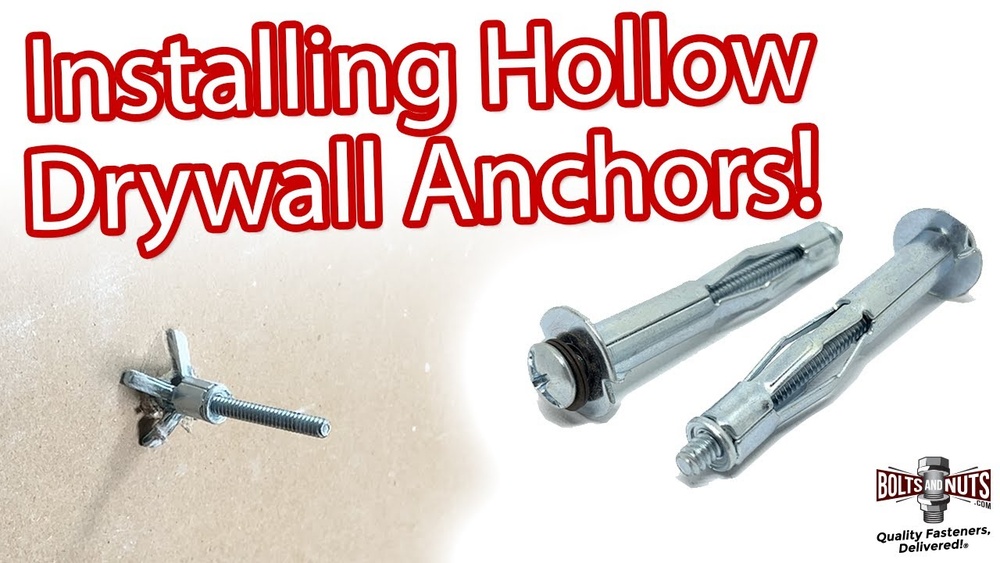
There are many types of wall anchors. Plastic expansion anchors are common and good for light loads. Toggle bolts work well for hollow walls and heavier items. Molly bolts expand behind the wall for a strong grip. Self-drilling anchors go straight into drywall without a pre-drill. Each type has its own use and strength.
Selecting Based On Wall Material
Wall material affects anchor choice. Drywall needs anchors that spread the load, like toggle bolts or molly bolts. Concrete or brick walls require masonry anchors or screws with plugs. Wood walls often use wood screws without anchors. Match the anchor to the wall for a secure hold and to avoid damage.
Weight Capacity Considerations
Check the weight limit of each anchor type. Light anchors hold small items like picture frames. Heavy anchors support shelves, mirrors, or TVs. Always use anchors rated for more weight than your item. This ensures safety and prevents falls. Do not guess the weight capacity; look for the label or instructions.

Credit: www.reddit.com
Tools And Materials Needed
Anchoring something to a wall requires the right tools and materials. Using proper equipment makes the job easier and safer. It also ensures your item stays firmly in place.
Prepare all necessary tools before starting. This saves time and avoids frustration. Understanding what you need helps the project go smoothly.
Essential Tools List
You will need a drill for making holes in the wall. A screwdriver is important for tightening screws. A tape measure helps to mark the exact spot. A level ensures your item hangs straight. Wall anchors and screws hold the item securely. A pencil is useful for marking points on the wall.
Safety Equipment
Safety glasses protect your eyes from dust and debris. Work gloves keep your hands safe from sharp edges. A dust mask prevents inhaling fine particles. Ear protection reduces noise from drilling. Always use safety gear to avoid accidents.
Preparing Your Workspace
Clear the area around the wall. Remove furniture and objects that may get in the way. Lay down a drop cloth to catch dust. Ensure good lighting to see your work clearly. Having an organized space helps you focus and work faster.
Preparing The Wall
Preparing the wall is a key step before anchoring anything. It helps ensure the anchor holds strong and stays safe. Taking time to get the wall ready makes the job easier and prevents damage. Follow these steps to prepare your wall properly.
Locating Studs And Marking Spots
Find wall studs first. Studs provide the best support for heavy items. Use a stud finder to locate them behind the drywall. Mark the spots clearly with a pencil. Marking helps guide where to drill or place anchors. Avoid guessing, as this can cause weak support.
Checking For Electrical Wires And Pipes
Check for wires and pipes inside the wall. Use a wire detector or pipe locator tool. Avoid drilling where wires or pipes run. This prevents accidents and costly repairs. Safety first. Mark safe drilling areas before starting work.
Cleaning The Surface
Clean the wall surface where the anchor will go. Remove dust, dirt, and grease with a damp cloth. A clean surface helps anchors stick better. Allow the wall to dry completely before drilling. This step improves the anchor’s hold and keeps things secure.
Credit: 2beesinapod.com
Drilling And Installing Anchors
Drilling and installing anchors is a key step in hanging items on a wall securely. This process helps hold screws firmly in place, especially in drywall or masonry. Proper drilling and anchor installation prevent damage and ensure stability.
Following the right steps makes the task easier and safer. It also helps the anchor work as it should. Below are simple instructions to guide you through drilling and installing anchors.
Choosing The Right Drill Bit
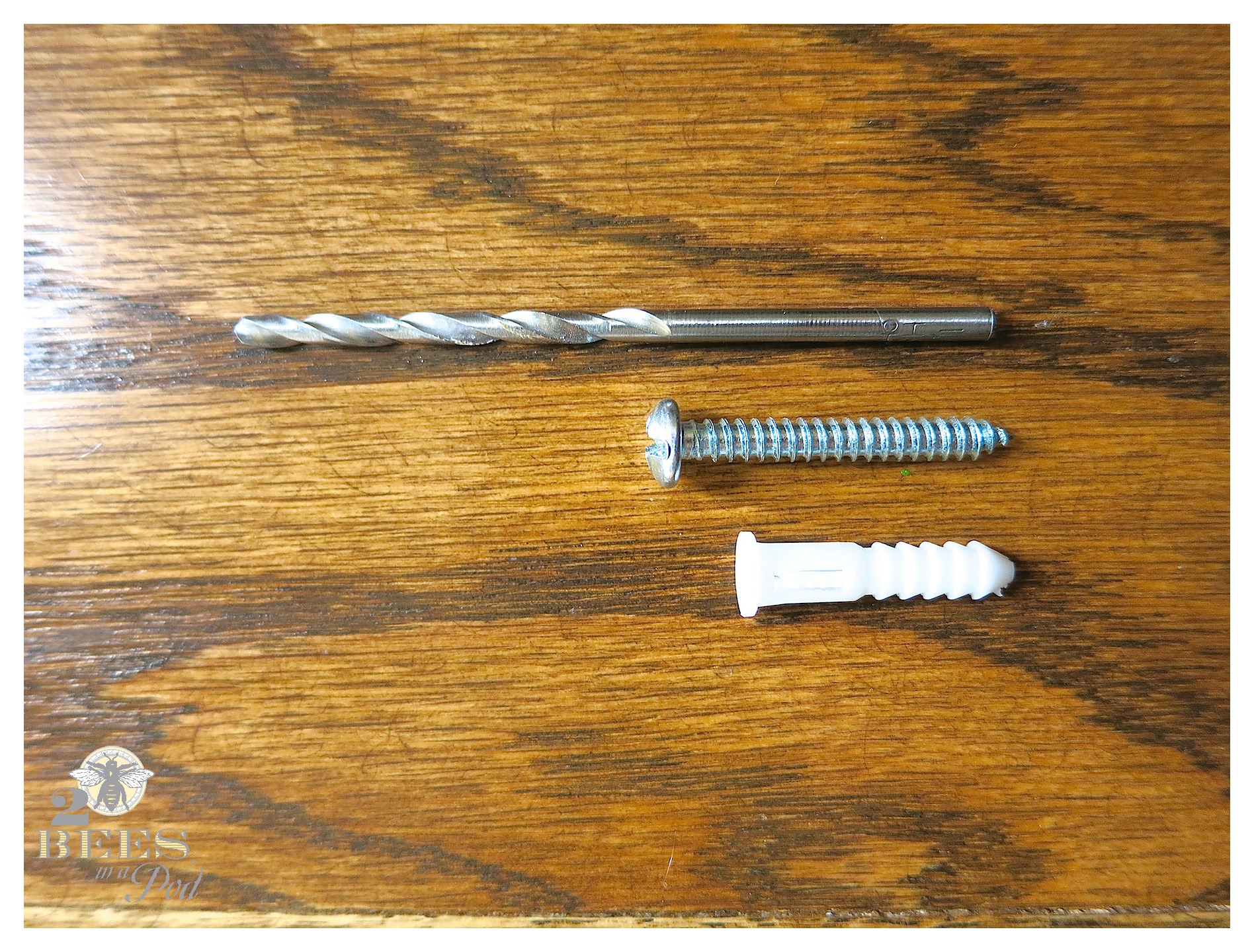
Choose a drill bit that matches the anchor size. The bit should be the same diameter as the anchor’s body. Using a bit too large or too small will weaken the hold. Check the anchor package for recommended drill bit size. For masonry walls, use a hammer drill with a masonry bit.
Drilling The Hole
Mark the spot on the wall where you want to drill. Hold the drill steady and start drilling slowly. Drill straight into the wall to avoid angled holes. Drill to the depth of the anchor length. Clear out dust from the hole with a brush or air blower before inserting the anchor.
Inserting Different Types Of Anchors
Plastic anchors need to be pushed into the hole until flush with the wall. Tap gently with a hammer if needed. Toggle anchors require folding the wings and pushing through the hole; they open behind the wall. Metal anchors, like molly bolts, expand when you tighten the screw. Choose the anchor type based on the wall material and item weight.
Attaching Items Securely
Attaching items securely to a wall is key for safety and durability. A solid hold prevents damage and accidents. It also keeps your items looking neat and stable. Using the right steps ensures strong support for your fixtures or decorations.
Aligning Fixtures
Start by marking the exact spot on the wall. Use a level tool to keep things straight. Measure twice before drilling any holes. Proper alignment makes your item look professional. It also helps the weight spread evenly on the wall.
Using Screws And Bolts Properly
Choose screws or bolts that fit the wall type and item weight. Use anchors for drywall or hollow walls. Drill pilot holes to avoid cracking the wall. Tighten screws firmly but do not over-tighten. This stops damage to both the wall and item.
Ensuring Stability And Safety
Check the fixture after installation for any movement. Test the strength by gently pulling on the item. Use additional supports if the item feels loose. Regularly inspect the attachment to avoid accidents. Safety always comes first with wall attachments.
:max_bytes(150000):strip_icc()/how-to-use-and-discard-anchor-screws-1822671-Final-ec8091ccf65241b1b1f888549f25003a.jpg)
Credit: www.thespruce.com
Troubleshooting Common Issues
Troubleshooting common issues is key to secure wall anchoring. Problems can happen during or after installation. Knowing how to fix these issues saves time and frustration.
Dealing With Loose Anchors
Loose anchors do not hold items firmly. They may spin or pull out easily. Remove the anchor carefully. Choose a larger size or a different type. Use wall plugs or toggle bolts for better grip. Tighten screws gently to avoid stripping the hole.
Fixing Wall Damage
Wall damage often occurs from repeated drilling or heavy loads. Fill small holes with spackle or wall filler. Sand the area smooth after drying. For larger damage, use a patch kit or drywall repair. Paint over the repair to match the wall color. Prevent damage by using the correct anchor and tools.
When To Use Alternative Fixing Methods
Some walls need special fixing methods. Plaster, brick, or concrete require different anchors. Use chemical anchors or heavy-duty screws for strong support. For thin walls, consider adhesive hooks or rails. Choose methods suited to wall type and weight of the item. This ensures safety and durability.
Frequently Asked Questions
What Tools Do I Need To Anchor Something To A Wall?
You need a drill, wall anchors, screws, a screwdriver, a level, and a pencil. These tools help secure objects safely and evenly on the wall.
How Do I Choose The Right Wall Anchor Type?
Select anchors based on wall material and weight of the object. Use plastic anchors for light loads and metal anchors for heavier items.
Can I Anchor Heavy Items On Drywall Safely?
Yes, use heavy-duty anchors or toggle bolts for drywall. Ensure anchors are rated for the item’s weight to avoid damage or accidents.
How Deep Should I Drill Holes For Wall Anchors?
Drill holes slightly deeper than the anchor length. This ensures the anchor fits fully and holds firmly in the wall.
Conclusion
Anchoring something to a wall is simple with the right steps. Choose the right anchor for your wall type. Use tools carefully and follow safety tips. Take your time to measure and mark spots well. Secure your item firmly to avoid accidents.
With practice, this task becomes quick and easy. Keep your space organized and tools ready for next time. Small efforts bring strong results. Try it today and feel confident in your skills.