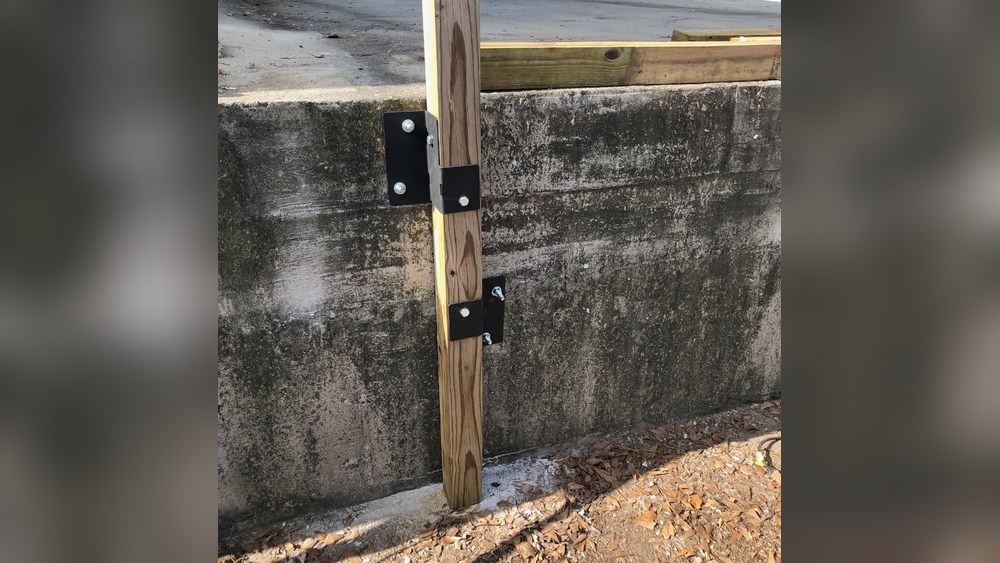
Are you wondering if your duct work needs to be fastened on your roof? It’s a question many homeowners and builders ask but don’t always get a clear answer to.
Properly securing duct work can affect your home’s energy efficiency, safety, and even the lifespan of your HVAC system. You’ll discover why fastening your duct work on the roof matters, the risks of leaving it loose, and simple tips to ensure it’s done right.
Keep reading to protect your investment and avoid costly repairs down the line.
Why Fastening Duct Work Matters
Fastening duct work on the roof is not just a step in installation. It plays a key role in the safety, performance, and legal aspects of the building. Proper fastening keeps ducts stable and secure. This prevents damage and keeps the system working well.
Safety Concerns
Loose ducts can fall, causing injury or damage. Strong winds or storms can move unfixed duct work. This creates hazards for people and property below. Fastening ducts tightly reduces these risks. It keeps the ducts in place during harsh weather.
Performance Impact
Well-fastened ducts maintain airflow without leaks. Moving ducts can cause air gaps or cracks. This lowers heating and cooling efficiency. Secure ducts help the system work better. It saves energy and reduces utility bills.
Building Code Requirements
Many building codes require ducts to be fastened properly. These rules ensure safety and quality. Inspectors check for secure duct work on roofs. Following codes avoids fines and repair costs. Proper fastening meets legal standards and protects your investment.

Credit: www.linearslotdiffusers.com
Types Of Roof Duct Work Installations
Roof duct work comes in several types. Each type fits different building needs and roof styles. Choosing the right installation helps keep air flowing well. It also protects the duct from weather damage. Understanding these types helps you decide the best method for your roof.
Exposed Ducts
Exposed ducts are visible on the roof surface. They are easy to install and access for repairs. These ducts often use metal and have a protective coating. They can handle outdoor conditions but may affect roof appearance. Exposed ducts need strong fastening to stay secure.
Concealed Ducts
Concealed ducts are hidden under roof materials or inside structures. They offer a cleaner look and protect ducts from sun and rain. Installation is more complex and may cost more. Concealed ducts require careful sealing to avoid leaks. They last longer without weather damage.
Flexible Vs Rigid Ducts
Flexible ducts bend easily and fit tight spaces. They are lighter and quicker to install. Rigid ducts keep their shape and resist damage better. They provide steady airflow with less resistance. Both types need proper fastening and insulation on roofs.
Common Fastening Methods
Fastening duct work on a roof is important for safety and durability. Proper methods keep ducts secure during strong winds and weather changes. Several common ways exist to attach ducts firmly to roof surfaces. Each method suits different roof types and duct materials.
Mechanical Fasteners
Mechanical fasteners include screws, bolts, and rivets. These hold ducts tightly to roof panels or supports. They provide strong, reliable connections that resist movement. Fasteners must be rust-resistant to last long outside. Drilling holes for fasteners needs care to avoid leaks.
Straps And Brackets
Straps and brackets wrap around ducts to hold them in place. They attach to roof beams or walls for stability. Metal straps and brackets offer solid support and flexibility. Adjustable straps fit different duct sizes and shapes. This method helps prevent sagging or shifting over time.
Adhesives And Sealants
Adhesives and sealants bond ducts to roof surfaces without hardware. They create tight seals to block air leaks and water entry. Many sealants are waterproof and weather-resistant. Use adhesives designed for metal or roofing materials. This method works well for lightweight ducts and smooth surfaces.
When Fastening Is Required
Fastening ductwork on the roof is not always necessary. Certain situations require secure attachment. These rules help keep ducts safe and stable.
Proper fastening prevents damage and maintains system efficiency. Understanding when to fasten ductwork is important for safety and performance.
Wind Load Considerations
Roofs face strong wind forces. Wind can lift or move loose ducts. Fastening stops ducts from shifting or falling during storms. Areas with high wind need extra care. Secure attachments reduce risks of damage.
Weight And Support Needs
Heavy ductwork needs strong support. Fastening helps hold weight safely. Large ducts or long runs require multiple anchors. Proper support prevents sagging and leaks. Fastening keeps ducts stable over time.
Local Regulations And Standards
Building codes often require fastening ductwork. Rules vary by location and roof type. Inspect local standards before installation. Following codes ensures legal compliance and safety. Professionals usually check these requirements.
Risks Of Unfastened Duct Work
Unfastened duct work on the roof can cause many problems. It may seem like a small issue, but the risks are real. Loose ducts can affect your home’s comfort, safety, and your wallet. Understanding these risks helps you see why proper fastening is important.
Airflow Disruptions
Ducts that are not fastened properly can move or sag. This movement blocks or reduces airflow. Poor airflow makes heating or cooling less effective. Rooms might feel too hot or too cold. This forces your system to work harder, wasting energy.
Structural Damage
Unsecured ducts can shift during strong winds or storms. This movement can damage the roof or the duct itself. Water may leak inside, causing mold or rot. Over time, this weakens the roof structure. Repairs can be costly and time-consuming.
Increased Maintenance Costs
Loose duct work needs frequent repairs or adjustments. This adds up to higher maintenance bills. Your HVAC system may also wear out faster. Replacing parts or the entire system costs more money. Regular fastening prevents these extra expenses.
Best Practices For Securing Ducts On Roof
Securing ducts on a roof is important for safety and performance. Proper fastening keeps the ducts stable against wind and weather. It also prevents leaks and damage. Follow best practices to ensure ducts stay in place and last longer. This section covers key points for fastening ducts correctly.
Proper Fastening Spacing
Fasteners must be spaced evenly along the duct. This prevents sagging and movement during storms. Usually, fasteners go every 4 to 6 feet. Closer spacing is needed for larger ducts. Follow local building codes for exact spacing rules. Tight spacing increases duct stability and reduces noise.
Material Selection
Use corrosion-resistant fasteners for roof ducts. Stainless steel or galvanized screws work well. Choose fasteners that match the duct material. This avoids rust and damage over time. Good materials increase duct life and keep connections strong. Avoid cheap fasteners that may fail quickly.
Inspection And Maintenance Tips
Check roof ducts regularly for loose fasteners or damage. Tighten any loose screws right away. Look for rust or wear on fasteners. Replace old or broken fasteners quickly. Regular maintenance prevents leaks and costly repairs. Keep ducts secure through every season with simple checks.
Professional Installation Vs Diy
Choosing between professional installation and DIY for roof duct work is important. The right choice affects safety, performance, and cost. Understanding key differences helps make a smart decision. Below are important points to consider.
Skills Required
Professional installers have training in HVAC systems and roofing. They know how to secure ducts safely and follow building codes. DIY projects need basic skills but may miss important details. Mistakes can cause leaks or damage. Professionals reduce risks with their expertise.
Tools And Equipment
Installing duct work on a roof needs special tools. Professionals use drills, fasteners, sealants, and safety gear. They have access to high-quality equipment. DIY may require buying or renting tools. Using wrong tools can harm the roof or ducts.
Cost Implications
DIY saves money on labor but may cost more in repairs. Professionals charge for service but ensure long-lasting work. Poor installation can increase energy bills and repair expenses. Investing in a pro often prevents hidden costs later.
Credit: basc.pnnl.gov
Credit: rfoil.com
Frequently Asked Questions
Does Duct Work Need To Be Fastened On The Roof?
Yes, duct work must be securely fastened on the roof. Proper fastening prevents movement, damage, and air leaks. It also ensures safety during strong winds and adverse weather conditions.
What Materials Are Used To Fasten Duct Work On Roofs?
Common materials for fastening duct work include metal straps, brackets, and screws. These provide strong support and resist corrosion. Choosing the right materials ensures durability and long-lasting installation.
Can Unsecured Duct Work Cause Roof Damage?
Unsecured duct work can shift and damage roofing materials. It may lead to leaks, structural issues, and costly repairs. Fastening duct work properly protects both the ducts and the roof integrity.
How Often Should Roof Duct Work Fasteners Be Inspected?
Inspect roof duct work fasteners at least once a year. Regular inspections catch loose or damaged fasteners early. Timely maintenance extends duct lifespan and prevents air system inefficiencies.
Conclusion
Properly fastening duct work on a roof ensures safety and efficiency. It prevents damage from wind and weather. Secure ducts also stop air leaks and save energy. Roof fastening keeps the system stable and long-lasting. Always follow local building codes for best results.
Good installation means fewer repairs and better air flow. Remember, a strong hold on the roof protects your entire HVAC system. It is a simple step that makes a big difference.