Are you ready to hang something heavy on your wall but worried it might not hold? Knowing how to hang anchors in your wall the right way can save you from damage and frustration.
Whether it’s a shelf, a mirror, or a piece of art, using anchors gives your wall the strength it needs. In this guide, you’ll discover simple steps and insider tips that make the process easy and reliable. Keep reading, and you’ll gain the confidence to hang anything securely, without guesswork or costly mistakes.
Choosing The Right Anchor
Choosing the right anchor for your wall is very important. It helps hold things safely and stops damage. Each wall and item needs a different anchor. Using the wrong type can cause holes or falling objects.
Types Of Wall Anchors
There are several types of wall anchors. Plastic expansion anchors are good for light items. They expand when screws go in and hold tight. Metal anchors work well for medium weight. They spread inside the wall for more grip. Toggle bolts are strong and good for heavy objects. They have wings that open behind the wall.
Matching Anchors To Wall Material
Wall materials vary. Drywall, plaster, brick, and concrete need different anchors. Plastic anchors suit drywall but not brick. Masonry anchors fit brick and concrete walls. For plaster, metal anchors or toggle bolts work best. Check the wall type before choosing an anchor.
Weight Capacity Considerations
Every anchor has a weight limit. Light anchors hold small frames or decorations. Medium anchors support shelves or mirrors. Heavy-duty anchors carry TVs or cabinets. Always check the weight of your item. Pick an anchor with a higher weight rating than needed. This keeps your items safe and secure.

Credit: www.howtogeek.com
Tools And Materials Needed
Hanging anchors in a wall requires specific tools and materials for success. Having the right items makes the job easier and safer. Prepare everything before starting your project to avoid delays or mistakes.
Essential Tools
Start with a drill to create holes in the wall. Choose a drill bit size that matches your anchor. A screwdriver helps tighten screws securely. A hammer may be needed for certain anchor types. A tape measure ensures accurate placement. A pencil marks the spots for drilling.
Safety Gear
Protect your eyes with safety glasses to stop dust and debris. Wear gloves to guard your hands from sharp edges. A dust mask helps prevent inhaling particles. Use ear protection if using loud power tools. Safety gear keeps you safe and comfortable during work.
Anchor Supplies
Pick the correct anchors for your wall type. Plastic anchors work well in drywall. Metal anchors provide extra strength for heavy items. Use screws that fit the anchors perfectly. Have extra anchors and screws in case of mistakes. Proper supplies ensure the anchor holds firmly.
Preparing The Wall
Preparing the wall is the first step to hang anchors safely and securely. A well-prepared wall helps the anchors hold better and prevents damage. Taking time to prepare makes the project smoother and ensures strong support for your items.
Locating Studs And Marking Spots
Find the studs behind the wall using a stud finder or tapping method. Studs provide stronger support than drywall alone. Mark the spots where you want to place the anchors. Use a pencil to make small marks for drilling.
Cleaning The Surface
Clean the wall area where you will drill. Remove dust, dirt, and grease with a damp cloth. A clean surface helps the anchors stick well and keeps the drill bit from slipping. Let the wall dry completely before drilling.
Drilling Pilot Holes
Drill small pilot holes at the marked spots. Use a drill bit smaller than the anchor size. Pilot holes guide the anchor and reduce wall damage. Drill straight and steady for best results. Stop drilling if you hit a stud or a pipe.

Credit: www.youtube.com
Installing Different Anchors
Installing wall anchors correctly ensures strong support for your items. Different anchors work best for different wall types and weights. Knowing how to install each type helps avoid damage and keeps your items safe.
Here are common wall anchors and how to install them properly.
Plastic Expansion Anchors
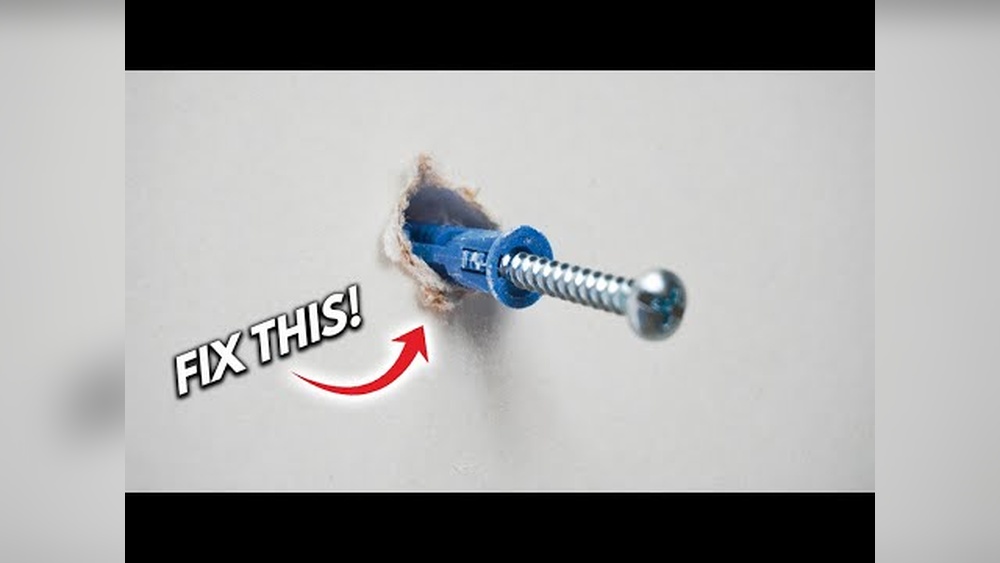
Plastic expansion anchors fit well in drywall or plaster. Start by drilling a hole slightly smaller than the anchor. Push the anchor into the hole until it is flush with the wall. Insert the screw, which causes the anchor to expand and hold tight inside the wall.
Toggle Bolts
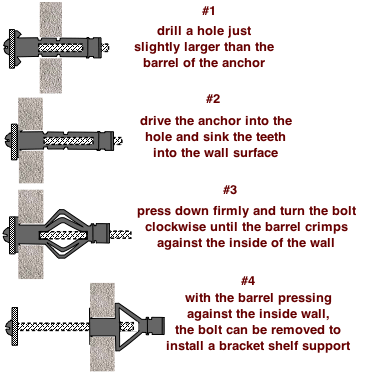
Toggle bolts are strong and work in hollow walls. Drill a hole large enough for the folded toggle. Insert the bolt with the toggle folded against the bolt. Push it through the hole. The toggle will open inside the wall. Tighten the bolt to secure the anchor firmly.
Molly Bolts
Molly bolts provide good support in drywall. Drill a hole matching the bolt size. Insert the molly bolt and tap it lightly with a hammer. Tighten the screw to expand the sleeve inside the wall. This expansion locks the bolt in place securely.
Self-drilling Anchors
Self-drilling anchors are easy to use without pre-drilling. Screw the anchor directly into drywall using a screwdriver. Once fully inserted, place the screw into the anchor. These anchors expand as the screw goes in, creating a strong hold.
Testing Anchor Strength
Testing anchor strength is important for safety and stability. It ensures that the anchor can hold the weight without slipping or falling. Checking the anchor after installation helps avoid damage to the wall and whatever you hang.
Simple tests reveal if the anchor is secure enough. These tests also show if adjustments are needed. Follow these steps to test your wall anchors effectively.
Applying Load Gradually
Start by adding weight slowly to the anchor. Avoid putting full weight all at once. This gentle approach helps you see how well the anchor holds. Use objects with known weight or a scale to control the load.
Watch the anchor closely as weight increases. Stop adding weight if you notice any movement. Gradual loading reduces the risk of sudden anchor failure.
Checking For Movement
After applying weight, observe the anchor for any shifts. Lightly shake or wiggle the item hanging on the anchor. Even small movements can indicate a weak hold.
Look for cracks or loose parts around the anchor. These signs mean the anchor may fail under heavier loads. Good anchors stay firm and stable under pressure.
Troubleshooting Loose Anchors
If the anchor moves or feels loose, remove it carefully. Check if the hole is too big or damaged. Use a larger or different type of anchor for better grip.
Consider filling the hole with wall repair compound before re-installing. This can help the anchor hold tighter. Repeat the load test after fixing the anchor to ensure safety.
Credit: www.do-it-yourself-help.com
Tips For Long-lasting Support
Ensuring wall anchors hold for a long time requires smart care and correct use. This section offers simple tips to keep your anchors strong and safe. Follow these steps to avoid damage and maintain solid support.
Avoiding Overloading
Every wall anchor has a weight limit. Do not hang items heavier than the anchor can handle. Heavy loads cause the anchor to pull out or break. Use anchors designed for the weight you plan to hang. Spread out heavy items across multiple anchors. This reduces stress on each anchor.
Regular Inspection
Check your anchors often. Look for signs of looseness or damage. Small cracks or movement may mean the anchor is weak. Tighten loose screws carefully. Replace any anchors that look worn out. Regular checks help catch problems before items fall.
Proper Removal Techniques
Remove anchors gently to avoid wall damage. Unscrew or pull anchors slowly and straight out. Do not force or twist too hard. Use the right tools like pliers or a screwdriver. Fill holes with spackle or putty after removal. This keeps your wall smooth and ready for new anchors.
Frequently Asked Questions
What Types Of Wall Anchors Are Best For Drywall?
Plastic expansion anchors are ideal for drywall. They provide good support for light to medium loads. For heavier items, use toggle bolts or molly bolts. These anchors expand behind the wall for added strength and stability.
How Do You Install A Wall Anchor Correctly?
First, drill a pilot hole matching the anchor size. Insert the anchor into the hole gently. Tap it flush with the wall surface. Finally, screw your fixture into the anchor to secure it properly.
Can Wall Anchors Support Heavy Items Safely?
Yes, certain anchors like toggle bolts support heavy loads. Always check the anchor’s weight rating before use. Proper installation is key to safety and stability when hanging heavy objects.
What Tools Are Needed To Hang Anchors In Walls?
You need a drill, appropriate drill bits, a screwdriver, and a hammer. These tools help create holes, insert anchors, and fasten screws securely.
Conclusion
Hanging anchors in walls can be easy with the right steps. Choose the correct anchor for your wall type. Drill a hole carefully and insert the anchor firmly. Tighten screws just enough to hold your item securely. This simple process helps your shelves or pictures stay safe.
Practice these steps to gain confidence. Soon, hanging things on your wall will feel natural and stress-free. Keep these tips in mind for your next project.