Are you ready to boost your home’s security with a new deadbolt but unsure how to start? Cutting out the perfect hole for your deadbolt might sound tricky, but with the right steps, you can do it yourself and save time and money.
Imagine having the confidence to handle this task on your own, knowing your door is stronger and safer. In this guide, you’ll discover simple, clear instructions that make the process easy—even if you’ve never done it before. Keep reading, and you’ll be unlocking the secret to a secure door in no time.
Tools And Materials Needed
Cutting out a hole for a deadbolt requires specific tools and materials. Using the right items ensures a clean, safe installation. This section lists everything needed to start the job confidently.
Drill And Drill Bits
A power drill is essential for making precise holes. Choose drill bits sized for the deadbolt hardware. A hole saw bit works well for the main hole.
Chisel And Hammer
A sharp chisel helps shape the hole edges smoothly. Use a hammer to tap the chisel gently. This creates clean recesses for the lock parts.
Measuring Tape And Pencil
Accurate measurements prevent mistakes. Mark the door with a pencil before cutting. Measure twice, cut once.
Template Or Deadbolt Kit Guide
Most deadbolt kits include a template for hole placement. Follow the guide closely for perfect alignment. This saves time and effort.
Safety Gear
Wear safety glasses to protect eyes from wood chips. Use gloves to avoid splinters and hand injuries. Safety matters during every step.
Sandpaper Or File
After cutting, smooth rough edges with sandpaper or a file. This prevents splinters and helps the lock fit well.
Choosing The Right Door
Choosing the right door is important for cutting out a hole for a deadbolt. The door must be strong and safe. It should fit the lock size and provide good security. Picking the right door helps the deadbolt work well and keeps your home safe.
Material Of The Door
Wood doors are common and easy to work with. They are strong but may need extra care against weather. Metal doors are very strong and secure. They need special tools to cut holes. Fiberglass doors resist weather and look good. They can be harder to cut but last long.
Door Thickness
The door must be thick enough for the deadbolt. Most deadbolts fit doors that are 1 3/4 inches thick. Thinner doors may not hold the lock properly. Check the door thickness before cutting any holes.
Type Of Door
Hollow core doors are light but weak for deadbolts. Solid core doors offer better security. Exterior doors should be solid for safety. Interior doors do not need strong deadbolts.
Pre-drilled Holes
Some doors come with holes already cut. These holes may fit standard deadbolts. Using these doors saves time and effort. Check the hole size before buying the door.
Marking The Deadbolt Position
Marking the deadbolt position is a key step in installing a deadbolt lock. This step ensures the lock fits perfectly and works smoothly. Careful marking helps avoid mistakes that could weaken your door or cause problems with the lock. Take your time and be precise. This will save effort later and give a neat finish.
Measuring The Height
Start by measuring the height for the deadbolt on the door. Most deadbolts sit about 6 to 12 inches above the door handle. Use a tape measure to find the right spot. Mark this spot lightly with a pencil. Check the height twice before moving on. This keeps your lock at a comfortable and standard level.
Marking The Drill Points
Next, mark the drill points for the lock holes. Use the deadbolt template or the lock itself as a guide. Align it with the height mark. Mark the center of the hole for the lock cylinder on the door’s face. Then mark the hole on the edge of the door for the bolt. Use a sharp pencil or awl to make clear points. These marks guide your drill and keep the holes accurate.

Credit: www.dummies.com
Drilling The Face Bore Hole
Drilling the face bore hole is the first step to install a deadbolt lock. This hole goes through the door’s face, allowing the lock to fit properly. Accuracy here is key. A clean, precise hole ensures the deadbolt works smoothly and securely. Follow the right process and use proper tools to avoid mistakes or damage.
Selecting The Drill Bit
Choose a drill bit that matches the deadbolt size. Most deadbolts require a 2 1/8 inch hole saw bit. Use a sharp, high-quality bit for clean cuts. A dull bit can cause splintering or uneven edges. Check the door material before choosing the bit. Wood doors need a different bit than metal doors. Pick a bit made for your door’s material to get the best results.
Drilling Techniques
Mark the center point of the hole clearly on the door. Use a center punch to make a small dent. This prevents the drill from slipping. Start drilling slowly to keep control. Keep the drill straight and steady. Apply gentle pressure and let the bit do the work. If drilling through a thick door, drill halfway through one side first. Then, drill from the other side to meet in the middle. This method reduces splintering and keeps the hole smooth.
Cutting The Edge Bore Hole
Cutting the edge bore hole is a key step when installing a deadbolt. This hole fits the lock’s latch into the door edge. It needs to be precise and clean for the deadbolt to work properly. You will use a drill and some special bits to make this hole. Follow the right steps to avoid mistakes.
Using A Spade Bit
A spade bit is perfect for cutting the edge bore hole. Choose the bit size that matches your latch. Mark the spot on the door edge where you want the hole. Hold the drill steady and drill straight into the door edge. Stop when the hole is deep enough for the latch.
Keep the drill slow and steady. This prevents splintering or cracking the wood. Check the hole size with the latch to make sure it fits well.
Cleaning The Edges
After drilling, the hole edges may be rough. Use sandpaper or a file to smooth them out. Clean edges help the latch fit snugly. Remove any wood chips or dust from the hole. This step makes installation easier and the lock stronger.

Credit: www.youtube.com
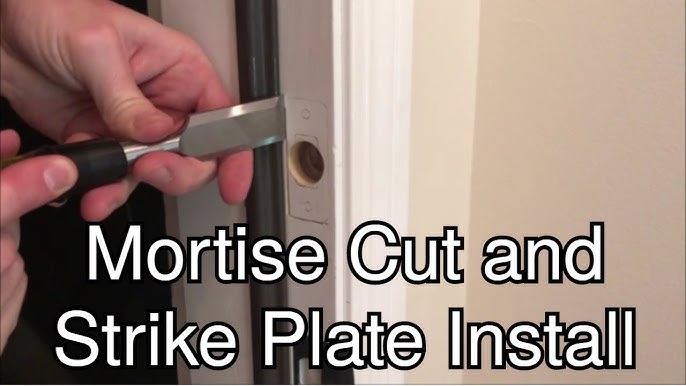
Chiseling The Latch Plate Recess
Chiseling the latch plate recess is a key step when installing a deadbolt. This recess allows the latch plate to sit flush with the door edge. A neat, precise recess gives your lock a clean look and ensures smooth operation. Taking time to chisel carefully saves you trouble later.
Marking The Recess
Start by placing the latch plate on the door edge. Hold it firmly in the right position. Use a pencil to trace around the plate’s edges. Mark the outline clearly. This guide helps you chisel within the exact area. Double-check the markings before you begin chiseling.
Chiseling Tips
Use a sharp chisel for clean cuts. Hold the chisel flat and steady. Tap gently with a hammer to remove thin layers of wood. Work slowly and check depth often. Aim for a shallow recess matching the latch plate’s thickness. Clean up rough edges for a neat finish. Patience here makes your deadbolt fit perfectly.
Installing The Deadbolt
Installing the deadbolt is the key step after cutting the hole. It secures your door and keeps your home safe. Follow the steps carefully for a strong fit.
Fitting The Latch
Start by inserting the latch into the edge hole of the door. Make sure the latch faceplate sits flush with the door edge. Use a screwdriver to fasten the screws tightly. The latch should move smoothly when you push the bolt in and out.
Mounting The Deadbolt
Next, place the exterior part of the deadbolt through the large hole. Align the tailpiece with the latch mechanism inside. Attach the interior plate on the inside of the door. Secure both sides with screws, tightening evenly. Test the deadbolt by turning the key or thumb turn to check smooth operation.
Testing And Adjustments
Testing and making adjustments are important steps after cutting the hole for a deadbolt. These steps ensure the lock fits perfectly and works smoothly. Small mistakes can cause the deadbolt to jam or not lock properly. Take time to test the hole and make changes if needed.
Checking Alignment
Start by placing the deadbolt into the hole. See if it fits without forcing it. Check if the bolt moves freely when you turn the key or knob. Look at the edges of the hole. They should be even and not block the deadbolt parts. Make sure the faceplate sits flat against the door surface. If the deadbolt is crooked, the lock may not work well.
Making Necessary Adjustments
Use a file or sandpaper to smooth rough edges. Remove small amounts of wood where the deadbolt feels tight. If the faceplate does not fit flush, chisel the door carefully. Check the bolt movement again after each change. Repeat adjustments until the deadbolt moves smoothly and fits well. Take your time to avoid making the hole too big.
Credit: www.youtube.com
Frequently Asked Questions
What Tools Are Needed To Cut A Deadbolt Hole?
You need a drill, hole saw, spade bit, chisel, measuring tape, pencil, and safety goggles. These tools ensure accuracy and safety while cutting the hole.
How Do I Measure For A Deadbolt Hole?
Measure the door thickness and mark the desired height, usually 6-7 feet from the floor. Accurate marking ensures the deadbolt fits perfectly.
Can I Cut A Deadbolt Hole In Any Door Type?
Most wooden and metal doors can be drilled for deadbolts. Hollow core doors require caution to avoid damage during cutting.
What Is The Correct Hole Size For A Deadbolt?
The standard hole diameter for a deadbolt is 2 1/8 inches. The edge bore hole should be 1 inch in diameter for the latch.
Conclusion
Cutting a hole for a deadbolt takes careful measuring and steady hands. Use the right tools and follow steps closely. Take your time to avoid mistakes. A neat hole helps your lock fit well and work smoothly. Practice makes the task easier and more confident.
Now you know how to cut a hole for a deadbolt safely. Ready to secure your door with a strong lock?