Have you ever tried to remove a plastic anchor from your wall, only to find it stuck tight and frustrating? You’re not alone.
Those small anchors can be tricky to get out without damaging your wall. But don’t worry—this guide will show you simple, effective ways to remove plastic anchors quickly and safely. Keep reading, and you’ll learn how to fix your wall like a pro, saving time and avoiding common mistakes.
Your next home project just got a whole lot easier.
Tools You Will Need
Removing a plastic anchor from a wall needs the right tools. These tools make the job easier and cleaner. Using proper tools helps protect the wall from damage. Here are the key tools you will need to get the job done well.
Flathead Screwdriver
A flathead screwdriver helps pry the anchor out carefully. It fits under the anchor’s edges to lift it gently. Choose a screwdriver size that matches the anchor.
Pliers
Pliers give a strong grip on the anchor. They help pull the anchor out once it is loose. Needle-nose pliers work best for small anchors in tight spaces.
Drill With Drill Bit
A drill with a small drill bit can break the anchor inside the wall. This method works for anchors that do not come out easily. Use a bit slightly smaller than the anchor diameter.
Utility Knife
A utility knife cuts the anchor flush with the wall surface. This tool is useful if the anchor is stuck and cannot be pulled out. Cut carefully to avoid wall damage.
Wall Patch And Sandpaper
After removing the anchor, patch the hole to restore the wall. Use wall filler and smooth it with sandpaper. This step makes the wall ready for painting or new anchors.

Credit: www.wikihow.com
Identify The Type Of Plastic Anchor
Plastic anchors come in different shapes and sizes. Identifying the type of anchor helps in removing it safely and easily. Each anchor type works differently inside the wall. Knowing its design guides you on the best removal method.
Some anchors expand when you insert a screw. Others have wings that open up behind the wall. Some are simple plugs that fit tightly. Recognizing these details is key to avoid wall damage.
Expansion Anchors
Expansion anchors widen inside the wall when a screw is inserted. They hold tightly by pushing against the wall. Removing them usually needs pulling while compressing the anchor.
Winged Plastic Anchors
Winged anchors have small wings that open behind the wall surface. These wings lock the anchor in place. They require careful removal to fold the wings and pull out smoothly.
Plug Or Sleeve Anchors
Plug anchors look like simple tubes or sleeves. They fit snugly in the hole. You can often pull them out once the screw is removed. Sometimes pushing them deeper helps before extraction.
Prepare The Wall Surface
Preparing the wall surface is an important first step before removing a plastic anchor. It helps protect the wall and makes the removal easier. A clean and smooth surface prevents damage and keeps the wall ready for repair.
Take time to clear the area around the anchor. This allows better access and avoids extra mess. A neat workspace leads to better results.
Clear Dust And Debris
Use a soft brush or cloth to wipe away dust and dirt. This prevents particles from falling into the hole or spreading around. Clean surfaces improve visibility and safety during the work.
Protect The Wall With Tape
Apply painter’s tape around the anchor hole. The tape shields the paint and wall surface from scratches. It also helps catch small pieces that might fall during removal.
Check The Wall Material
Identify if the wall is drywall, plaster, or concrete. Each type needs different care. Knowing this helps choose the right tools and methods for removal.
Remove Anchor Using Pliers
Removing a plastic anchor from a wall can be tricky. Using pliers is one of the easiest ways to pull it out. This method works best if the anchor is loose or sticking out slightly.
Here is how to remove a plastic anchor using pliers safely and effectively.
Choose The Right Pliers
Use needle-nose or slip-joint pliers for better grip. These types help reach into tight spaces. Avoid using pliers that are too large or bulky.
Grip The Anchor Firmly
Hold the anchor with pliers close to the wall. Make sure your grip is strong to avoid slipping. A firm hold prevents damage to the wall surface.
Pull The Anchor Out Slowly
Pull the anchor straight out with steady force. Do not twist or jerk, which can break the anchor. Slow pulling helps remove the anchor cleanly.
Handle Stubborn Anchors
If the anchor does not come out easily, wiggle it gently. Move it side to side while pulling. This loosens the anchor without damaging the wall.
Fill The Hole After Removal
Once the anchor is out, fill the hole with spackle or wall filler. Smooth the surface and let it dry before painting. This makes the wall look smooth again.
Push Anchor Through The Wall
Removing a plastic anchor from a wall can be tricky. One effective way is to push the anchor through the wall. This method works best when the anchor is loose or damaged inside the hole.
Pushing the anchor through the wall clears the hole quickly. It avoids damage to the wall surface. This makes fixing the hole later easier.
Tools Needed To Push Anchor Through The Wall
Use a screwdriver or a metal rod. A hammer helps to push the anchor. Choose tools that fit the anchor size.
Steps To Push The Anchor Out
Insert the screwdriver or rod into the anchor. Tap gently with a hammer. Push the anchor until it falls inside the wall cavity.
What To Do After Pushing The Anchor
Check the hole for any anchor bits. Clean the area before patching. Use spackle or filler to close the hole.
Use A Screw To Extract The Anchor
Using a screw to remove a plastic anchor is a simple and effective method. It requires only basic tools. This technique works well when the anchor is stuck inside the wall.
The screw helps grip the anchor firmly. You can then pull the anchor out without damaging the wall. This method is safe and quick.
Choose The Right Screw Size
Select a screw slightly smaller than the anchor’s diameter. The screw should fit snugly inside the anchor. Avoid screws that are too large or too small. The right size gives a strong hold.
Insert The Screw Into The Anchor
Gently twist the screw into the anchor by hand. Turn it slowly to avoid breaking the anchor. The screw must go deep enough to grip the anchor’s inside walls.
Pull The Anchor Out Of The Wall
Use pliers or your fingers to pull the screw. The anchor should come out with the screw. Pull straight out to prevent wall damage. If the anchor resists, try twisting slightly as you pull.
Remove The Screw From The Anchor
Once the anchor is out, unscrew the screw. The plastic anchor will stay separate. Check the hole for any leftover debris. Clean the area before patching or reusing.
Fill And Repair The Hole
After removing a plastic anchor, the wall will have a hole that needs fixing. Filling and repairing this hole restores your wall’s smooth look. This step protects the wall and prepares it for painting. The process is simple and only takes a little time.
Choose The Right Filler
Select a filler that matches the hole size and wall type. For small holes, spackling paste works well. For bigger holes, use joint compound or patch kits. Check if the filler dries fast and is easy to sand. Using the right filler makes repair last longer.
Apply Filler Smoothly
Use a putty knife to apply the filler. Press it firmly into the hole to fill all gaps. Spread the filler evenly over the surface. Avoid putting too much filler at once. Let it dry completely before the next step. A smooth application ensures a flat wall.
Sand And Paint For Finish
Sand the dried filler with fine-grit sandpaper. Sand until the surface is even with the wall. Wipe away dust with a clean cloth. Paint over the repaired area to match the wall color. Painting hides the repair and blends it well. Your wall looks good as new.

Credit: www.youtube.com
Prevent Wall Damage In Future Installations
Preventing wall damage during future installations helps keep walls strong. Careful steps avoid cracks and holes.
Using the right tools and techniques makes a big difference. It saves time and money on repairs later.
Choose The Correct Anchor Size
Select anchors that fit the hole size perfectly. Too large anchors can crack the wall.
Too small anchors may not hold well, causing damage over time.
Use Proper Drilling Techniques
Drill holes slowly and straight into the wall. Fast or angled drilling weakens wall structure.
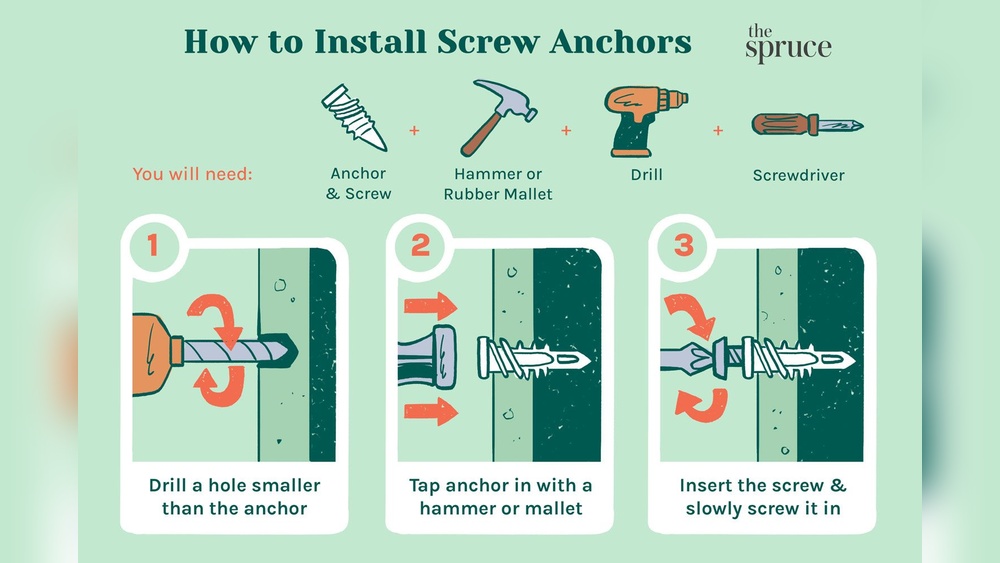
Use a drill bit that matches the anchor size. This prevents loose fitting and damage.
Insert Anchors Gently
Push anchors into the hole without forcing. Forcing can crack or enlarge the hole.
Tap anchors lightly with a hammer if needed, but avoid heavy blows.
Remove Anchors Carefully
Pull anchors out straight and slowly. Twisting or yanking can harm the wall surface.
Use pliers or a special tool to ease removal without damage.
Repair Small Holes Promptly
Fill tiny holes with spackle or putty quickly. This prevents bigger cracks and wall weakness.
Sand and paint the repaired area for a smooth finish.

Credit: stonedesignbysantos.com
Frequently Asked Questions
How Do You Remove A Plastic Anchor From Drywall?
To remove a plastic anchor, insert a screwdriver and gently twist it. If loose, pull it out carefully. For stubborn anchors, push it through the wall or use pliers to grip and pull it out. Patch the hole afterward for a smooth finish.
What Tools Are Needed To Extract Plastic Anchors?
Common tools include a screwdriver, needle-nose pliers, and a utility knife. A drill may help if the anchor is stuck. These tools allow you to twist, grip, or cut the anchor for easier removal without damaging the wall.
Can Plastic Anchors Damage The Wall During Removal?
Yes, removing plastic anchors can cause wall damage. Pulling too hard may enlarge the hole or break the drywall. Using the right technique and tools minimizes damage. Always patch and paint the wall after removal to restore its appearance.
Is It Better To Push Or Pull Out Plastic Anchors?
Pushing anchors through the wall works for hollow walls but may cause damage. Pulling with pliers is preferred for solid walls. Choose the method based on your wall type to avoid unnecessary damage and make removal easier.
Conclusion
Removing a plastic anchor from the wall is easier than it seems. Use the right tools and be patient. Gently pull or twist the anchor to avoid wall damage. Sometimes, pushing it in and patching the hole works best. Taking your time helps prevent extra repairs.
With these simple steps, your wall will look clean and smooth again. Keep these tips handy for any future projects. You’ve got this!