Are you tired of struggling to hang heavy items on your walls without worrying they’ll fall? Using the right wall screw anchor can make all the difference.
But how do you choose the right one, and more importantly, how do you use it correctly? You’ll discover simple, step-by-step tips to help you secure your shelves, frames, and more with confidence. Keep reading, and you’ll learn exactly how to make your walls stronger and your home safer.

Credit: www.youtube.com
Choosing The Right Anchor
Choosing the right wall screw anchor is key for a strong hold. Different anchors work best for different walls and weights. Picking the correct type helps keep your items safe and secure.
Types Of Wall Screw Anchors
There are several types of wall screw anchors. Plastic expansion anchors are common and work well in drywall. Metal anchors offer extra strength and grip. Toggle bolts open behind the wall for heavy loads. Sleeve anchors fit tightly in concrete or brick walls. Each type fits specific needs and wall types.
Matching Anchors To Wall Materials
Walls vary in material and thickness. Drywall is soft and needs light anchors. Concrete and brick require stronger anchors like sleeve or wedge types. Plaster walls need anchors that expand gently to avoid damage. Knowing your wall material helps you pick the best anchor for a secure fit.
Weight Capacity Considerations
Every anchor has a weight limit. Check the packaging for maximum weight ratings. Use heavier anchors for shelves or heavy pictures. Light anchors work for small frames or decorations. Always choose an anchor that supports more weight than your item. This prevents falls and damage.
Tools Needed For Installation
Installing wall screw anchors requires a few basic tools. These tools help make the process smooth and safe. Having the right tools saves time and effort. Below are the essential tools you need for a proper installation.
Drill And Drill Bits
A power drill is key for making holes in the wall. Use the right size drill bit to match the anchor size. A drill bit too small or large can cause problems. Choose a bit designed for the wall material, like masonry or wood. Drilling straight holes helps anchors fit tightly.
Screwdrivers And Screws
After drilling, screws hold the anchor firmly in place. Use a screwdriver that fits the screw head well. This avoids slipping and damage to screws. Electric screwdrivers speed up the job but manual ones work fine. Match the screw length to the anchor and wall thickness.
Measuring And Marking Tools
Measure carefully before drilling holes. A tape measure or ruler helps find the exact spot. Use a pencil or marker to mark the drill points. Marking ensures holes go where you want. Double-check measurements for accuracy to avoid mistakes.
Preparing The Wall
Installing a wall screw anchor is a simple process that anyone can do. It helps secure screws in walls that are too weak for screws alone. Proper installation ensures strong support for shelves, frames, and other items.
This guide breaks down the steps to install a wall screw anchor correctly. Follow each part carefully for the best results.
Inserting The Anchor
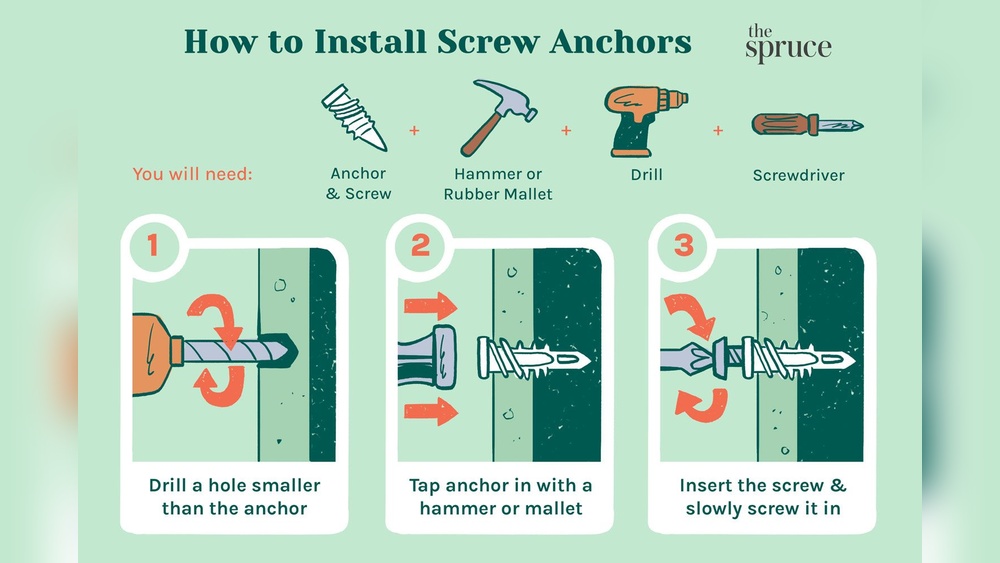
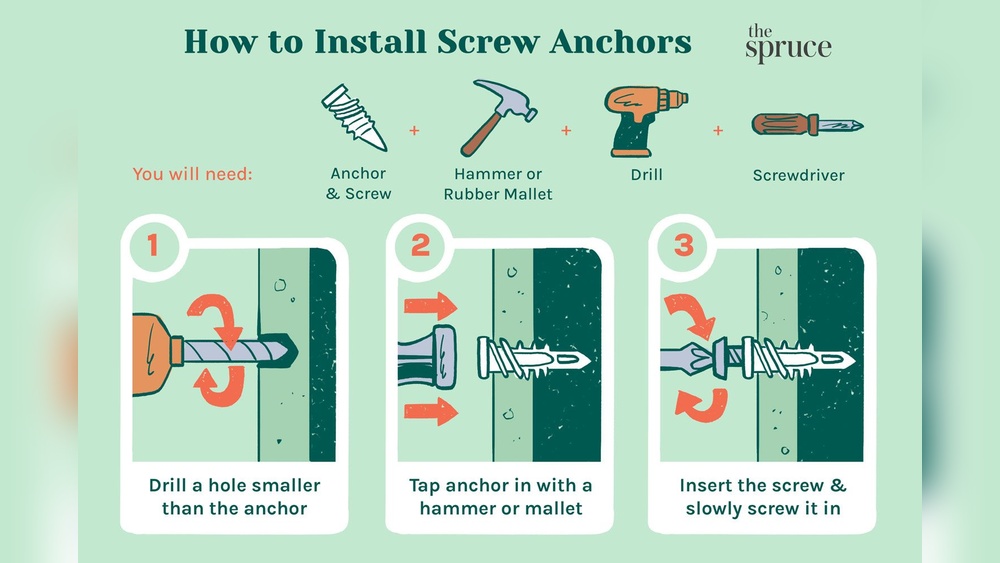
First, drill a hole that matches the anchor’s size. The hole must be clean and free of dust. Push the anchor into the hole until it is flush with the wall. Use gentle pressure. Do not force it in or the wall may crack.
Securing The Anchor Properly
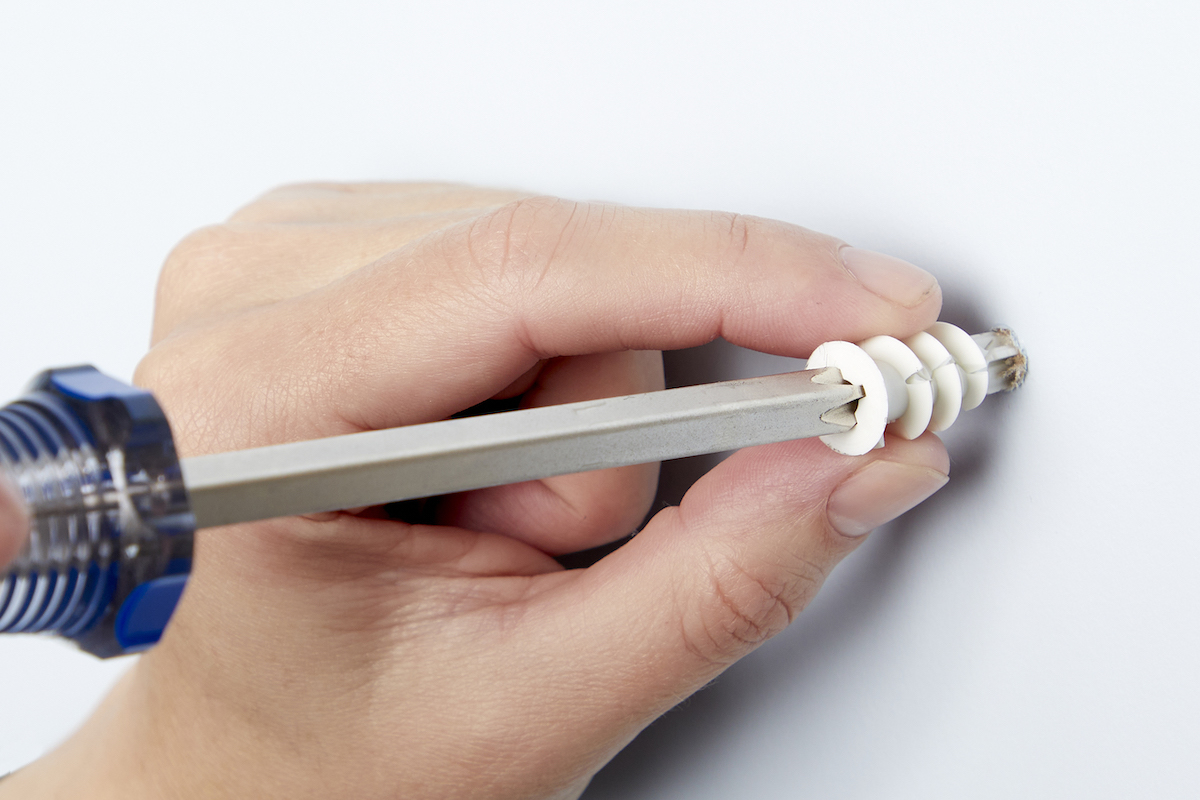
Next, insert the screw into the anchor. Turn the screw slowly to expand the anchor inside the wall. Stop when the screw feels tight and secure. Avoid over-tightening as it can damage the anchor or wall.
Common Mistakes To Avoid
Do not skip drilling the correct hole size. A hole that is too big or small weakens the hold. Avoid using the wrong type of anchor for your wall material. Never overtighten the screw, or the anchor will break. Make sure the anchor is fully inside the wall before screwing.

Credit: www.picturehangsolutions.com
Installing The Wall Screw Anchor
Attaching fixtures to the wall screw anchor is a crucial step to secure items safely. The right approach ensures your fixture stays in place without damage. Follow simple steps to get a strong hold.
Choosing The Right Screws
Select screws that match the anchor size and type. Use screws with the correct length to hold the fixture firmly. Avoid screws that are too long or short. The screw must fit tightly into the anchor for best results.
Ensuring Tight And Secure Fit
Insert the screw slowly into the anchor. Turn the screw clockwise, applying steady pressure. Stop turning when the fixture feels firmly attached. Do not overtighten to avoid damaging the wall or anchor.
Testing Anchor Strength
Gently pull or push the fixture to test its hold. Check if the fixture moves or feels loose. A strong anchor will keep the fixture steady without shifting. If it moves, remove the screw and try again with a better fit.
Attaching Fixtures To The Anchor
Maintaining and removing wall screw anchors helps keep your walls safe and intact. Proper care prevents damage and ensures anchors hold well. Regular checks and careful removal protect your walls from unnecessary harm.
Checking For Looseness Over Time
Check anchors regularly to see if they feel loose. Lightly wiggle the screw to test stability. Loose anchors may fail and cause items to fall. Tighten screws gently if you find looseness. Replace anchors that do not hold firmly anymore.
Safe Removal Techniques
Start by unscrewing the screw slowly. Use the correct screwdriver to avoid stripping the head. Pull out the anchor carefully with pliers if it stays in the wall. For plastic anchors, push them inside the wall if removal is hard. Avoid forcing the anchor out to prevent wall damage.
Repairing Wall Damage
Fill small holes with spackle or wall filler. Smooth the surface with a putty knife. Let the filler dry completely before sanding it smooth. Paint over the repaired area to match the wall. Larger holes may need a patch for a clean look.
Credit: www.bobvila.com
Frequently Asked Questions
What Is A Wall Screw Anchor?
A wall screw anchor is a device that secures screws in drywall or masonry. It provides extra grip and strength. Anchors prevent screws from pulling out. They are essential for mounting heavy items safely on walls.
How Do I Install A Wall Screw Anchor?
First, drill a hole in the wall matching the anchor size. Insert the anchor fully into the hole. Then, screw into the anchor slowly until secure. Avoid overtightening to prevent damage to the wall or anchor.
Can Wall Screw Anchors Hold Heavy Objects?
Yes, wall screw anchors can support heavy items. Choose the right anchor type and size for the weight. Proper installation is crucial for maximum holding power. Always check the anchor’s weight rating before use.
What Types Of Wall Screw Anchors Exist?
Common types include plastic expansion anchors, metal anchors, and toggle bolts. Each type suits different wall materials and loads. Plastic anchors work for light loads, while metal anchors and toggles handle heavier weights.
Conclusion
Wall screw anchors hold items tightly on walls. Choose the right anchor for your wall type. Drill a hole that fits the anchor size. Push the anchor in until it is flush with the wall. Insert the screw and tighten it carefully.
Avoid overtightening to prevent damage. Following these steps ensures a strong, secure hold. Use anchors for shelves, pictures, or light fixtures. A simple method that saves time and effort. Try it yourself and see the difference.