Are your cabinets feeling a little unstable or unsafe? Learning how to anchor a cabinet to the wall is a simple skill that can save you from accidents and keep your space looking neat.
You might think it’s a complicated job, but with the right steps, you can do it yourself quickly and confidently. In this guide, you’ll discover easy-to-follow tips that ensure your cabinets stay secure, no matter what. Keep reading, and you’ll never worry about a wobbly cabinet again.

Credit: www.columbiadailyherald.com
Choosing The Right Tools
Choosing the right tools is the first step to securely anchor a cabinet to the wall. Using proper tools makes the job easier and safer. It also ensures the cabinet stays in place for a long time.
Different walls and cabinets need different types of anchors and tools. Preparing your tools before starting helps you work smoothly. It saves time and avoids mistakes during installation.
Essential Tools Checklist
- Power drill with drill bits
- Stud finder
- Level
- Measuring tape
- Screwdriver
- Hammer
- Wall anchors or screws
- Pencil for marking
These tools cover most basic needs for anchoring a cabinet. A power drill makes holes quickly and cleanly. The stud finder locates wall studs, which hold weight best. A level keeps the cabinet straight. Measuring tape helps position the cabinet correctly.
Selecting Suitable Anchors
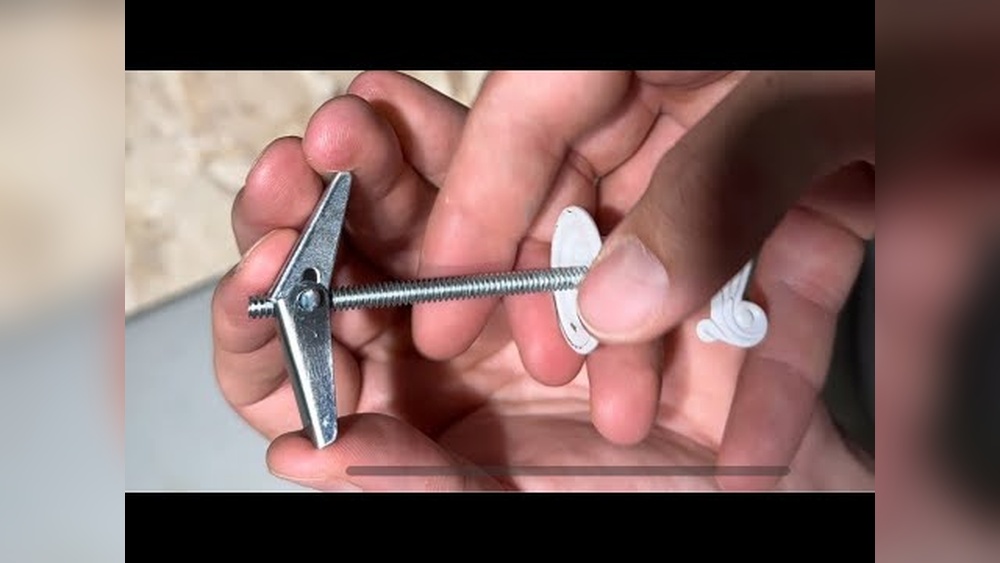
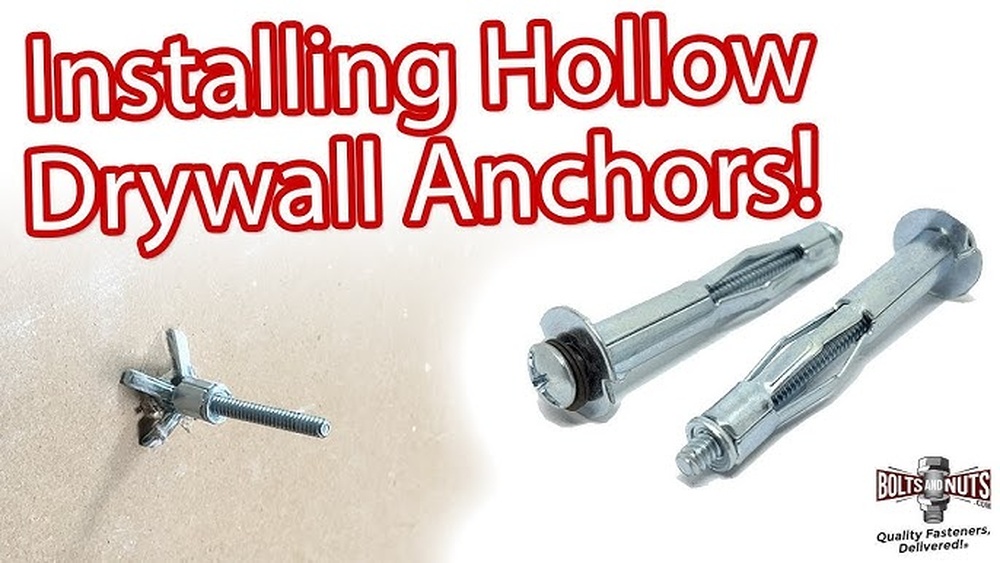
Choose anchors based on your wall type and cabinet weight. Drywall needs special anchors, like toggle bolts or molly bolts. Concrete or brick walls need masonry anchors. Wood walls allow direct screwing into studs.
Pick anchors that support the cabinet’s weight. Too weak anchors cause the cabinet to fall. Follow anchor package instructions for drill bit size and installation steps. Proper anchors make your cabinet safe and stable.
Preparing The Wall
Preparing the wall is the first step to safely anchor a cabinet. This step ensures the cabinet will hold firm and stay secure for years. Proper preparation helps prevent accidents and damage to your walls.
Start by finding the strongest points on your wall to attach the cabinet. These points are usually the wooden studs behind the drywall. Marking these spots clearly makes the installation easier and more accurate.
Locating Wall Studs
Wall studs are vertical wooden beams inside your wall. They support the drywall and carry the weight of mounted objects. Use a stud finder tool to locate these beams quickly and accurately. Move the tool slowly along the wall until it signals a stud. Mark each found stud with a pencil. Check for multiple studs along the length where the cabinet will hang.
Marking Anchor Points
Once you find the studs, mark the points where the cabinet screws will go. Align these marks with the cabinet’s mounting holes. Use a level to ensure the marks are straight across the wall. Accurate marking keeps the cabinet balanced and secure. Double-check the spacing before drilling any holes. Clear, precise marks make the next steps smoother and safer.
Preparing The Cabinet
Preparing the cabinet is an important step before anchoring it to the wall. It helps ensure the cabinet stays secure and safe. Taking time to prepare the cabinet carefully can prevent damage and make the installation easier.
Start by checking the cabinet’s back panel and edges. Make sure they are clean and free from dust. This allows the anchors and screws to hold better and keeps the cabinet stable.
Measuring And Marking
Measure the distance between the cabinet’s mounting points carefully. Use a tape measure for accuracy. Mark the spots where you will drill holes on the cabinet. Use a pencil to make light marks that you can erase later.
Double-check the marks to make sure they line up with the wall studs. Correct alignment is key to a strong hold. Mark the bottom and top points as well for extra support.
Pre-drilling Holes
Pre-drill holes on the marked spots to avoid splitting the wood. Use a drill bit slightly smaller than the screws. Drill slowly and keep the drill straight to make clean holes.
This step helps the screws go in smoothly and hold tightly. It also prevents the cabinet from cracking during installation. Clean out any dust inside the holes before proceeding.
Installing The Anchors
Installing the anchors is a key step in securing your cabinet to the wall. Proper anchor installation ensures the cabinet stays firmly in place. It prevents damage and keeps your items safe. Choosing the right anchor and installing it correctly can save you time and effort.
Types Of Wall Anchors
Several wall anchors work well for cabinets. Plastic expansion anchors suit light loads and drywall. Metal anchors handle medium loads and offer better grip. Toggle bolts provide strong support for heavy cabinets. Molly bolts also expand behind the wall for firm hold. Match the anchor type to your wall and cabinet weight.
Step-by-step Anchor Installation
First, mark the spots on the wall where you want the cabinet screws. Use a level to keep marks even. Next, drill holes at the marked points. Choose a drill bit size that fits the anchor. Push or tap the anchor into the hole until flush with the wall. Insert the screw into the anchor but do not fully tighten. Hang the cabinet and then tighten all screws firmly. Check the cabinet for stability before use.
Mounting The Cabinet
Mounting the cabinet to the wall is a key step for safety and stability. This process holds the cabinet firmly in place. It keeps your items secure and prevents accidents. Follow clear steps to mount your cabinet correctly and easily.
Aligning The Cabinet
Start by placing the cabinet against the wall. Check that it is level and straight. Use a spirit level for best results. Mark the wall through the cabinet’s mounting holes. These marks show where to drill later. Proper alignment helps the cabinet look neat and stay secure.
Securing With Screws
Drill pilot holes on the wall at your marks. Choose screws that fit your cabinet and wall type. Use a drill or screwdriver to fix screws through the cabinet into the wall. Tighten screws firmly to avoid any movement. Double-check the cabinet is still level after securing it.
Final Adjustments
Final adjustments are key to making sure your cabinet stays safe and looks great. After anchoring the cabinet to the wall, take time to check every detail. These last steps help avoid future problems and keep your cabinet steady for years.
Checking Stability
Push gently on the cabinet to test its strength. It should not move or wobble. If you feel any shake, the anchor points may need attention. Look for gaps between the cabinet and the wall. These gaps can make the cabinet less secure. Fix any loose spots before moving on.
Tightening And Leveling
Use a screwdriver or drill to tighten all screws firmly. Loose screws can cause the cabinet to tilt or fall. Check the cabinet’s level using a spirit level tool. Adjust the screws or add shims under the cabinet if it is not straight. A level cabinet looks better and holds items safely.
Safety Tips
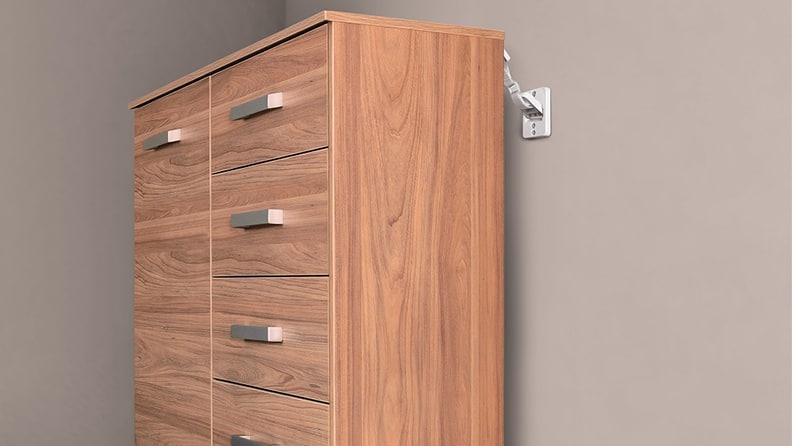
Safety is key when anchoring cabinets to walls. Proper steps help avoid accidents and damage. Follow simple tips to keep the cabinet secure and stable. These tips protect your walls and belongings. They also prevent injuries from falling cabinets.
Weight Limits
Check the cabinet’s weight before anchoring. Know how much the wall can hold safely. Use wall anchors that match the cabinet’s weight. Avoid heavy loads on weak walls. Spread the weight evenly to prevent stress. Overloading can cause the cabinet to fall.
Using Support Braces
Support braces add extra strength to the cabinet. Attach braces to studs inside the wall for better hold. Use metal or wooden braces depending on the cabinet type. Braces help keep the cabinet steady during use. Secure braces tightly to avoid any movement. They reduce strain on anchors and wall.
Credit: www.lowes.com

Credit: diy.stackexchange.com
Frequently Asked Questions
How Do I Anchor A Cabinet To Drywall Safely?
Use wall anchors designed for drywall, like toggle bolts or molly bolts. Locate studs for extra support. Pre-drill holes carefully, and secure the cabinet firmly to avoid damage or instability.
What Tools Are Needed To Anchor A Cabinet To Wall?
You need a drill, screwdriver, stud finder, level, measuring tape, and appropriate wall anchors or screws. These tools help ensure precise placement and secure installation of the cabinet.
Can I Anchor A Cabinet Without Studs?
Yes, by using strong wall anchors such as toggle bolts or molly bolts. These distribute weight evenly and provide solid support when studs are unavailable.
How To Find Studs For Cabinet Anchoring?
Use a stud finder or tap the wall to listen for solid sounds. Mark the stud locations to align your cabinet screws for secure anchoring.
Conclusion
Anchoring a cabinet to the wall keeps it safe and steady. Use the right tools and anchors for strong support. Always find the wall studs before drilling holes. Measure carefully to keep the cabinet level and straight. Taking time to do it right prevents accidents later.
A secure cabinet looks better and lasts longer. Follow these steps to finish your project with confidence. Simple actions make a big difference in safety and style.